
Rabbit Health
Practical health and care guides for rabbit owners — from gut stasis to dental disease and daily wellness tips.
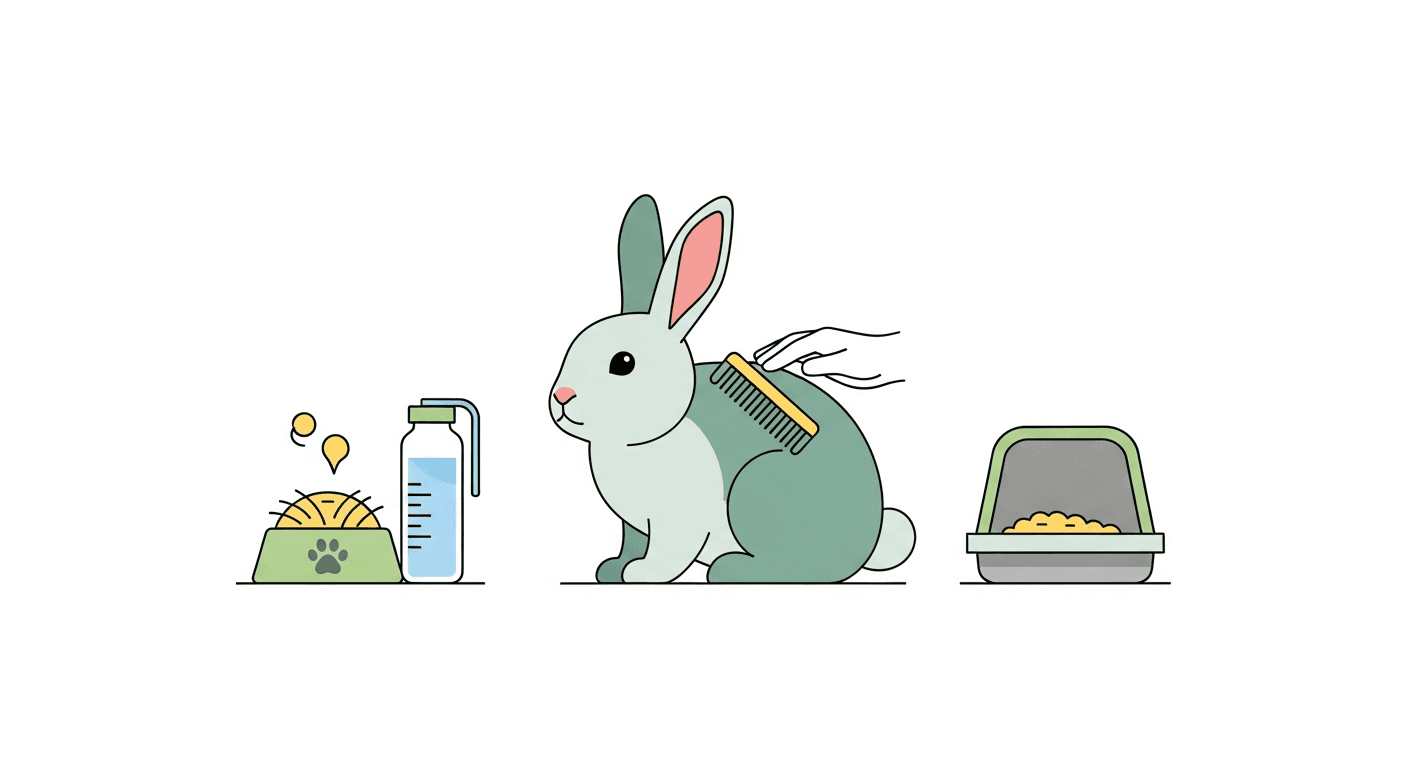
Daily Rabbit Care Routine: A Complete Health Checklist
A healthy rabbit requires daily observation and specific care tasks. This routine helps you catch health problems early and keep your rabbit thriving.
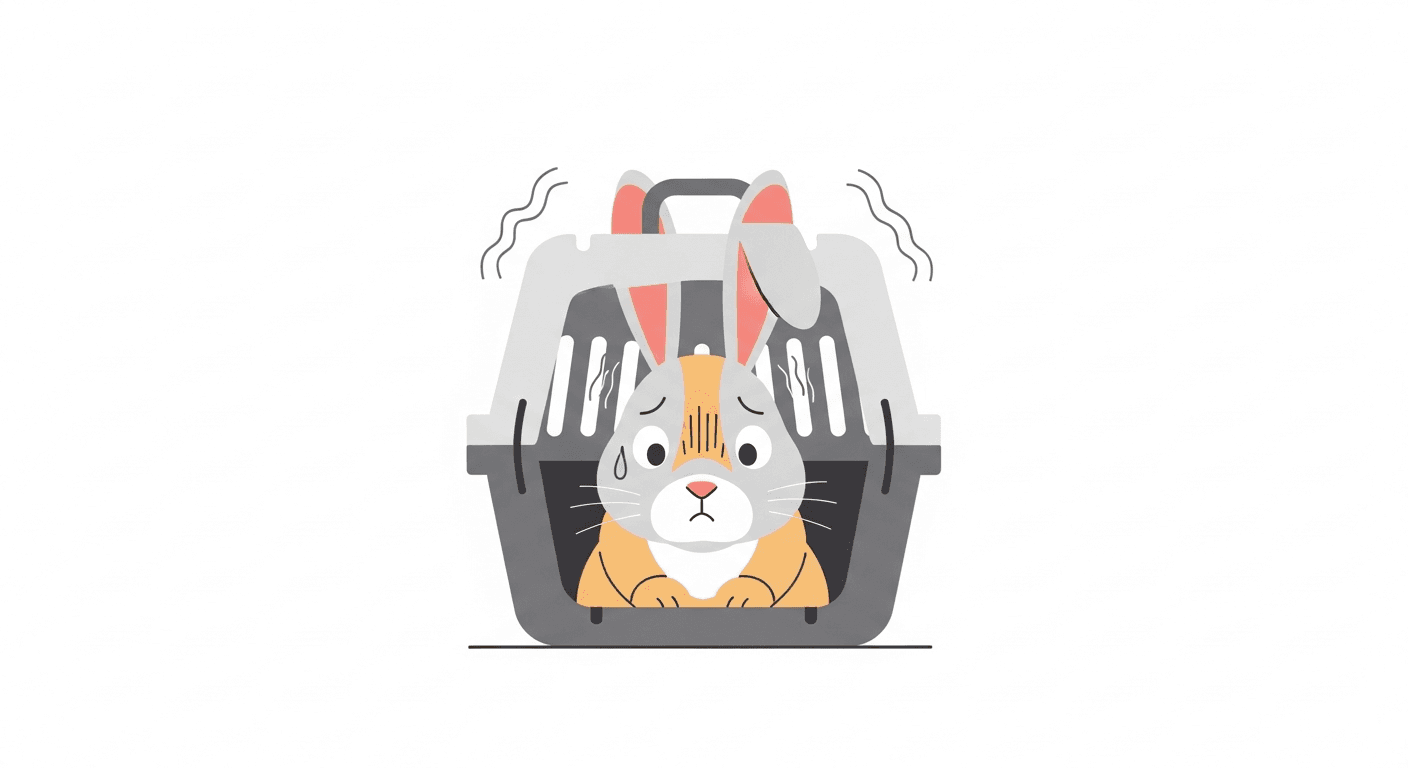
Traveling with Your Rabbit: Reducing Stress and Preventing GI Stasis
Travel is inherently stressful for rabbits and can trigger GI stasis. Learn how to minimize risk and what to monitor during and after any trip.
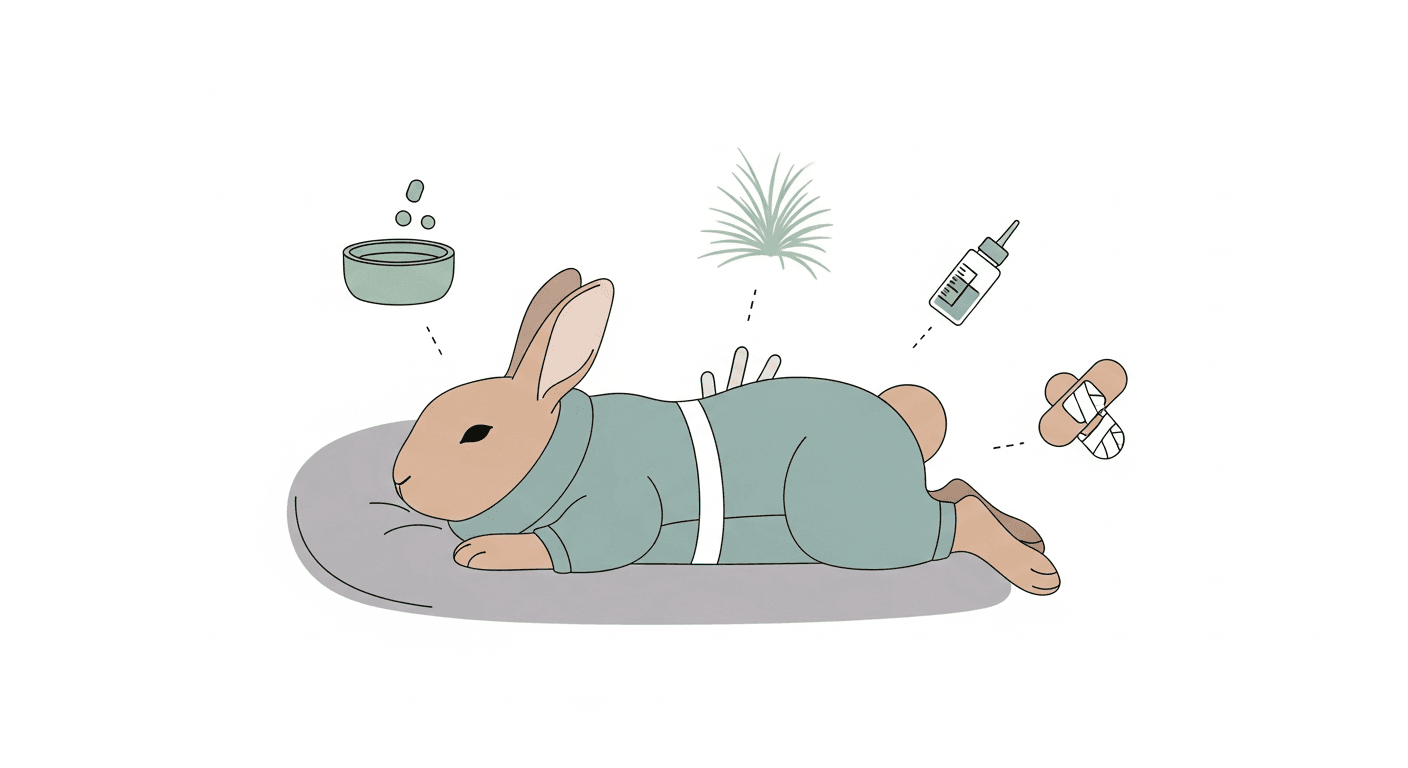
Rabbit Post-Spay Recovery: What to Expect and How to Help
Spay surgery is vital for female rabbit health, but recovery requires careful monitoring. Learn what's normal and what's a complication sign.
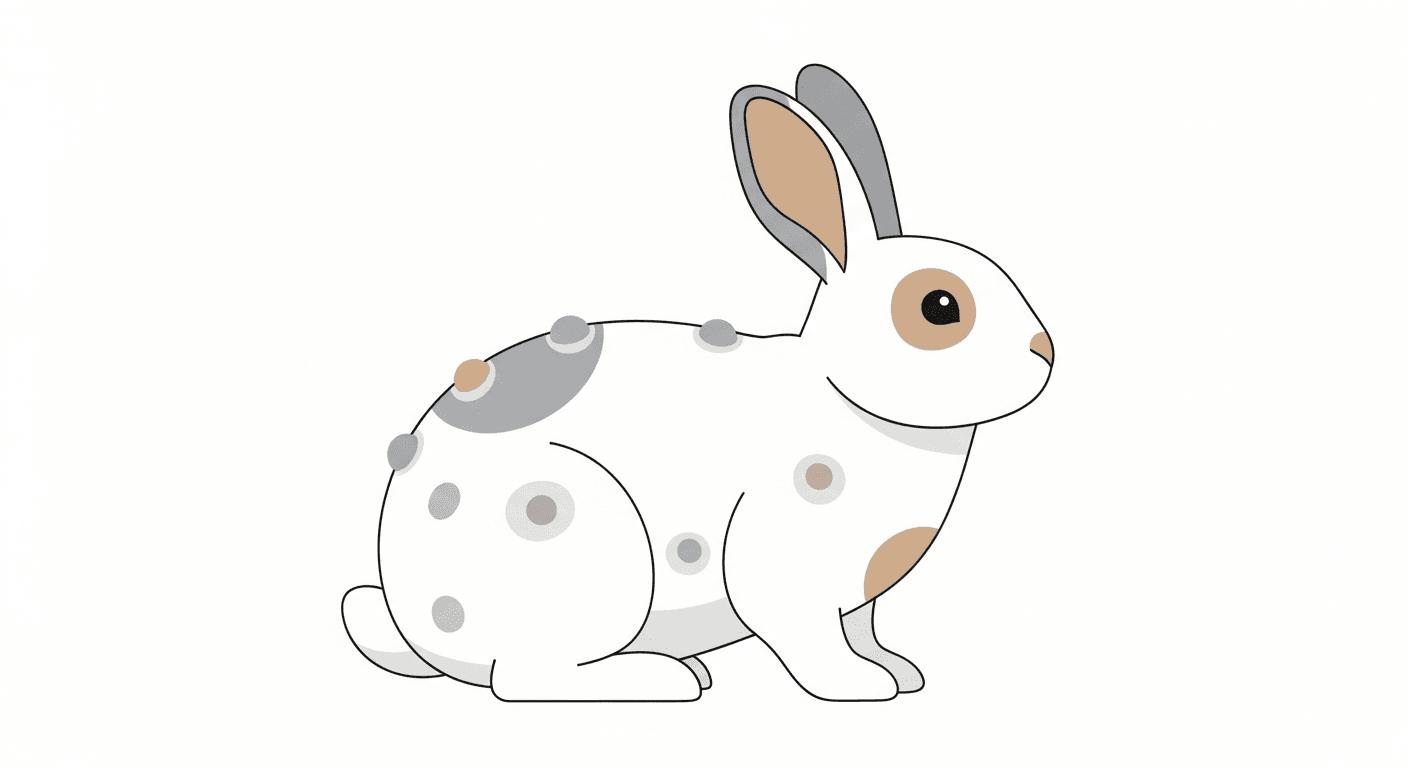
Lumps and Bumps on Rabbits: What to Do When You Find One
Not all lumps in rabbits are cancerous, but they all need evaluation. Learn about abscesses, cysts, and neoplasia in rabbits and when to act.
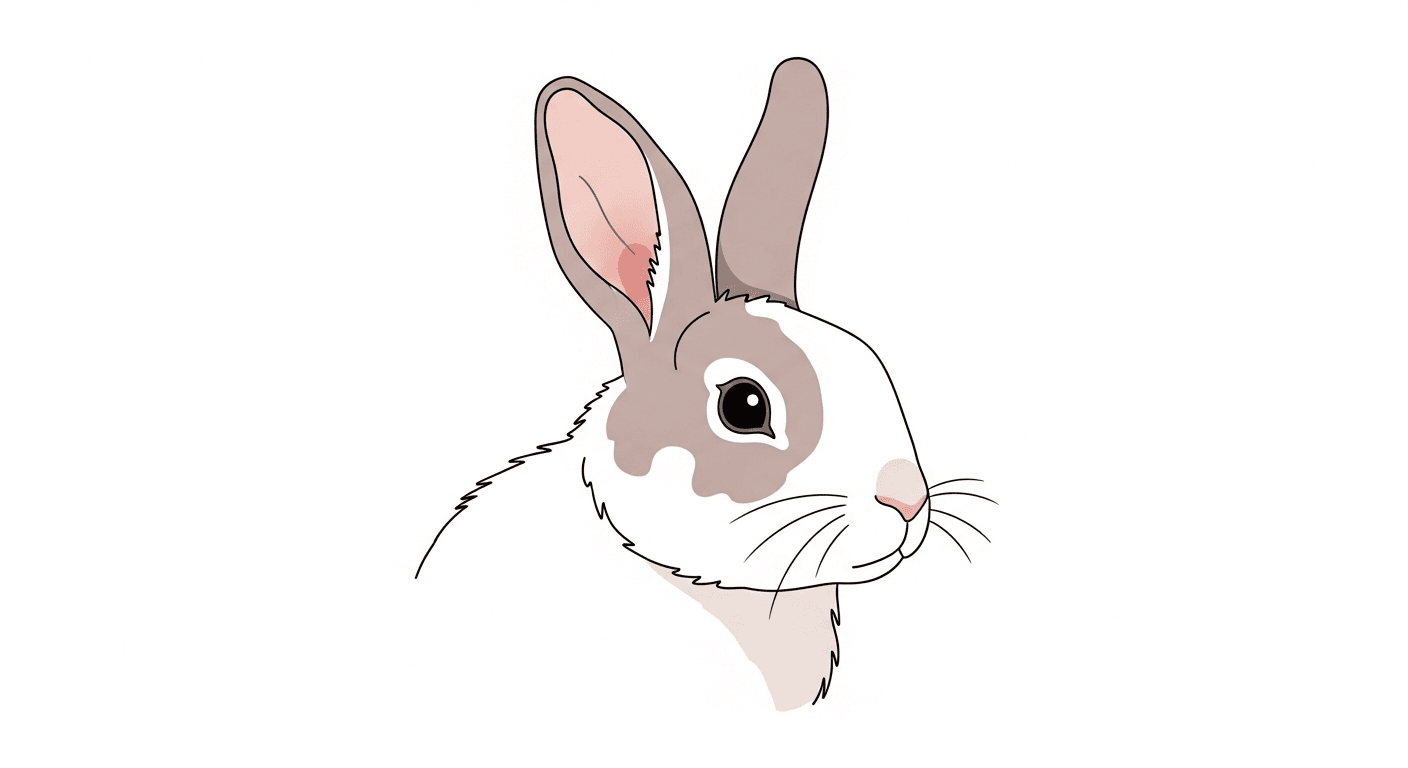
Rabbit Ear Problems: Mites, Infection, and Wax Buildup
Rabbit ear problems range from normal wax buildup to severe mite infestations causing intense pain. Learn to assess and respond correctly.
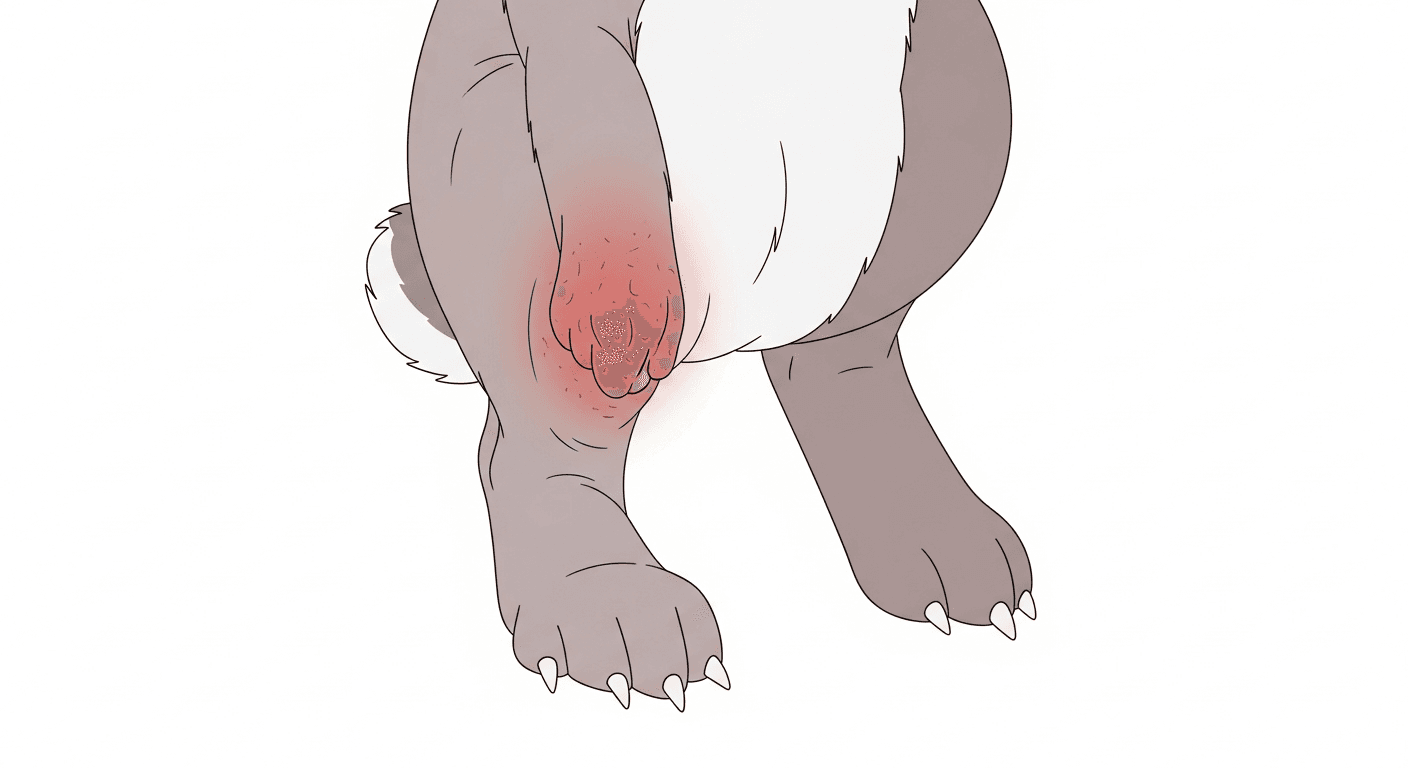
Rabbit Sore Hocks: Treatment and Prevention of This Common Condition
Sore hocks (pododermatitis) are painful pressure sores on a rabbit's hind feet. Learn what causes them, how they're treated, and what flooring changes prevent them.
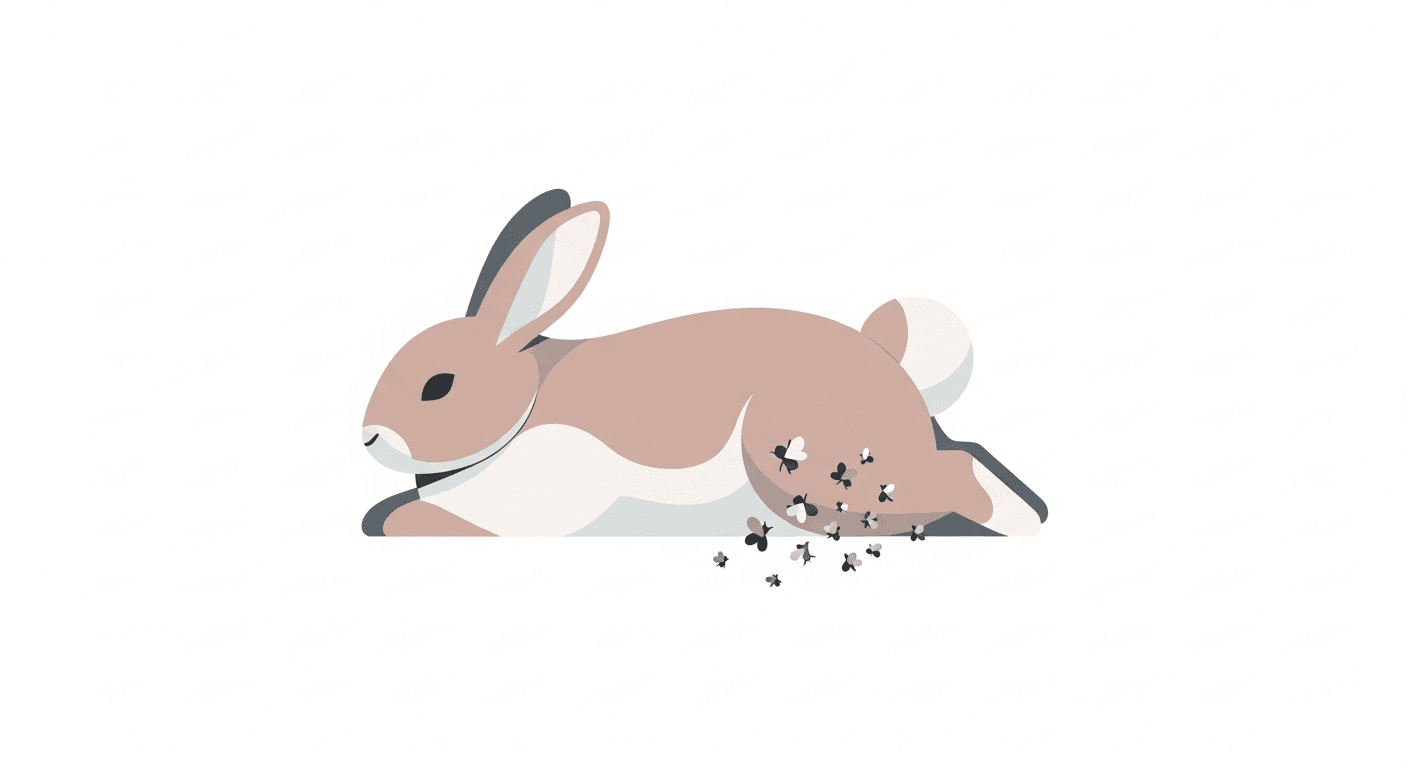
Flystrike in Rabbits: Prevention and Emergency Response
Flystrike is one of the most horrifying and preventable conditions in rabbits. Learn how flies lay eggs, which rabbits are most at risk, and what daily checks prevent it.
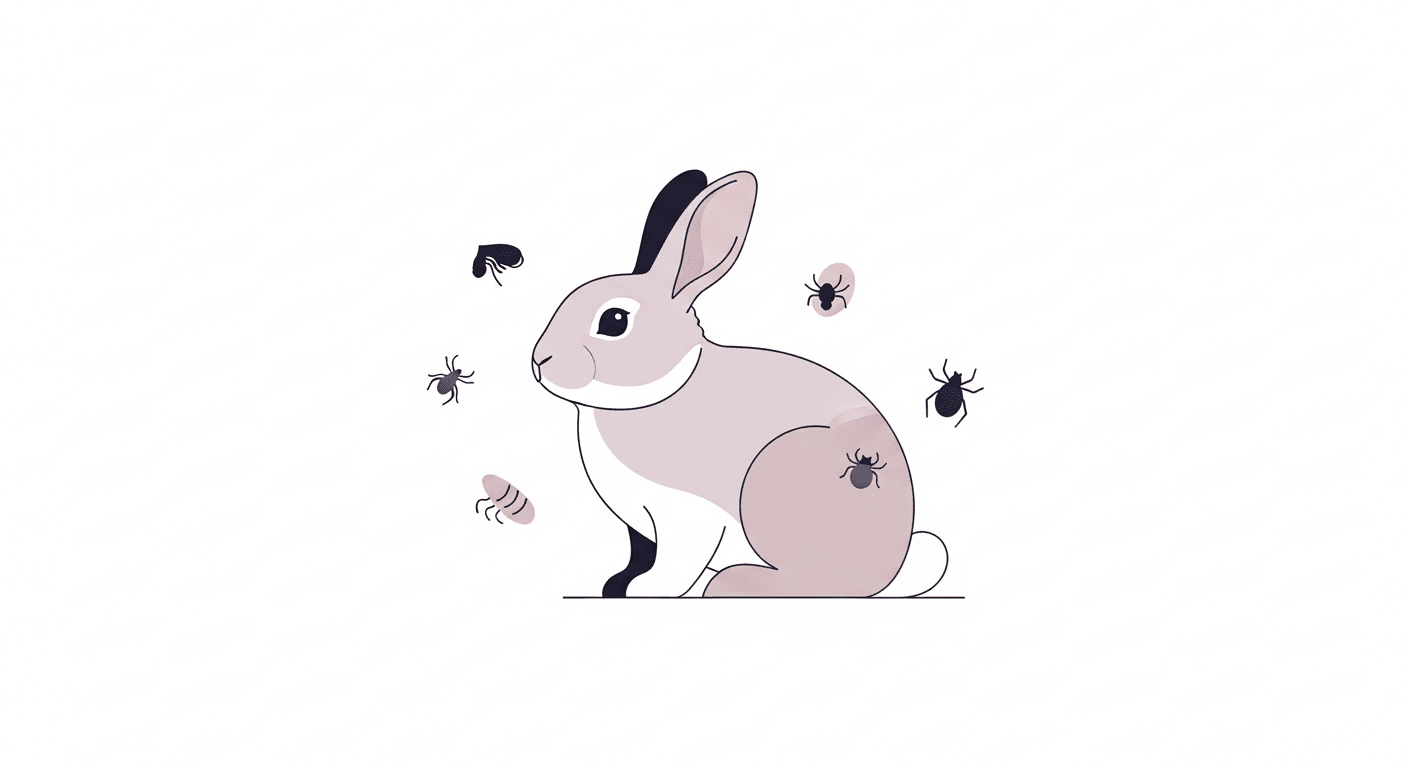
Rabbit Parasite Prevention: Fleas, Mites, and E. Cuniculi
Rabbits can carry parasites that affect their health and can spread to other pets. Learn what prevention looks like for indoor and outdoor rabbits.
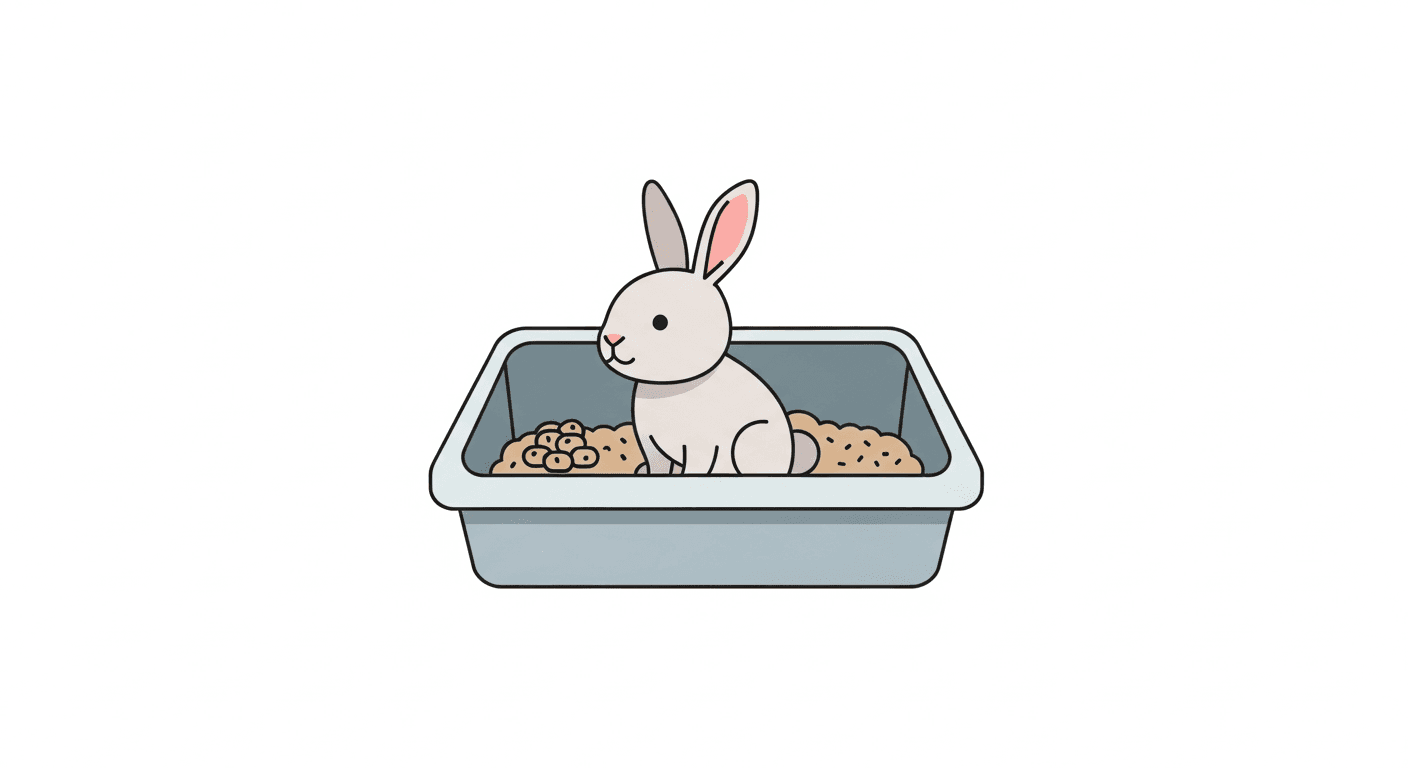
Rabbit Litter Training: A Simple and Effective Approach
Most rabbits can be litter trained easily using their natural habits. Learn the right setup, common mistakes to avoid, and what to do when it stops working.
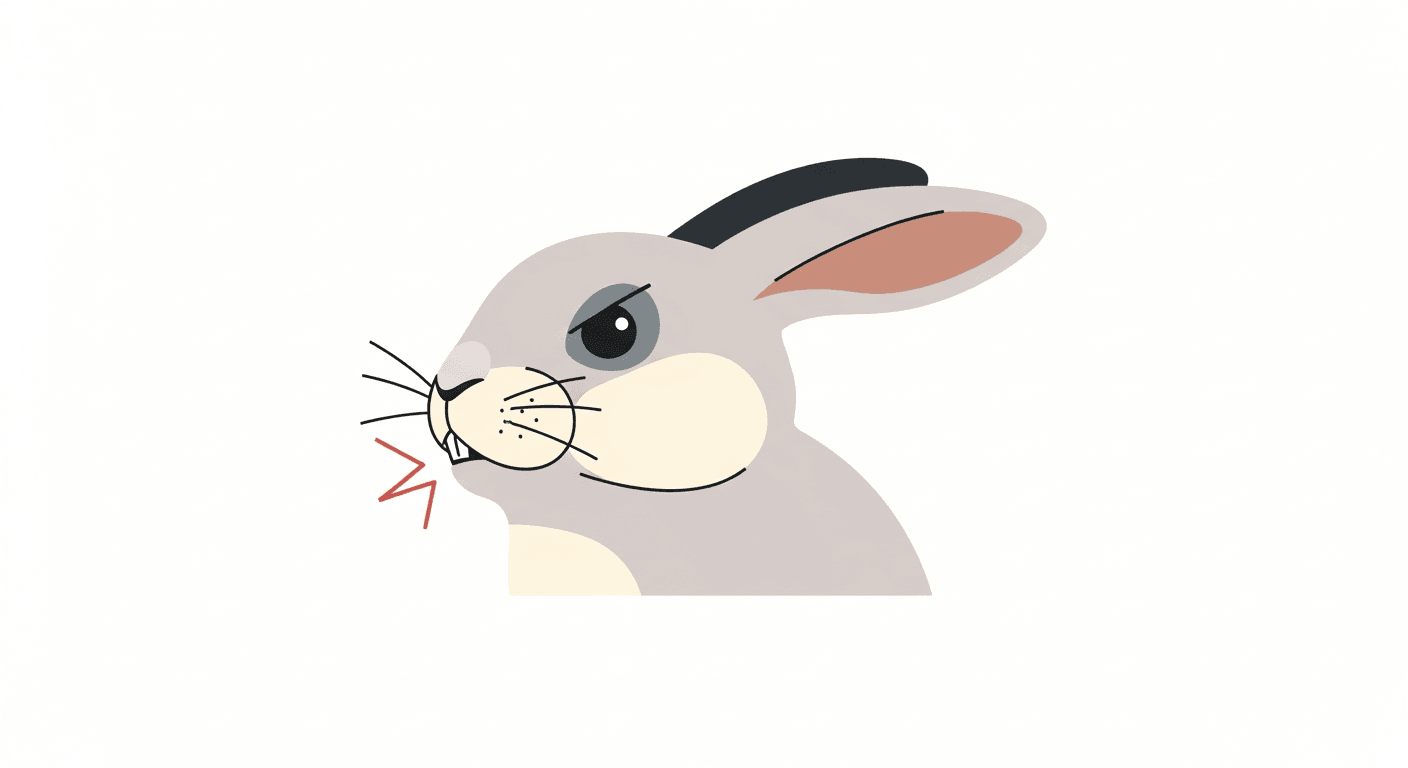
Why Does My Rabbit Bite? Understanding Rabbit Aggression
Rabbit biting can be hormonal, territorial, fear-based, or pain-related. Learn the causes and how to build a trusting relationship with an aggressive rabbit.
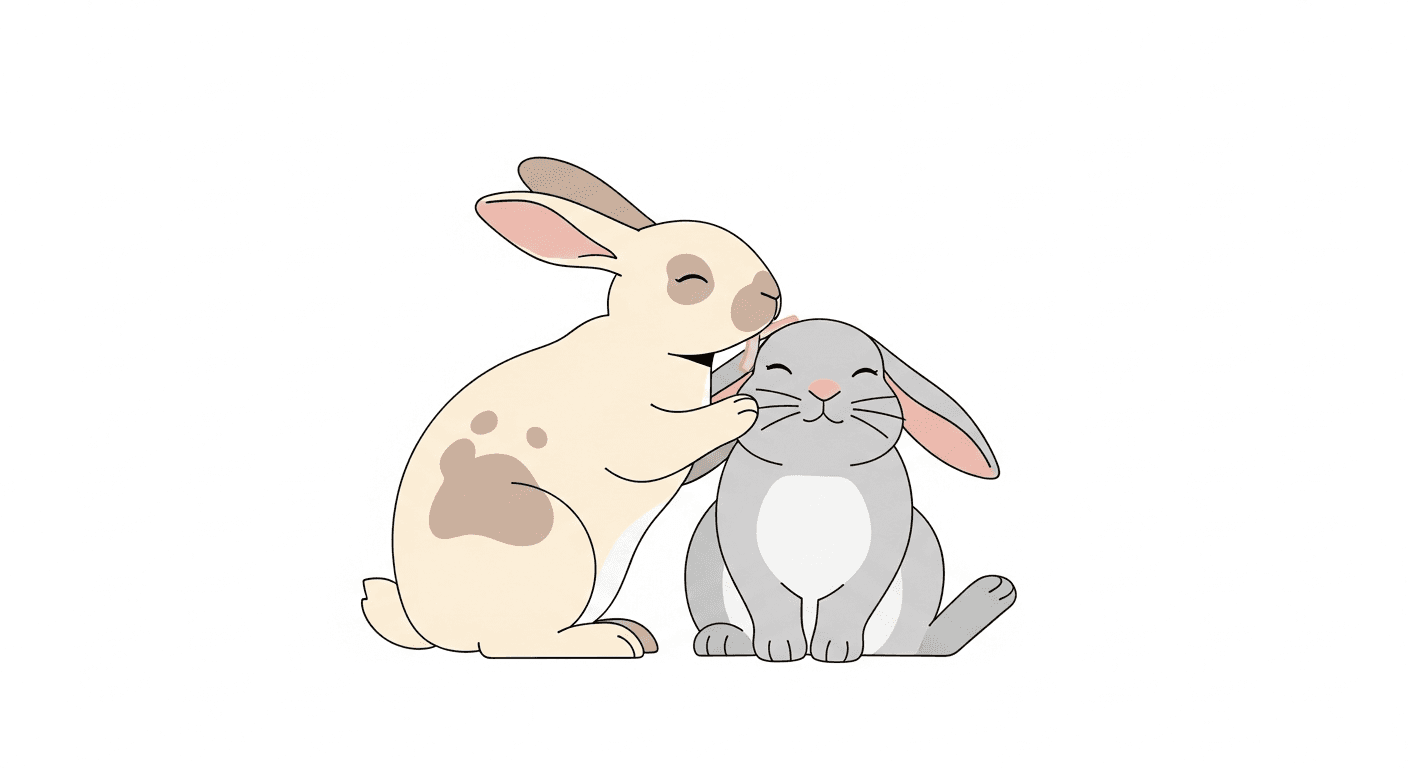
How to Bond Two Rabbits: A Safe Step-by-Step Guide
Rabbits are social animals that thrive with a companion. But introducing two rabbits without proper bonding steps often leads to serious injury. Learn the right approach.
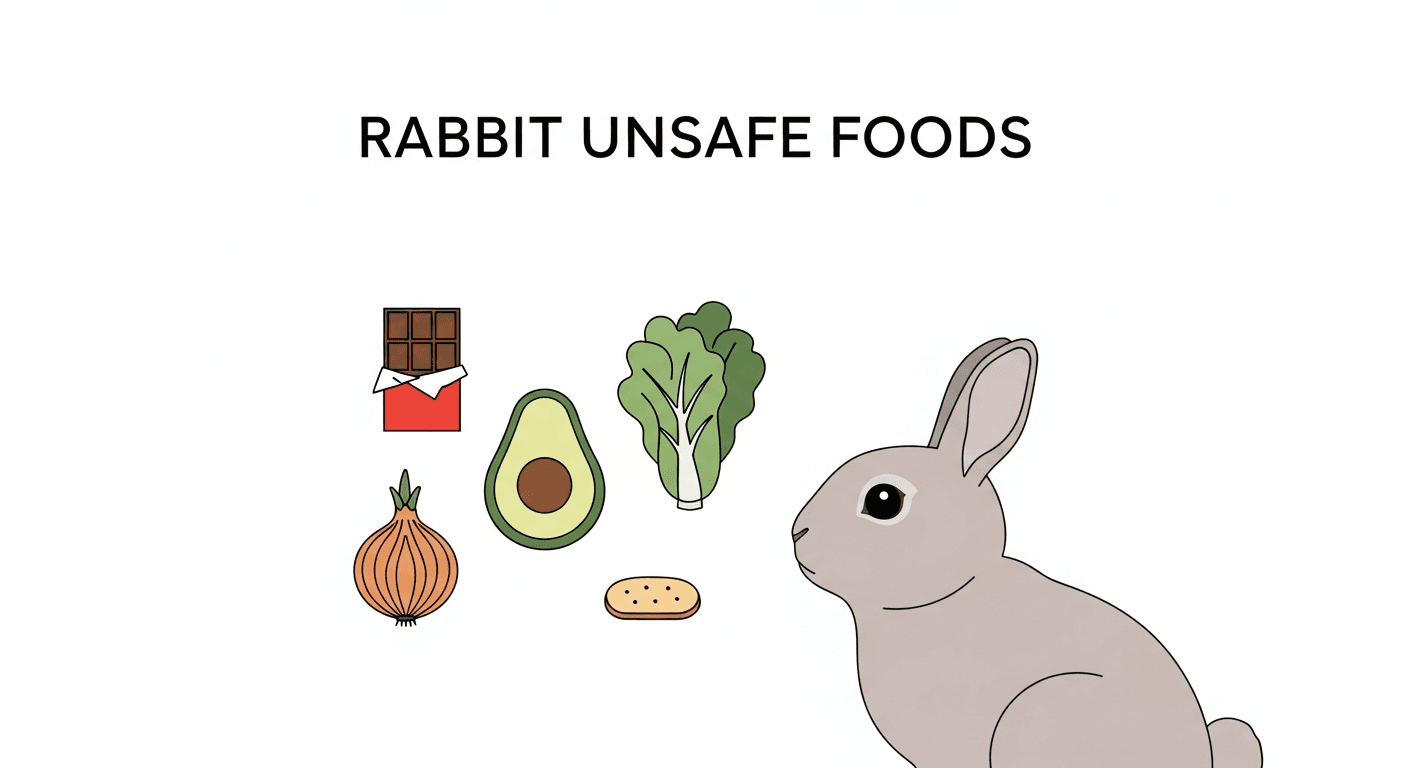
Foods That Are Dangerous or Toxic for Rabbits
Many common human foods and even some marketed "rabbit treats" are harmful to rabbits. Learn which foods to avoid entirely and which are safe only in tiny amounts.
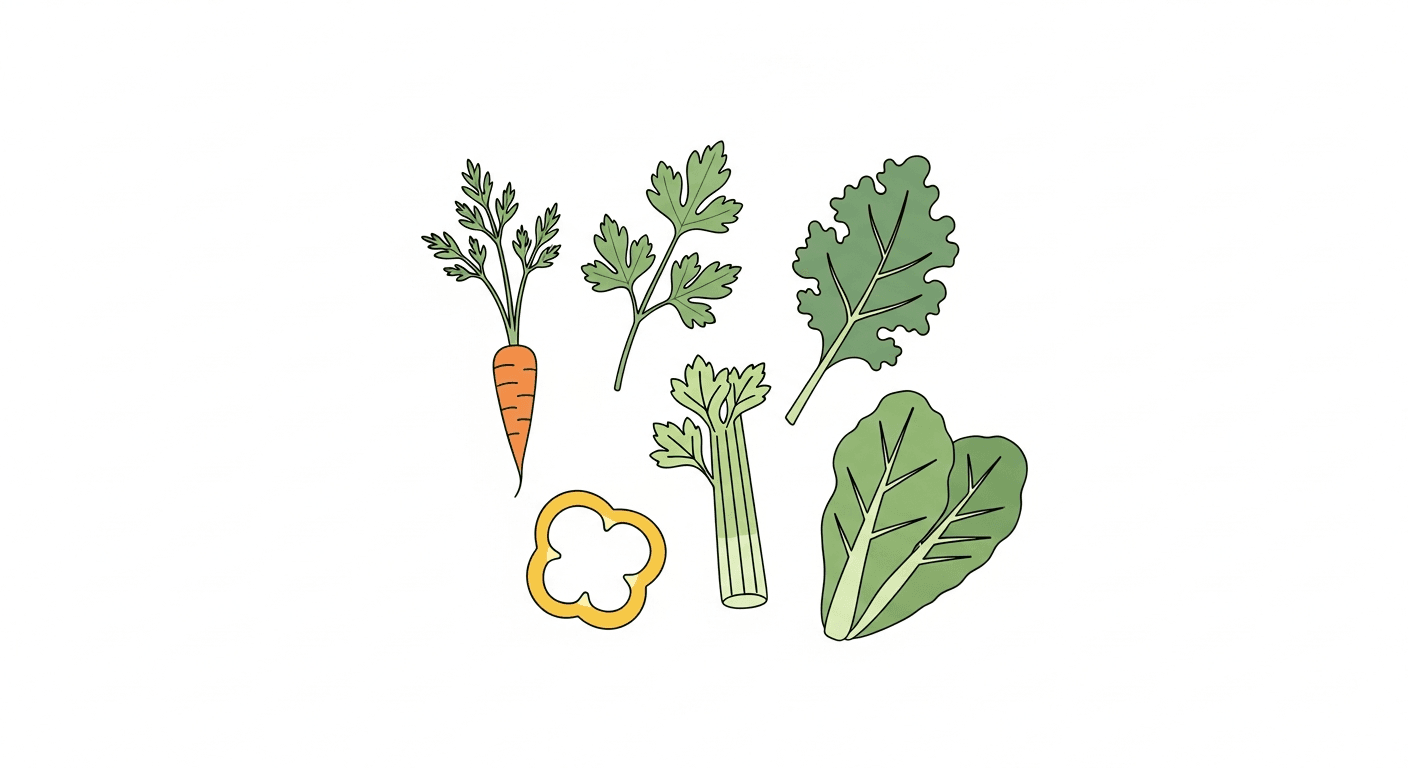
Safe Vegetables for Rabbits: A Complete Guide
Not all vegetables are created equal for rabbits. Learn which leafy greens are safe and beneficial, and how to introduce them without digestive upset.
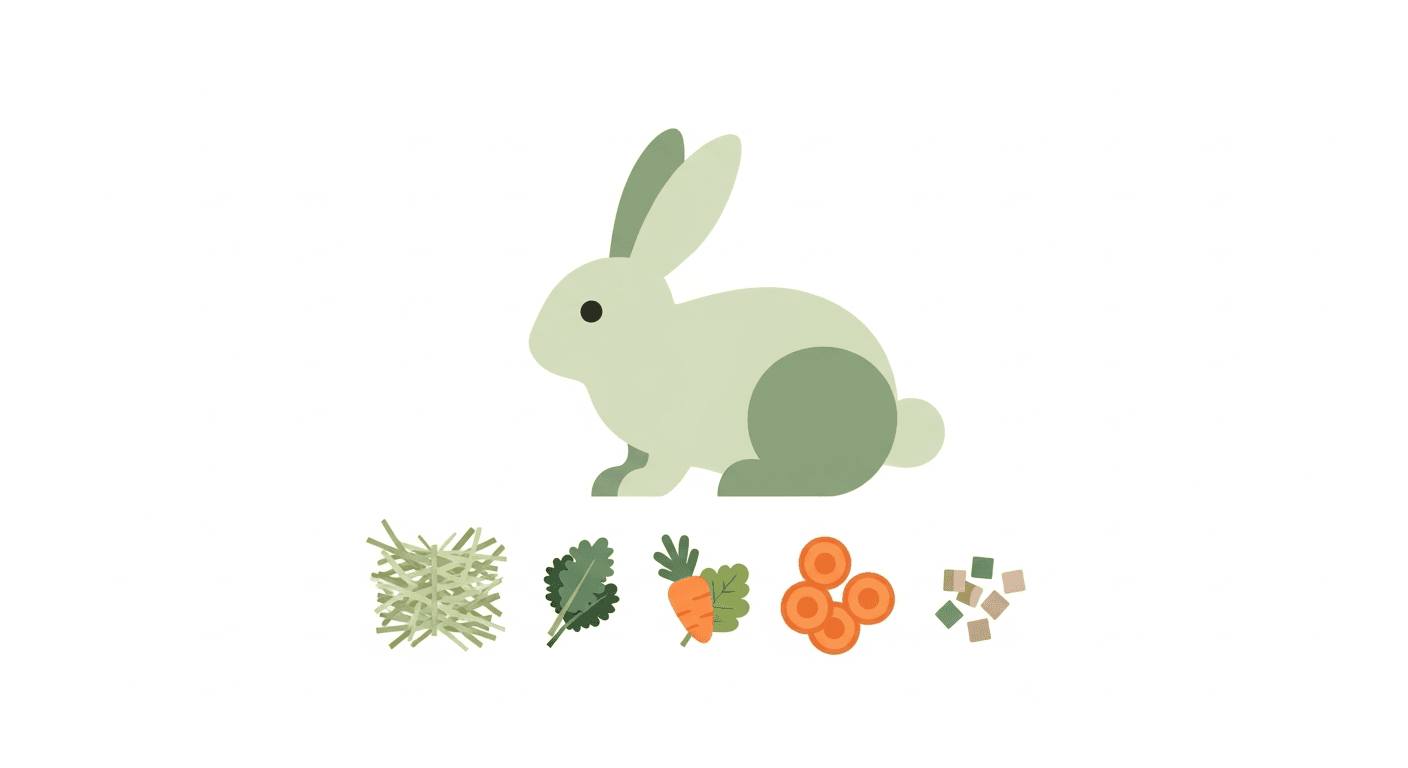
Complete Rabbit Diet Guide: Hay, Vegetables, and What to Avoid
The right diet is the foundation of rabbit health. Learn the correct proportions of hay, greens, and pellets — and which common foods are dangerous for rabbits.
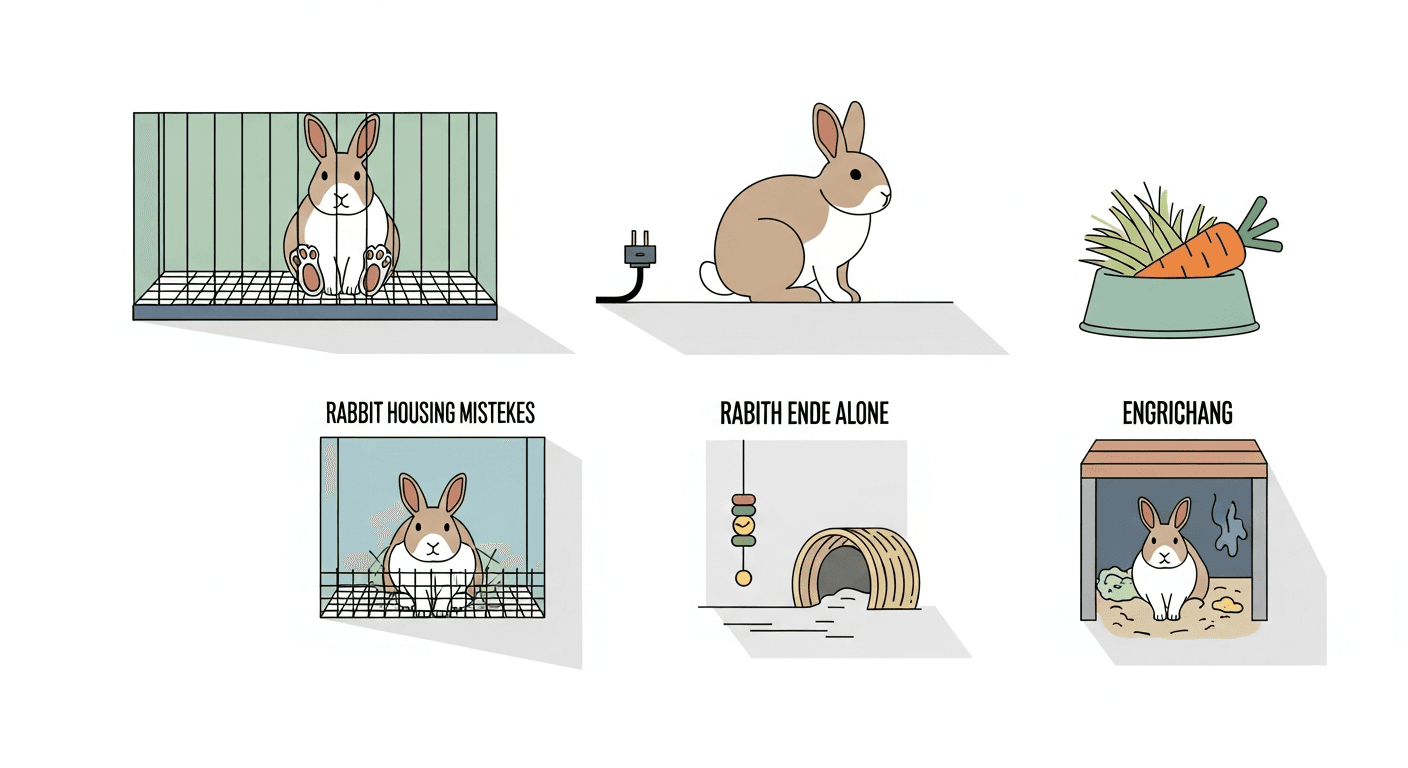
Common Rabbit Housing Mistakes That Harm Health
Many popular rabbit enclosures sold in pet stores are actually harmful. Learn what space, flooring, temperature, and social needs rabbits truly require.
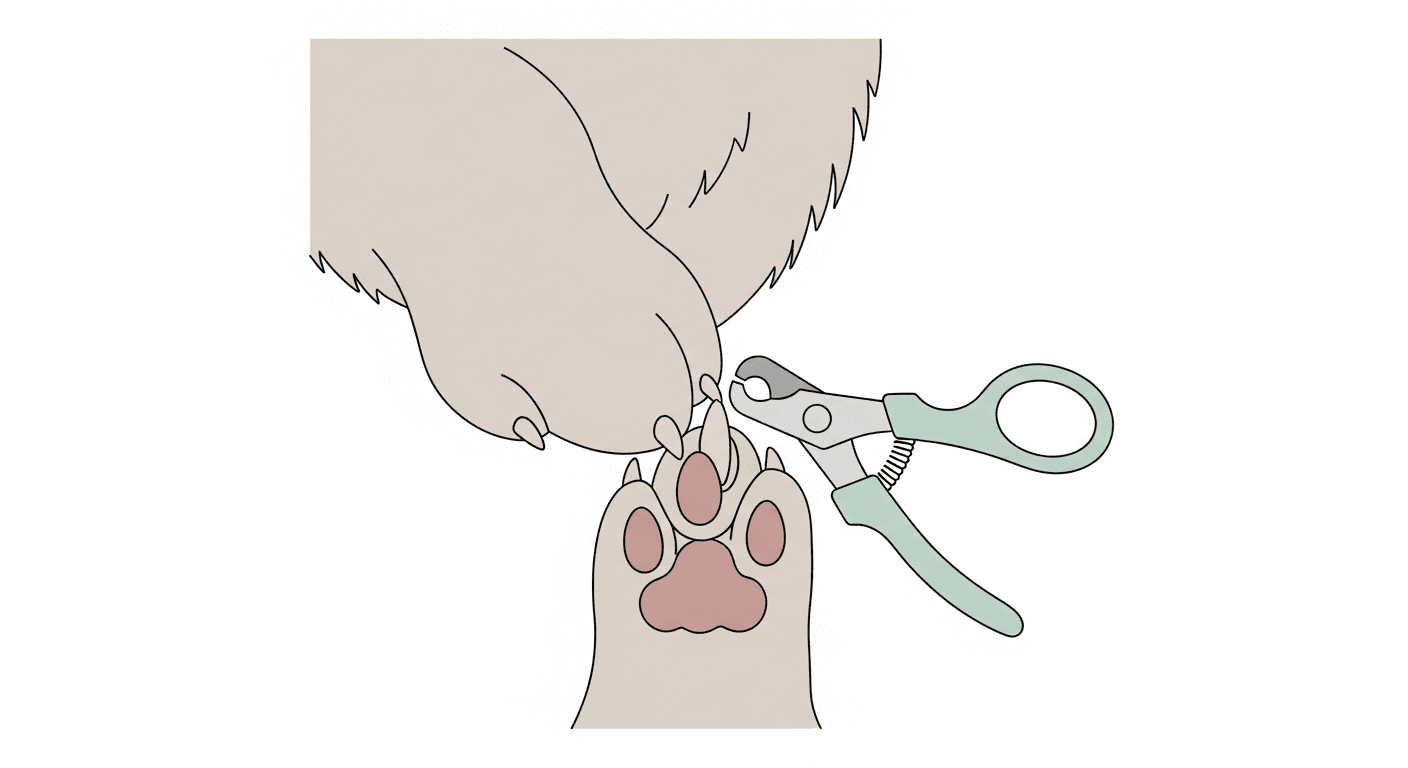
How to Trim Rabbit Nails Safely
Overgrown rabbit nails cause pain and postural problems. Learn the proper technique, how to avoid the quick, and when to ask for professional help.
Rabbit Breathing Fast or Labored: Emergency Signs
Abnormal breathing in rabbits — fast, effortful, or open-mouth — is always an emergency. Learn the causes and how to act quickly.
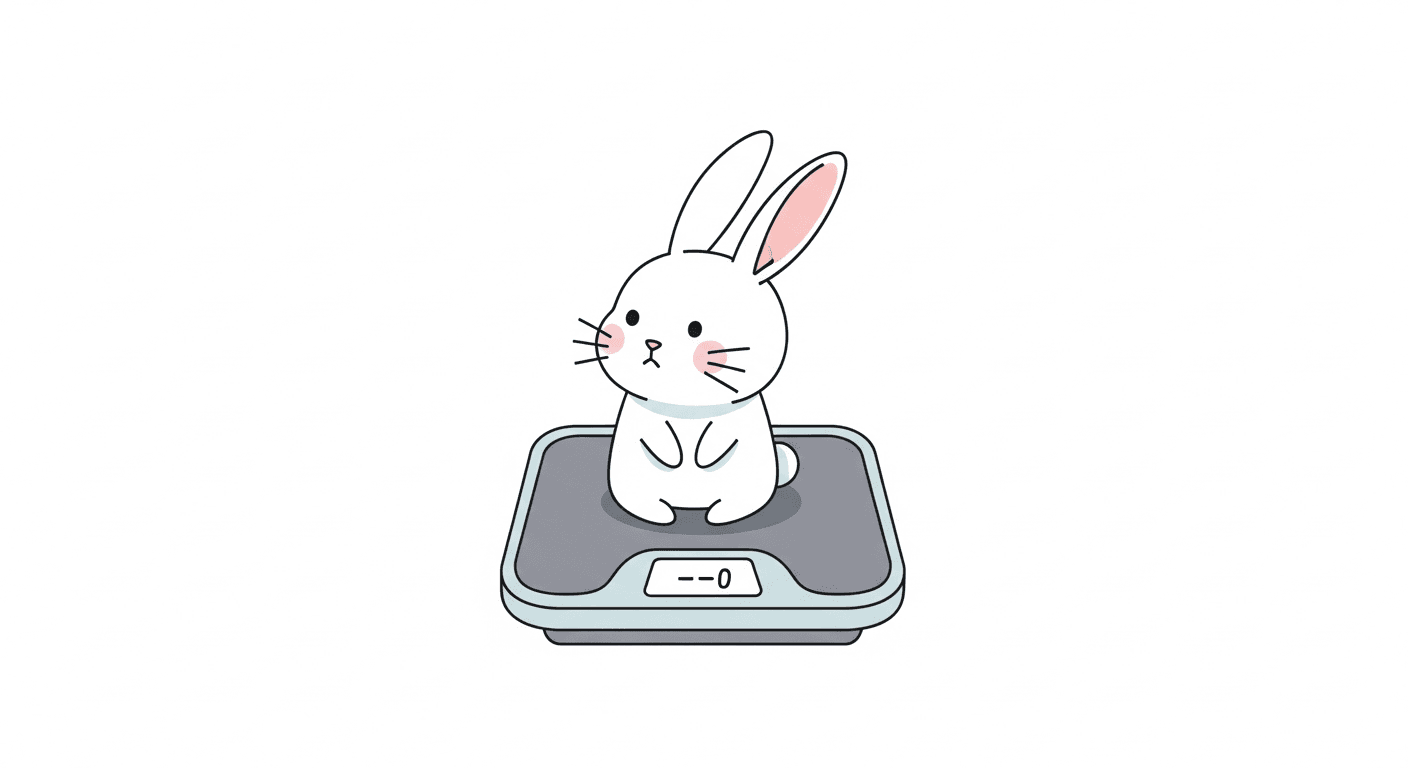
Rabbit Weight Loss: When to Be Concerned
Weight loss in rabbits often signals dental disease, GI problems, or systemic illness. Learn how to monitor weight and respond to unexpected loss.
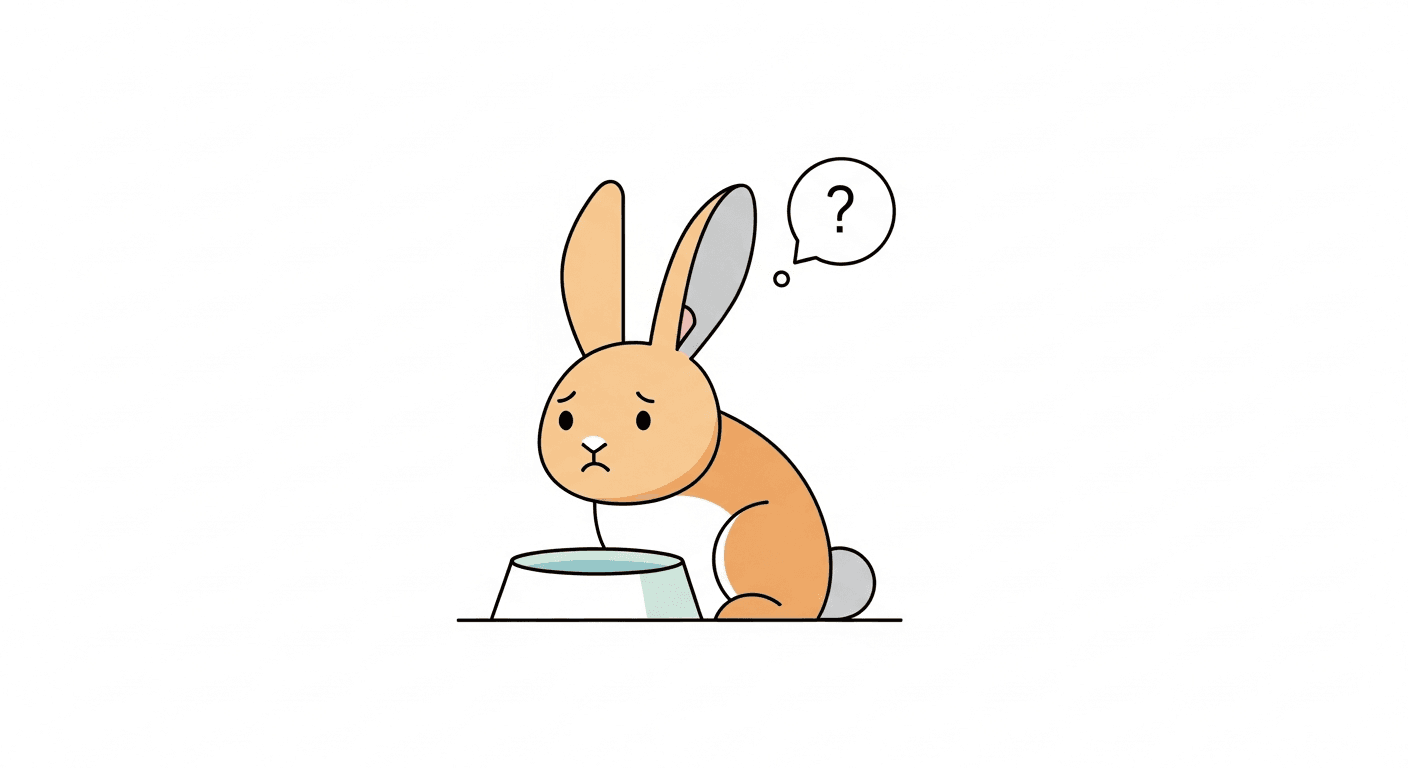
Rabbit Not Drinking Water: Causes and Hydration Tips
Dehydration in rabbits accelerates GI stasis and kidney stress. Learn why rabbits sometimes refuse water and how to ensure adequate hydration.
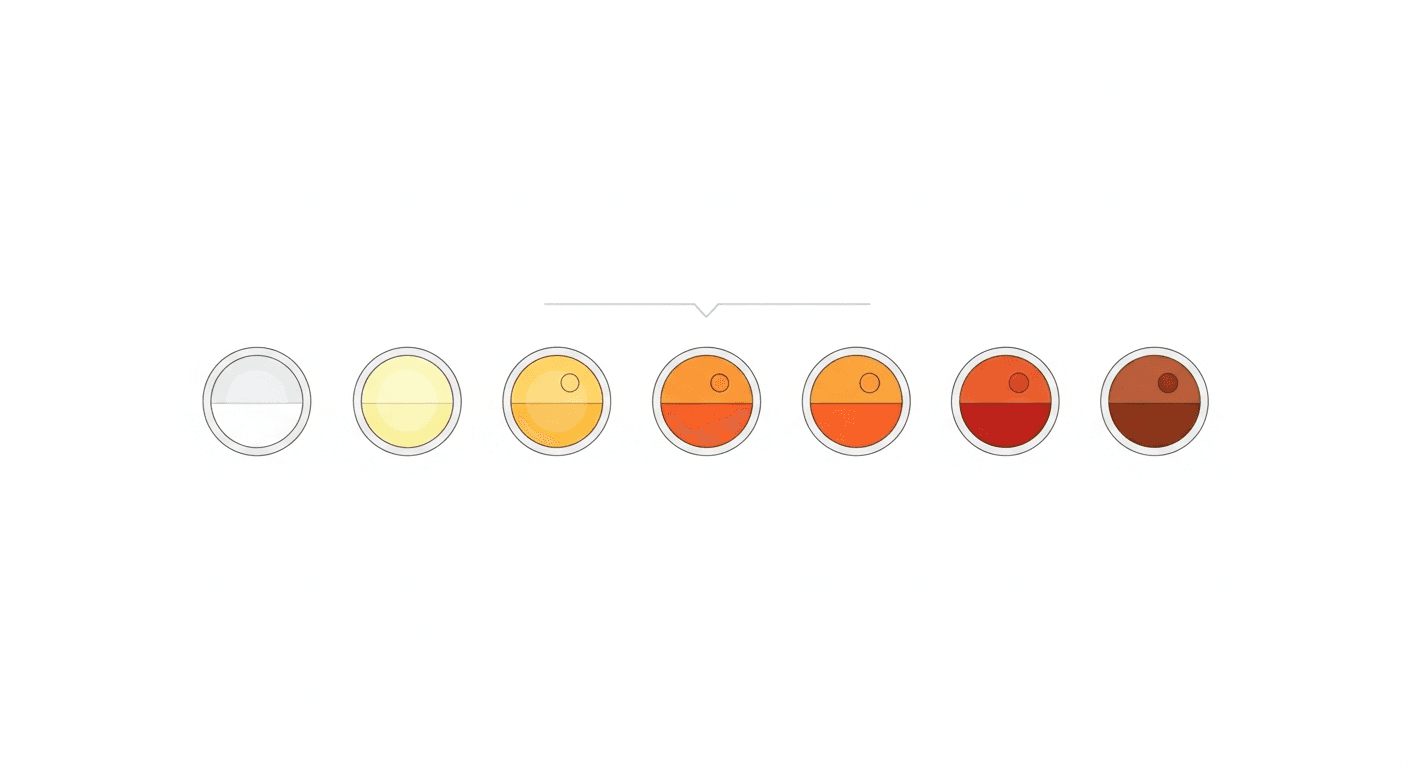
Rabbit Urine Color Guide: What's Normal and What's Not
Rabbit urine naturally varies widely in color — from pale yellow to deep orange-red. Learn what's normal pigmentation versus genuine blood in the urine.
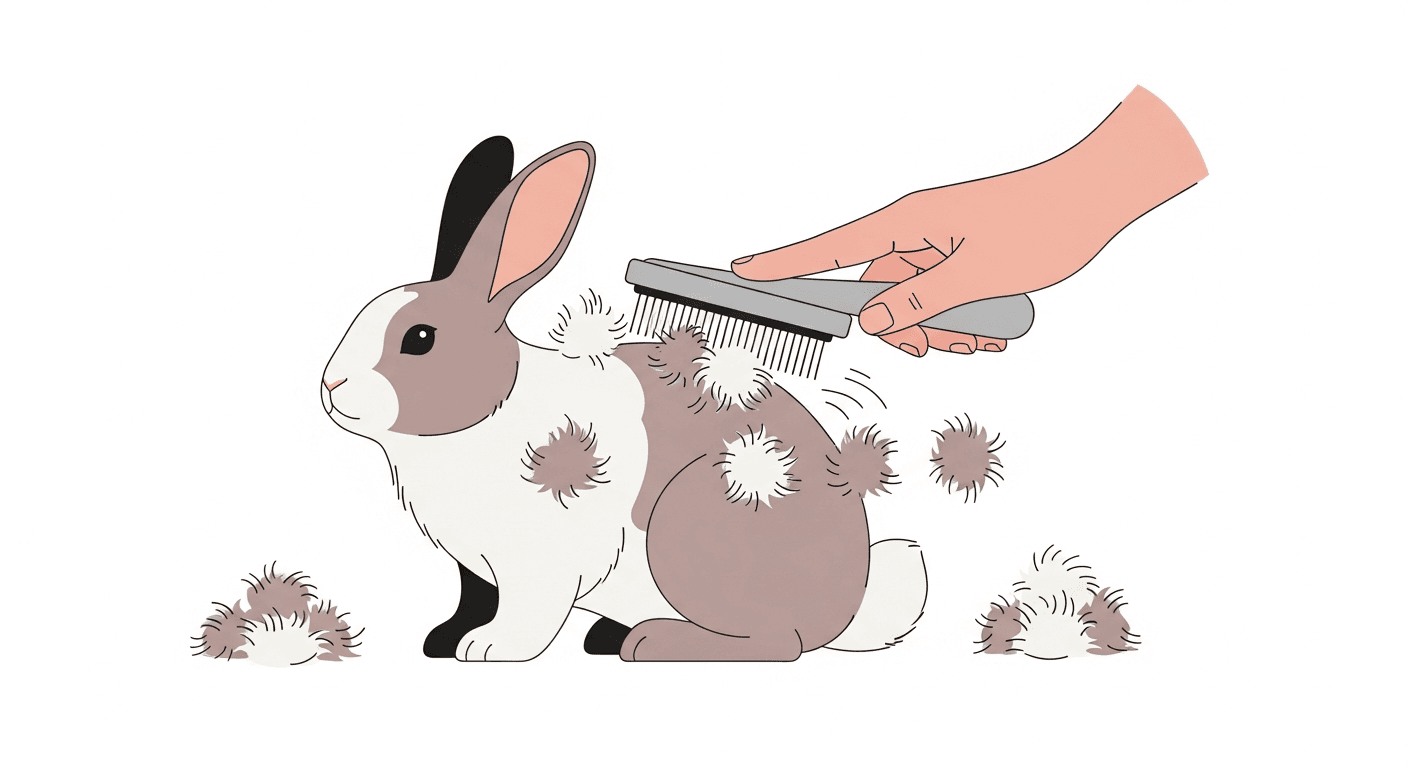
Rabbit Shedding and Grooming: Preventing Hairballs and Skin Problems
Unlike cats, rabbits cannot vomit — so swallowed fur is a serious risk. Learn how to manage molting safely and maintain coat health throughout the year.
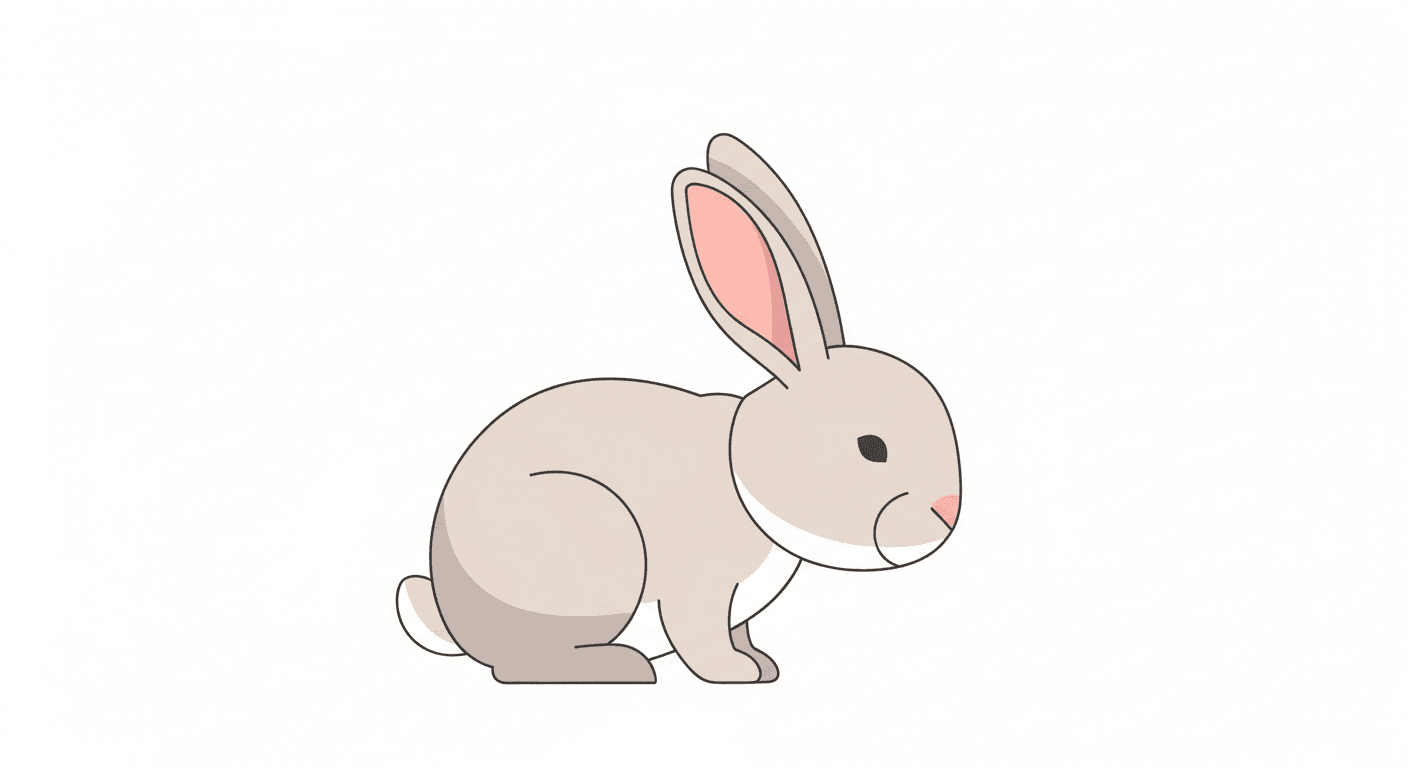
Rabbit Head Tilt: E. cuniculi and Inner Ear Disease
Head tilt in rabbits is often sudden and alarming. Learn the two most common causes — Encephalitozoon cuniculi and Pasteurella — and how each is managed.
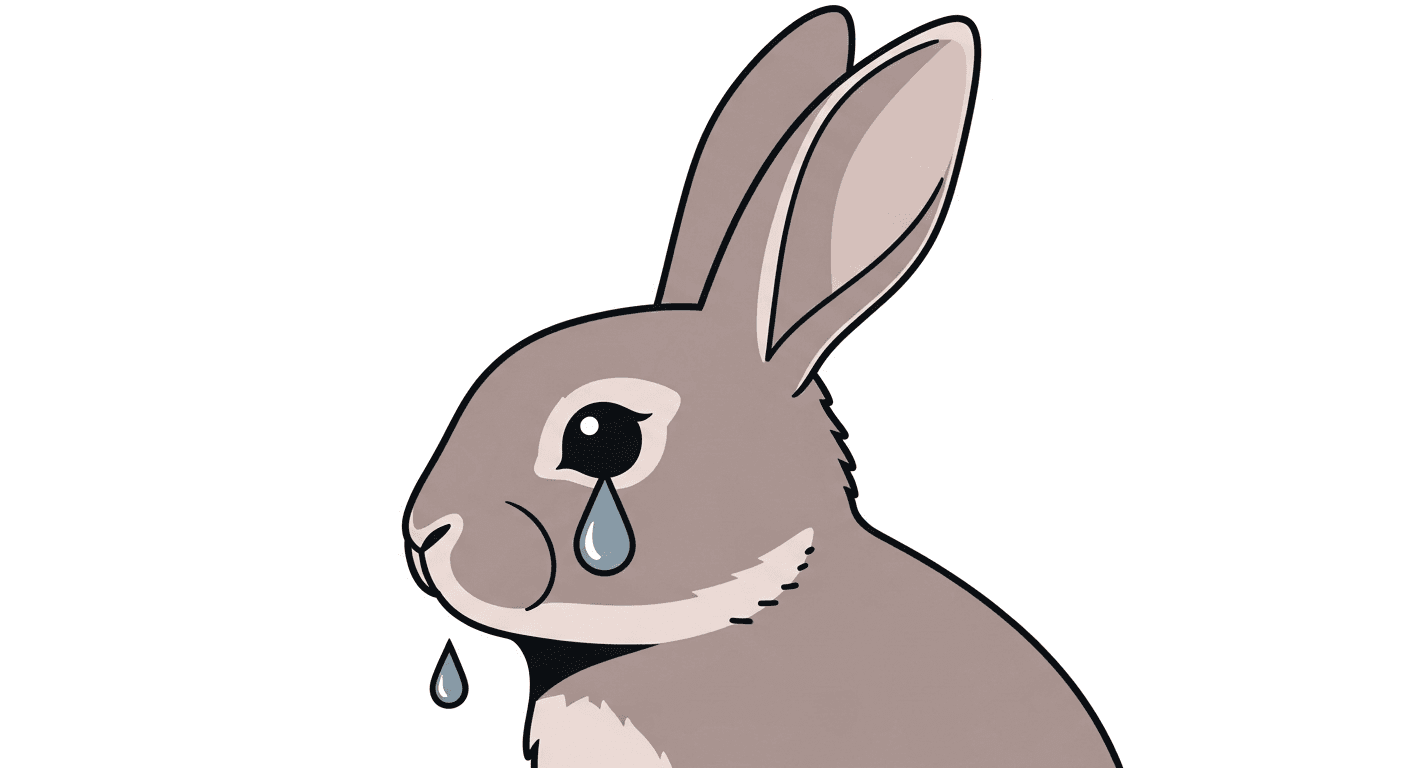
Rabbit Runny Eyes: Causes from Tear Ducts to Dental Disease
Eye discharge in rabbits can come from the eye itself, a blocked tear duct, or surprisingly — a dental tooth root problem. Learn the causes and treatment.
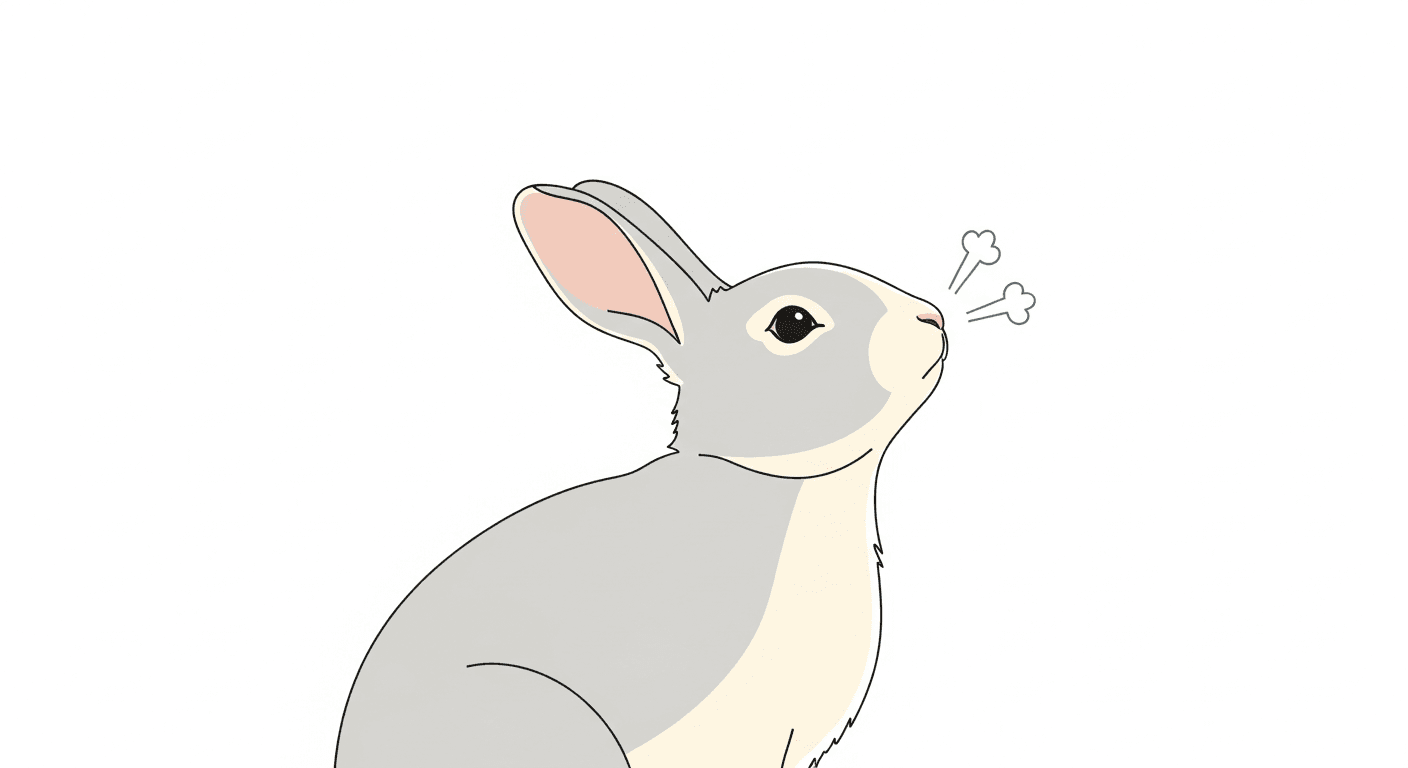
Rabbit Sneezing: Pasteurellosis and Other Respiratory Causes
Sneezing in rabbits can be dust-related and mild — or a sign of Pasteurella infection. Learn to tell the difference and when treatment is needed.
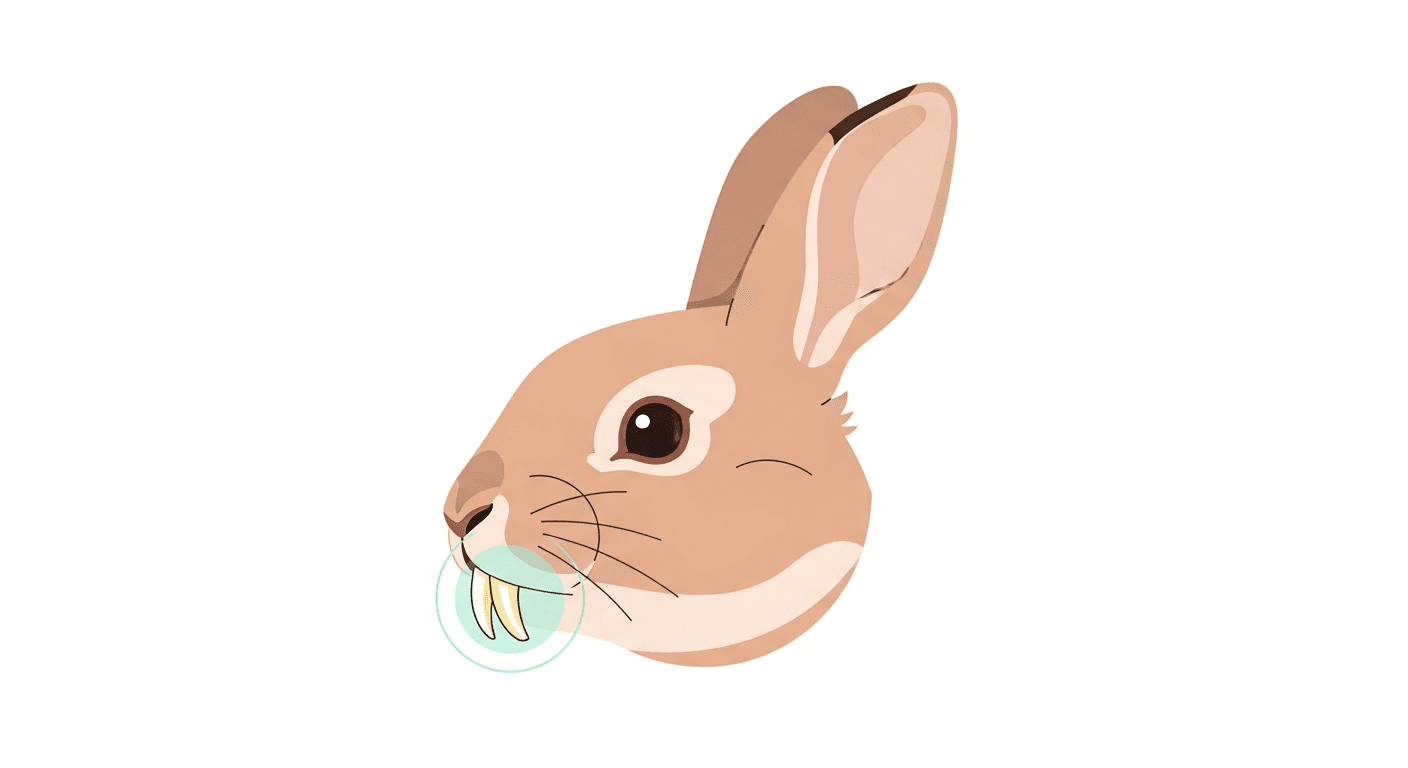
Overgrown Rabbit Incisors: Signs, Treatment, and Prevention
Overgrown front teeth are visible and painful. Learn what causes them, how they're treated, and whether extraction might be the best long-term solution.
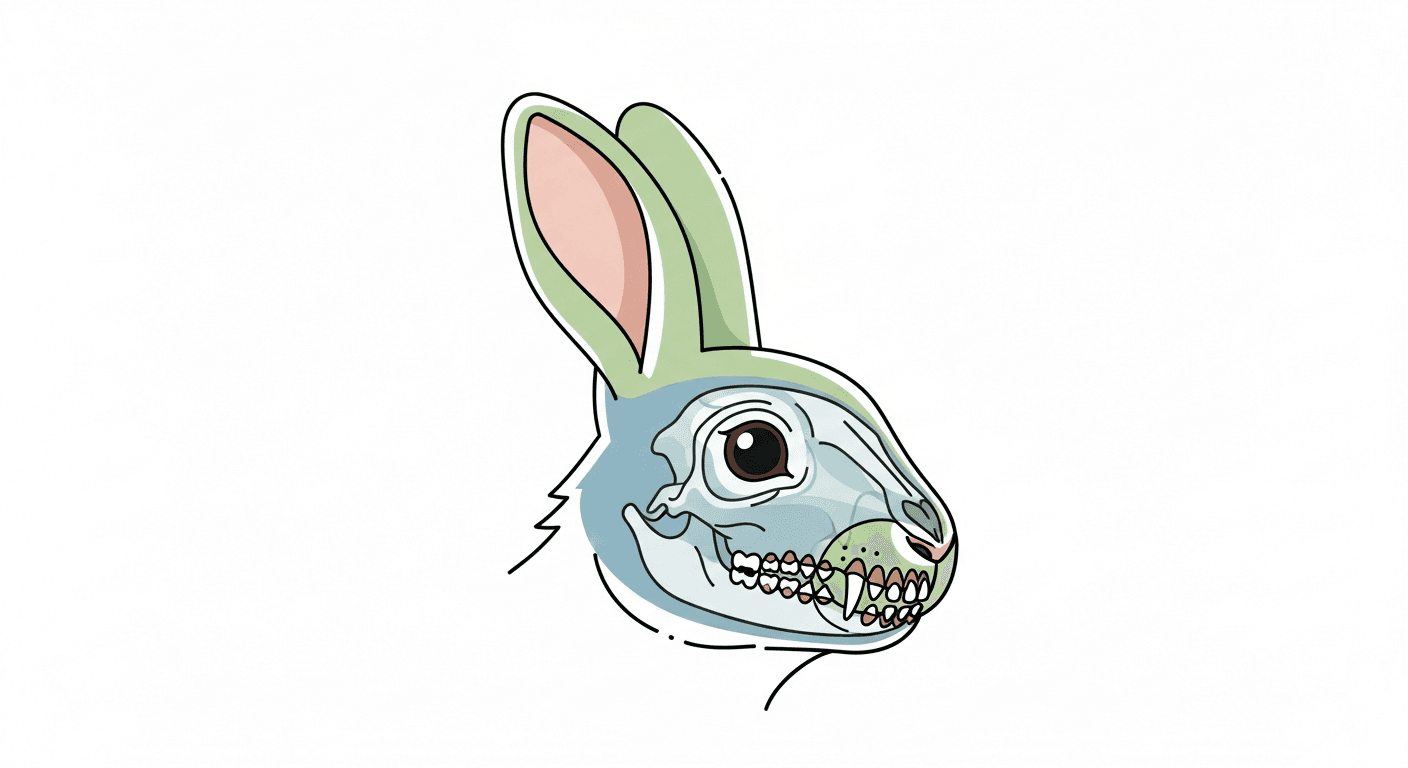
Rabbit Teeth Problems: Malocclusion, Spurs, and What to Do
Dental disease is the most common health problem in rabbits. Learn how teeth problems cause pain and what treatment looks like.
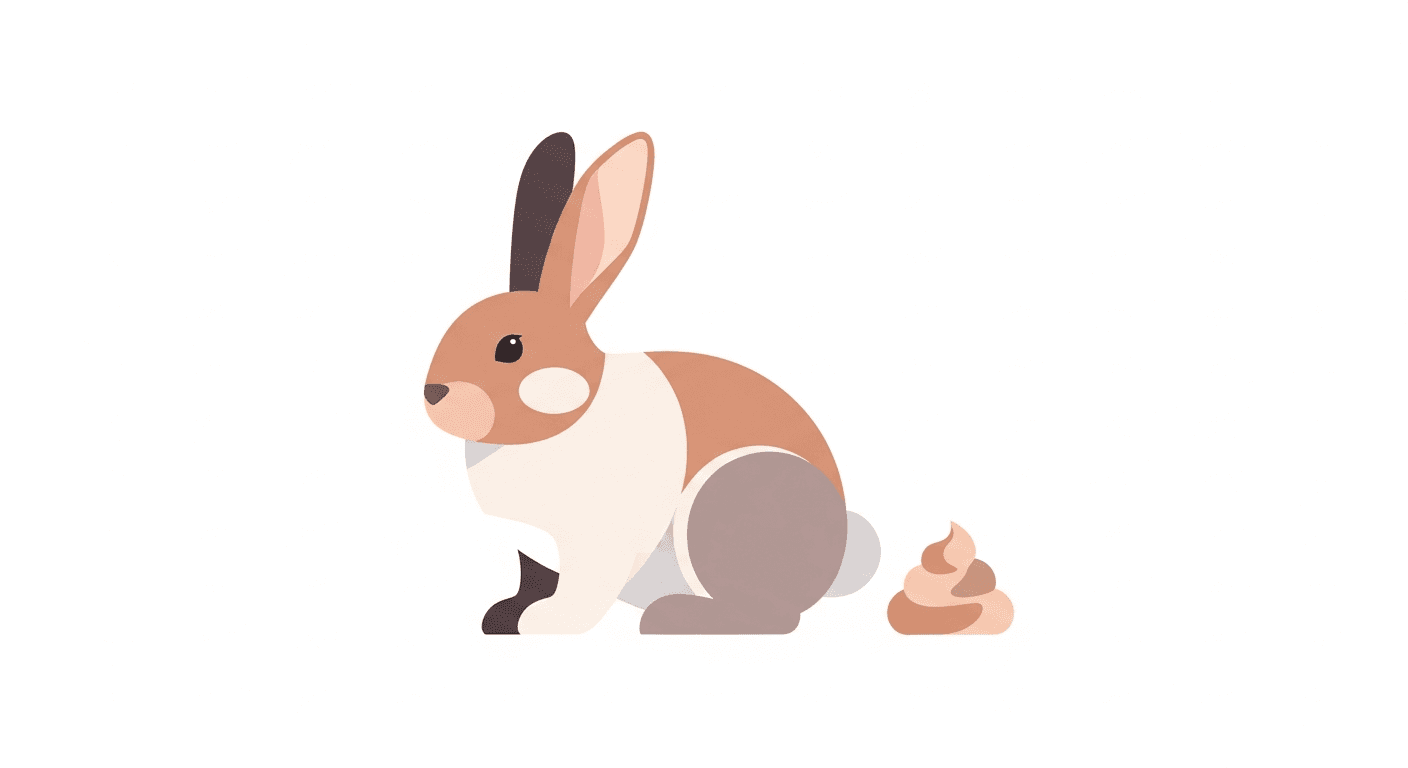
Why Is My Rabbit Leaving Soft Poop? Cecotrope Issues Explained
Soft cecotropes left in the litter box instead of eaten are a sign of dietary imbalance. Learn what causes it and how to correct the problem.
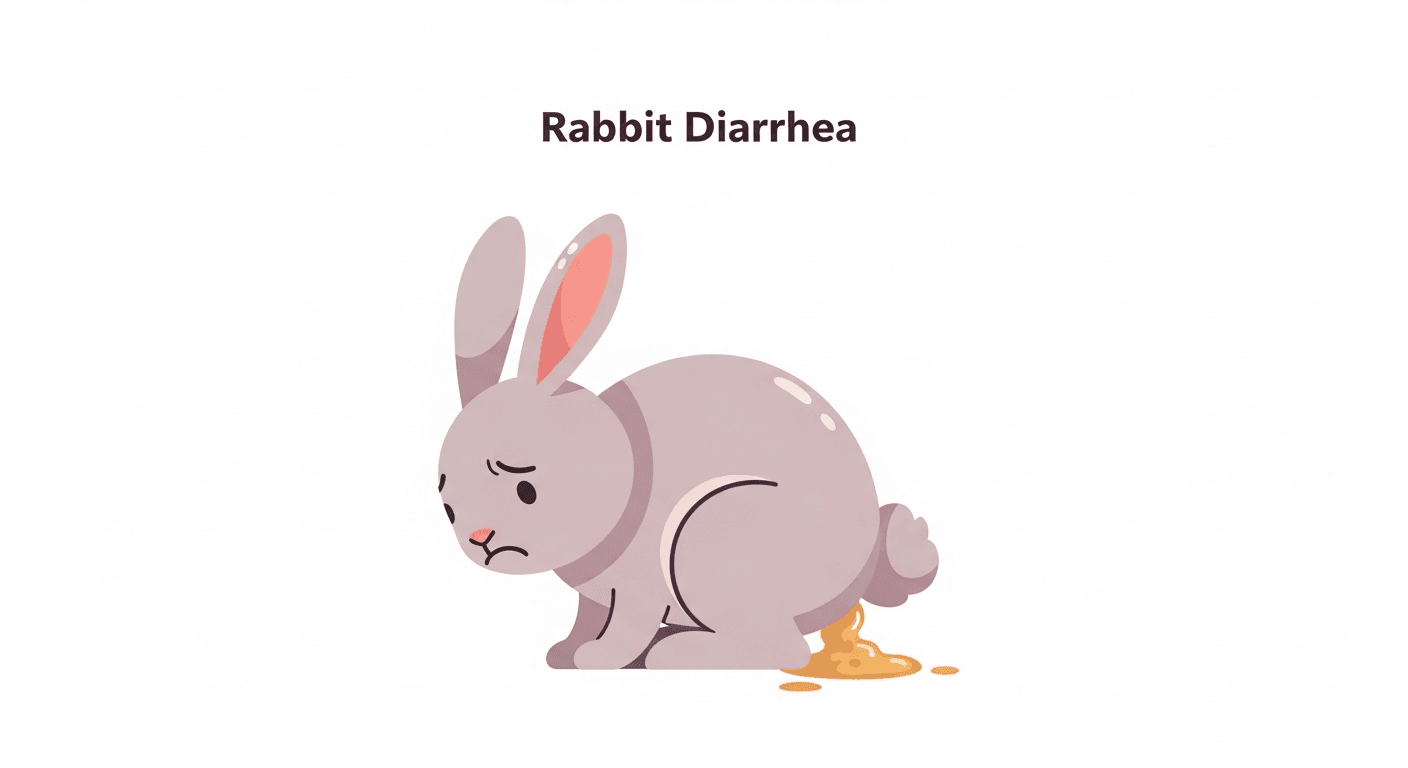
Rabbit Diarrhea vs. Soft Cecotropes: Know the Difference
True diarrhea in rabbits is a medical emergency. Learn to distinguish it from normal cecotropes and understand what genuine diarrhea means for rabbit health.
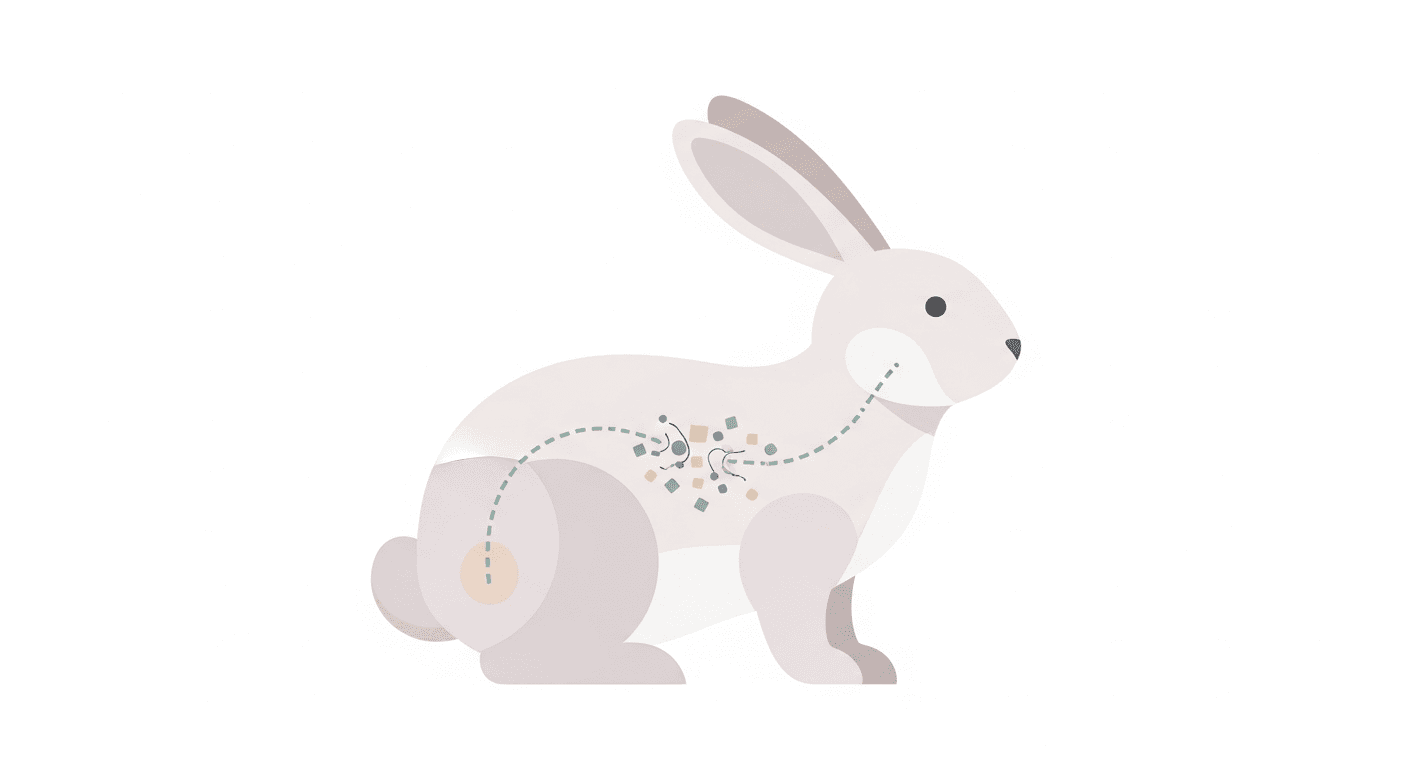
GI Stasis in Rabbits: What Every Owner Must Know
GI stasis kills rabbits within 24–48 hours if untreated. Learn to recognize the early signs, what causes it, and how treatment works.
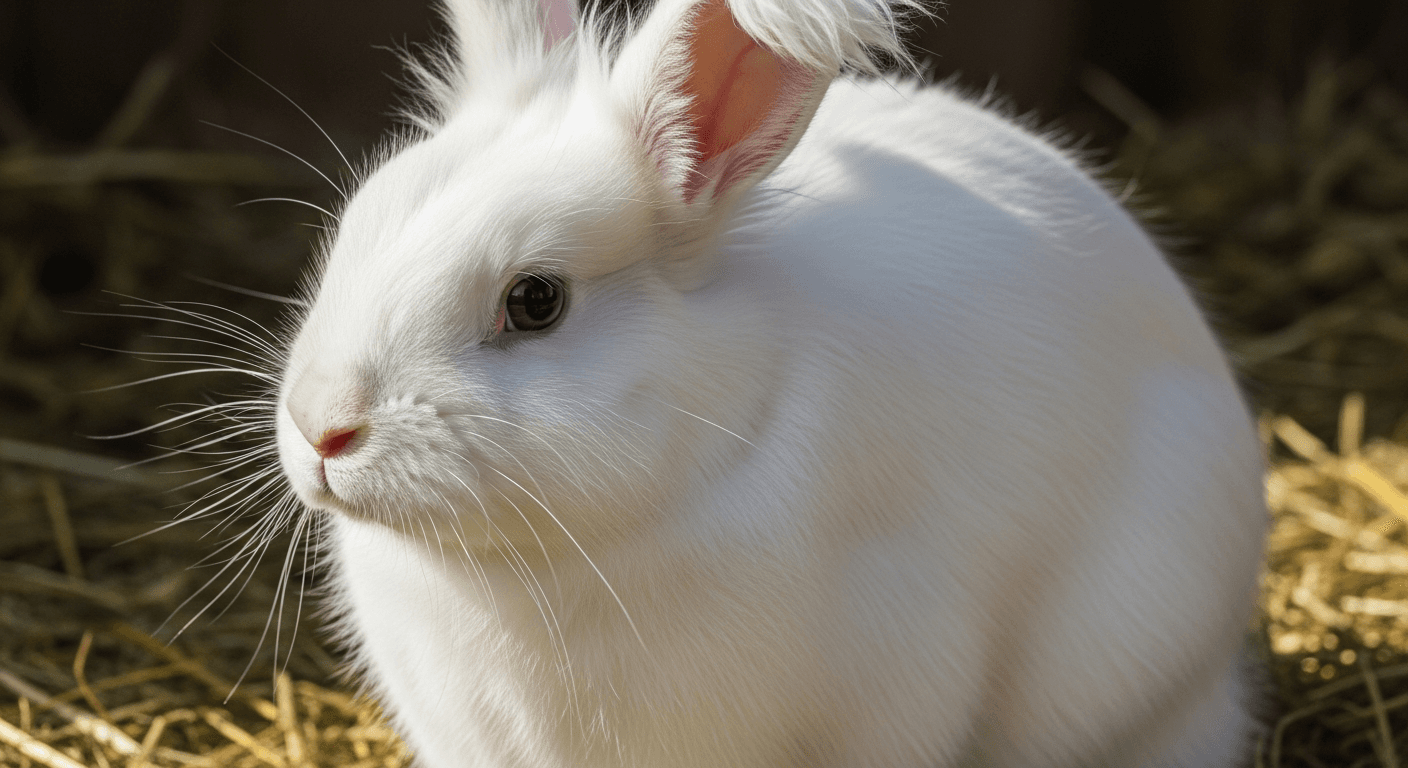
Rabbit Not Eating: Why It's Always Serious
Rabbits that stop eating for even a few hours can develop life-threatening GI stasis. Learn to recognize early warning signs and when to act.