
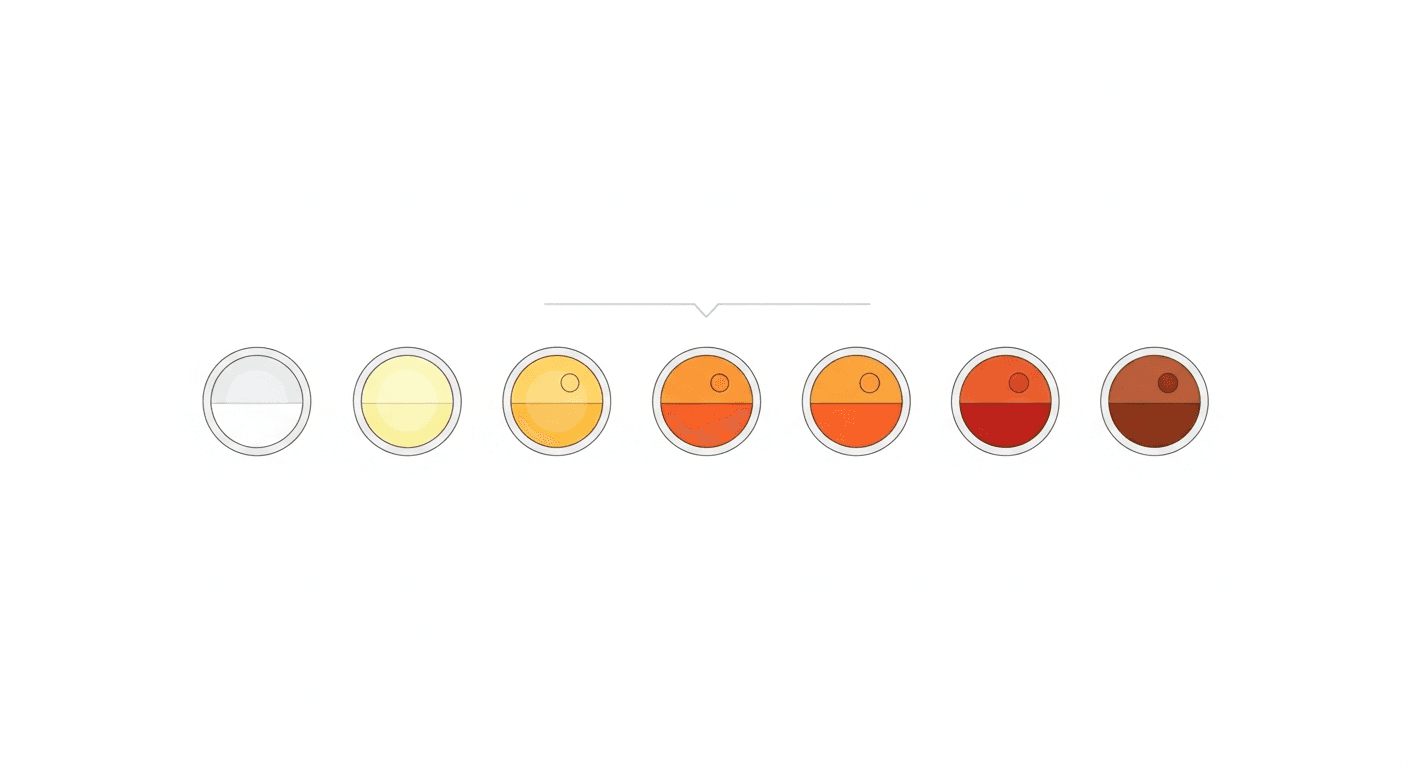
Understanding Rabbit Urine
Rabbit urine naturally ranges from pale yellow through orange, and sometimes deep red-brown — without any blood being present. This color variation comes from plant pigments (porphyrins) in the diet, which are excreted in the urine. Orange or red urine after eating certain vegetables (dandelion, parsley, some herbs) is completely normal and alarms many new rabbit owners unnecessarily. True blood in the urine (hematuria) appears differently — it's often a darker, brighter red and may contain visible clots, and is usually accompanied by other symptoms.
First 3 Steps When You Notice Unusual Urine Color
- Check diet for plant pigment sources: Did the rabbit eat dandelion leaves, certain berries, or red-pigmented vegetables in the past 24–48 hours? Pigment-related color change typically resolves within 24–48 hours without any dietary change.
- Check for other symptoms: True urinary bleeding is almost always accompanied by other signs — straining to urinate, frequent small urinations, visible clots, or lethargy. Urine that changes color alone is much more likely dietary pigment.
- Use a white paper towel test: Place white paper towel in the litter box. Orange or yellow staining that blurs into the towel is pigment. A reddish stain with clear borders that remains red when dried is more concerning for blood.
When to Go to the Vet Immediately
- Red or dark urine in an unspayed female rabbit — uterine disease is very common and causes hemorrhage into the urine
- Straining to urinate alongside any color change
- Persistent red urine not linked to dietary change
- Any rabbit with decreased urination or apparent pain
Follow-Up Care Checklist
- Spay all female rabbits — uterine cancer occurs in up to 80% of unspayed females over age 5 and is often detected when blood appears in urine
- Ensure constant access to fresh water — concentrated urine is more likely to cause urinary sludge and crystals
Track Urine Observations with TailRounds
Log urine color changes, correlating with dietary changes, in the TailRounds Daily Log. This timeline helps distinguish dietary pigment from true hematuria.
Book a Vet Appointment
Any unspayed female rabbit with red urine should be evaluated promptly. Book at Happy Paws for urinalysis and abdominal ultrasound.
Summary for Your Clinic Visit
Bring a fresh urine sample if possible, describe the color, note the rabbit's diet over the past 2–3 days, and tell your vet whether the rabbit is spayed and the rabbit's age.
Continue Reading
 🐇 Rabbit Health
Rabbit Not Drinking Water: Causes and Hydration Tips
Dehydration in rabbits accelerates GI stasis and kidney stress. Learn why rabbits sometimes refuse water and how to ensure adequate hydration.
 🐇 Rabbit Health
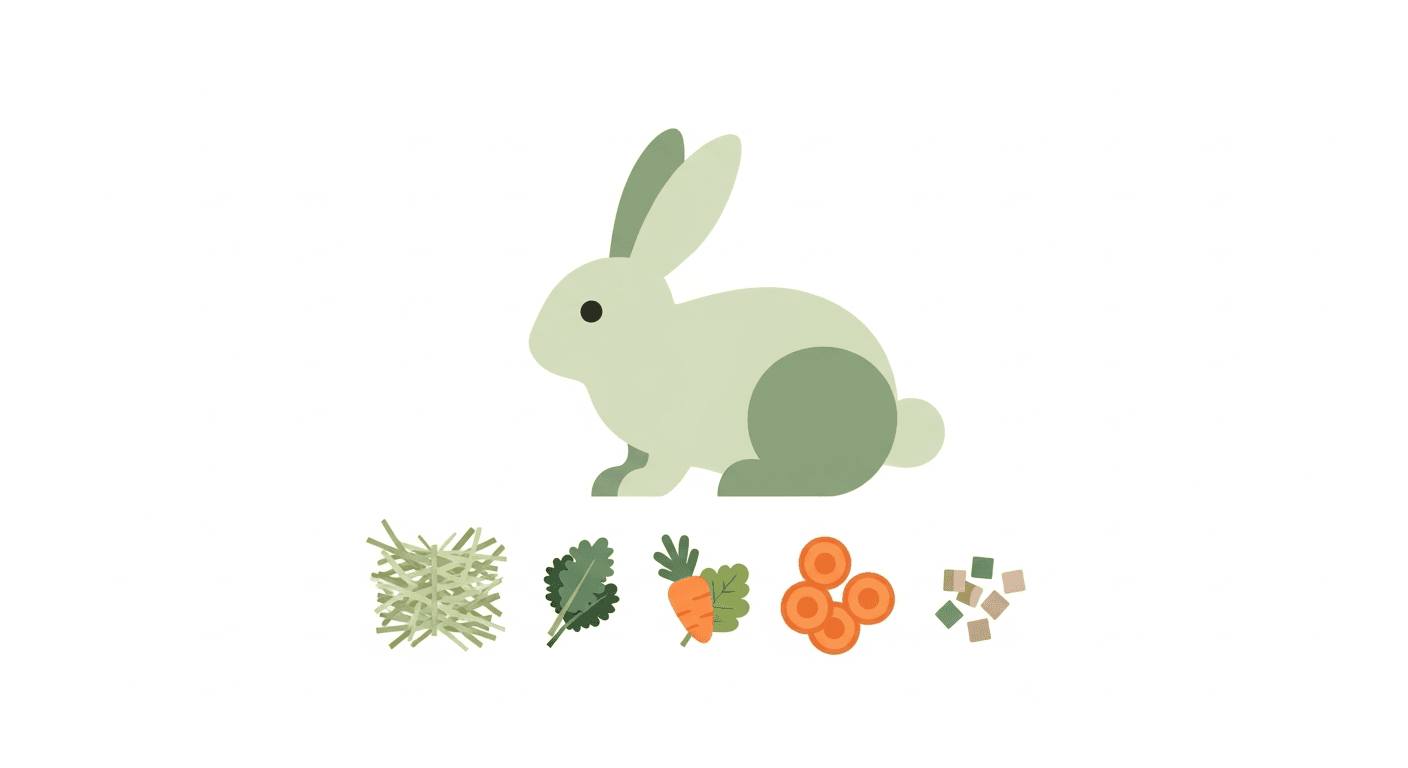
Complete Rabbit Diet Guide: Hay, Vegetables, and What to Avoid
The right diet is the foundation of rabbit health. Learn the correct proportions of hay, greens, and pellets — and which common foods are dangerous for rabbits.
 🐇 Rabbit Health
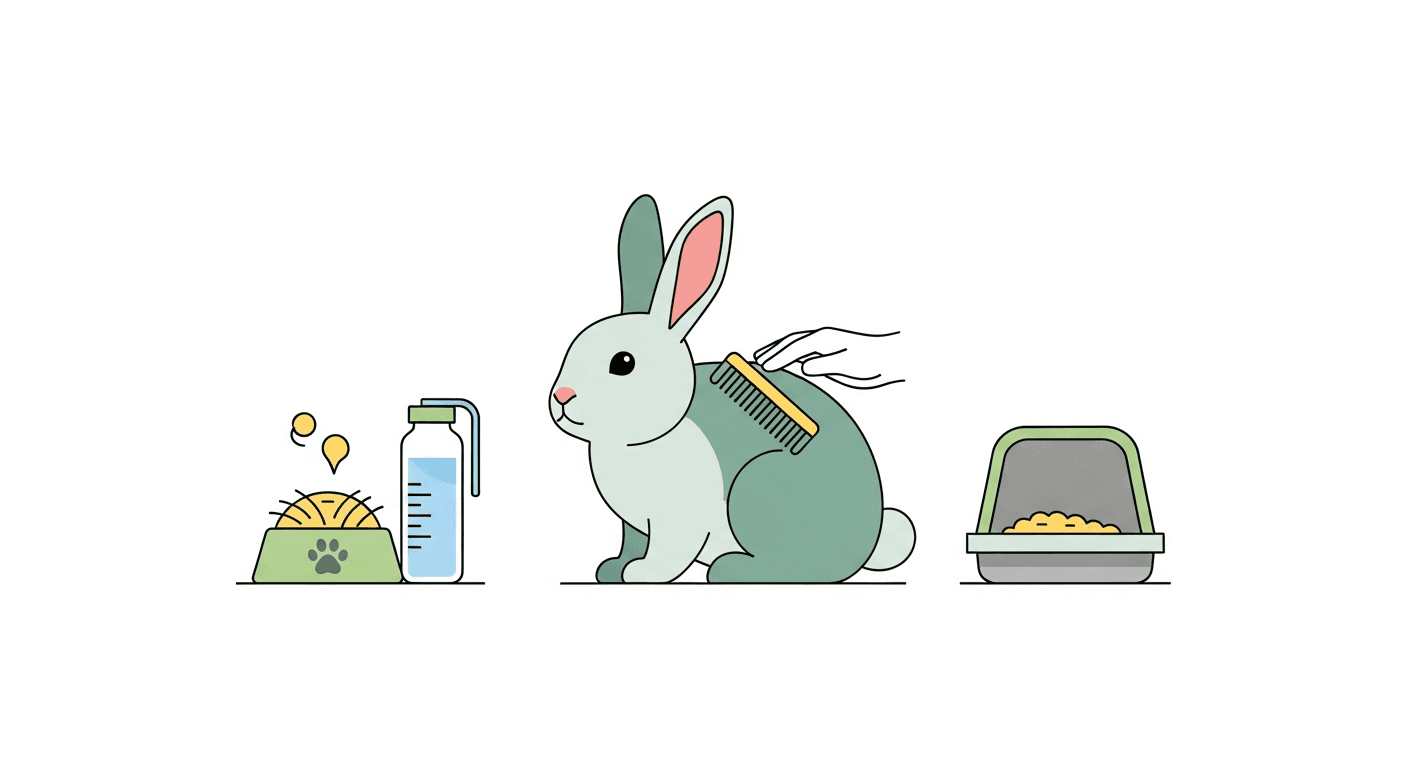
Daily Rabbit Care Routine: A Complete Health Checklist
A healthy rabbit requires daily observation and specific care tasks. This routine helps you catch health problems early and keep your rabbit thriving.
 🐇 Rabbit Health
GI Stasis in Rabbits: What Every Owner Must Know
GI stasis kills rabbits within 24–48 hours if untreated. Learn to recognize the early signs, what causes it, and how treatment works.