
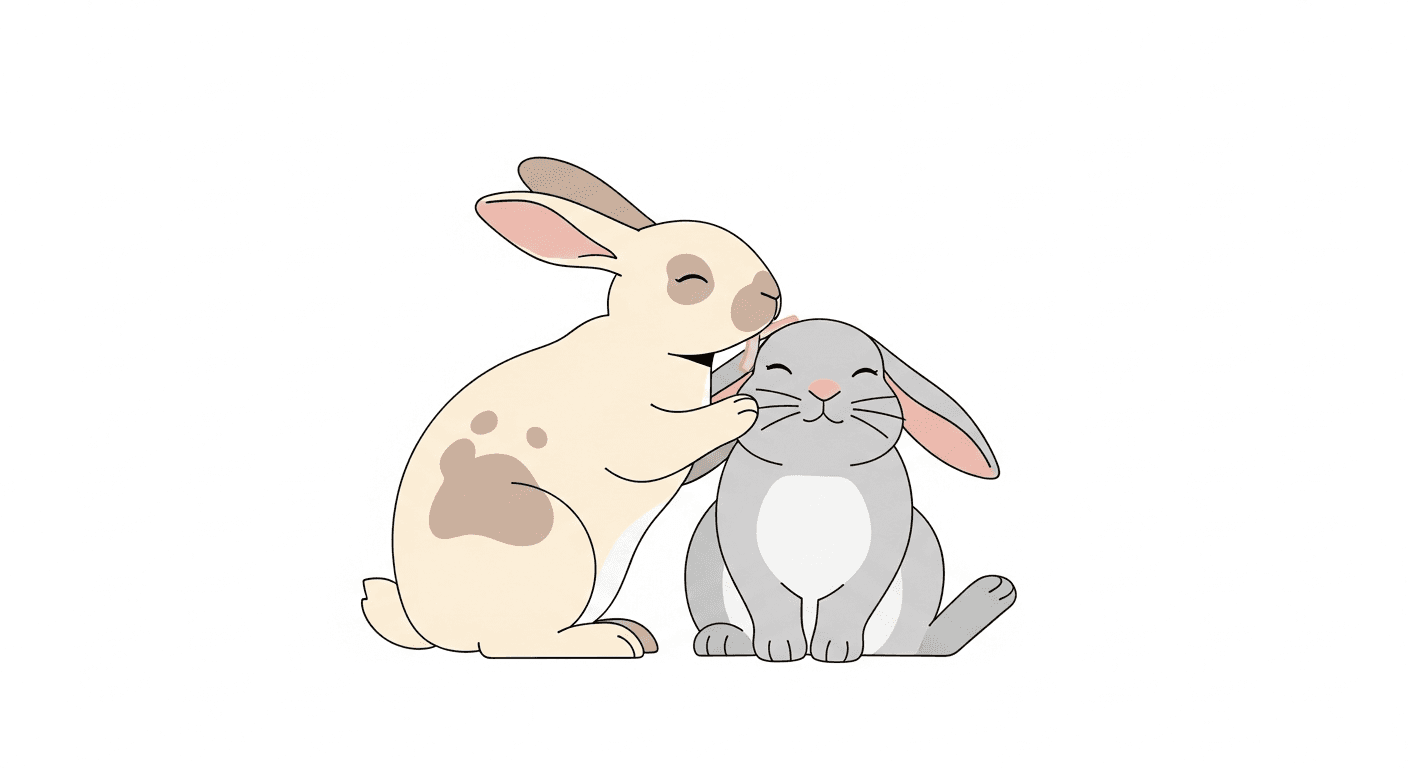
Why Bonding Rabbits Takes Time and Method
Rabbits are territorial animals, and introducing a stranger rabbit into an existing rabbit's territory can trigger serious, injury-causing fights. The bonding process — done correctly — takes 2–8 weeks of patient, structured sessions. Rushing the process almost always results in bite injuries and setbacks. The goal is to create a shared territory where both rabbits feel equally unfamiliar and therefore less defensive.
First 3 Steps to Begin Bonding
- Quarantine the new rabbit for 2 weeks: A new rabbit should be housed completely separately from the existing rabbit during a quarantine period. This allows health screening and prevents disease transmission before bonding begins.
- Start with scent swapping: Exchange bedding, toys, and food bowls between the two rabbits' living spaces. This allows scent familiarization before visual contact. Rabbits that have been scent-introduced bond more quickly than those meeting for the first time.
- Begin bonding sessions on neutral territory: Choose a space neither rabbit lives in (a bathroom, a pen set up in a different room). Both rabbits should be placed there simultaneously. Neutral territory reduces territorial behavior. Stay present and ready to intervene.
Managing Conflict During Bonding
- Mounting (humping) is normal and not a reason to separate — it establishes hierarchy
- Chasing is normal if the chased rabbit can escape and the chaser stops
- Nipping at fur is normal and establishes pecking order
- Biting hard enough to draw blood, sustained fighting, or screaming requires immediate separation
When to See the Vet
- Any bite wounds that break the skin — rabbit bites can be deep and abscess quickly
- A rabbit that is visibly stressed to the point of not eating during the bonding process
Follow-Up Care Checklist
- Once bonding is established, never separate the rabbits for more than a few minutes — re-bonding is often needed after separation
- Provide duplicates of all resources in the bonded pair's enclosure: two hay racks, two food bowls, two hiding spots
- Spay/neuter both rabbits before bonding — hormonal behavior significantly complicates the process
Track Bonding Progress with TailRounds
Log each bonding session's duration, behaviors observed, and outcome in the TailRounds Daily Log. This helps you see gradual progress and identify setbacks.
Book a Vet Appointment
Any bite wounds from bonding sessions need veterinary assessment. Book at Happy Paws for wound care and guidance on bonding progress.
Summary for Your Clinic Visit
Describe the bonding progress, any injuries, the rabbits' ages and sexes, whether they are spayed/neutered, and how long bonding has been in progress.
Continue Reading
 🐇 Rabbit Health
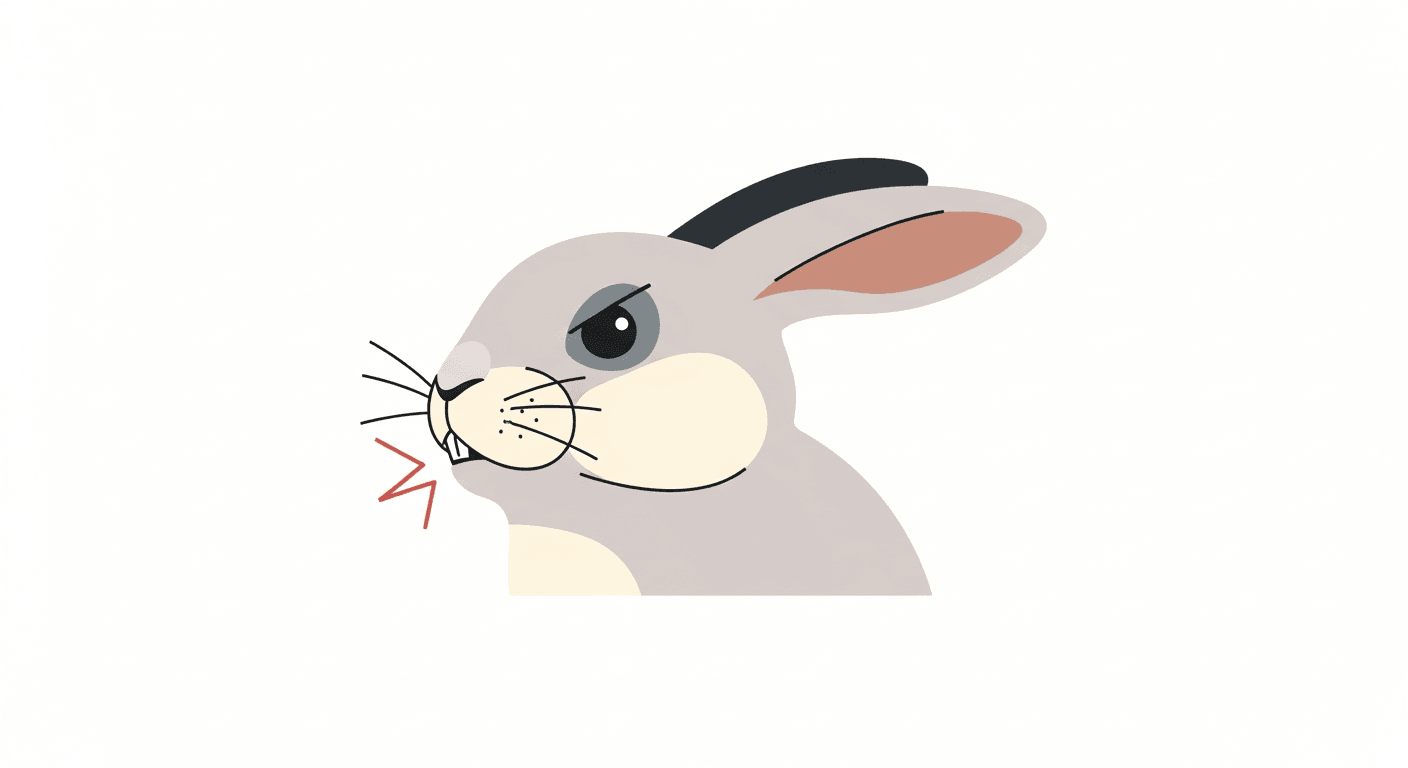
Why Does My Rabbit Bite? Understanding Rabbit Aggression
Rabbit biting can be hormonal, territorial, fear-based, or pain-related. Learn the causes and how to build a trusting relationship with an aggressive rabbit.
 🐇 Rabbit Health
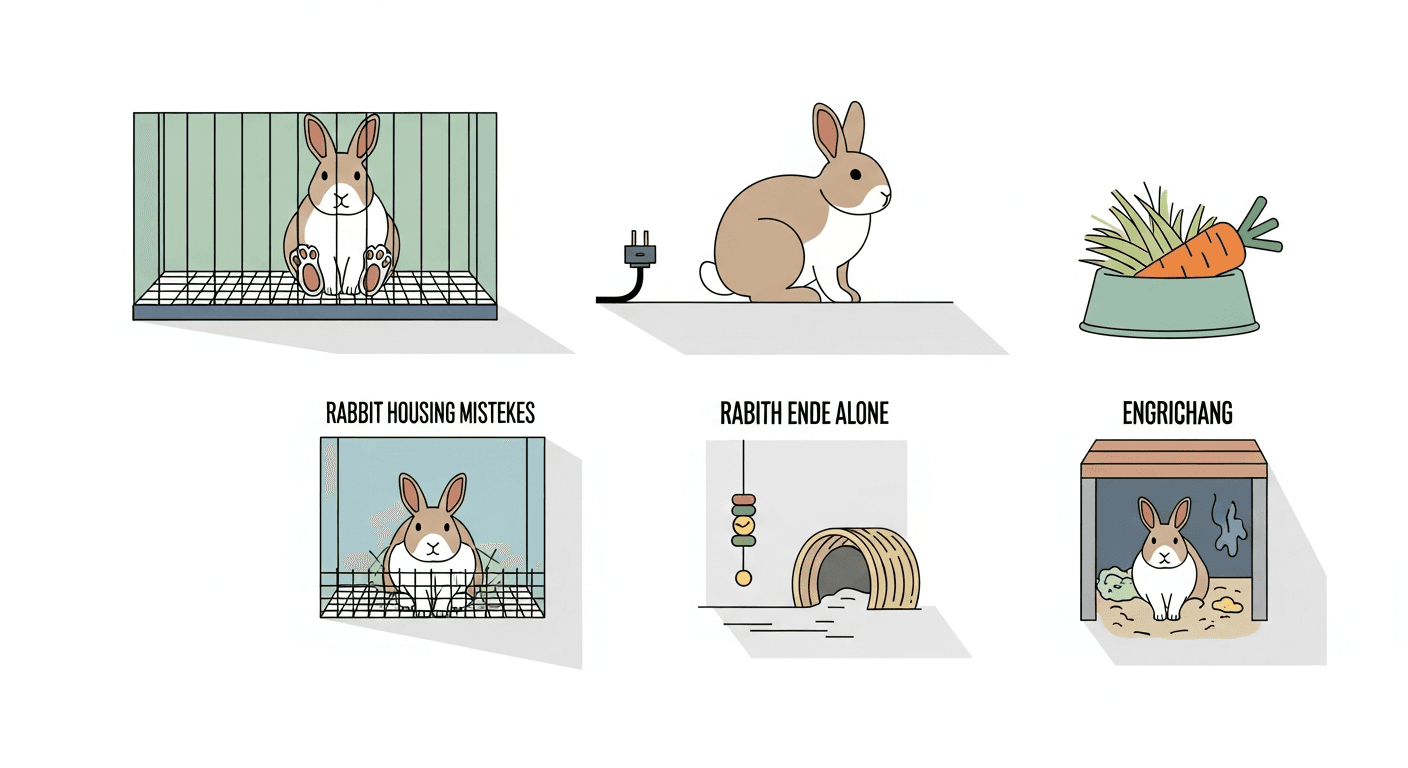
Common Rabbit Housing Mistakes That Harm Health
Many popular rabbit enclosures sold in pet stores are actually harmful. Learn what space, flooring, temperature, and social needs rabbits truly require.
 🐇 Rabbit Health
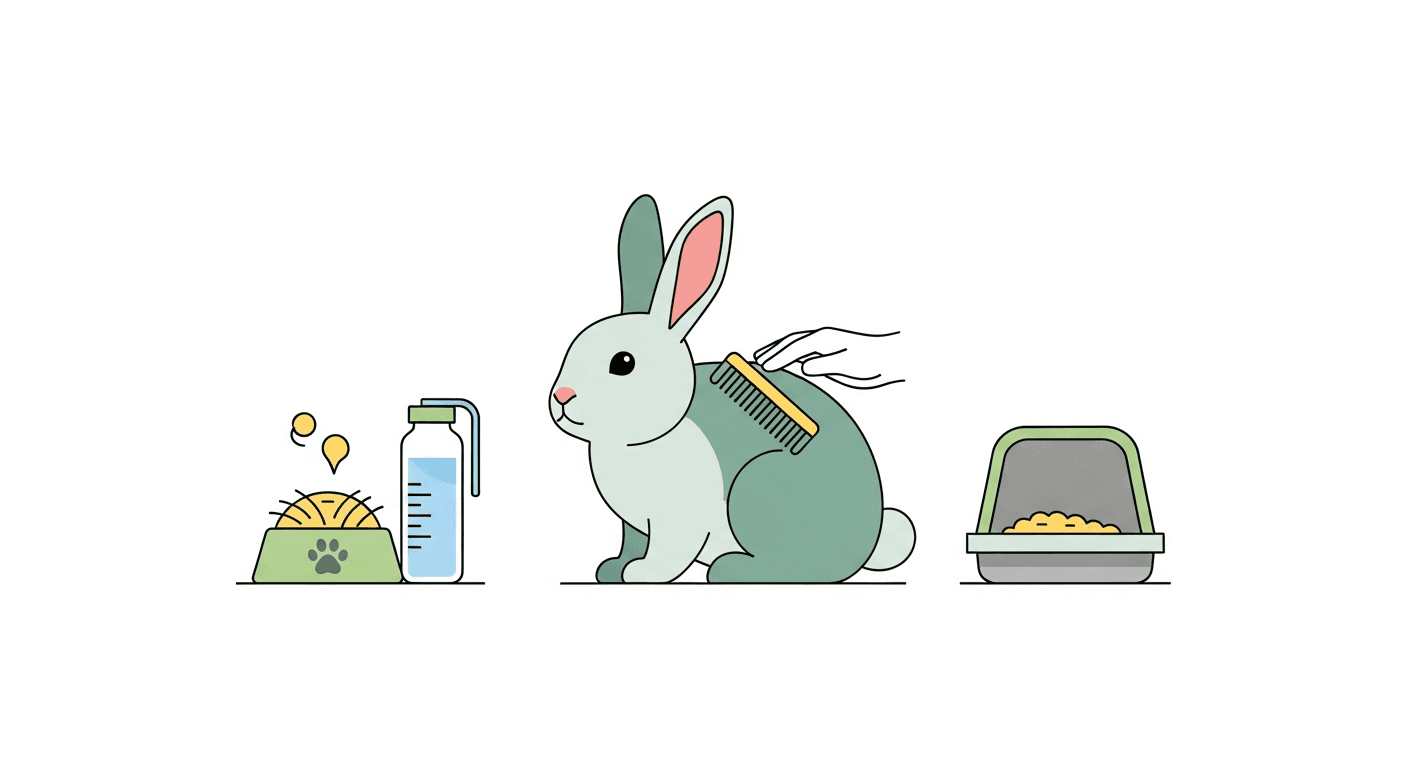
Daily Rabbit Care Routine: A Complete Health Checklist
A healthy rabbit requires daily observation and specific care tasks. This routine helps you catch health problems early and keep your rabbit thriving.