
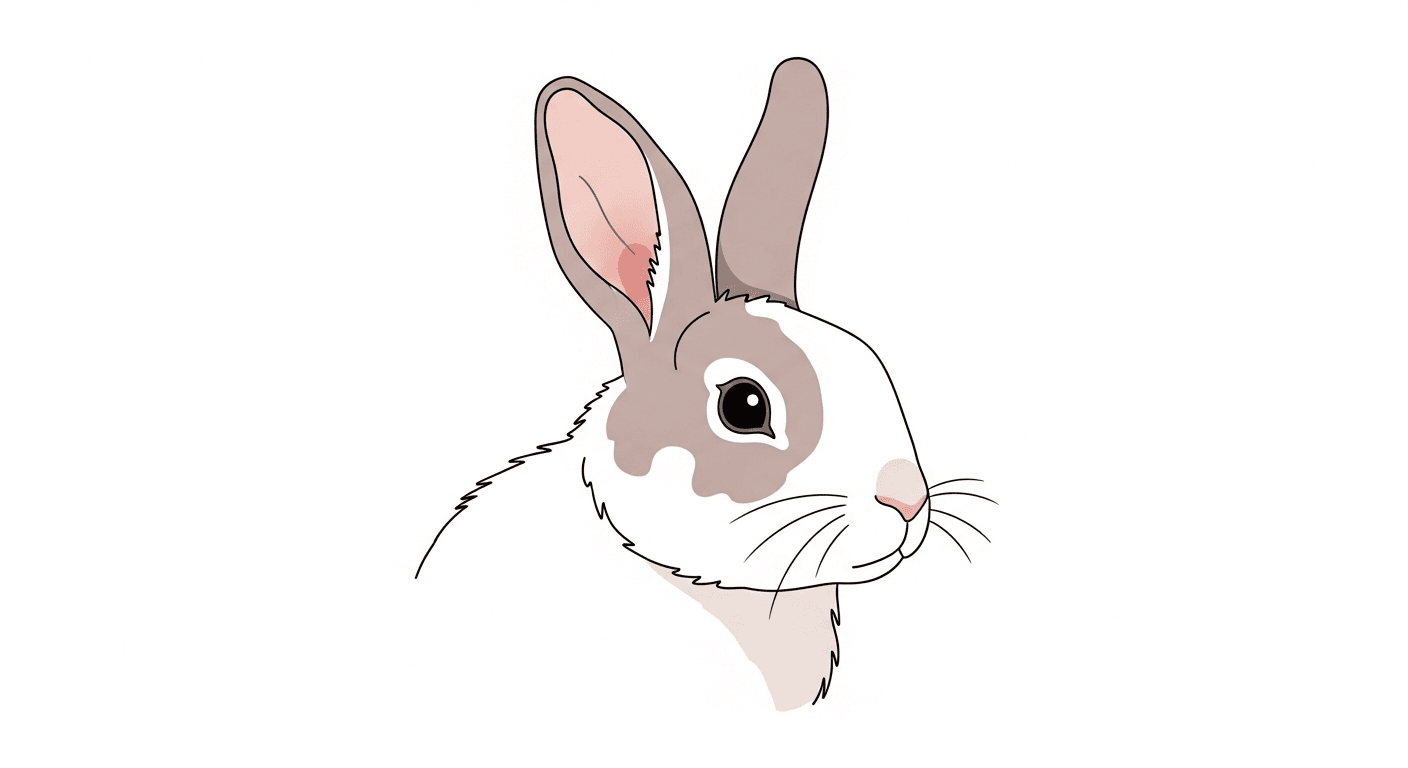
What Ear Problems Do Rabbits Get?
Rabbit ear problems range in severity from benign to life-altering. Small amounts of light-brown wax in the outer ear canal are normal. Problems arise with: Psoroptes cuniculi ear mites (causing thick, brown, crusty plaques that fill the ear canal — intensely itchy and painful), bacterial or yeast infections (usually secondary to mite damage or trauma), and in lop-eared breeds, narrow ear canal anatomy that predisposes to wax accumulation and infection.
First 3 Steps to Assess Rabbit Ears
- Look without probing: With good lighting, look into the ear canal. Normal ears have minimal light wax. Thick, layered, crumbly brown/dark material filling the canal is Psoroptes mites until proven otherwise. Never probe with a cotton swab — this pushes material deeper and can perforate the eardrum.
- Watch for behavioral signs: Head shaking, scratching at the ear with the hind foot, and tilting the head toward the affected ear are signs of ear discomfort. These behaviors alongside visible debris confirm ear mites.
- Do not attempt to remove ear mite material at home: The plaques from Psoroptes mites are extremely painful to remove without analgesia. Attempting home removal causes severe pain and stress. This requires veterinary management.
When to Go to the Vet Immediately
- Any thick, crumbly material in the ear canal — Psoroptes mites are a veterinary condition
- Head tilt developing alongside ear problems — inner ear involvement
- Rabbit in obvious pain when the ear area is touched
- Foul smell from the ear canal — bacterial infection
Follow-Up Care Checklist
- Ivermectin or selamectin treatment (prescribed by vet) is effective for Psoroptes — treat all rabbits in the household
- Lop rabbits may need periodic ear cleaning by the vet — discuss frequency at annual check
- After mite treatment, debris falls away on its own as the skin heals — resist the urge to remove it manually
Track Ear Health with TailRounds
Log monthly ear check results in the TailRounds Daily Log to catch any changes early.
Book a Vet Appointment
Ear mites cause significant pain and must be treated by a vet. Book at Happy Paws for ear swab, diagnosis, and appropriate treatment.
Summary for Your Clinic Visit
Tell your vet which ear is affected, describe what you see, note behavioral signs (scratching, head shaking), and whether other rabbits in the household are showing similar signs.
Continue Reading
 🐇 Rabbit Health
Rabbit Parasite Prevention: Fleas, Mites, and E. Cuniculi
Rabbits can carry parasites that affect their health and can spread to other pets. Learn what prevention looks like for indoor and outdoor rabbits.
 🐇 Rabbit Health
Rabbit Sneezing: Pasteurellosis and Other Respiratory Causes
Sneezing in rabbits can be dust-related and mild — or a sign of Pasteurella infection. Learn to tell the difference and when treatment is needed.
 🐇 Rabbit Health
Rabbit Head Tilt: E. cuniculi and Inner Ear Disease
Head tilt in rabbits is often sudden and alarming. Learn the two most common causes — Encephalitozoon cuniculi and Pasteurella — and how each is managed.
 🐇 Rabbit Health
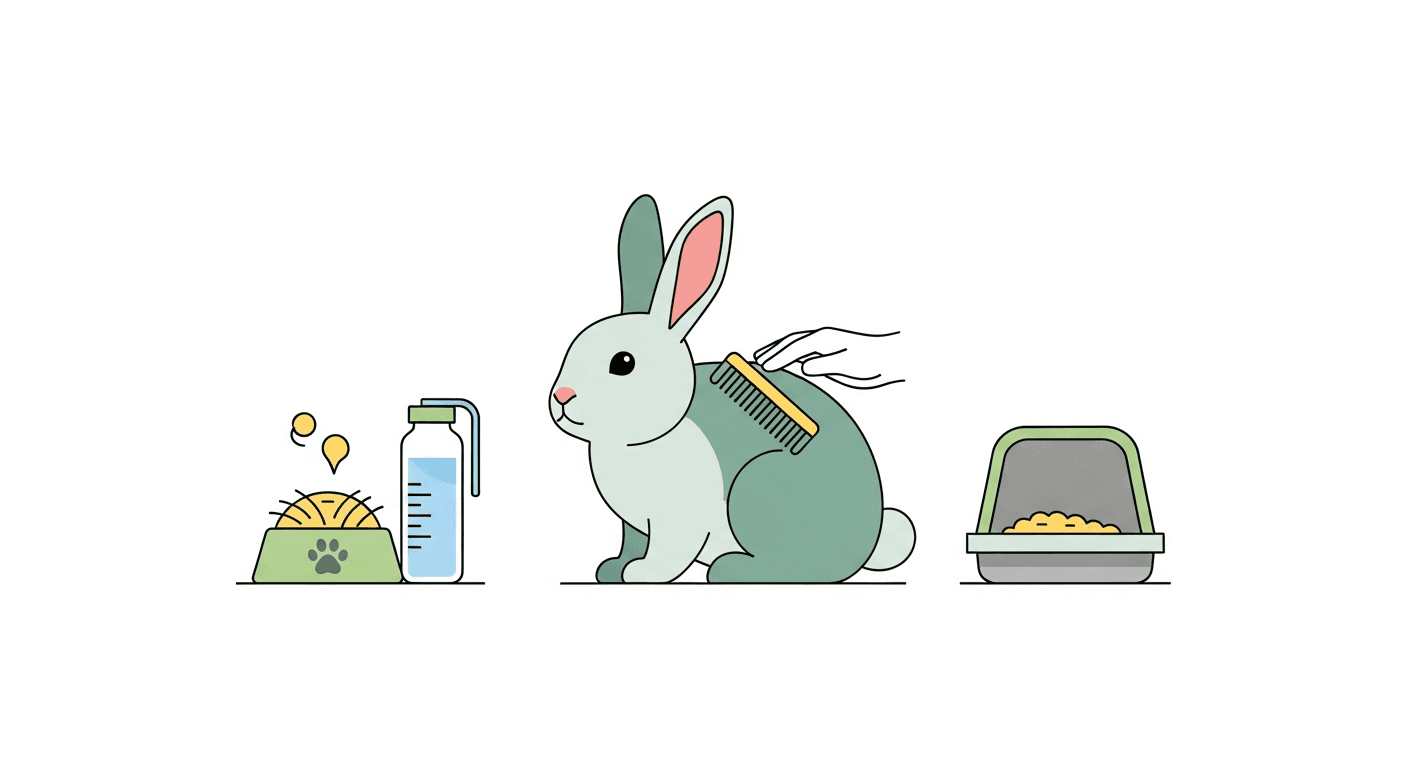
Daily Rabbit Care Routine: A Complete Health Checklist
A healthy rabbit requires daily observation and specific care tasks. This routine helps you catch health problems early and keep your rabbit thriving.