
Why Daily Rabbit Health Checks Matter
Rabbits are prey animals that instinctively hide illness until they can no longer compensate. By the time obvious symptoms appear, a rabbit may already be in serious trouble. Daily health monitoring allows you to detect subtle early changes — changes in appetite, dropping frequency, energy level — before they escalate to emergencies. A 5-minute daily routine provides this protection without significant effort.
The Daily Rabbit Care Routine
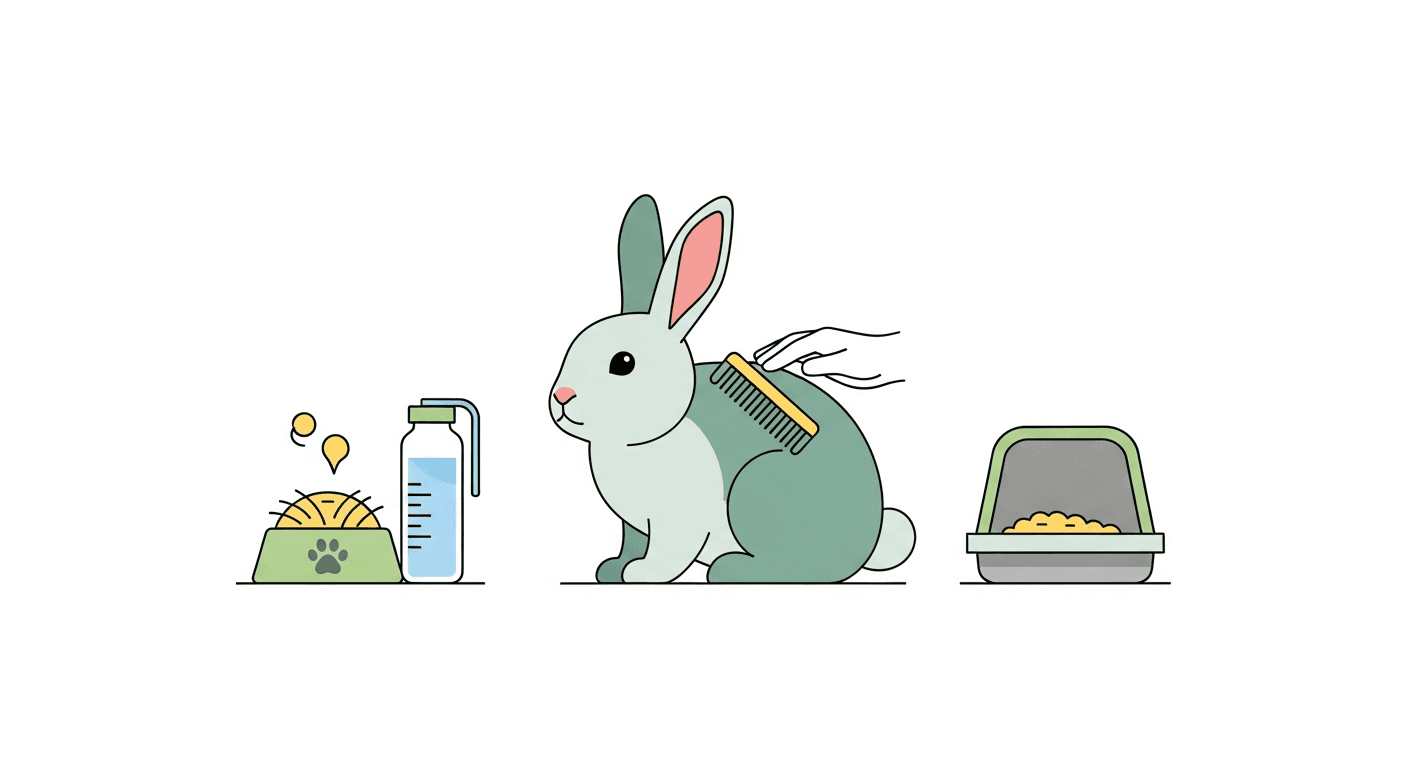
- Morning check: Verify the rabbit has eaten overnight. The hay rack should be noticeably depleted. Check the litter box for a normal number of droppings (a healthy rabbit produces 100–300 droppings per day, though this varies). Look briefly at the rabbit's general appearance — bright eyes, alert expression, normal posture.
- Fresh food provision: Refill hay to ensure unlimited supply. Provide fresh leafy greens (1–2 cups per 2 kg bodyweight). Provide fresh, clean water. Discard any uneaten greens from the previous day.
- Interaction and observation: Spend 10–15 minutes with the rabbit during free-roaming time. Note energy level, willingness to interact, and mobility. A rabbit that normally explores and approaches you but today stays hidden is telling you something.
- Evening checks: Verify eating has continued throughout the day. During fly season, check the perineal area (bottom) for any signs of mite eggs or maggots. Check the enclosure for cleanliness.
- Weekly: Weigh the rabbit (same time each week). Check nails for overgrowth. Check teeth and ears. Brush coat (especially during molt).
When to Call the Vet
- No hay eaten in 6+ hours
- No droppings in 4+ hours
- Rabbit not interested in normal activities or food
- Any of the emergency signs: teeth grinding, hunching, visible pain, open-mouth breathing
Follow-Up Care Checklist
- Schedule annual veterinary wellness exams for adult rabbits, and twice-yearly for seniors over age 5
- Keep vaccination records up to date for diseases endemic in your region
- Review the diet twice yearly and adjust based on the rabbit's age and weight
Track Daily Care with TailRounds
The TailRounds Daily Log is designed for exactly this routine — log hay consumption, droppings, appetite, and energy level every day. The data builds a health baseline that makes changes obvious and helps your vet understand your rabbit's normal.
Book a Vet Appointment
Annual wellness exams keep small problems from becoming big ones. Book your rabbit's wellness exam at Happy Paws — we offer comprehensive rabbit health assessments with our exotic animal team.
Summary for Your Clinic Visit
Bring your daily log, note the date of last dental check, last weight measurement, and any behavioral or dietary concerns that have developed recently.
Continue Reading
 🐇 Rabbit Health
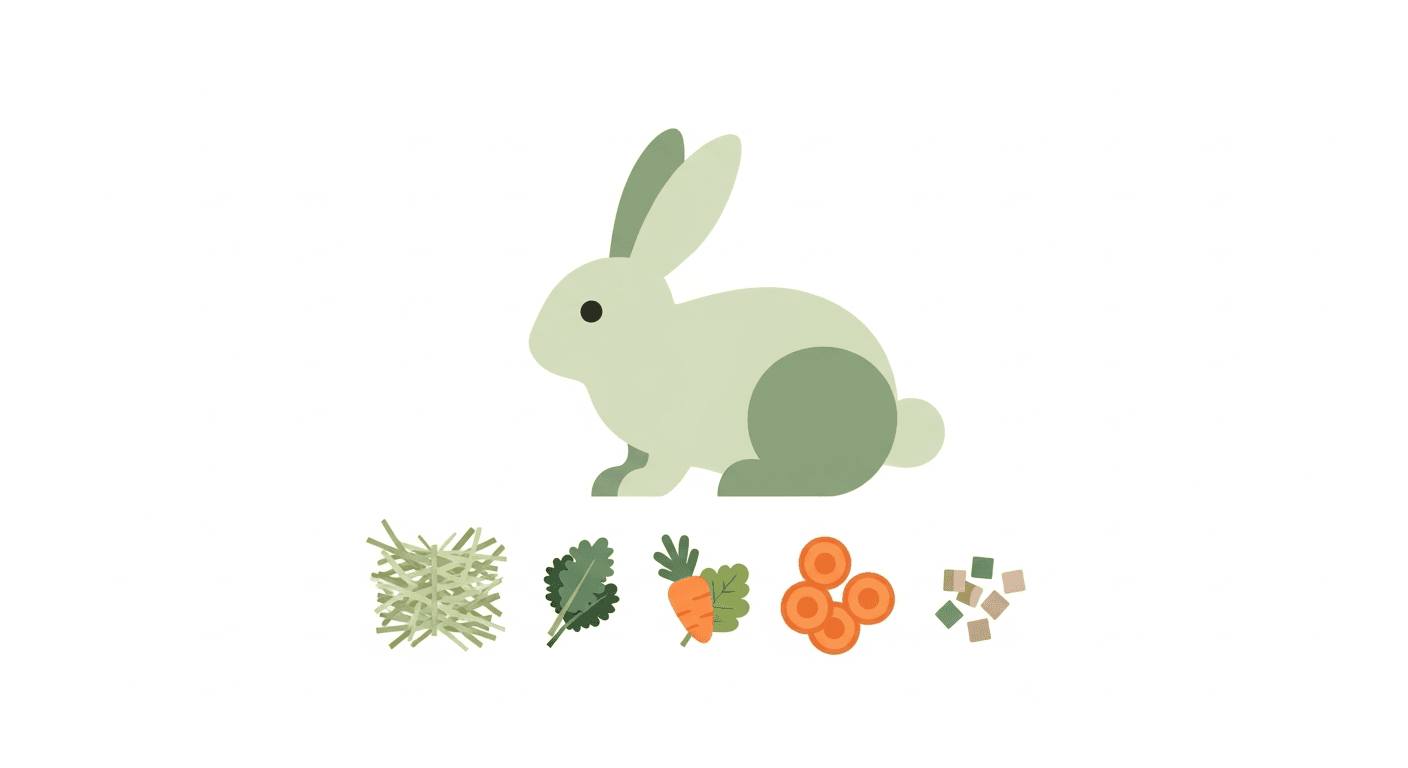
Complete Rabbit Diet Guide: Hay, Vegetables, and What to Avoid
The right diet is the foundation of rabbit health. Learn the correct proportions of hay, greens, and pellets — and which common foods are dangerous for rabbits.
 🐇 Rabbit Health
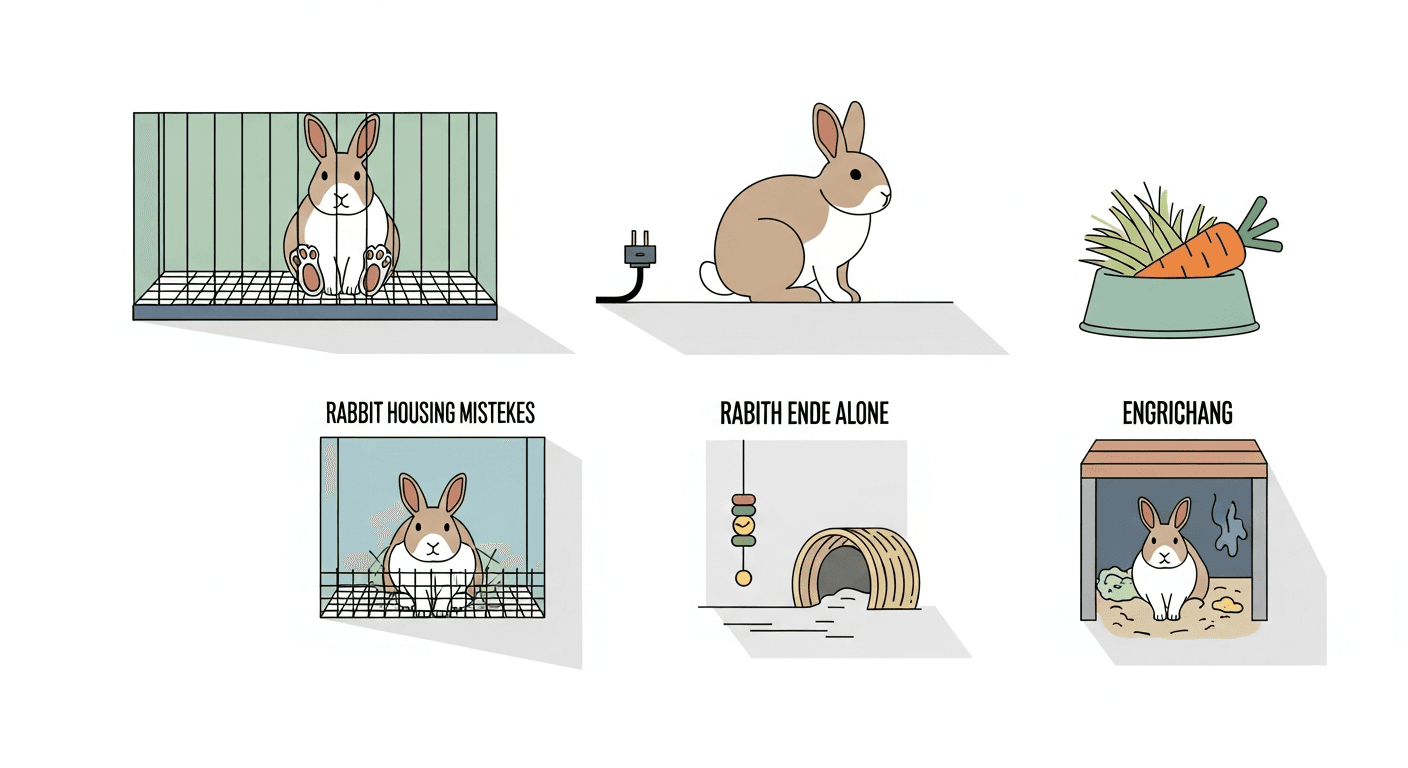
Common Rabbit Housing Mistakes That Harm Health
Many popular rabbit enclosures sold in pet stores are actually harmful. Learn what space, flooring, temperature, and social needs rabbits truly require.
 🐇 Rabbit Health
Rabbit Not Eating: Why It's Always Serious
Rabbits that stop eating for even a few hours can develop life-threatening GI stasis. Learn to recognize early warning signs and when to act.
 🐇 Rabbit Health
GI Stasis in Rabbits: What Every Owner Must Know
GI stasis kills rabbits within 24–48 hours if untreated. Learn to recognize the early signs, what causes it, and how treatment works.