

Cat Care
Practical grooming, dental care, nail trimming, and home environment guides for cat owners.
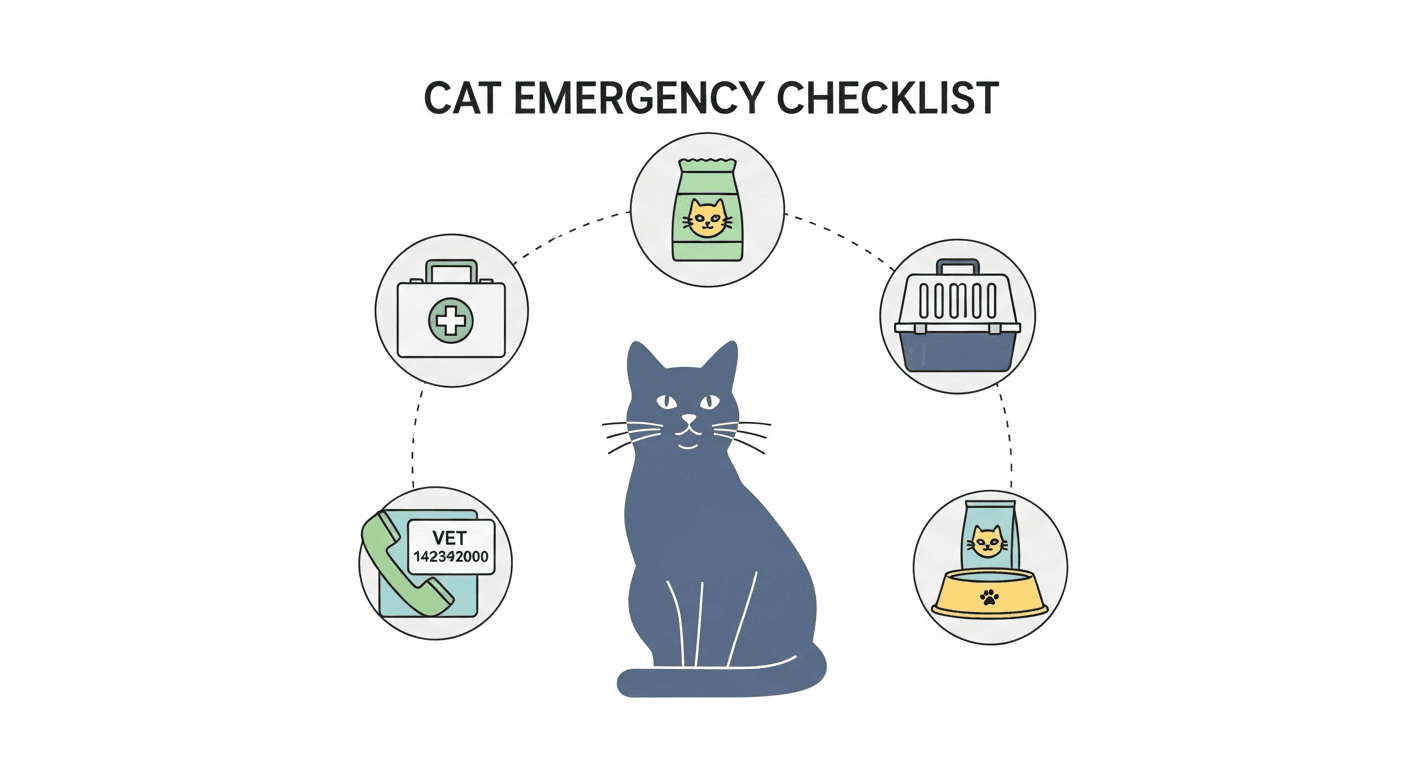
Cat Emergency Checklist: Be Prepared Before It Happens
Emergencies happen without warning. Know your emergency vet, have a first aid kit, and understand which symptoms need immediate action versus monitoring.

Cat Poisoning: Common Toxins and Emergency First Aid
Cats are exposed to many household toxins. Learn the most dangerous substances for cats, recognize poisoning symptoms, and know what to do immediately.
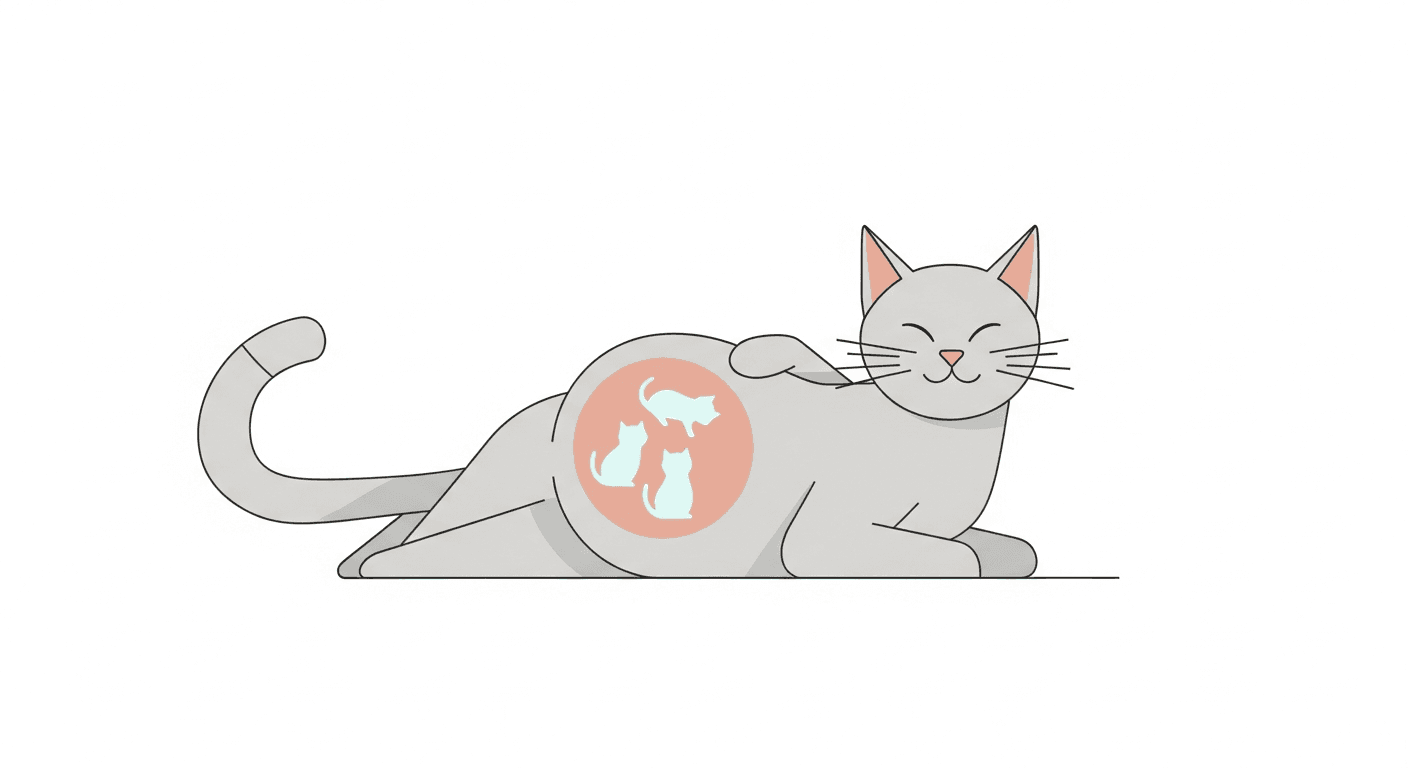
Pregnant Cat Care: What to Expect and How to Help
Caring for a pregnant cat involves diet changes, monitoring for complications, and preparing for birth. Learn the full timeline and what normal looks like.

How to Bathe a Cat: When It's Necessary and How to Do It Safely
Most cats don't need baths — but some situations require one. Learn when bathing is necessary and how to do it without injuring yourself or terrifying your cat.
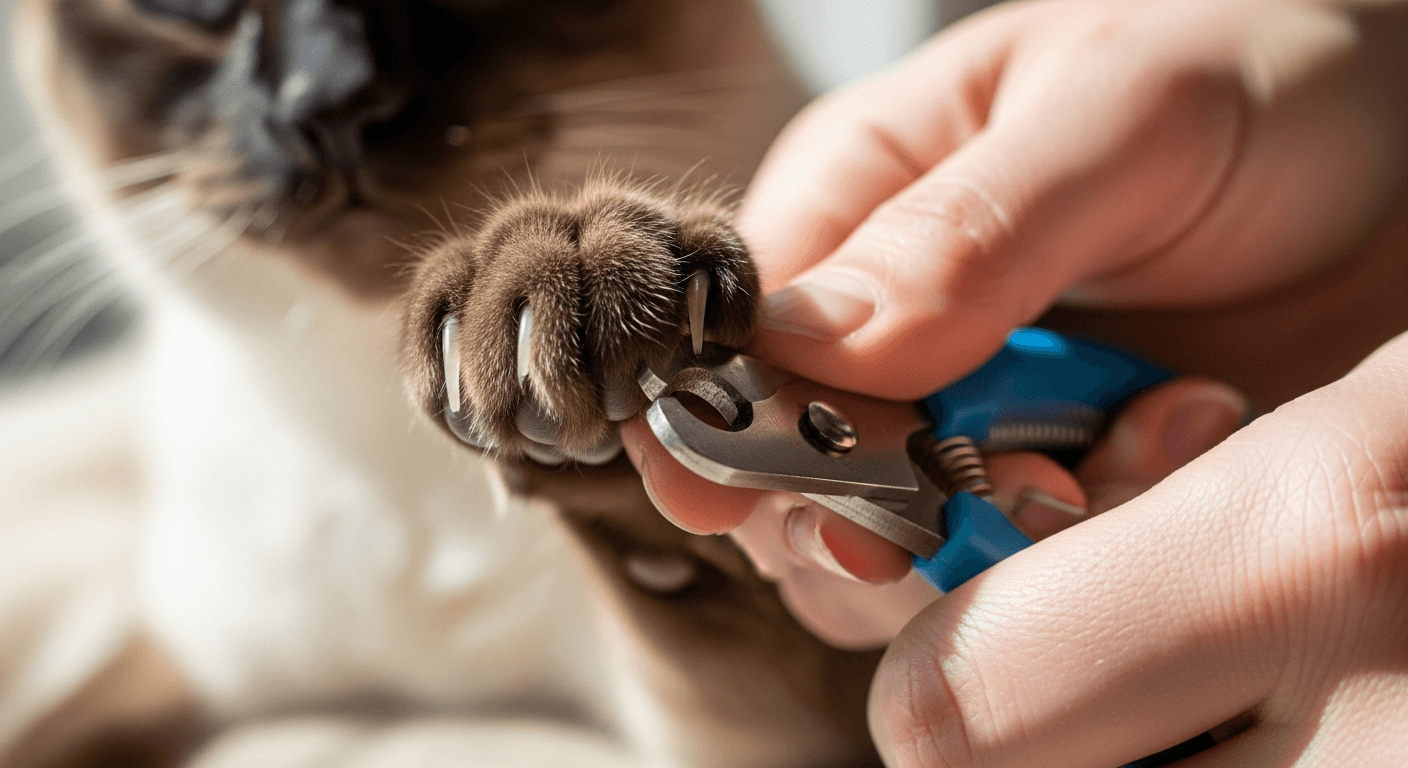
How to Trim Your Cat's Claws: A Step-by-Step Guide
Regular claw trimming prevents scratching injury and ingrown nails. Learn how to do it safely at home without causing your cat distress.
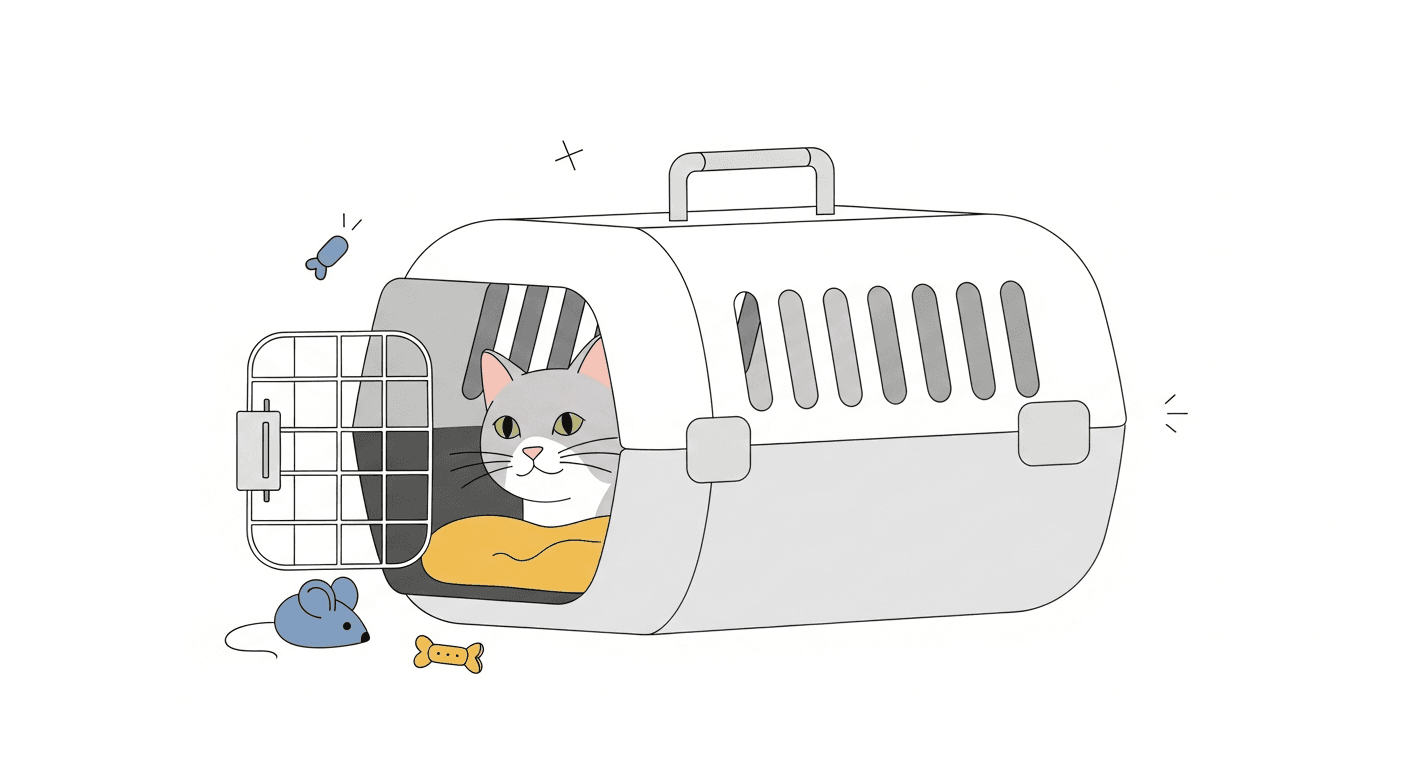
Cat Carrier Training: From Fearful to Confident in 3 Weeks
A fearful cat carrier makes every vet visit a battle. This step-by-step guide helps your cat accept — and even enjoy — the carrier in just a few weeks.

Traveling with Your Cat: Reducing Stress and Staying Safe
Car rides and air travel are stressful for most cats. Learn preparation strategies, carrier training tips, and how to keep your cat safe and calm during travel.
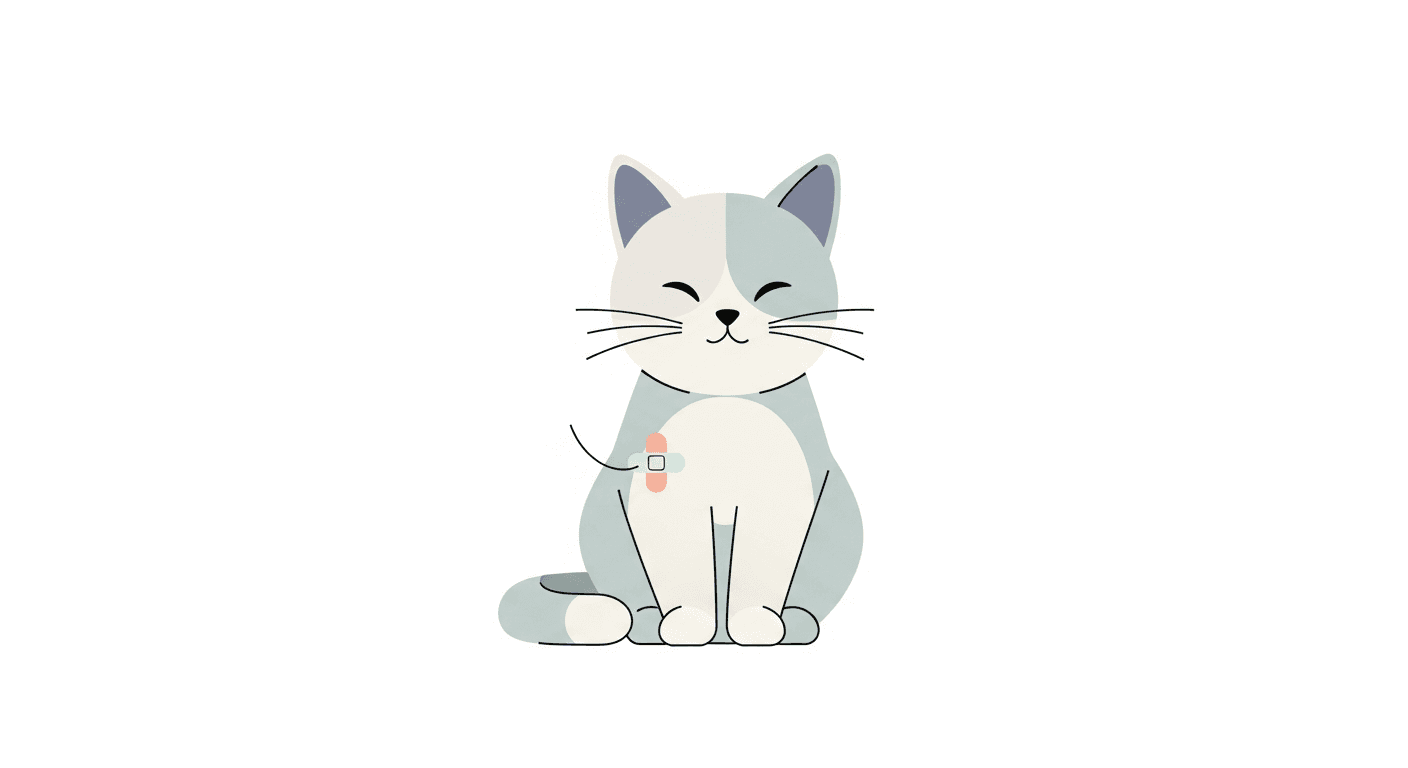
Cat After Vaccination: Normal Reactions and Warning Signs
Most cats have mild reactions to vaccines that resolve in 24–48 hours. Learn what's normal, what's a rare complication, and when to call your vet.

Cat Post-Surgery Care: A Complete Recovery Guide
After any surgical procedure, proper home care determines recovery speed. Learn the key steps, what to watch for, and how to prevent complications.

Cat Wound Care at Home: What You Can Treat and What Needs a Vet
Minor cuts can be managed at home, but cat bite wounds, deep lacerations, and puncture wounds require veterinary care. Learn the difference.
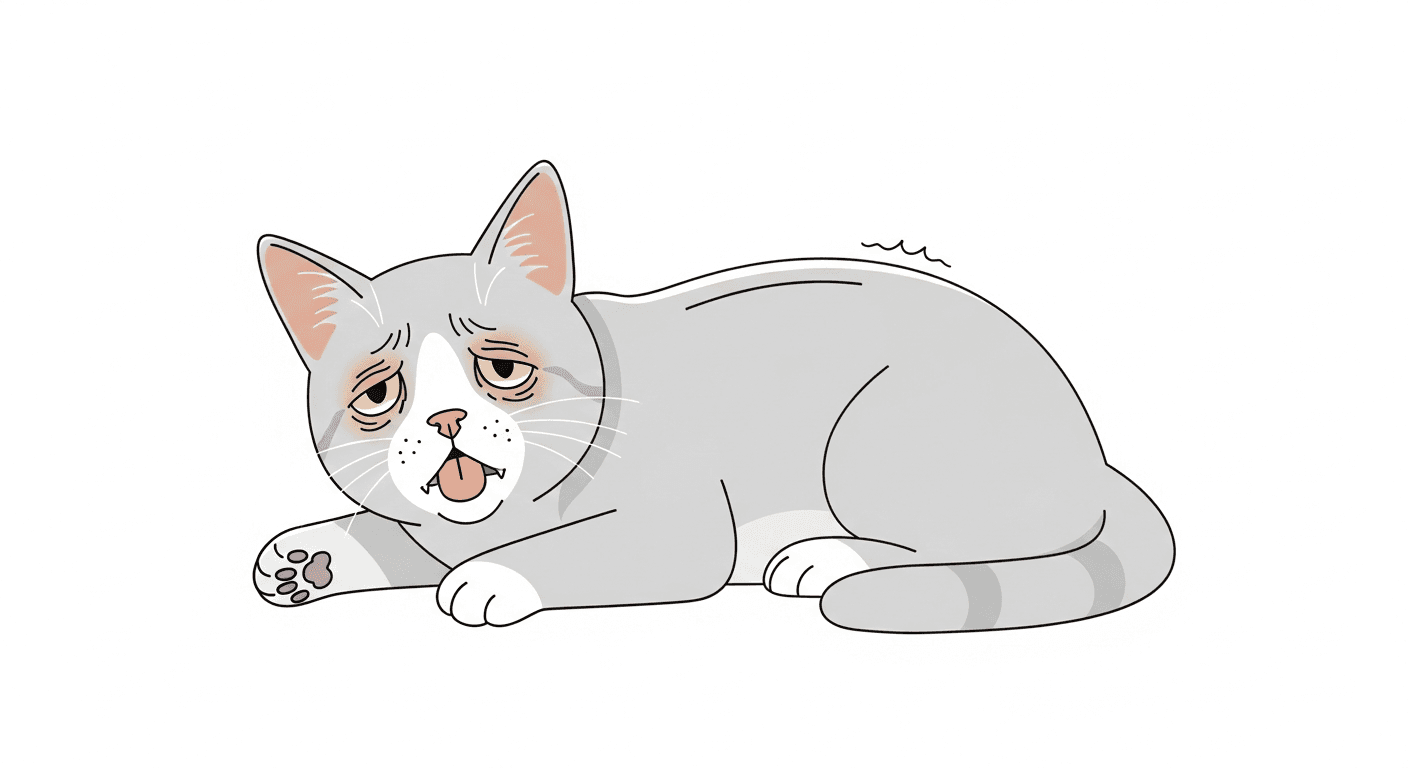
Cat Dehydration: How to Spot It and Improve Hydration
Cats are notoriously poor drinkers. Learn the signs of dehydration, how to test hydration at home, and strategies to get your cat drinking more water.

Cat Obesity: How to Help Your Cat Lose Weight Safely
Over 50% of cats are overweight or obese. Learn why crash diets are dangerous for cats, and how to create a safe, effective weight-loss plan.
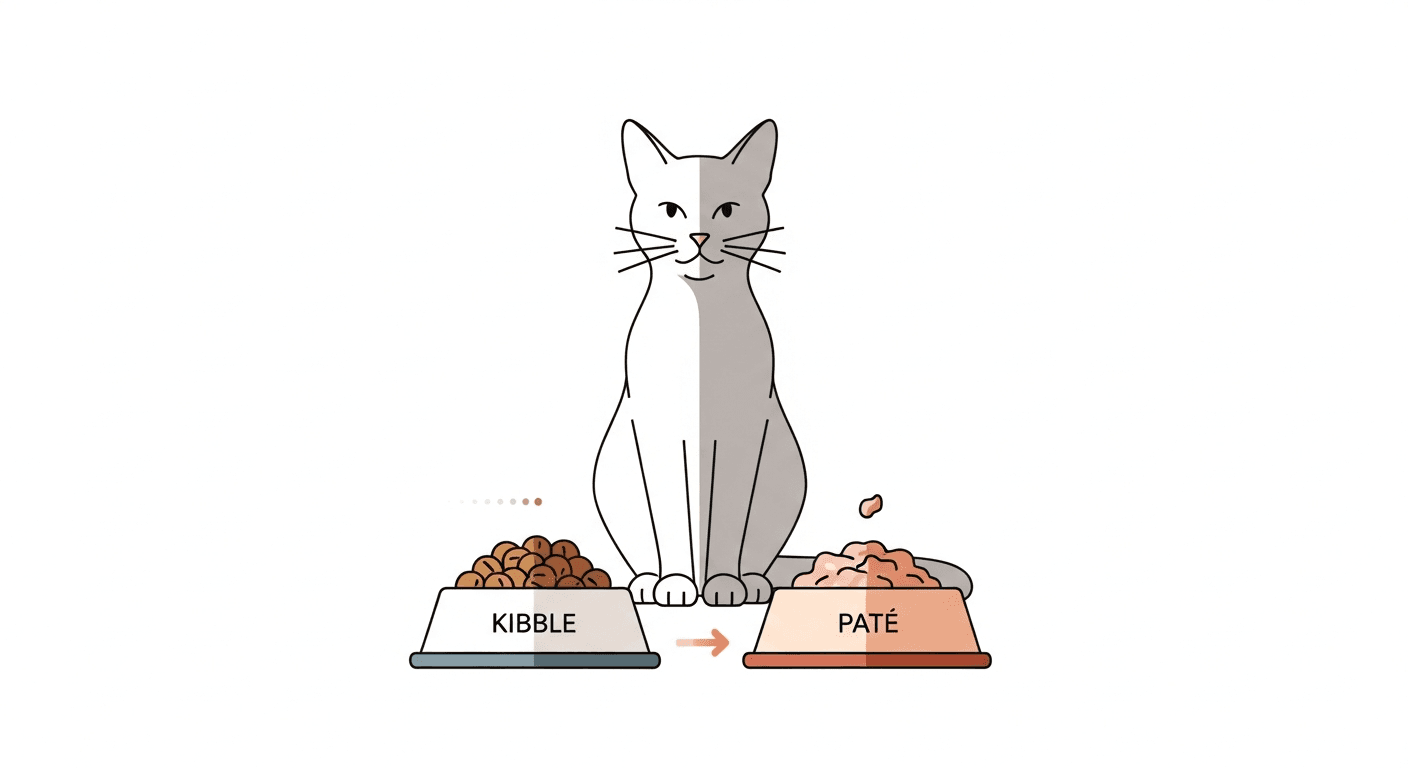
How to Change Your Cat's Food Without Causing Stomach Upset
Abrupt food changes cause vomiting and diarrhea in cats. Learn the right way to transition between foods, whether for medical reasons or a routine upgrade.

Cat Refusing Wet Food: Reasons and How to Transition Successfully
Many cats raised on dry food refuse wet food initially — but wet food is often medically important. Learn how to make the switch successfully.

Cat Peeing Frequently in Small Amounts: What It Means
Frequent small-volume urination in cats typically indicates lower urinary tract disease. Learn to identify it, respond appropriately, and prevent recurrence.

Blood in Cat Urine: Causes and What to Do
Pink, red, or brown urine in cats is always abnormal. Learn the common causes of hematuria in cats and how urgently it needs to be addressed.
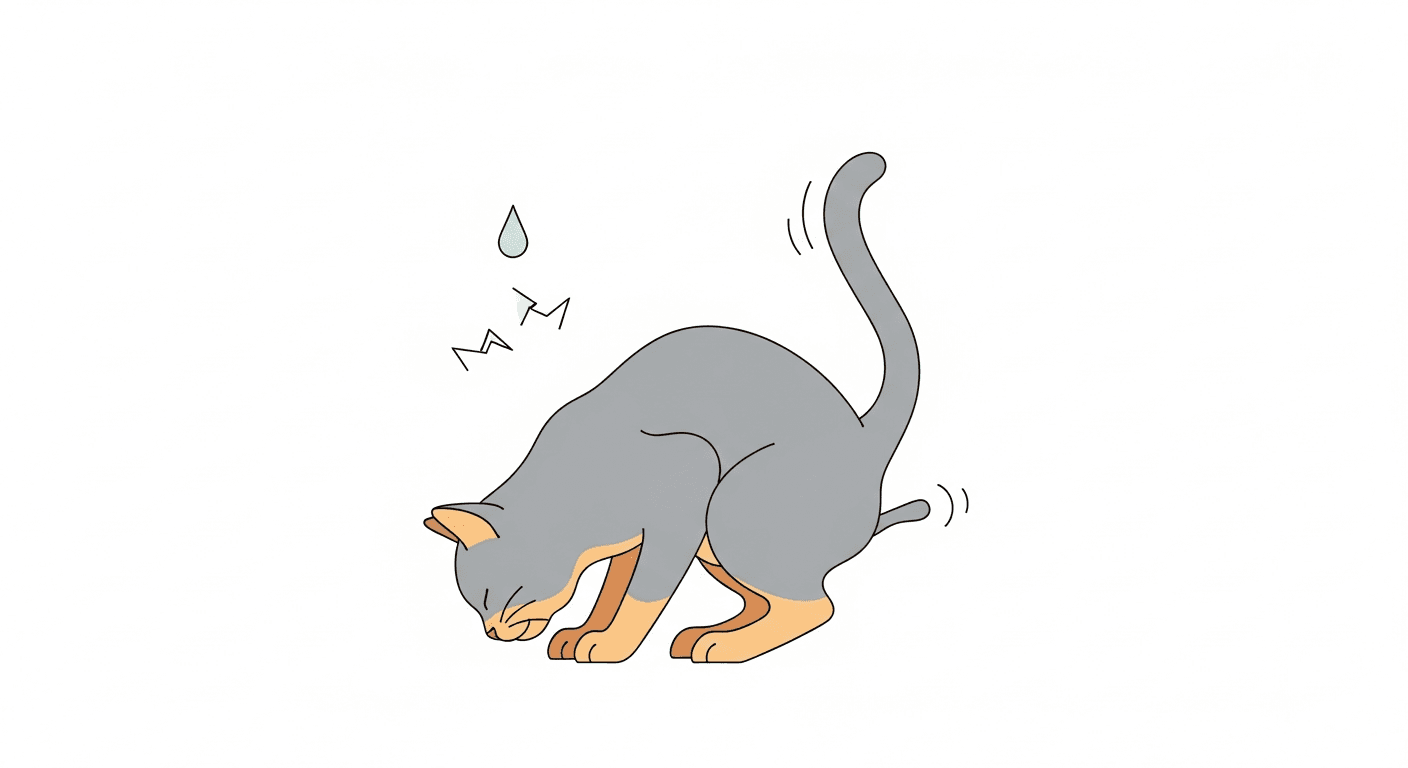
Male Cat Straining to Urinate: Emergency Signs vs. Constipation
Straining in male cats is a urinary emergency until proven otherwise. Learn how to tell urinary blockage from constipation and act appropriately.

Cat Urinary Blockage: A Life-Threatening Emergency — Signs and Action
A blocked cat cannot urinate and will die within 24–72 hours without treatment. Know the signs so you can act in time.

Cat Hyperthyroidism: Signs, Treatment Options, and Monitoring
Hyperthyroidism is the most common hormonal disorder in older cats. Learn the signs, understand the four treatment options, and how to monitor your cat.

Feline Diabetes: Symptoms, Diagnosis, and Daily Management
Diabetes in cats is manageable and even reversible with early treatment. Learn the symptoms, what diagnosis involves, and how daily care looks.
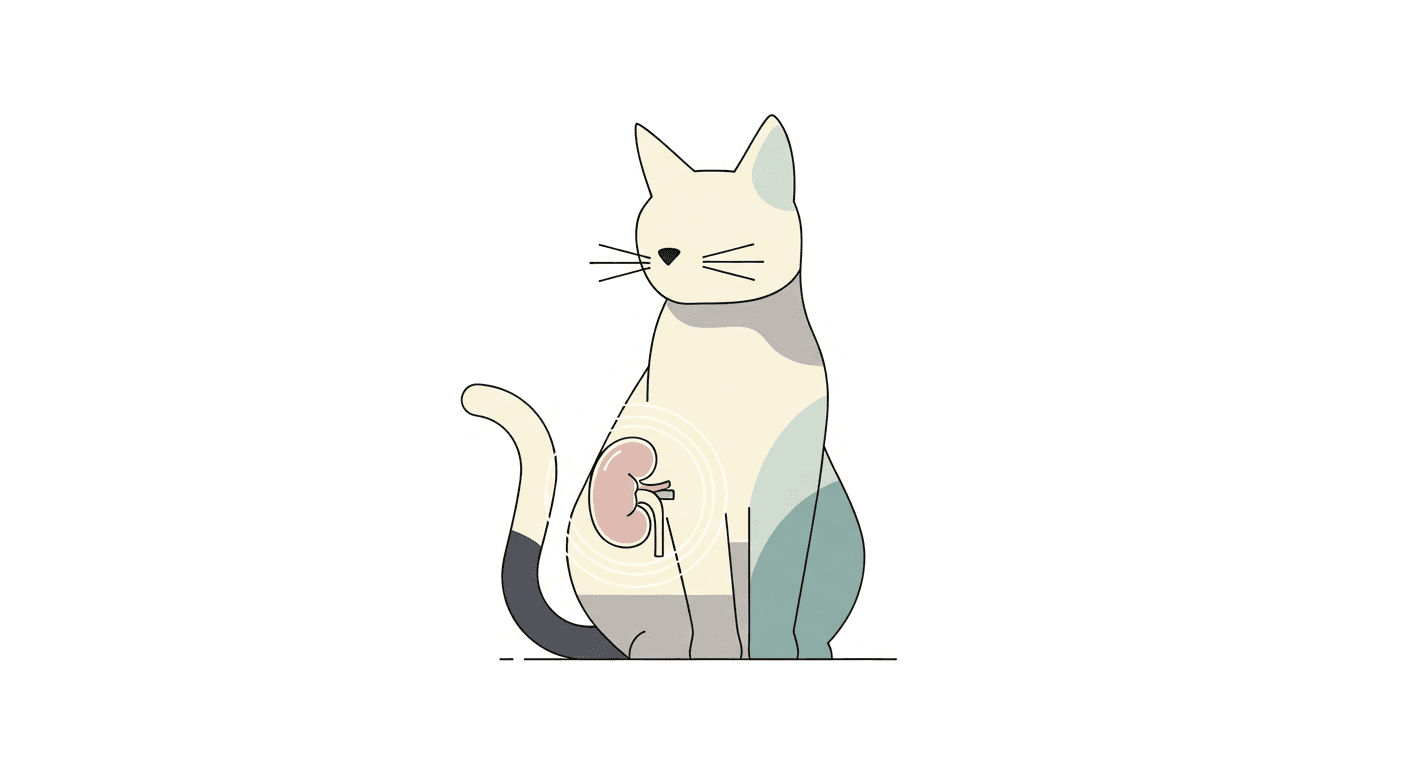
Early Kidney Disease in Cats: Signs, Diagnosis, and Management
Chronic kidney disease is the leading cause of death in cats over 12. Learn the earliest signs, how it's diagnosed, and how to slow progression significantly.

Senior Cat Care Guide: What Changes After Age 10
Cats are considered senior at age 10 and geriatric at 15. Learn how health needs change, which conditions to watch for, and how to keep senior cats comfortable.

Indoor Cat Enrichment: Keeping Your Cat Mentally and Physically Healthy
Boredom is a real health problem for indoor cats. Learn how to provide mental stimulation, exercise, and social enrichment to prevent behavioral problems.

New Kitten Care Checklist: Everything You Need in the First Month
A complete first-month guide for new kitten owners: vet visits, vaccinations, feeding, socialization, litter training, and what to watch for.

Cat Stress After Moving: How to Help Your Cat Adjust
Moving is deeply stressful for cats. Learn how to set up a new home, reduce anxiety, and recognize when stress is causing health problems.
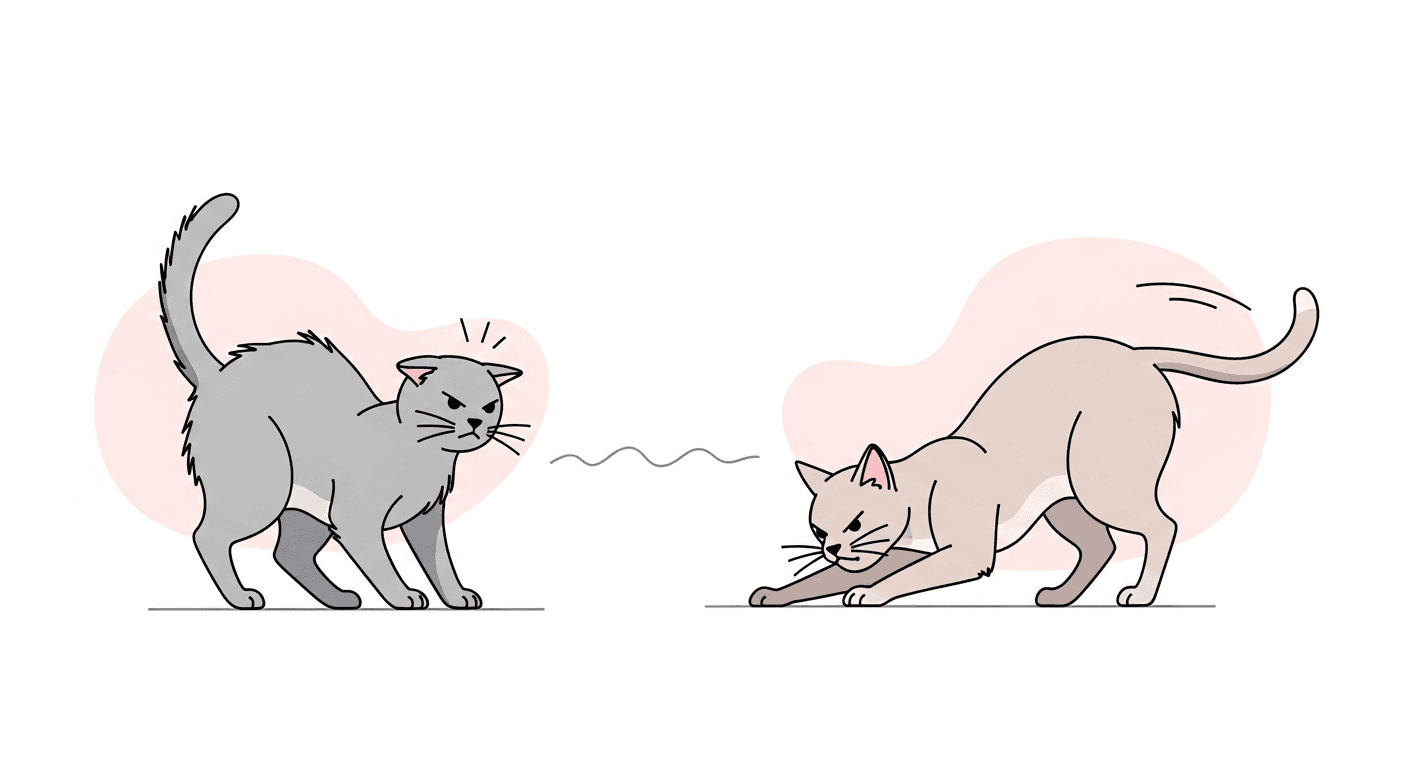
Cat-to-Cat Aggression: Why Cats Fight and How to Help
Inter-cat aggression ranges from play-fighting to serious injury. Learn to tell them apart and manage multi-cat household conflict effectively.
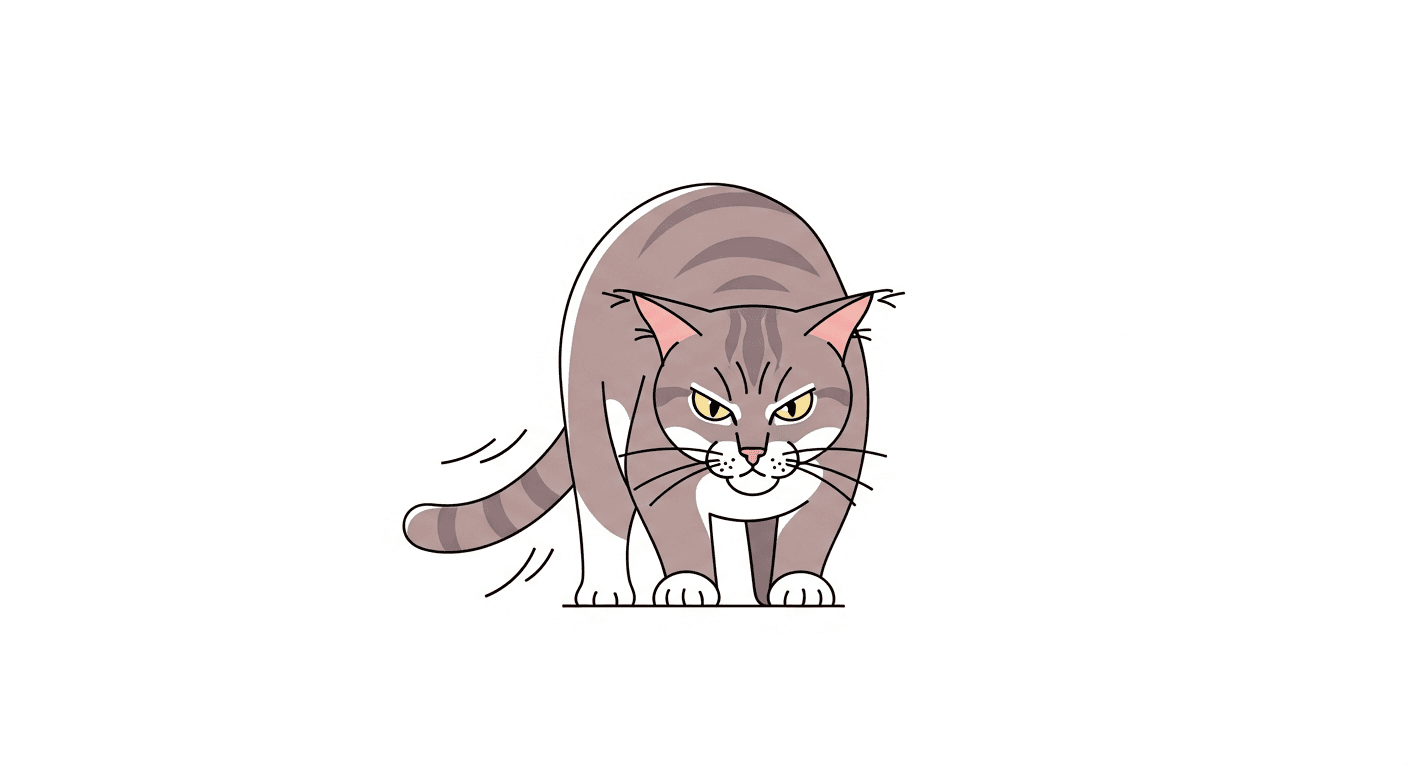
Cat Sudden Aggression: Why It Happens and How to Respond Safely
A cat that suddenly attacks can be responding to pain, fear, overstimulation, or redirected aggression. Learn to identify the cause and de-escalate safely.

Cat Meowing or Yowling at Night: Causes and Solutions
Nighttime yowling is one of the most disruptive feline behaviors. Learn why it happens and what can be done about it — medically and behaviorally.
Spayed Cat Behavior Changes: What to Expect After Surgery
Spaying changes a cat's hormonal profile. Learn what behavioral changes are normal after spaying and how to support your cat's recovery.
Cat in Heat: Behaviors, Timeline, and What to Do
Understanding heat cycles in unspayed cats — what behaviors to expect, how long it lasts, and why spaying is the most humane solution.