
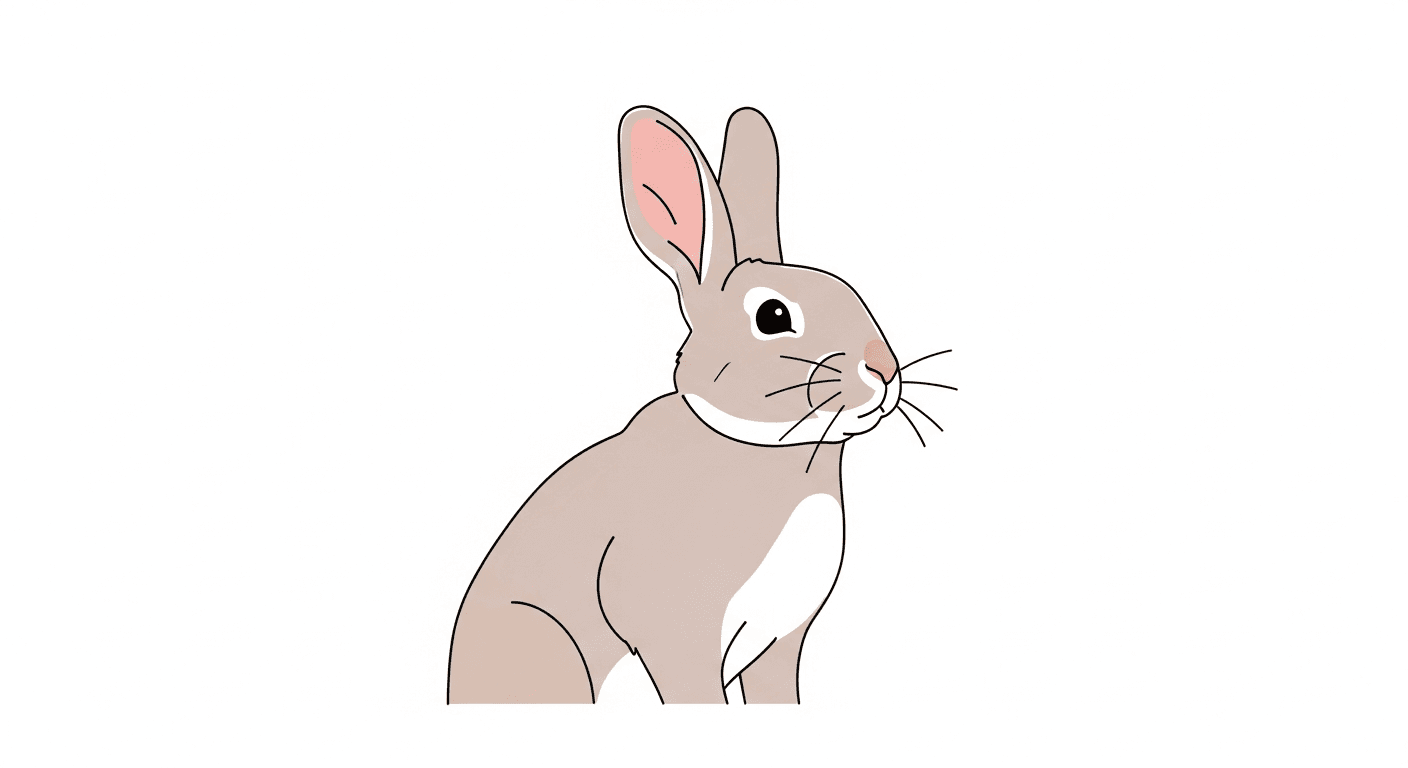
What Is Normal Breathing for a Rabbit?
A healthy resting rabbit breathes 30–60 times per minute through the nose — rabbits are obligate nasal breathers. Open-mouth breathing in a rabbit is always abnormal and indicates extreme respiratory distress or heat stroke. Even fast, shallow breathing at rest (without open-mouth breathing) exceeding 80+ breaths per minute signals a problem. Causes include pneumonia, pleural effusion, heart disease, severe anemia, GI bloat pressing on the diaphragm, and heat stroke.
First 3 Steps to Take at Home
- Move the rabbit to a cool, well-ventilated area immediately: If heat exposure is possible (enclosure in sun, room temperature above 26°C), assume heat stroke and cool the rabbit immediately with cool (not ice cold) damp towels on the ears and feet while transporting to the vet.
- Minimize handling and stress: Stress significantly increases oxygen demand. Keep handling to a minimum. Place the rabbit gently in a carrier with good ventilation and get to the vet.
- Do not offer food or water: A rabbit in respiratory distress cannot safely eat or drink. Focus on transport.
When to Go to the Vet Immediately
- Any open-mouth breathing in a rabbit — this is always a veterinary emergency
- Breathing rate above 80 per minute at rest
- Blue or gray mucous membranes (cyanosis)
- Rabbit unable to stand or appears to be collapsing
Follow-Up Care Checklist
- For pneumonia: complete the full antibiotic course and recheck with chest X-ray
- After heat stroke: keep the rabbit in cool conditions for at least 48 hours, monitor eating and droppings
- Ensure the living environment never exceeds 24°C — rabbits are extremely heat-sensitive
Track Breathing with TailRounds
For rabbits with diagnosed heart or respiratory disease, log resting respiratory rate daily using the TailRounds Daily Log. Rate increases often precede visible distress.
Book a Vet Appointment
Respiratory distress in a rabbit is always an emergency. Contact Happy Paws immediately — do not wait for a scheduled appointment.
Summary for Your Clinic Visit
Tell the vet the current respiratory rate, whether any open-mouth breathing occurred, the temperature of the rabbit's environment, and any other symptoms.
Continue Reading
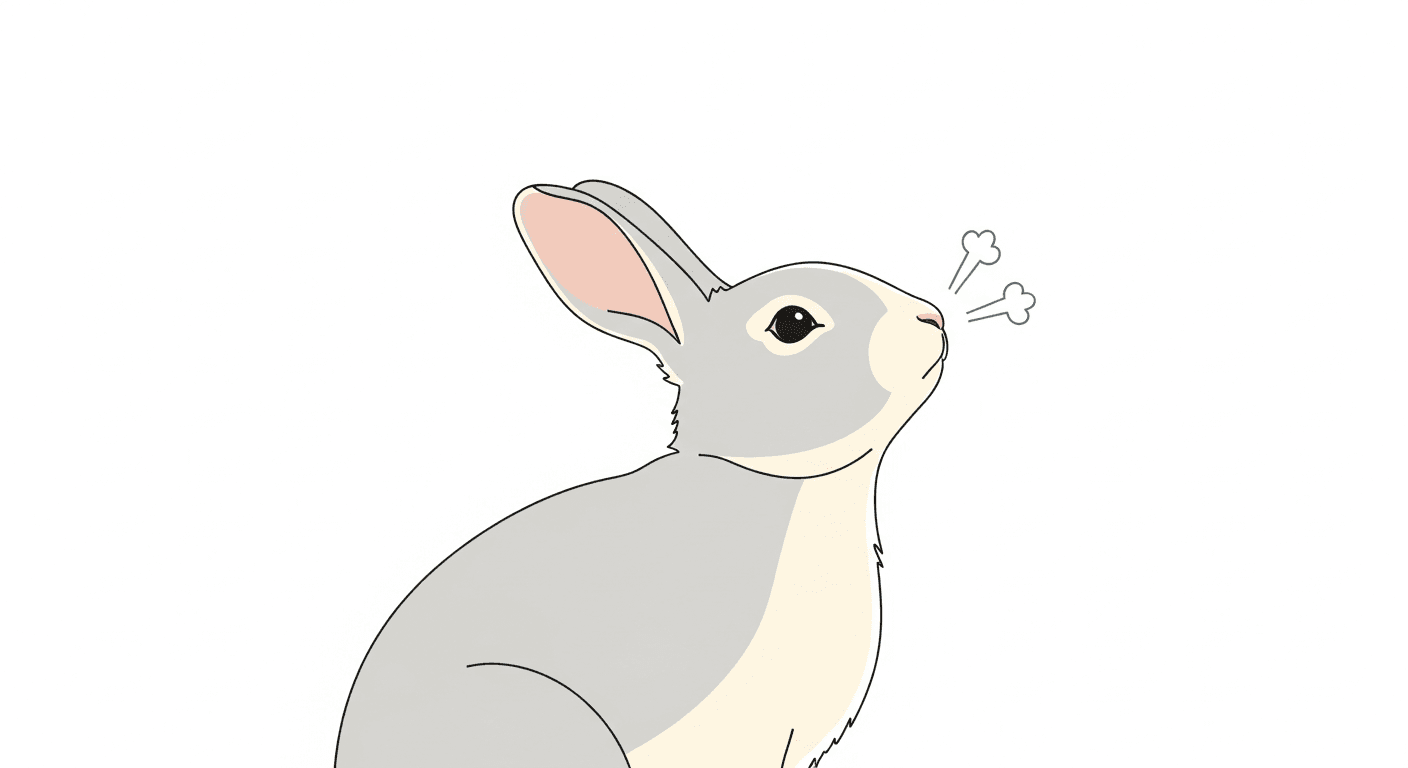 🐇 Rabbit Health
Rabbit Sneezing: Pasteurellosis and Other Respiratory Causes
Sneezing in rabbits can be dust-related and mild — or a sign of Pasteurella infection. Learn to tell the difference and when treatment is needed.
 🐇 Rabbit Health
Rabbit Not Eating: Why It's Always Serious
Rabbits that stop eating for even a few hours can develop life-threatening GI stasis. Learn to recognize early warning signs and when to act.
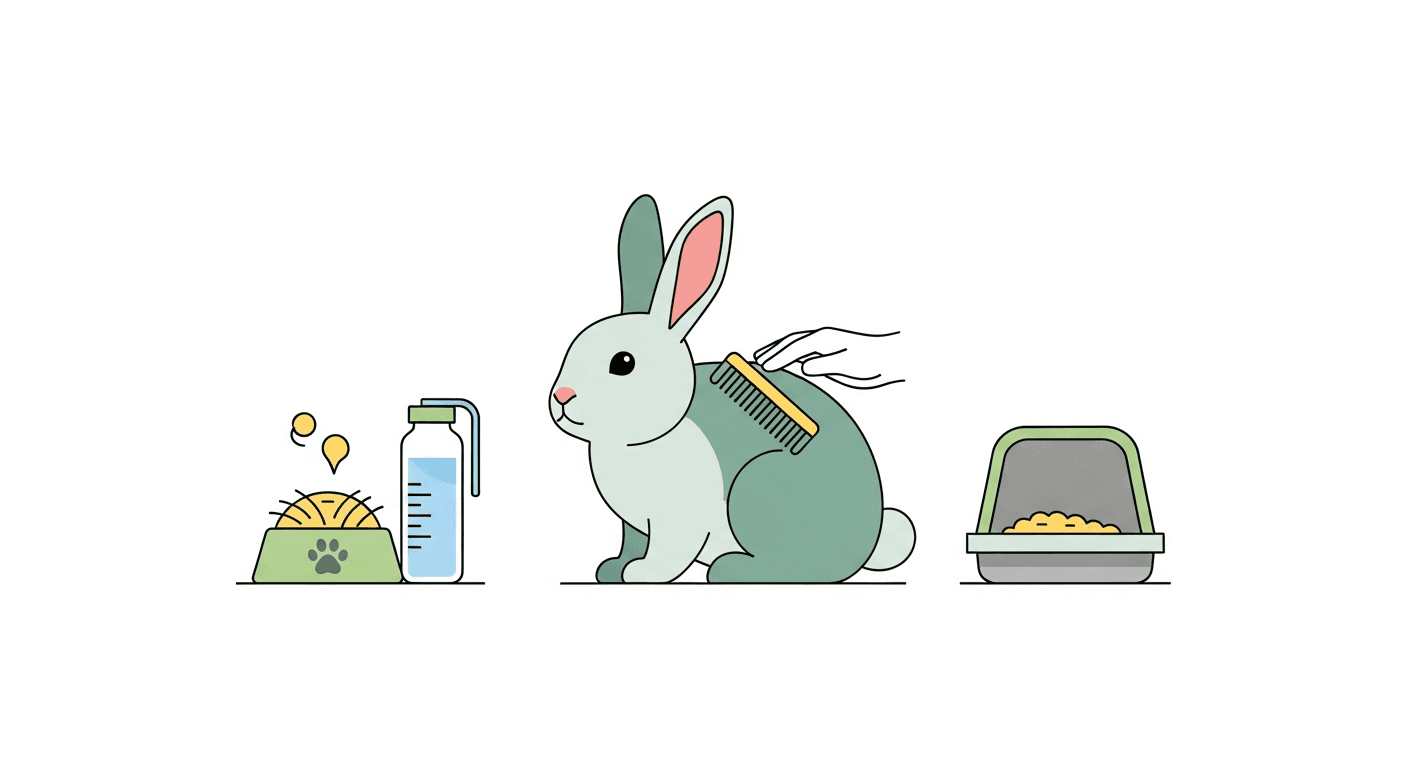 🐇 Rabbit Health
Daily Rabbit Care Routine: A Complete Health Checklist
A healthy rabbit requires daily observation and specific care tasks. This routine helps you catch health problems early and keep your rabbit thriving.