
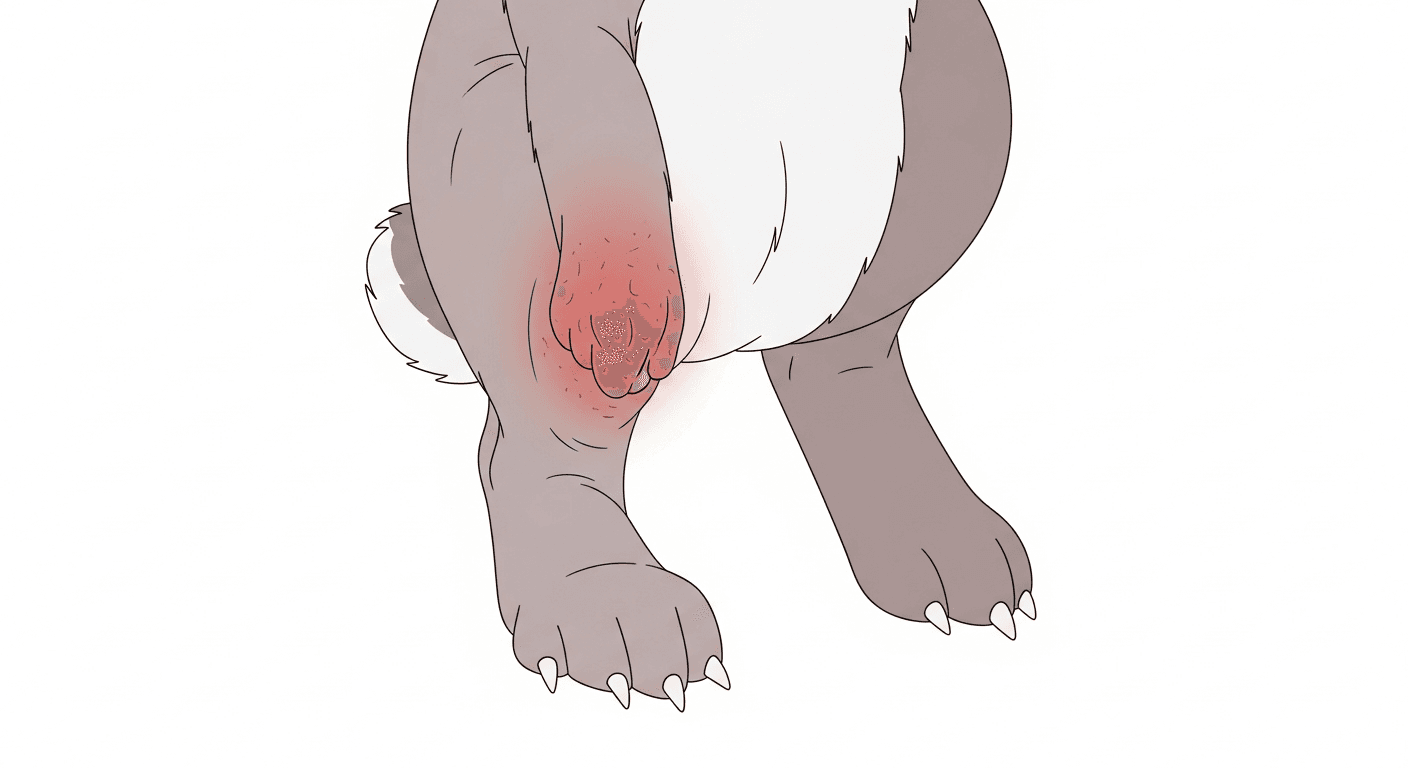
What Are Sore Hocks in Rabbits?
Sore hocks (ulcerative pododermatitis) are painful pressure sores on the bottom of a rabbit's hind feet — particularly the hock area (equivalent to the heel in humans). In the early stage, fur is lost and the skin becomes red. Left untreated, the skin breaks down into open sores that become infected. In severe cases, infection penetrates into the underlying bone (osteomyelitis) and can be very difficult to resolve.
The primary cause is inappropriate flooring: wire-bottomed cages, rough concrete, or any surface that creates constant pressure points on unpadded feet. Overweight rabbits, large breeds, and rabbits with thin foot fur (Rex rabbits) are especially susceptible.
First 3 Steps When Sore Hocks Are Found
- Change the flooring immediately: Remove all wire flooring. Provide thick, soft flooring throughout — interlocking foam tiles covered with fleece, thick carpet samples, or wooden board with blanket covering. This is the single most important step and must happen regardless of other treatment.
- Assess severity: Early-stage (fur loss, redness, no open sore) can be managed at home with flooring change and monitoring. Any open sore requires veterinary treatment — antibiotics and wound care to prevent deep infection.
- Reduce pressure on the affected feet: Limit access to hard surfaces, provide multiple soft resting spots, and keep the rabbit as active as possible (movement improves blood flow and healing).
When to Go to the Vet Immediately
- Any open, bleeding, or infected sore on the feet
- Rabbit is lame or reluctant to move
- Swelling of the leg or foot alongside hock sores
Follow-Up Care Checklist
- Continue soft flooring permanently — this is not a temporary fix
- For overweight rabbits, weight management reduces pressure on the hocks significantly
- Check feet weekly after treatment to confirm healing and prevent recurrence
- Long-haired and Rex rabbits need more frequent foot checks — their foot fur profile makes them very vulnerable
Track Hock Health with TailRounds
Log weekly foot checks, noting any redness or fur loss changes, in the TailRounds Daily Log. Early detection prevents progression to open sores.
Book a Vet Appointment
Any open sore on a rabbit's foot requires veterinary care. Book at Happy Paws for wound assessment and appropriate antibiotic treatment.
Summary for Your Clinic Visit
Describe the sore hock severity (redness only, open sore, infection signs), the current flooring situation, the rabbit's breed and weight, and any previous treatment attempted.
Continue Reading
 🐇 Rabbit Health
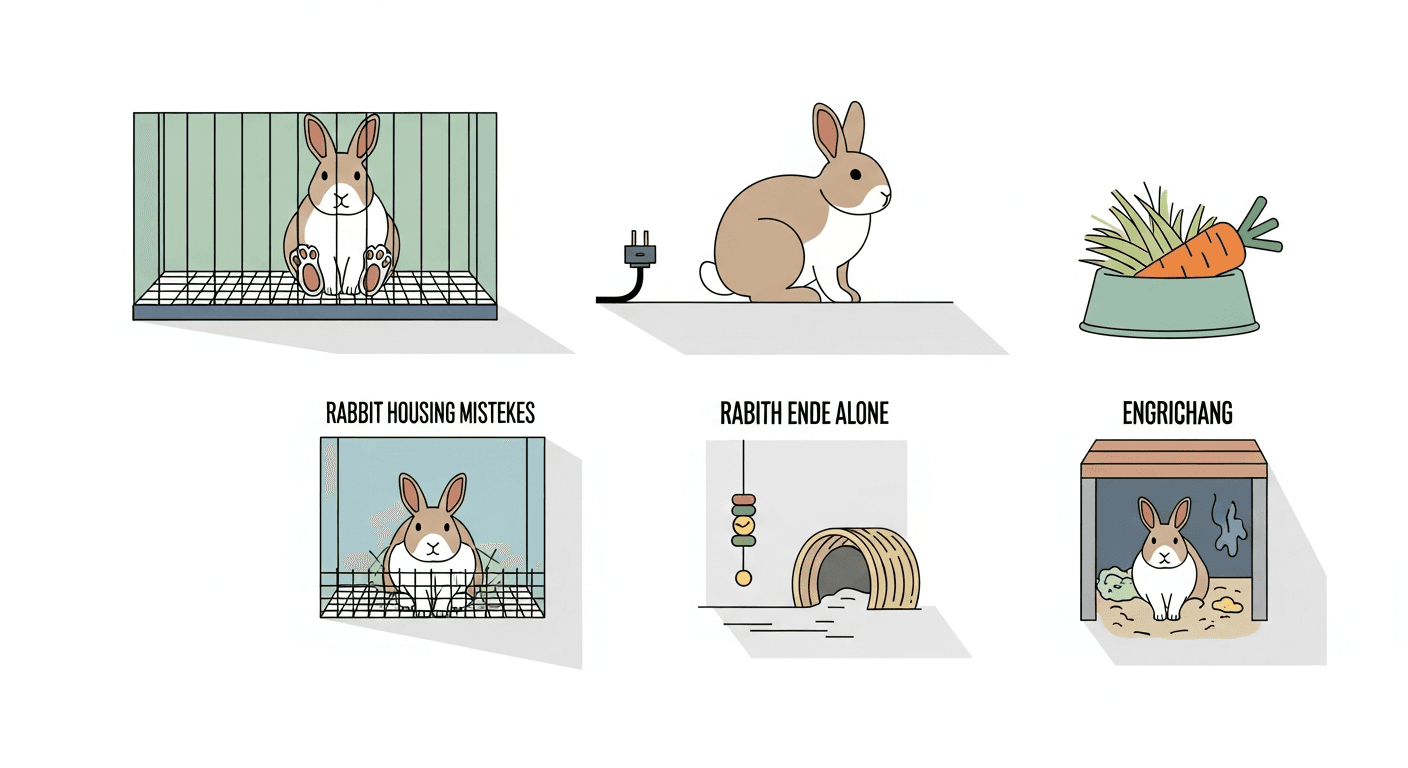
Common Rabbit Housing Mistakes That Harm Health
Many popular rabbit enclosures sold in pet stores are actually harmful. Learn what space, flooring, temperature, and social needs rabbits truly require.
 🐇 Rabbit Health
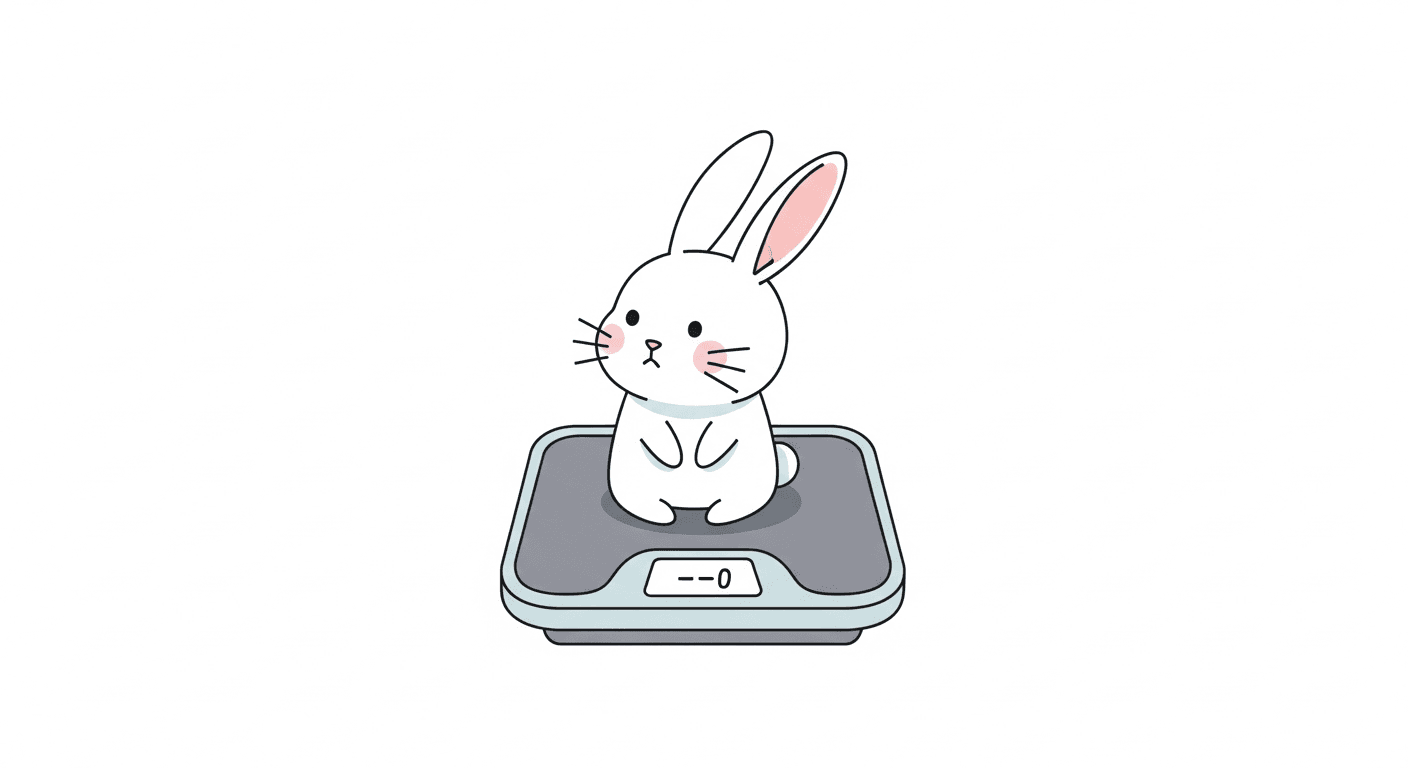
Rabbit Weight Loss: When to Be Concerned
Weight loss in rabbits often signals dental disease, GI problems, or systemic illness. Learn how to monitor weight and respond to unexpected loss.
 🐇 Rabbit Health
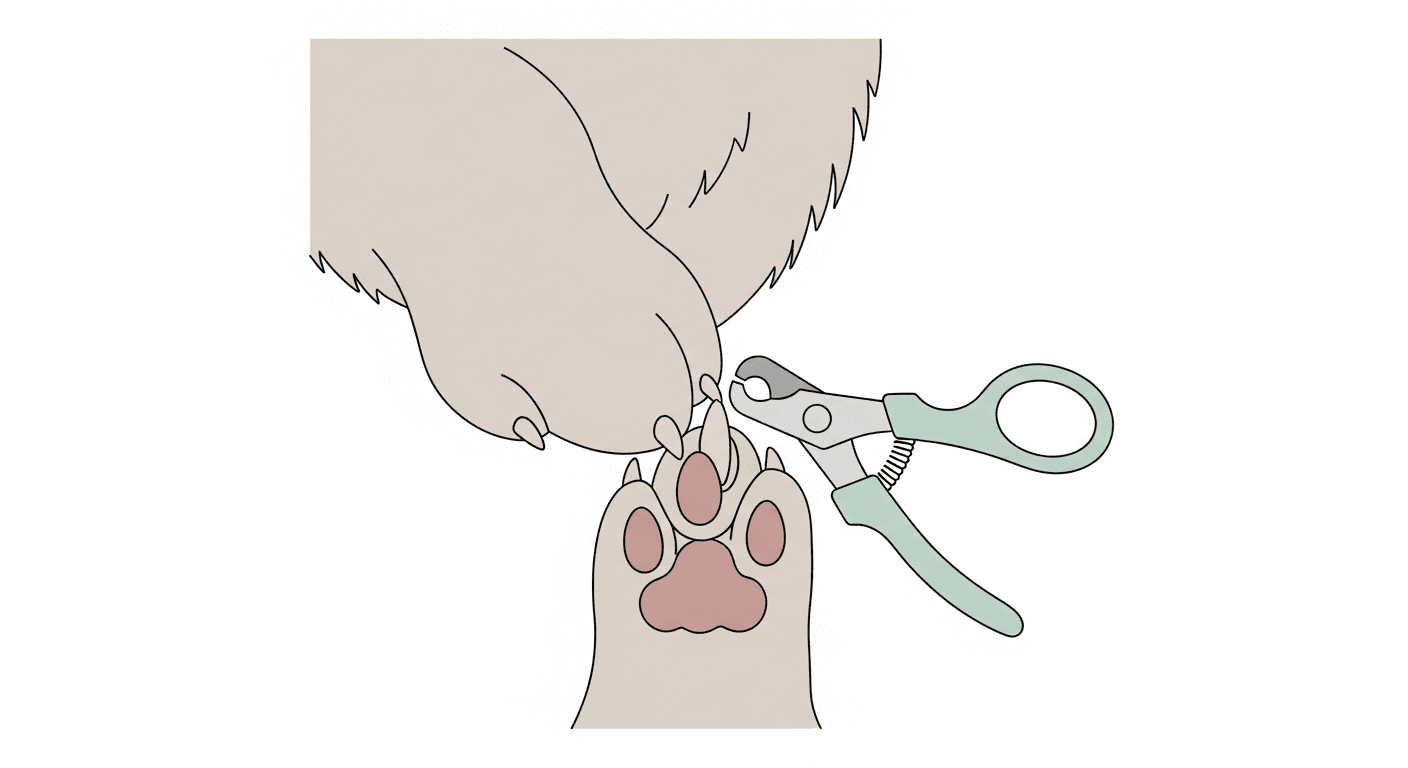
How to Trim Rabbit Nails Safely
Overgrown rabbit nails cause pain and postural problems. Learn the proper technique, how to avoid the quick, and when to ask for professional help.
 🐇 Rabbit Health
Daily Rabbit Care Routine: A Complete Health Checklist
A healthy rabbit requires daily observation and specific care tasks. This routine helps you catch health problems early and keep your rabbit thriving.