
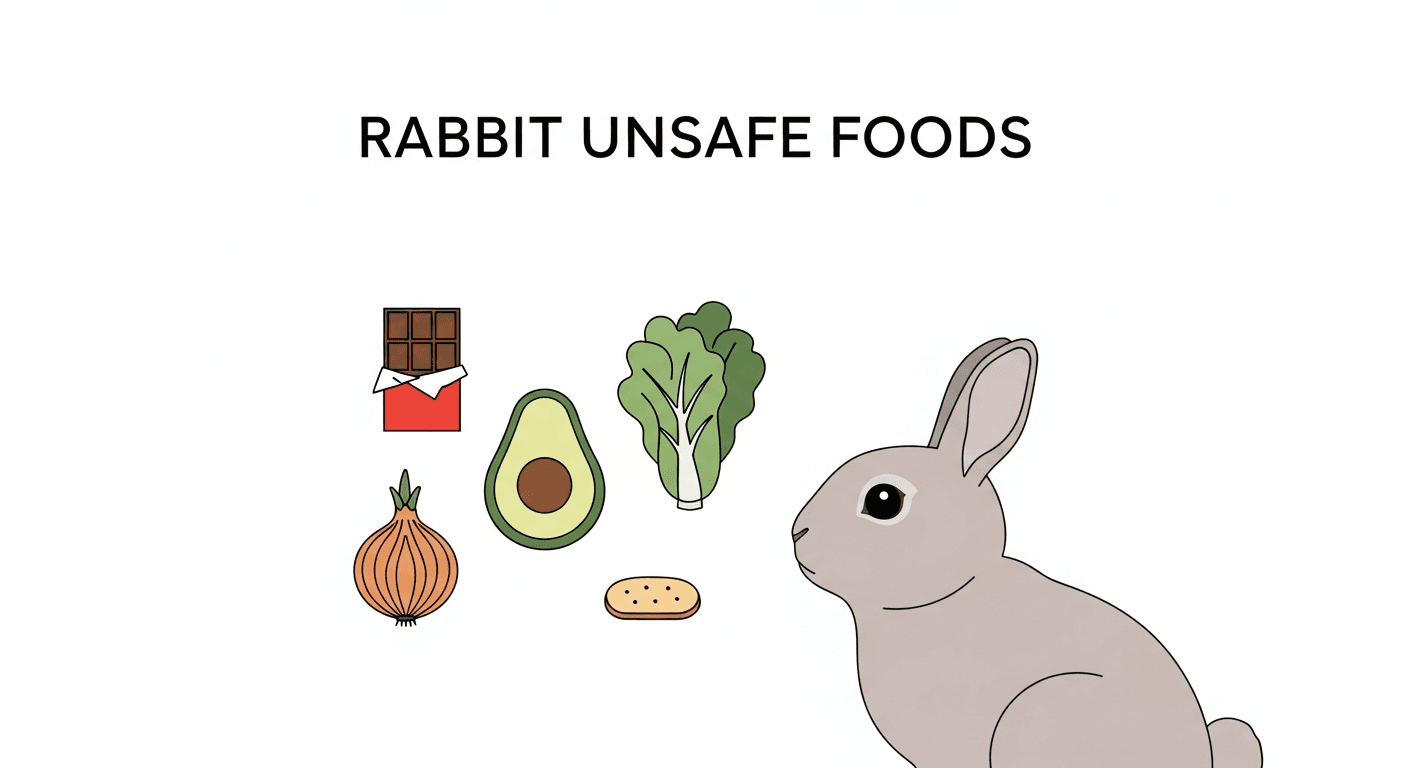
Why Rabbits Are Sensitive to Many Foods
Rabbits evolved as specialized herbivores with a highly sensitive digestive system tuned for fibrous plant material. Their cecal bacteria can be disrupted by high-sugar foods, fermentable carbohydrates, and certain plant chemicals. Unlike dogs and cats, rabbits cannot easily eliminate toxins through vomiting (they cannot vomit), making dietary toxicity particularly dangerous. Several foods commonly fed to rabbits — often out of the best intentions — actually cause harm.
Foods to Avoid Completely
- All human treats and processed foods: Crackers, cereals, bread, pasta, cookies — these high-carbohydrate foods cause dangerous cecal dysbiosis and GI stasis
- Dairy products: Rabbits are lactose intolerant and do not benefit from any dairy
- Onions, garlic, leeks, and chives: Cause hemolytic anemia
- Avocado: Persin toxicity — potentially fatal
- Iceberg lettuce: Contains lactucarium which causes diarrhea and has no nutritional value
- Potatoes and other starchy vegetables: Too high in starch for rabbit digestion
- Commercial "rabbit treat" items: Most contain sugar, artificial colors, and preservatives harmful to rabbit gut health
- Nuts and seeds: Too high in fat; not appropriate for rabbit digestive systems
Toxic Plants to Remove from the Rabbit's Environment
- Foxglove, lily of the valley, rhubarb leaves (the leaves, not the stem), nightshade family plants, buttercups, holly, ivy
- Many houseplants are toxic — research any plant in the rabbit's living area before allowing access
When to Go to the Vet Immediately
- Suspected ingestion of any toxic plant or food listed above
- Sudden GI upset after a dietary change or suspected toxin exposure
Track Diet Safety with TailRounds
If you suspect your rabbit ate something potentially harmful, note the time, substance, and quantity in the TailRounds Daily Log before calling your vet — this information helps determine urgency and treatment.
Book a Vet Appointment
Any suspected toxic ingestion in a rabbit is an emergency. Book at Happy Paws immediately for assessment and supportive care.
Summary for Your Clinic Visit
Tell your vet what the rabbit ate, how much, when it occurred, and what symptoms are present. Bring the plant or food packaging if available.
Continue Reading
 🐇 Rabbit Health
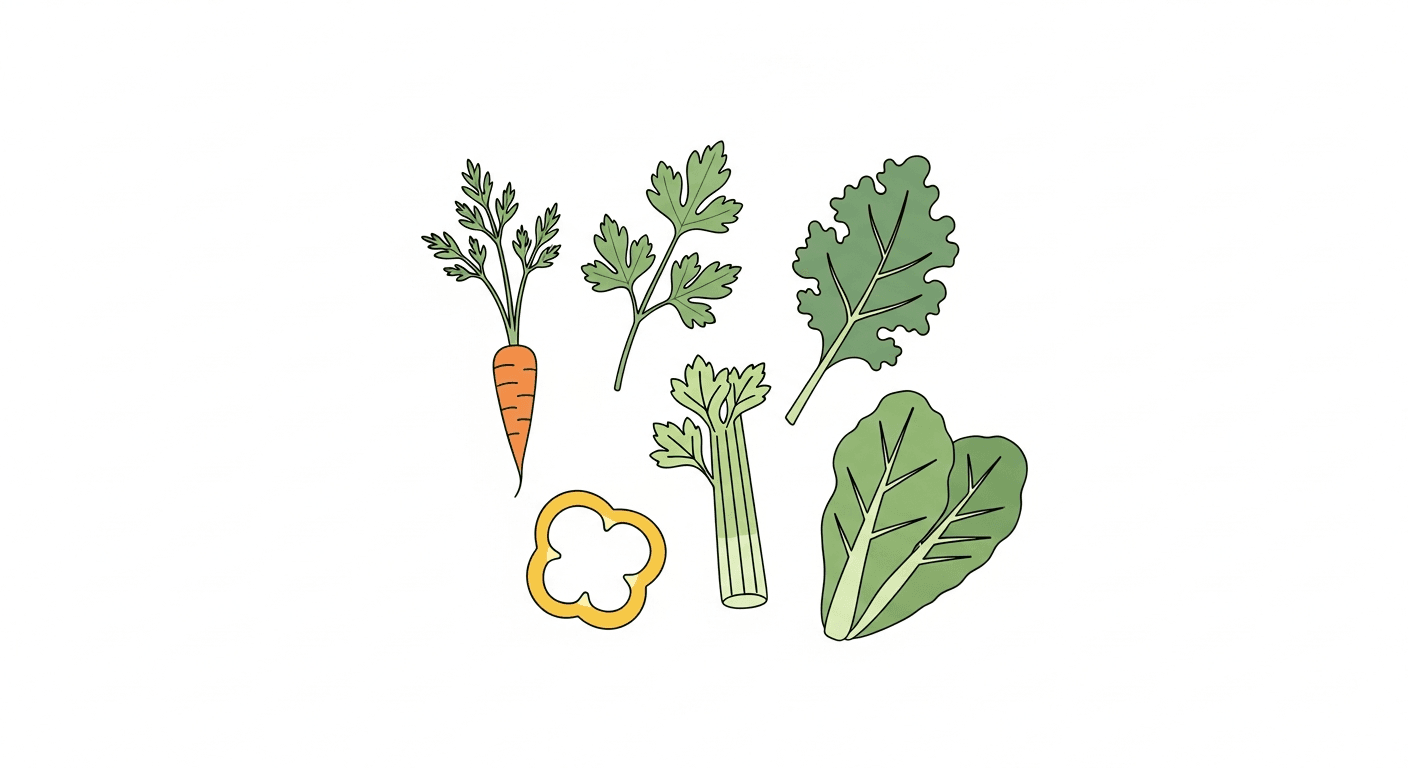
Safe Vegetables for Rabbits: A Complete Guide
Not all vegetables are created equal for rabbits. Learn which leafy greens are safe and beneficial, and how to introduce them without digestive upset.
 🐇 Rabbit Health
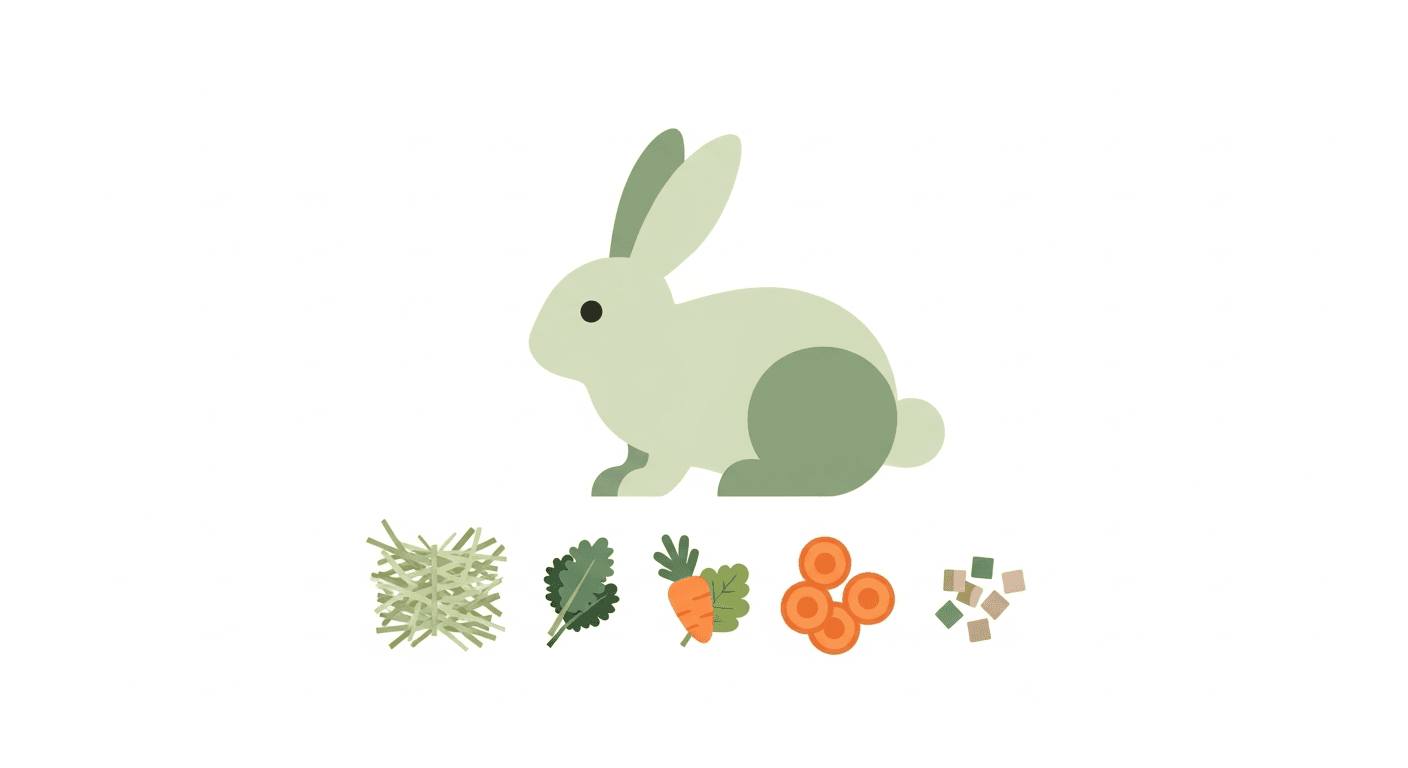
Complete Rabbit Diet Guide: Hay, Vegetables, and What to Avoid
The right diet is the foundation of rabbit health. Learn the correct proportions of hay, greens, and pellets — and which common foods are dangerous for rabbits.
 🐇 Rabbit Health
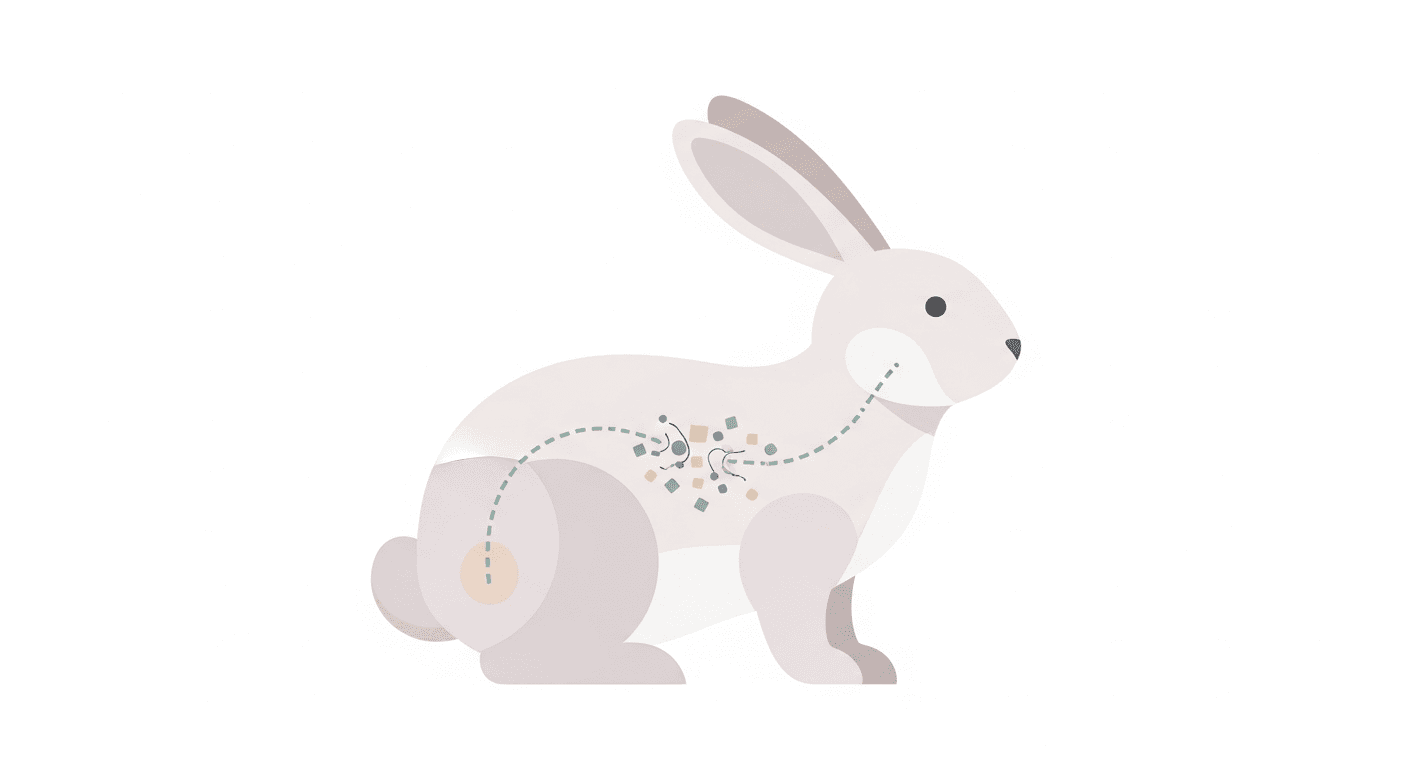
GI Stasis in Rabbits: What Every Owner Must Know
GI stasis kills rabbits within 24–48 hours if untreated. Learn to recognize the early signs, what causes it, and how treatment works.
 🐇 Rabbit Health
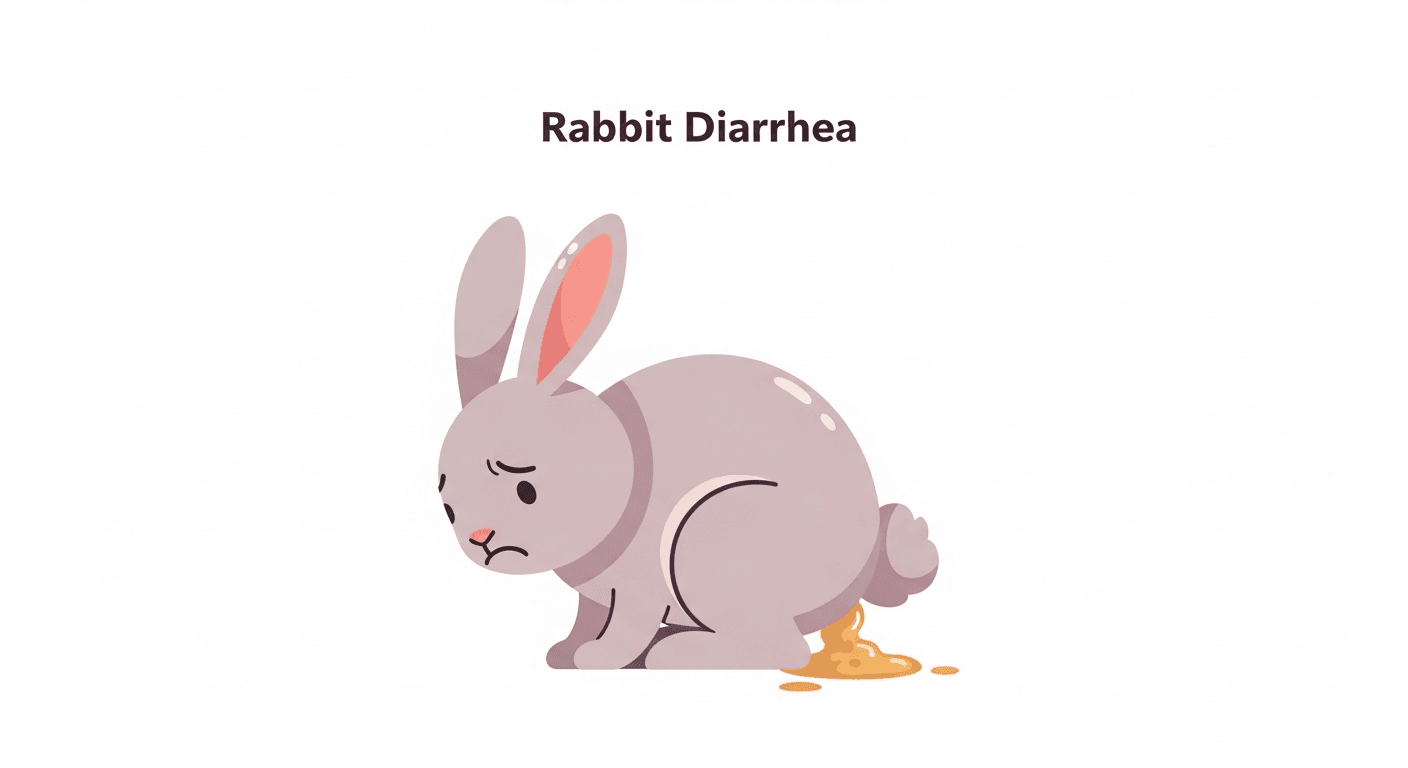
Rabbit Diarrhea vs. Soft Cecotropes: Know the Difference
True diarrhea in rabbits is a medical emergency. Learn to distinguish it from normal cecotropes and understand what genuine diarrhea means for rabbit health.