
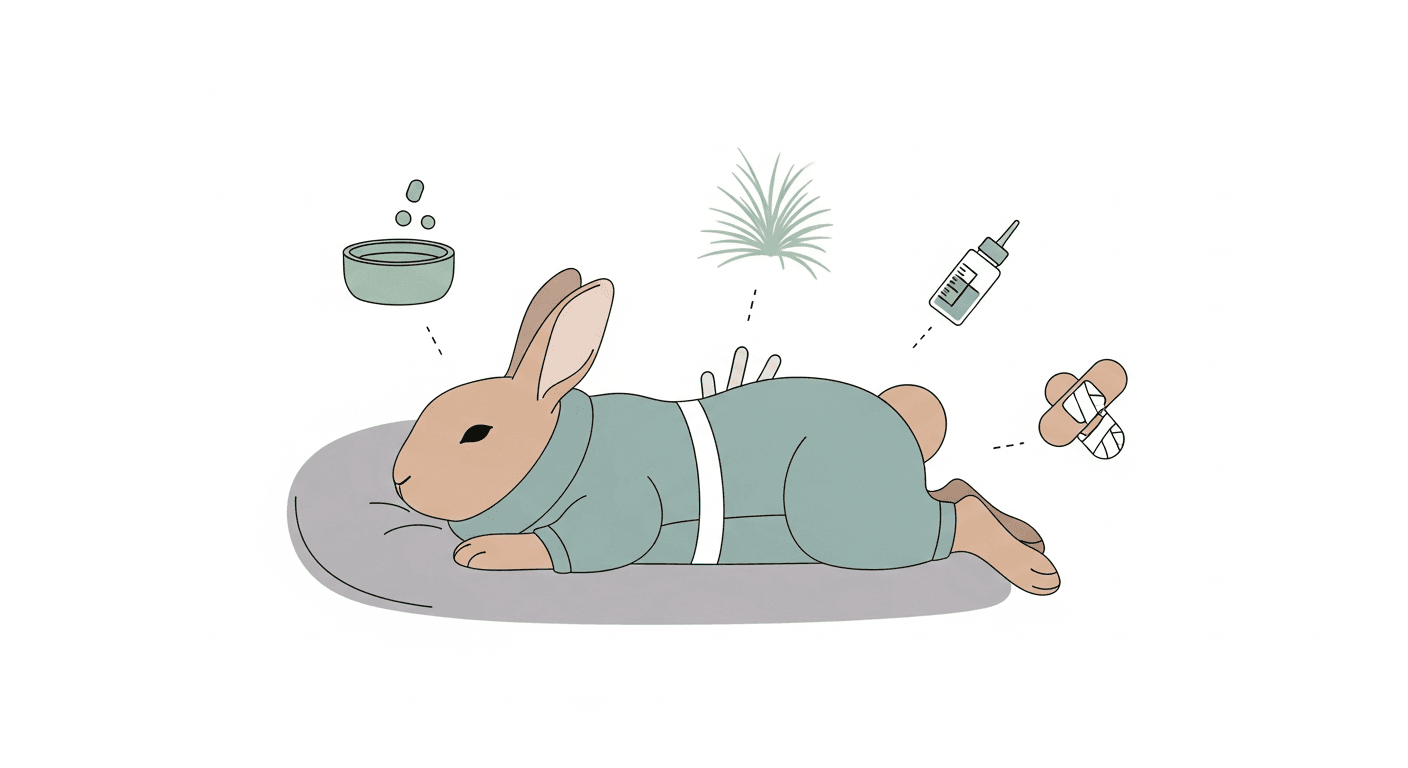
Why Is Spaying Critical for Female Rabbits?
Unspayed female rabbits face an extraordinarily high risk of uterine cancer — studies estimate 50–80% of unspayed females develop uterine adenocarcinoma by age 5. Spaying before age 2–3 eliminates this risk entirely. Spaying also prevents uterine infections (pyometra), phantom pregnancies, hormonal aggression, and makes bonding with a male rabbit possible. The surgery is more involved in rabbits than in dogs or cats, making the post-operative period particularly important.
First 3 Steps for Post-Spay Recovery
- Ensure the rabbit eats as soon as possible after returning home: Unlike dogs and cats, rabbits must not go without food after surgery — their gut will slow into stasis within hours. Offer high-value greens, hay, and critical care if the rabbit doesn't eat voluntarily within 4–6 hours of arriving home.
- Keep the rabbit warm and quiet, but encourage gentle movement: Maintain a temperature of 20–22°C. Provide a small, safe space without the possibility of jumping. Gentle movement is better than complete immobility — short periods of movement help restart gut motility.
- Check the incision site twice daily: Look for swelling, redness, discharge, or wound separation. A small amount of bruising is normal. Any opening of the wound or signs of infection (heat, swelling, smell) requires an immediate vet call.
When to Go to the Vet Immediately
- Rabbit not eating within 6–8 hours of arriving home — stasis risk
- No droppings within 6 hours post-surgery
- Incision opening, excessive swelling, or signs of infection
- Signs of internal bleeding: pale gums, distended belly, rapid deterioration
- Rabbit in evident pain — teeth grinding, reluctance to move, hunched posture
Follow-Up Care Checklist
- Administer gut motility medication and pain relief exactly as prescribed
- Syringe-feed critical care if the rabbit isn't eating voluntarily
- Restrict jumping and climbing for 10–14 days
- Attend the suture recheck at 10–14 days post-surgery
Track Post-Surgical Recovery with TailRounds
Log hay intake, droppings, incision appearance, and medication administration every 4–6 hours in the first 48 hours post-surgery using the TailRounds Daily Log. This intensive monitoring catches complications before they become serious.
Book a Vet Appointment
Schedule the post-surgical recheck before leaving the clinic. Book at Happy Paws for your 10–14 day suture check and gut motility assessment.
Summary for Your Clinic Visit
Bring your recovery log, describe eating and dropping frequency since surgery, show the incision to the vet, and mention any concerns about the rabbit's comfort level.
Continue Reading
 🐇 Rabbit Health
Rabbit Not Eating: Why It's Always Serious
Rabbits that stop eating for even a few hours can develop life-threatening GI stasis. Learn to recognize early warning signs and when to act.
 🐇 Rabbit Health
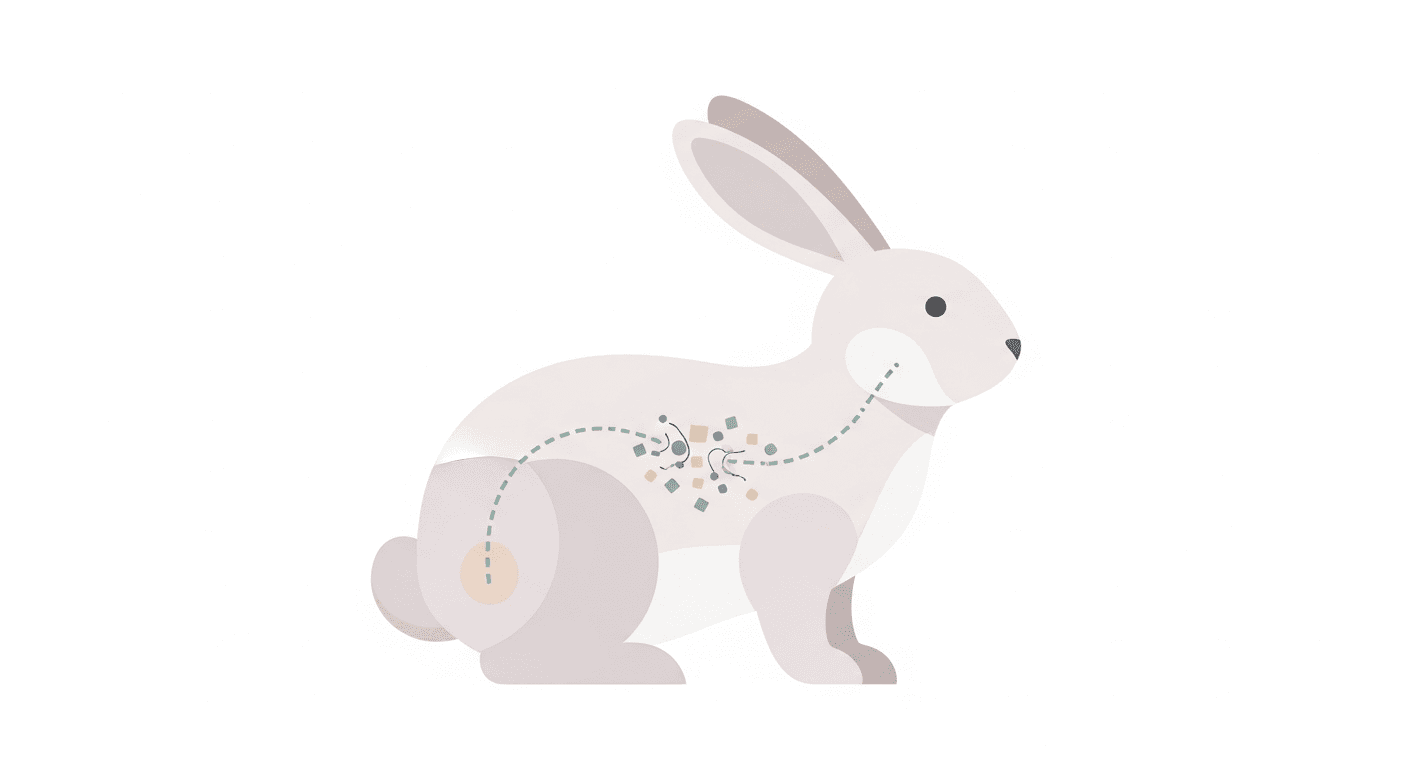
GI Stasis in Rabbits: What Every Owner Must Know
GI stasis kills rabbits within 24–48 hours if untreated. Learn to recognize the early signs, what causes it, and how treatment works.
 🐇 Rabbit Health
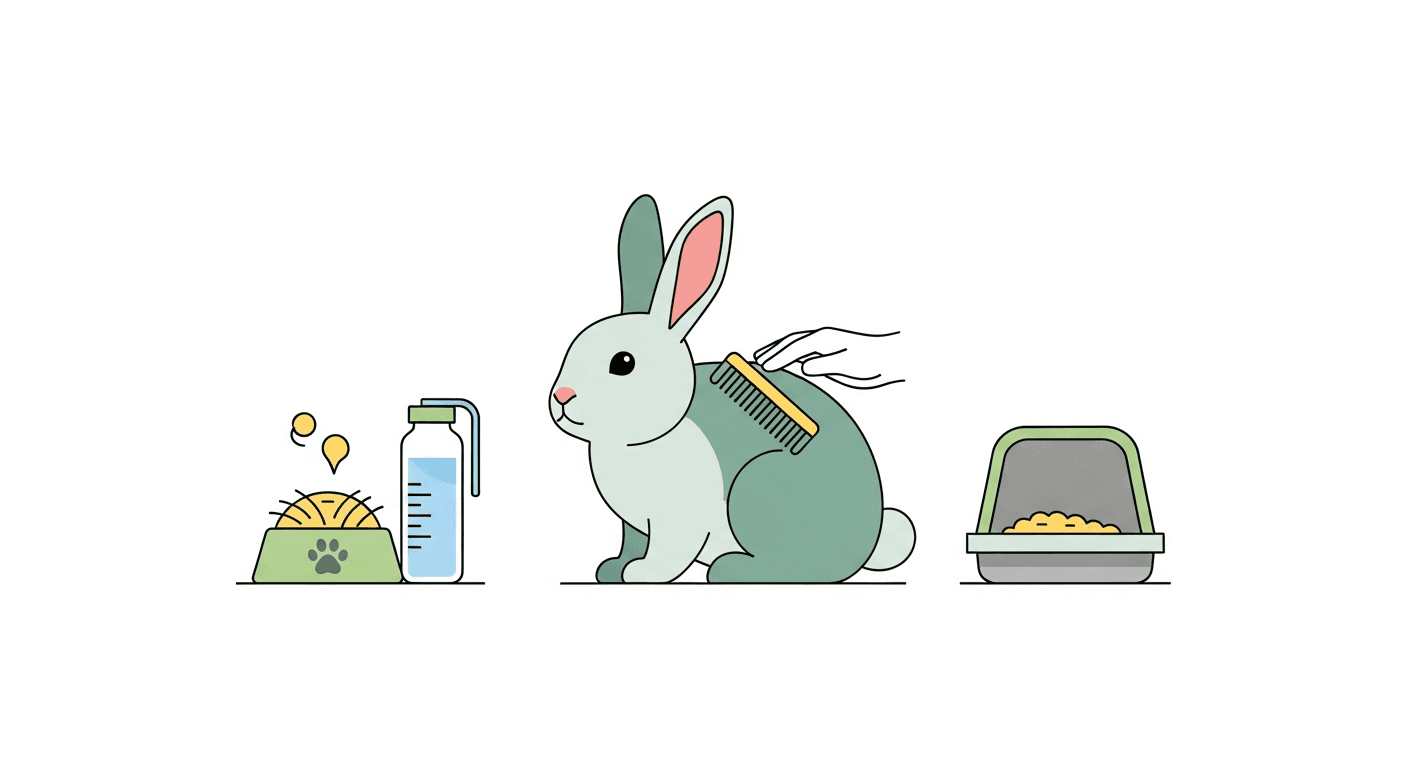
Daily Rabbit Care Routine: A Complete Health Checklist
A healthy rabbit requires daily observation and specific care tasks. This routine helps you catch health problems early and keep your rabbit thriving.
 🐇 Rabbit Health
Lumps and Bumps on Rabbits: What to Do When You Find One
Not all lumps in rabbits are cancerous, but they all need evaluation. Learn about abscesses, cysts, and neoplasia in rabbits and when to act.