
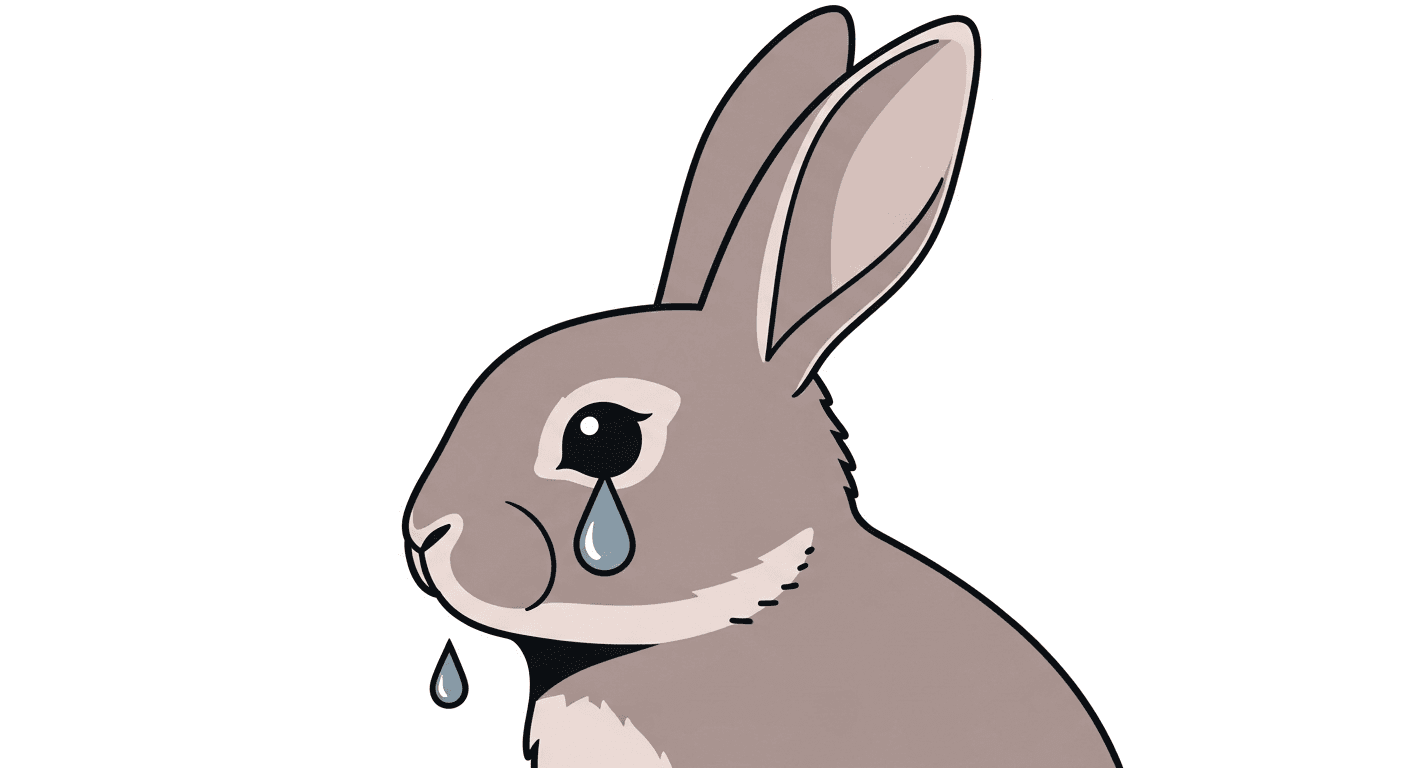
Why Do Rabbits Get Eye Discharge?
Eye discharge (epiphora) in rabbits is very common and usually results from blocked tear ducts (dacryocystitis). The rabbit's nasolacrimal duct — which drains tears from the eye into the nasal cavity — is uniquely narrow in rabbits and easily blocked by infection, dental root pressure, or anatomical compression (especially in dwarf breeds with flat faces). The tears back up and overflow onto the face, creating a wet, stained area below the inner corner of the eye. Chronic overflow creates a warm, moist environment where bacteria and skin infections develop.
First 3 Steps to Take at Home
- Clean the eye area daily: Use a clean damp cotton pad to gently wipe away discharge. Use separate pads for each eye. This prevents secondary skin infection and allows you to monitor the discharge character.
- Check for dental signs: In rabbits, unilateral (one-sided) eye discharge very commonly traces to a dental root abscess on that same side — the upper incisor or cheek tooth roots sit close to the nasolacrimal duct. If you notice wet eye on one side only, dental disease is high on the differential list.
- Assess the eye surface: Clear ocular discharge with a normal-looking eye (no cloudiness, squinting, or redness) suggests tear duct disease. Squinting, a visible white spot on the cornea, or redness of the eye itself suggests direct eye disease needing urgent assessment.
When to Go to the Vet Immediately
- Eye squinted shut or appearing painful
- Cloudiness, white spot, or visible damage to the eye surface
- Discharge that is thick and colored (yellow, green, white)
- Swelling around the eye or face
Follow-Up Care Checklist
- Tear duct flushing under sedation can temporarily clear blockages — discuss frequency with your vet
- If dental disease is the root cause, dental treatment is necessary for the eye problem to resolve
- Daily eye cleaning is ongoing management for most rabbits with chronic tear duct issues
Track Eye Discharge with TailRounds
Log discharge amount, color, and which eye is affected daily in the TailRounds Daily Log. This helps correlate the eye issue with dental problems or medication response.
Book a Vet Appointment
Eye discharge in rabbits warrants a thorough exam including dental assessment. Book at Happy Paws with our exotic team for a full workup.
Summary for Your Clinic Visit
Tell your vet which eye(s), how long the discharge has been present, the discharge character, whether the rabbit is sneezing or showing dental symptoms, and the breed.
Continue Reading
 🐇 Rabbit Health
Rabbit Sneezing: Pasteurellosis and Other Respiratory Causes
Sneezing in rabbits can be dust-related and mild — or a sign of Pasteurella infection. Learn to tell the difference and when treatment is needed.
 🐇 Rabbit Health
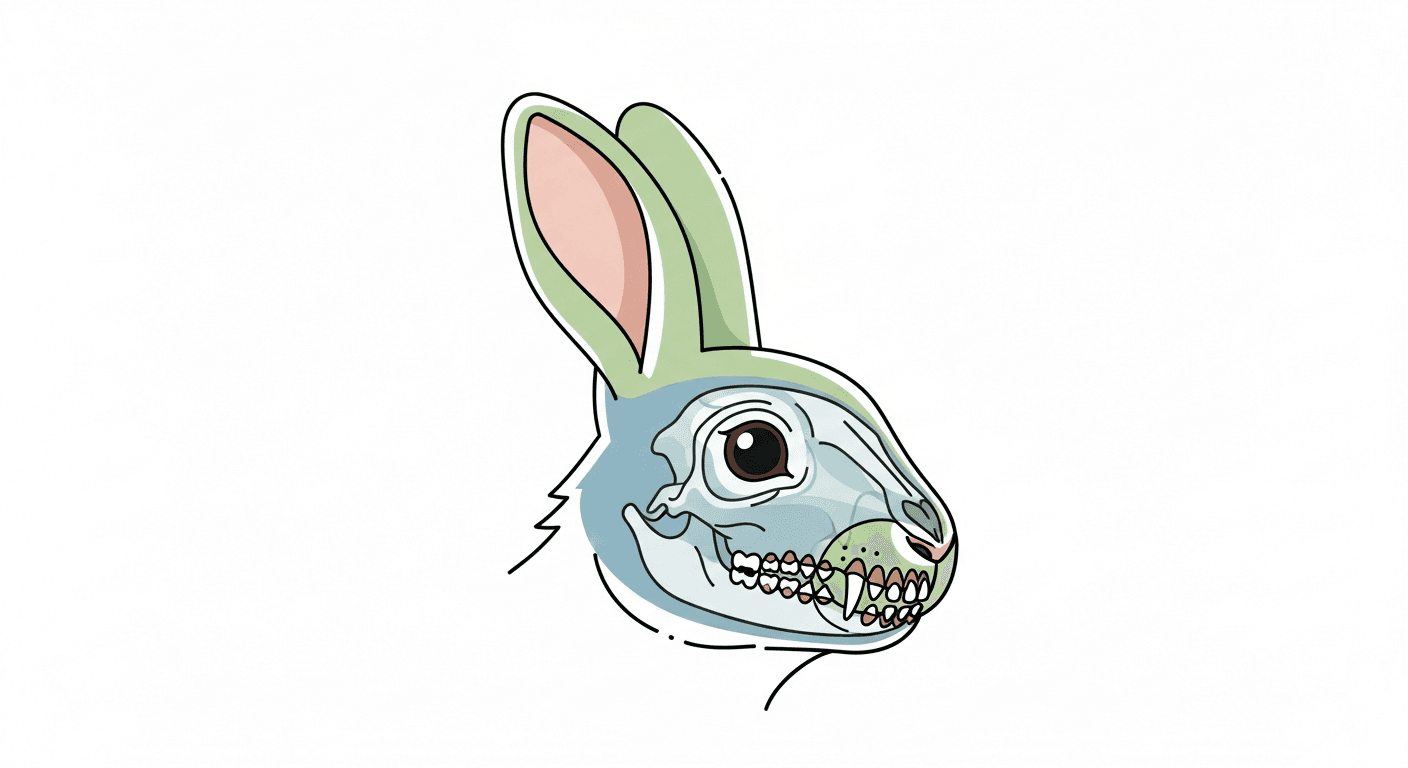
Rabbit Teeth Problems: Malocclusion, Spurs, and What to Do
Dental disease is the most common health problem in rabbits. Learn how teeth problems cause pain and what treatment looks like.
 🐇 Rabbit Health
Rabbit Not Eating: Why It's Always Serious
Rabbits that stop eating for even a few hours can develop life-threatening GI stasis. Learn to recognize early warning signs and when to act.
 🐇 Rabbit Health
Daily Rabbit Care Routine: A Complete Health Checklist
A healthy rabbit requires daily observation and specific care tasks. This routine helps you catch health problems early and keep your rabbit thriving.