
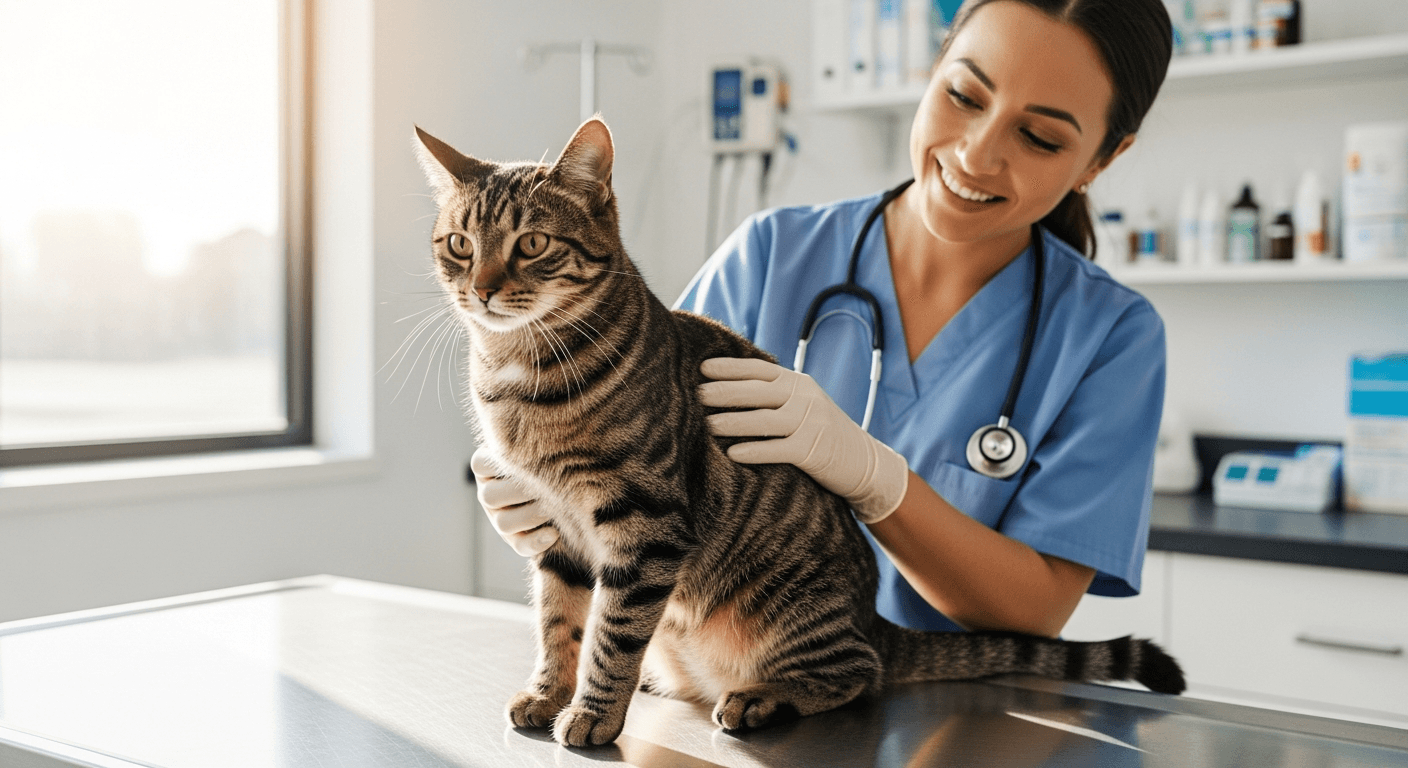
Cat Health
Expert veterinary advice for a healthy, happy cat — disease management, preventive care, and wellness tips.

Complete Cat Parasite Prevention Guide: Fleas, Worms, and Mites
A practical, year-round parasite prevention protocol for cats — covering which products to use, how often, and how to protect your family too.

Cat Worms: Types, Symptoms, and How to Deworm Safely
Roundworms, tapeworms, hookworms — cats can carry multiple intestinal parasites. Learn the signs, safe deworming options, and how often to treat.
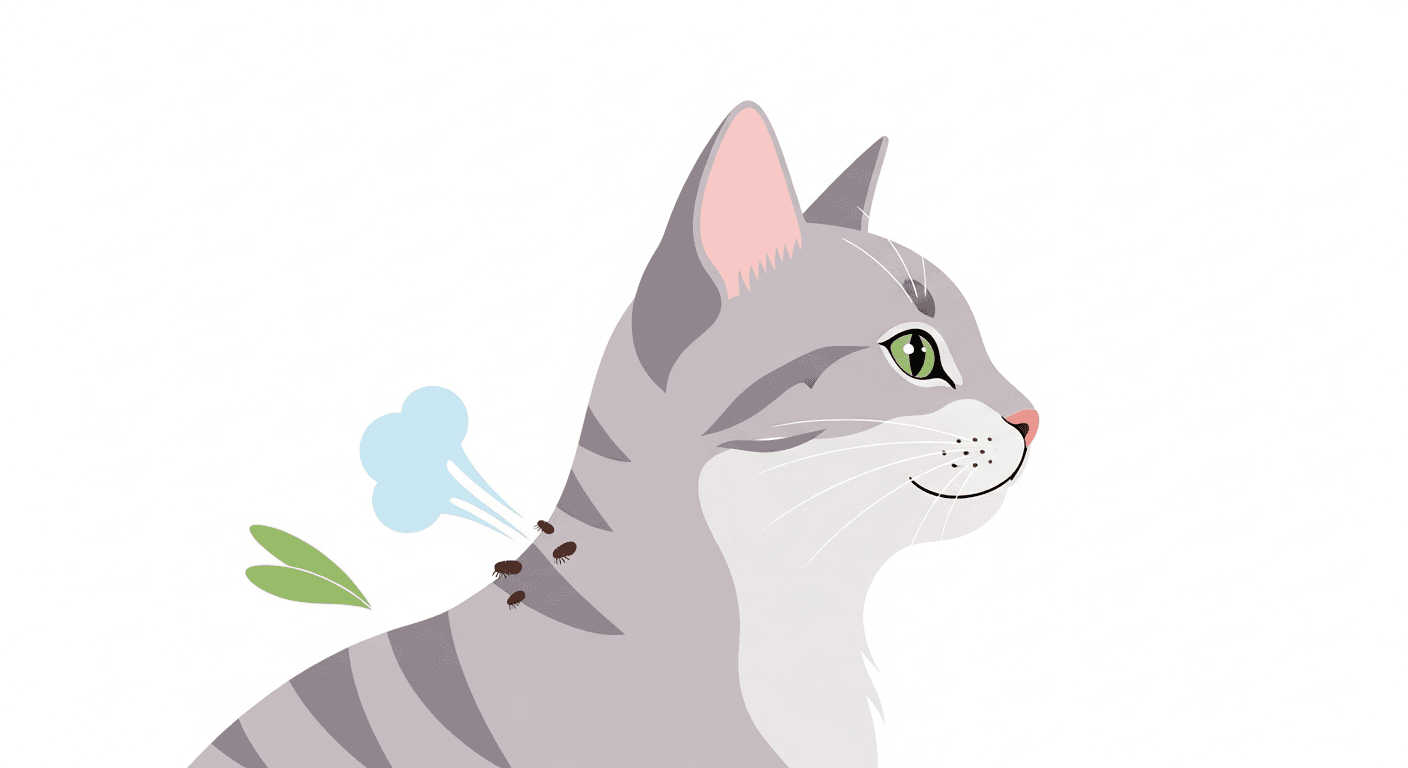
Cat Flea Treatment: What Actually Works and What Doesn't
Not all flea treatments are equal — some are ineffective, others unsafe for cats. Learn which products work, how to treat the environment, and how to prevent reinfestation.
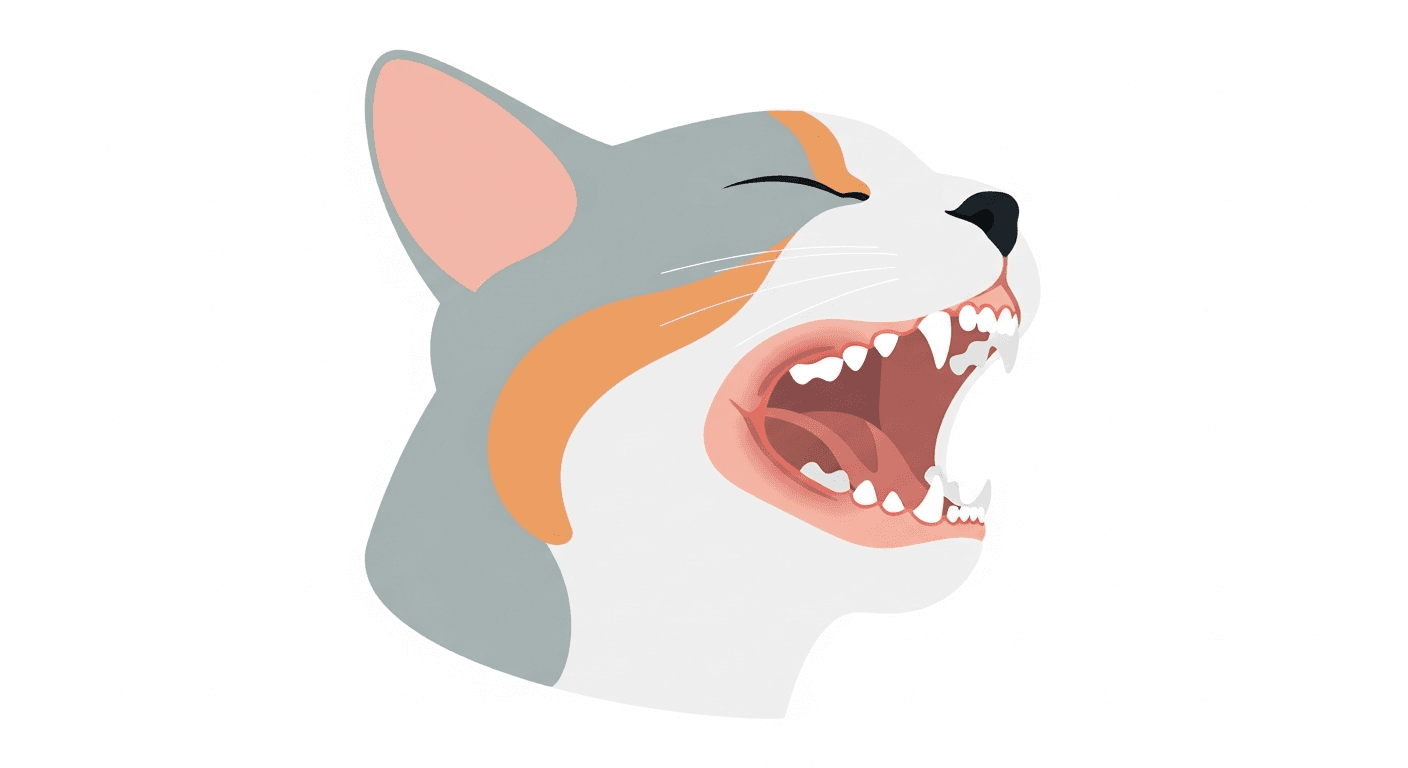
Cat Gum Disease: Stages, Signs, and What to Expect at the Vet
Periodontal disease is the most common disease in adult cats. Learn to recognize early signs, understand treatment stages, and prevent progression.
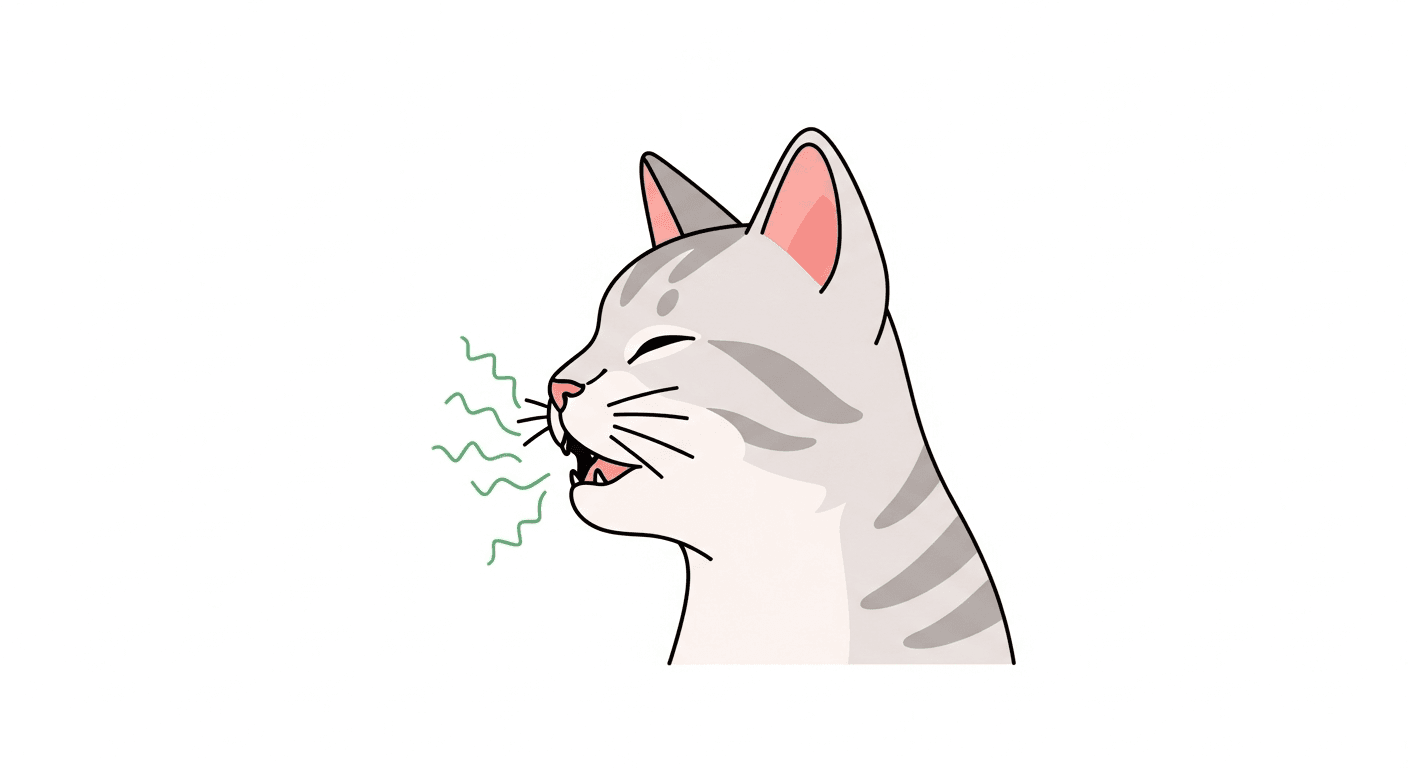
Cat Mouth Odor: Beyond Bad Breath — Stomatitis and Oral Tumors
Extremely foul odors from a cat's mouth can indicate stomatitis, tooth root abscesses, or oral tumors. Learn how to distinguish them and what treatment involves.

Cat Drooling: When Is It a Problem?
Some cats drool contentedly, but excessive or sudden drooling can signal oral pain, nausea, neurological issues, or toxin exposure.
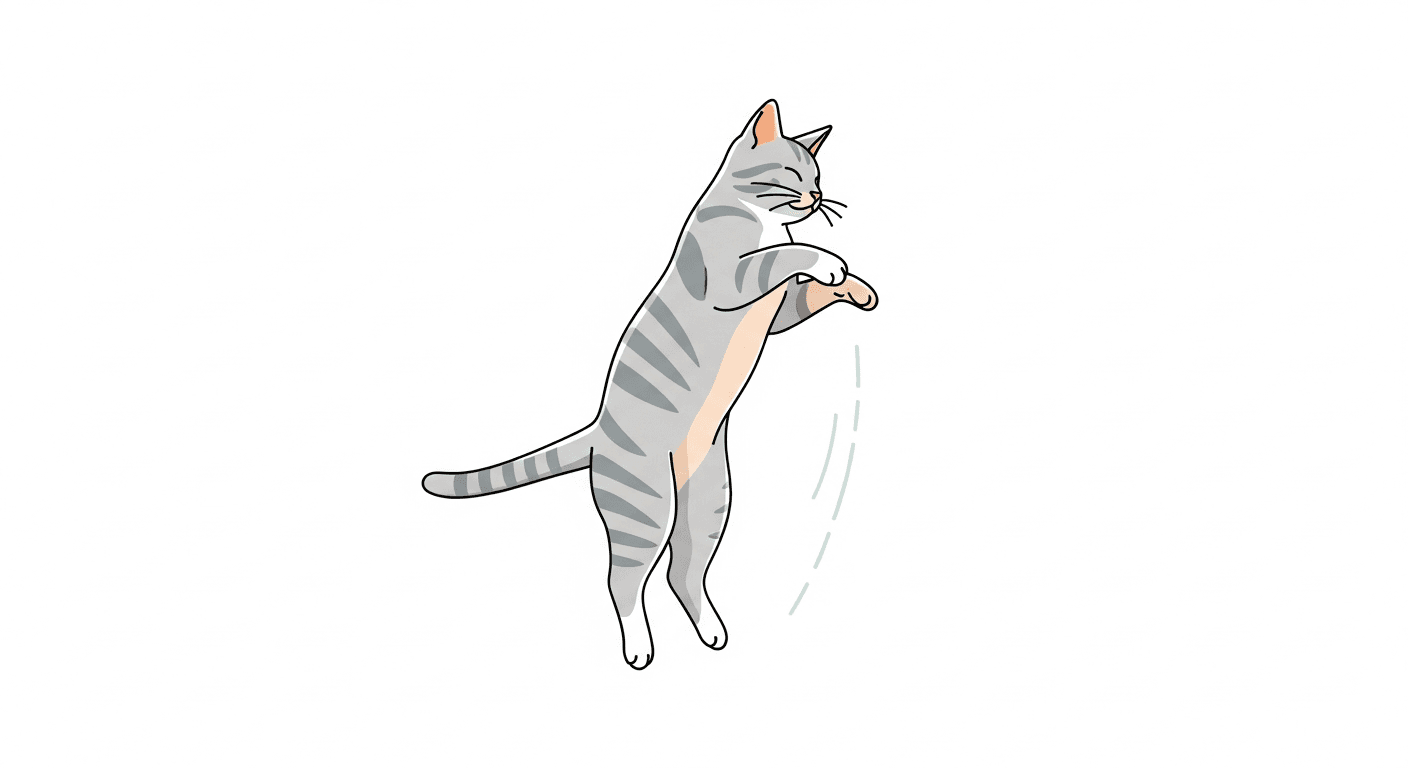
Cat Limping After Jumping or Landing: What Could It Be?
A cat that limps after a jump or landing may have sprained a joint, fractured a toe, or injured a ligament. Learn first aid steps and when imaging is needed.

Cat Limping with No Obvious Injury: Possible Causes
A cat that limps without a visible wound might have arthritis, a pulled muscle, or a bone infection. Learn how to assess limping and when to seek help.

Cat Eye Discharge: What the Color and Consistency Tell You
Clear, yellow, or green discharge from your cat's eyes each tells a different story. Learn what causes eye discharge and when it needs vet care.
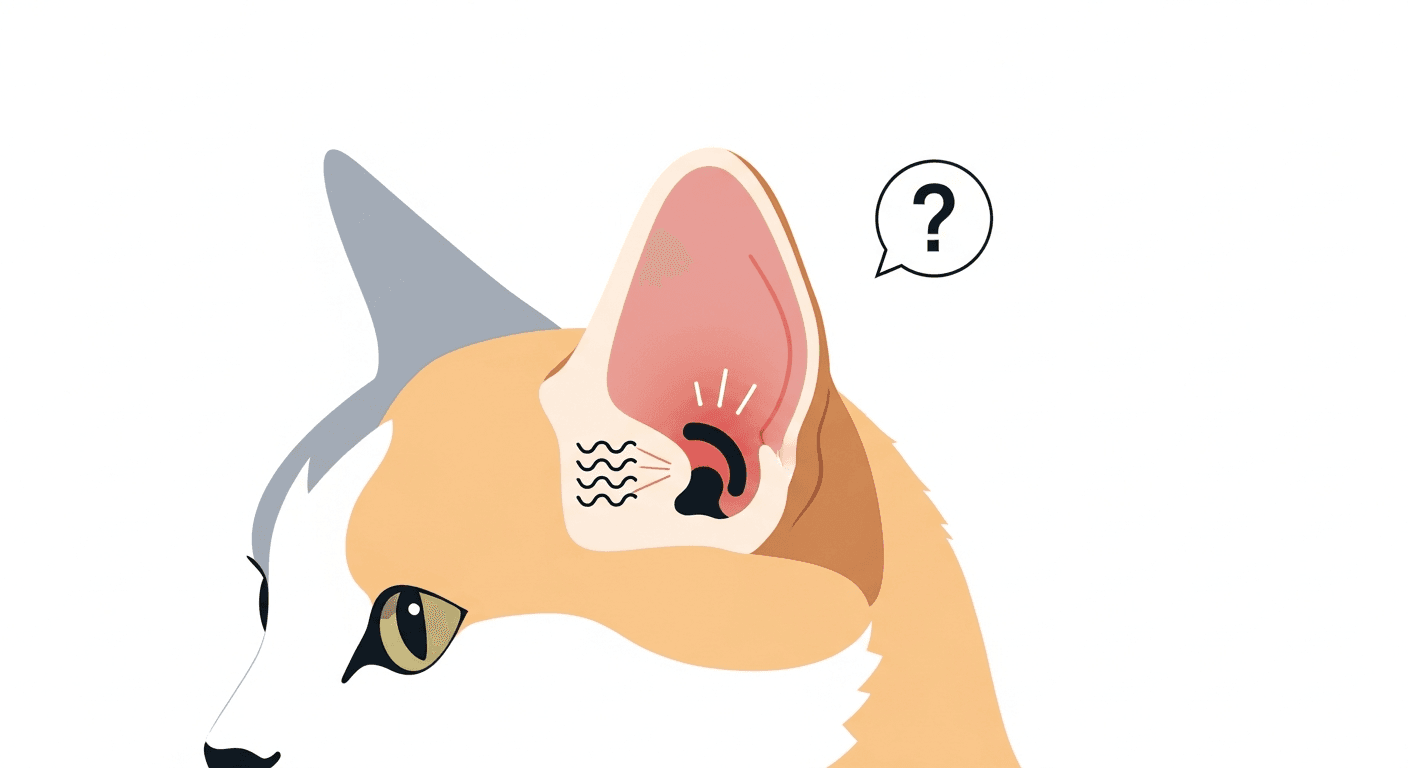
Cat Ear Infection: Signs, Causes, and Treatment
Bacterial and yeast ear infections in cats cause pain, discharge, and head-shaking. Learn to recognize the signs and what treatment looks like.
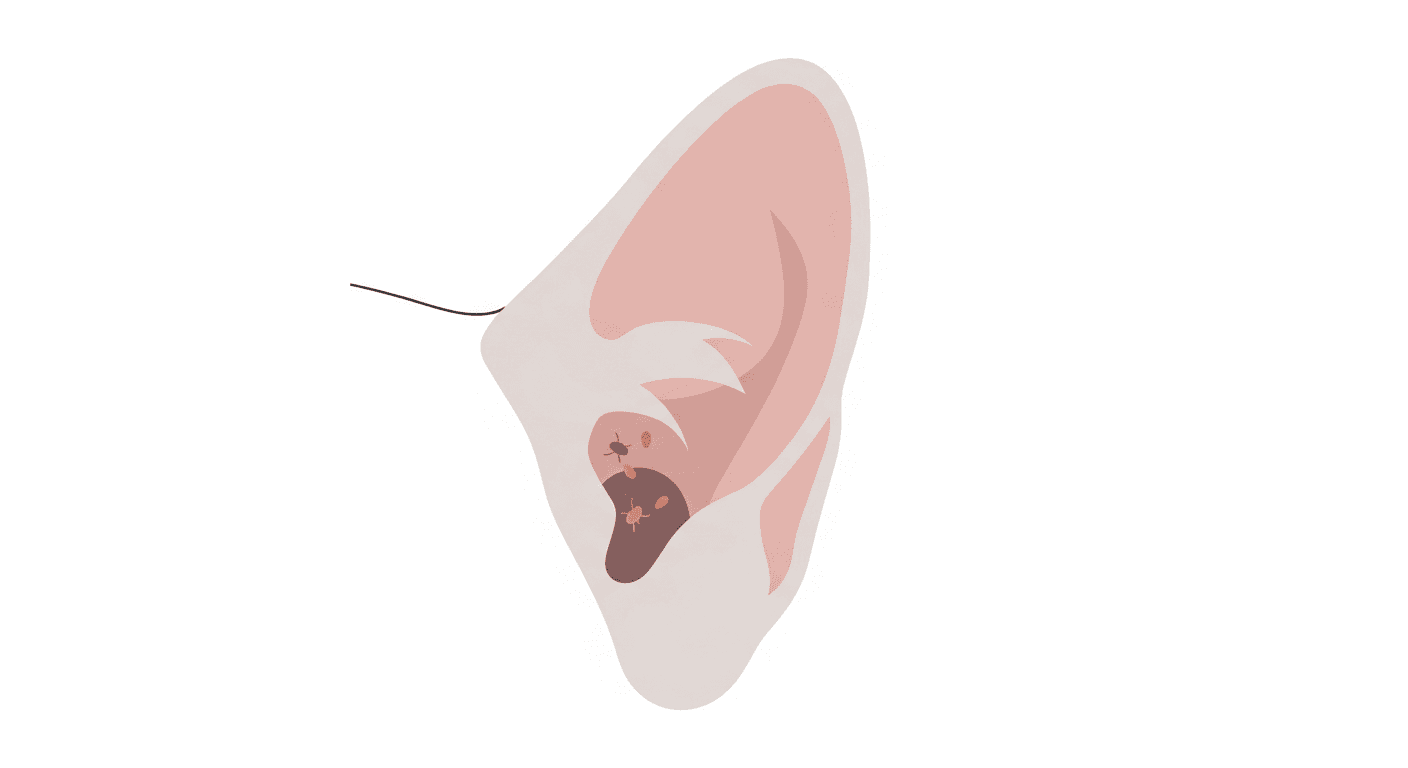
Cat Ear Mites: Symptoms, Treatment, and Prevention
Dark, crumbly discharge and intense ear scratching in cats often mean ear mites. Learn how to recognize, treat, and prevent them.
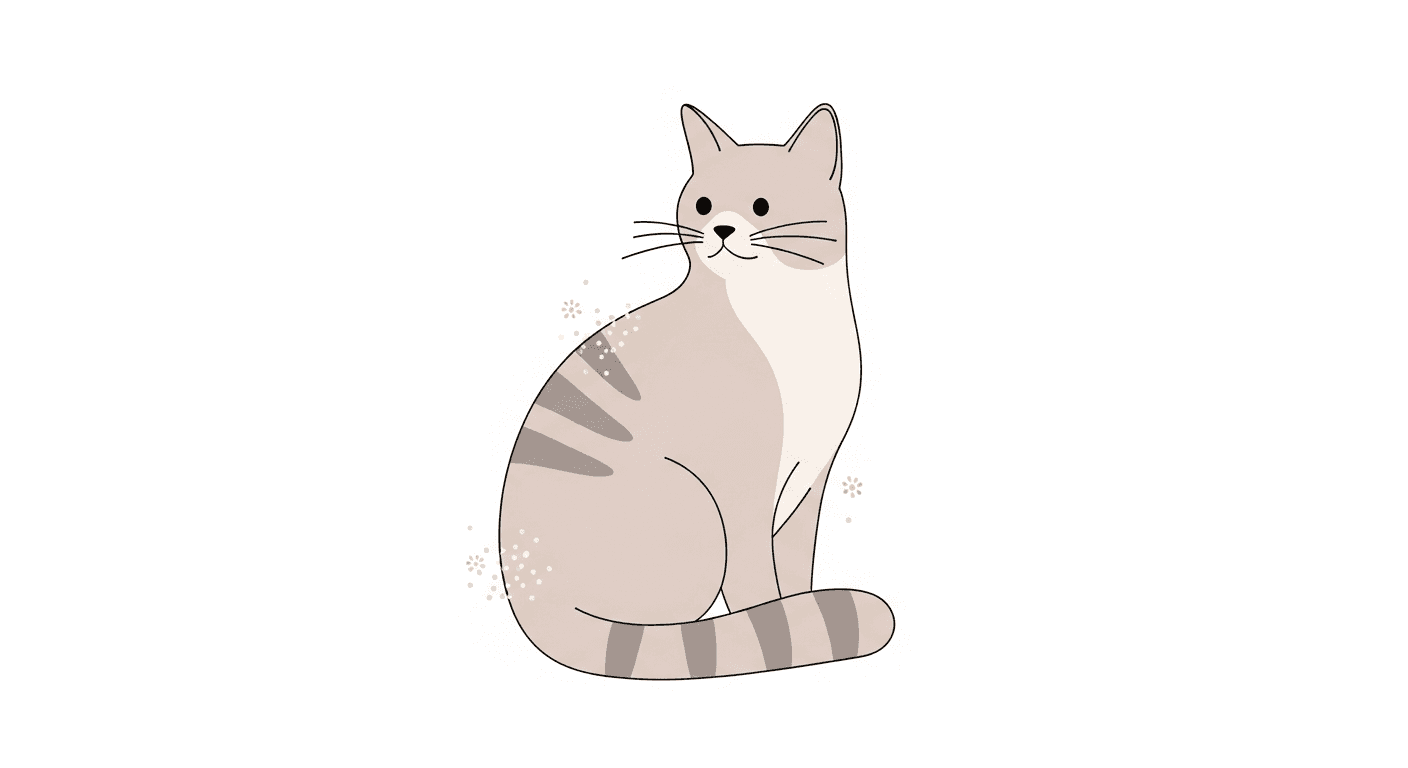
Cat Dandruff: Why It Happens and How to Help
White flakes on your cat's coat might be dandruff — or something more. Learn the causes of feline seborrhea and how to improve your cat's skin health.
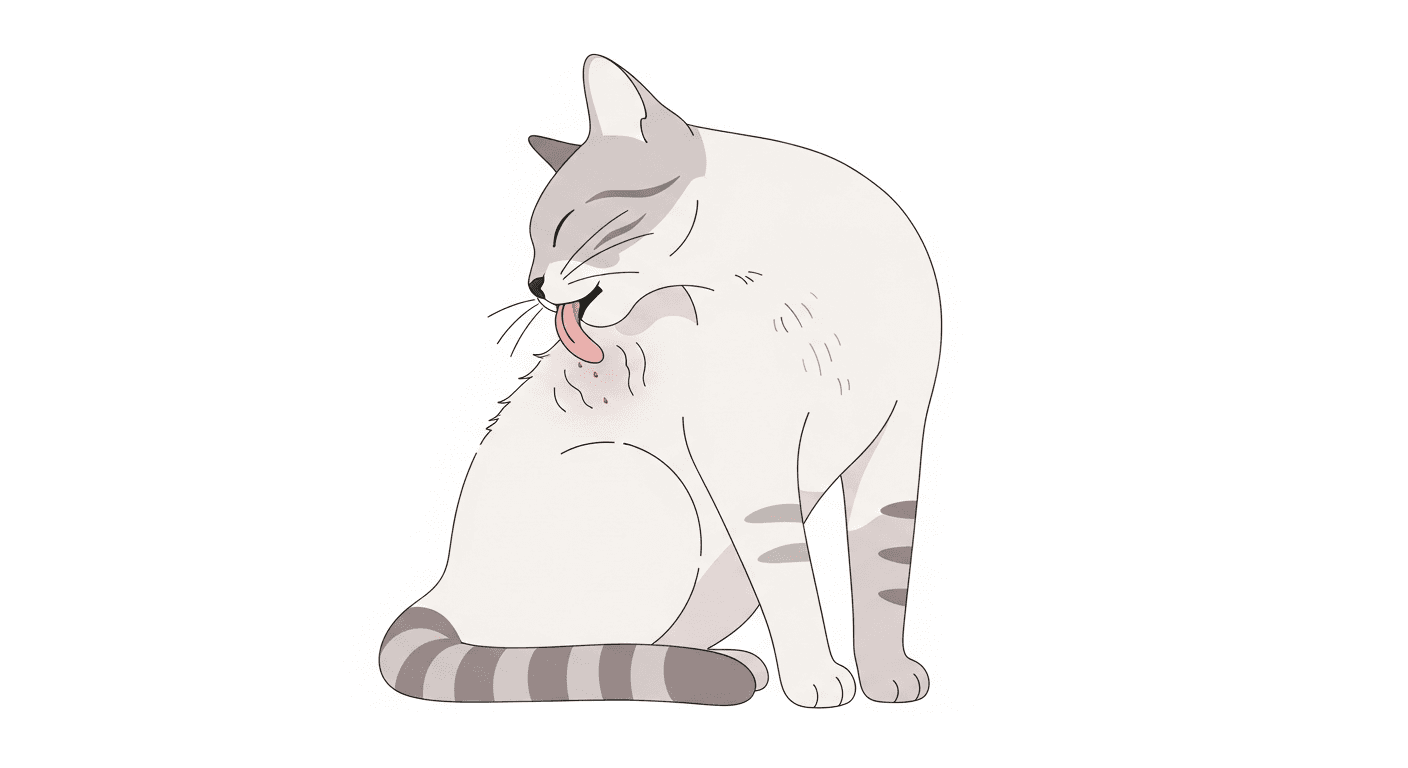
Itchy Cat: Allergies, Parasites, and Skin Disease Explained
An itchy cat scratches, bites, and over-grooms itself. Discover the most common causes of feline pruritus and how each is treated.
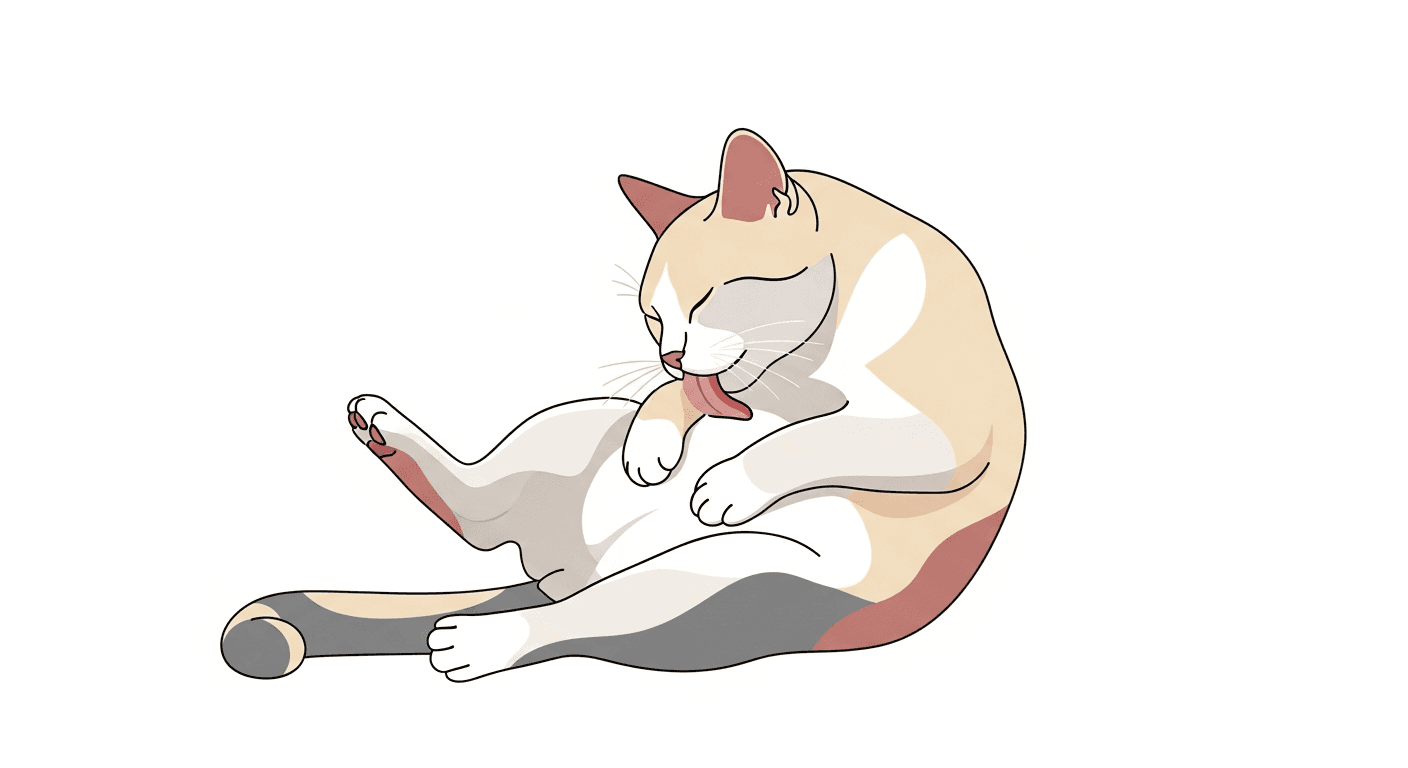
Cat Over-Grooming and Belly Licking: Causes and Solutions
Excessive licking and over-grooming in cats can be allergic, parasitic, or stress-related. Learn how to find the cause and stop the cycle.
Is Your Cat Too Tired? Signs of Lethargy vs Normal Rest
Cats sleep up to 16 hours a day — so how do you know when tiredness is actually lethargy? Learn the signs that distinguish normal rest from illness.
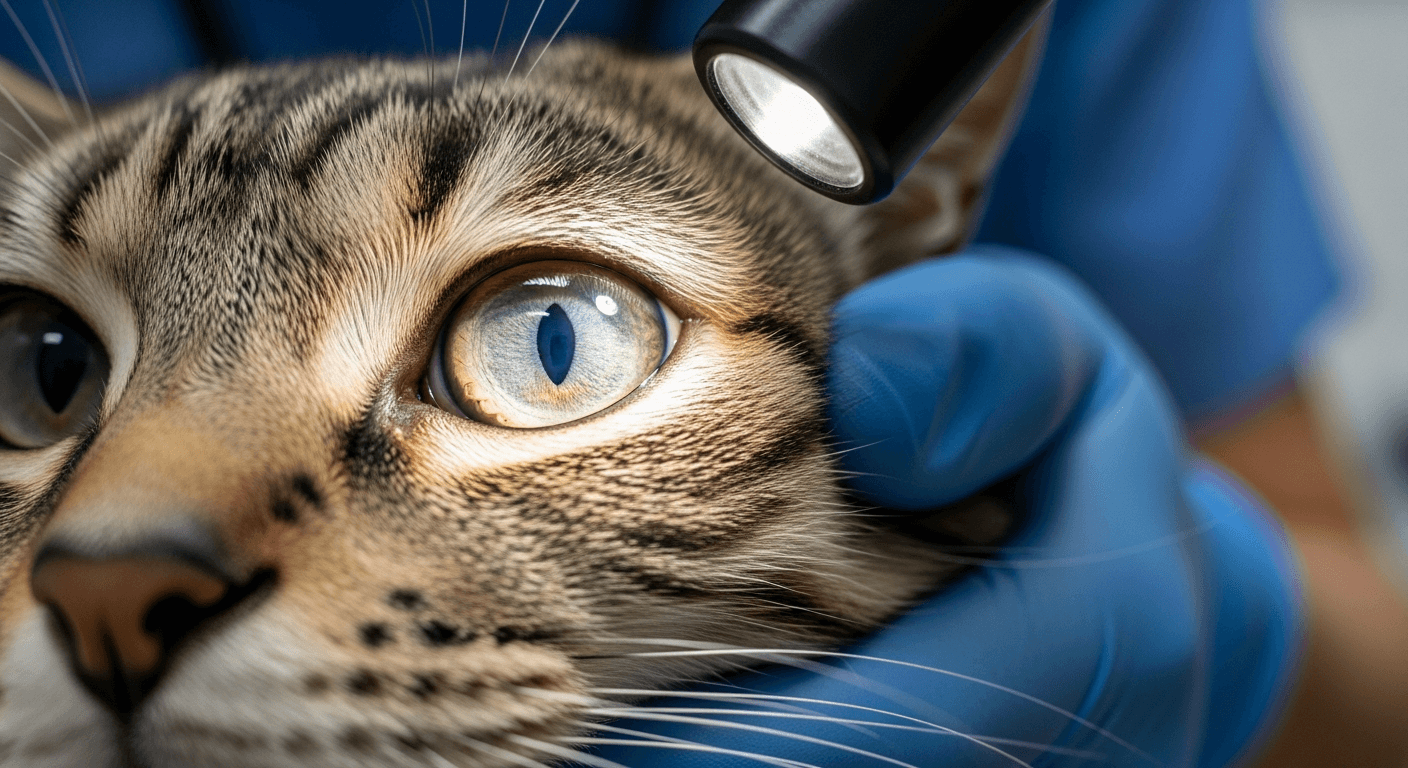
Cat Hiding More Than Usual: When Is It a Health Warning?
Cats hide when they're scared — but also when they're sick or in pain. Learn how to tell normal hiding from a health red flag.
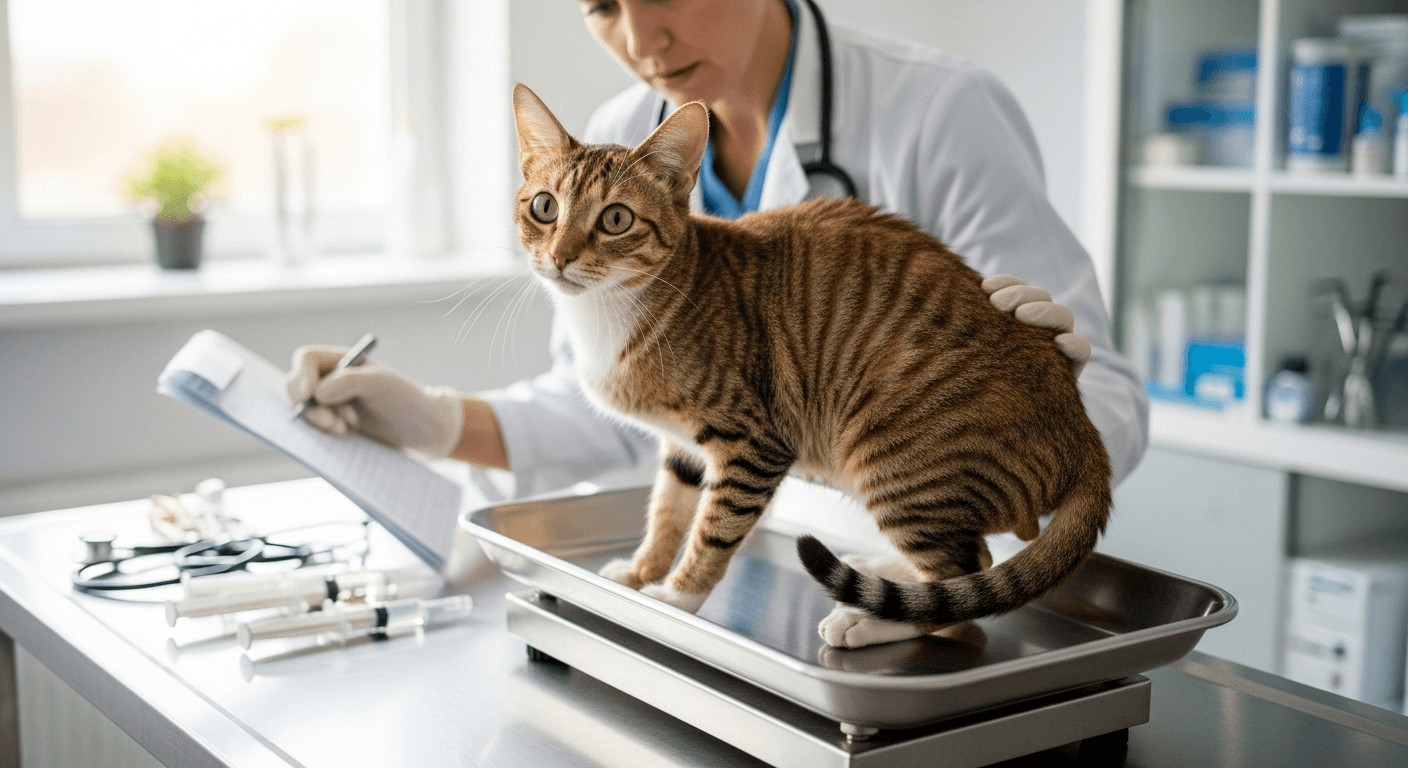
Cat Losing Weight But Still Eating: What's Going On?
When a cat loses weight despite eating well, something is preventing nutrient absorption or burning energy faster than food can supply it. Learn what to look for.
Cat Suddenly Not Using the Litter Box: 8 Common Reasons
A previously litter-trained cat avoiding the box is telling you something. Learn the 8 most common causes and how to address each one.
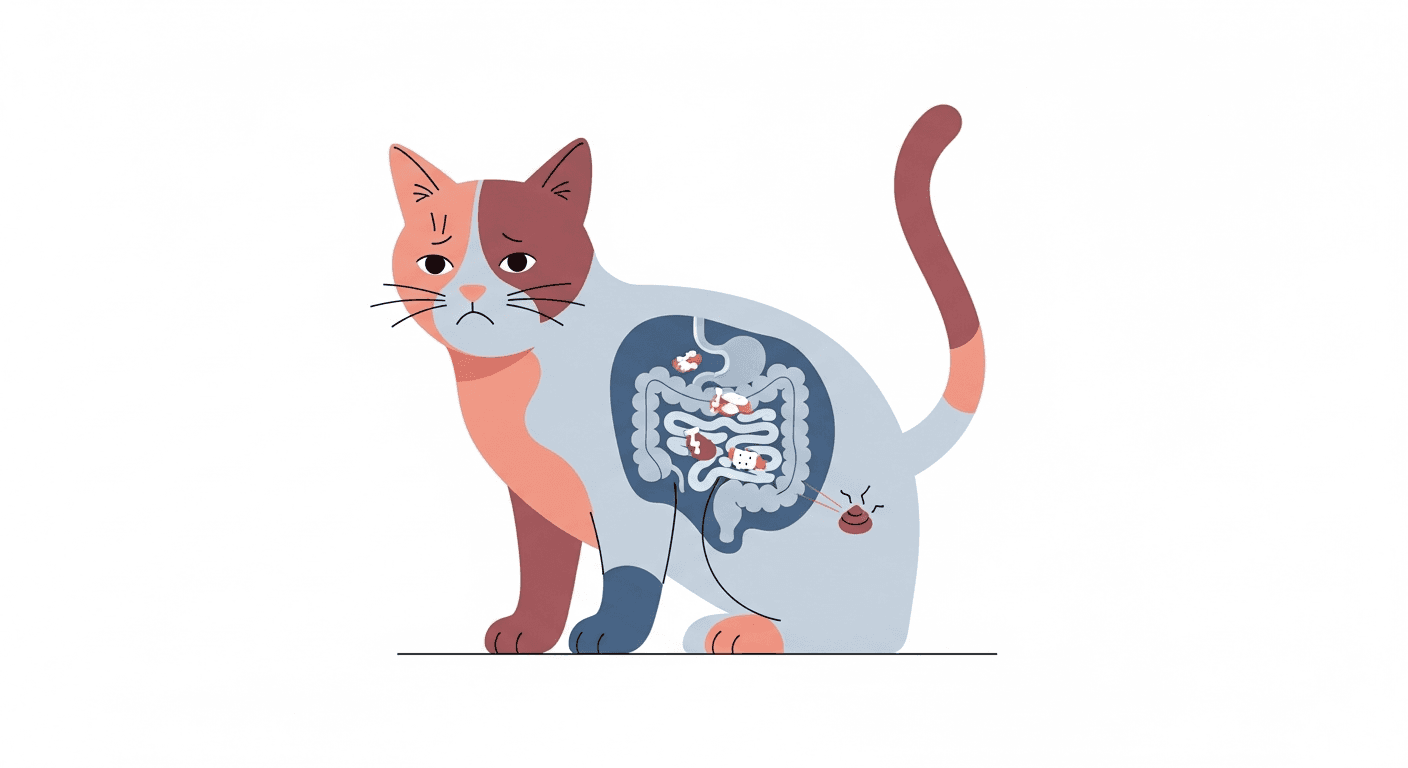
Cat Constipation: Signs, Causes, and Home Care
Learn how to recognize constipation in cats, when it becomes obstipation (a medical emergency), and how to help your cat stay regular.
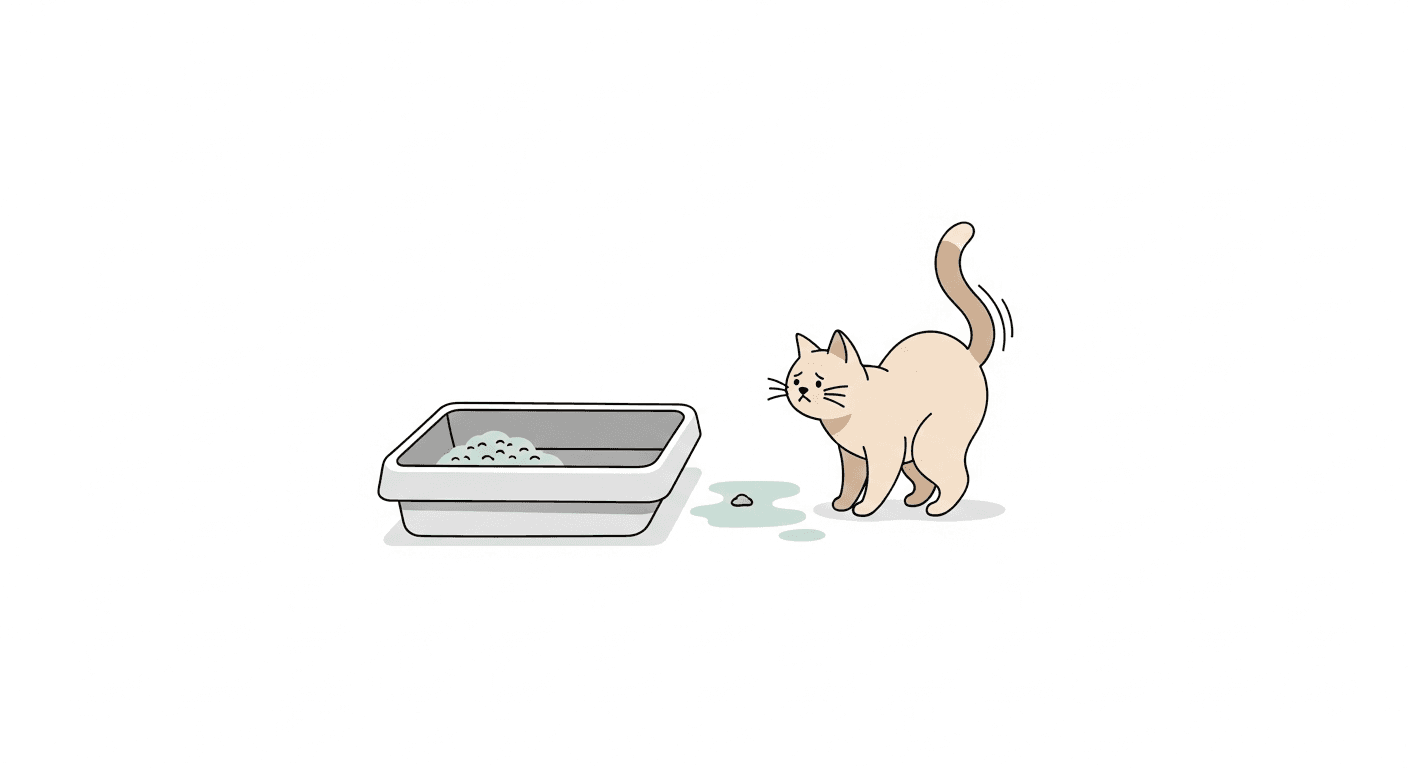
Cat Peeing Outside the Litter Box: Medical and Behavioral Causes
A cat suddenly avoiding the litter box can signal a urinary infection, crystals, or behavioral stress. Learn how to find the cause and address it properly.
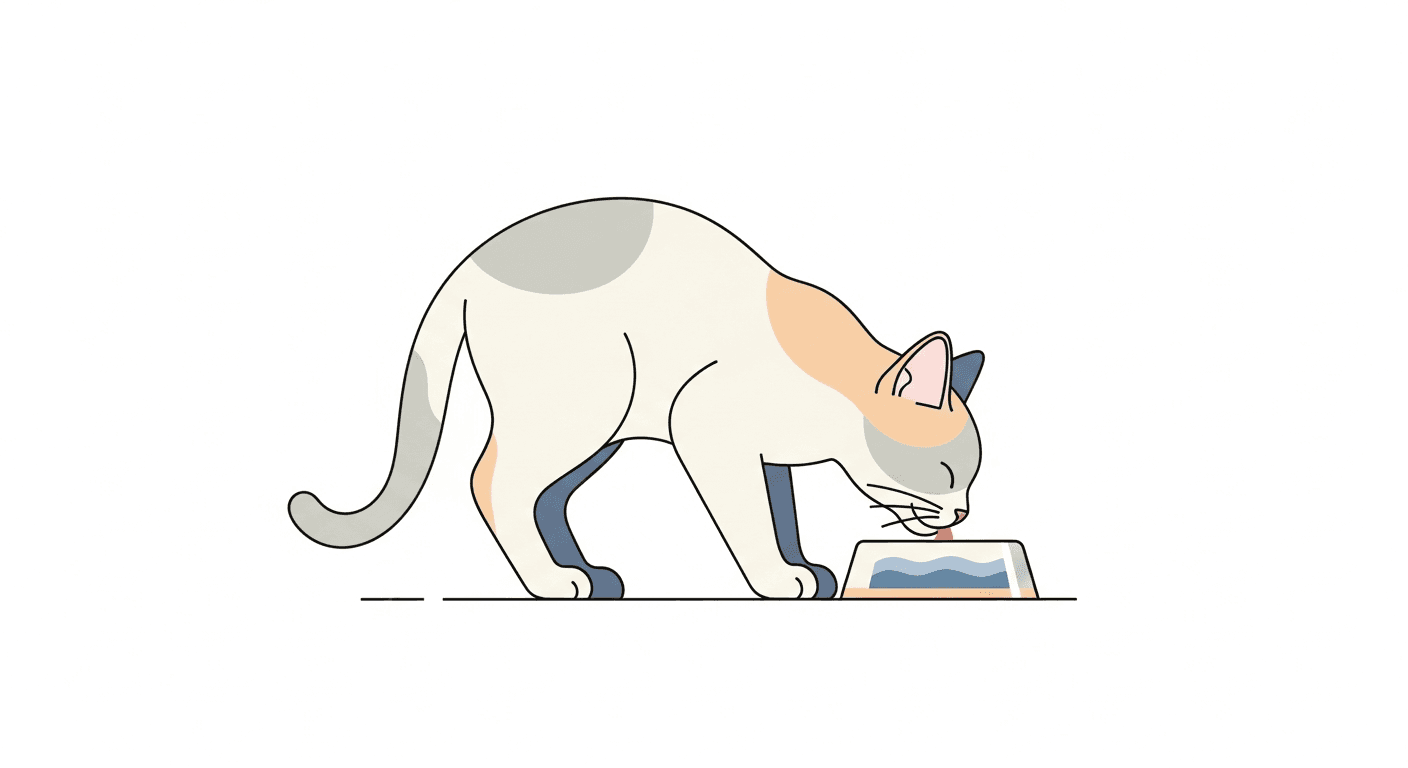
Cat Drinking More Water Than Usual: Causes and What to Do
Increased thirst in cats — called polydipsia — is a key symptom of kidney disease, diabetes, and hyperthyroidism. Here's how to recognize it and act.
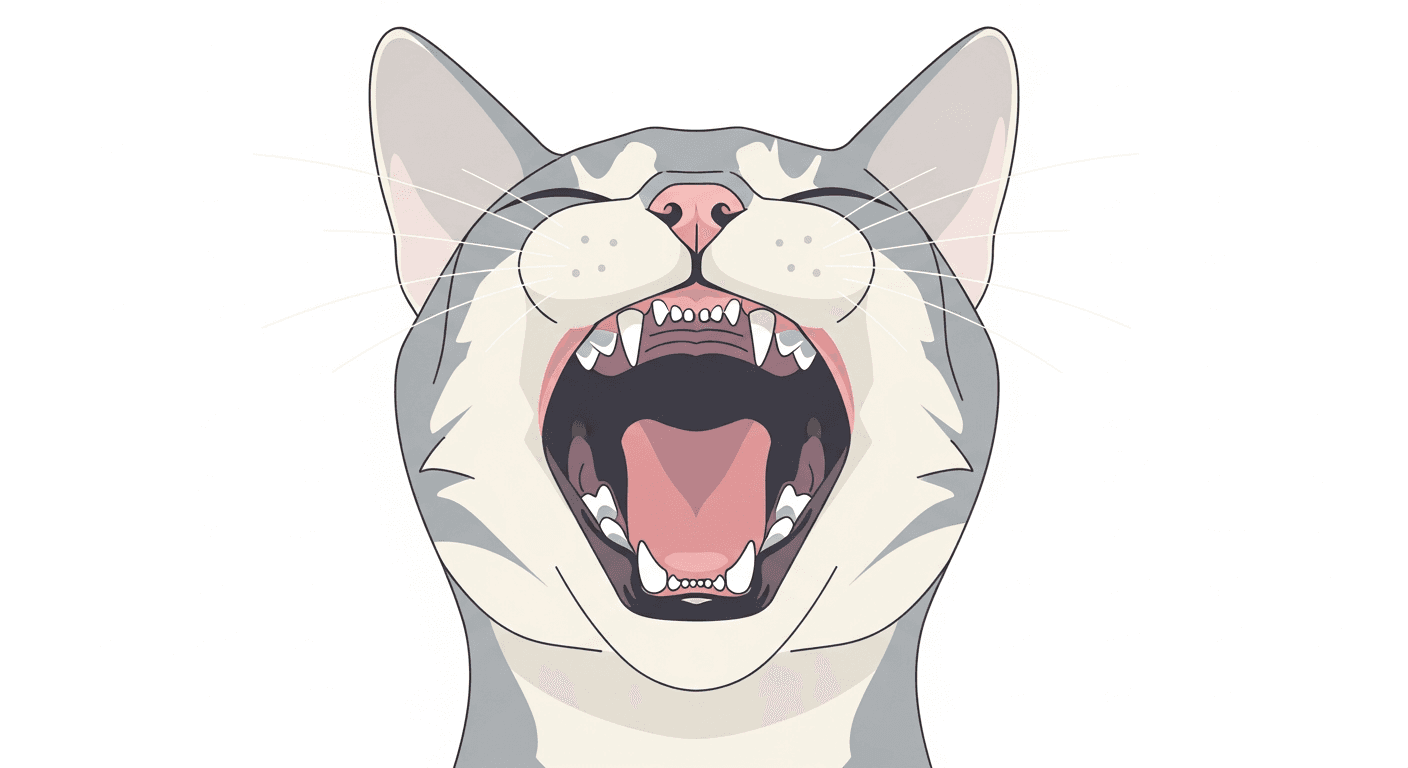
Cat Bad Breath: Is It Dental Disease or Something More Serious?
Bad breath in cats isn't just unpleasant — it's often a sign of dental disease, kidney failure, or diabetes. Learn how to tell the difference.
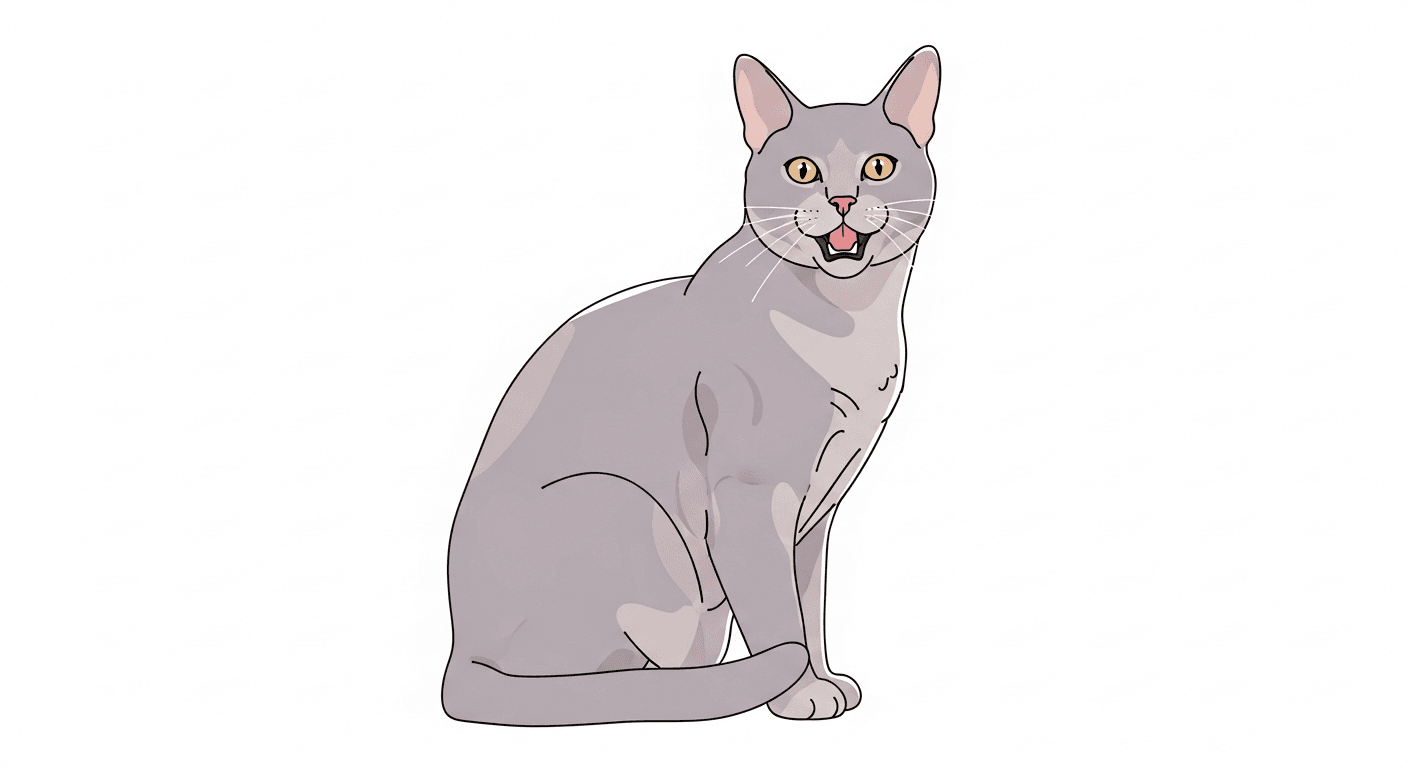
Cat Breathing Fast or Labored: When It's an Emergency
Fast, shallow, or labored breathing in cats is never normal outside of extreme heat or stress. Learn what it means and when to seek emergency care.

Cat Sneezing and Watery Eyes: Upper Respiratory Infection Explained
Sneezing, runny eyes, and nasal discharge in cats are classic signs of URI. Learn what causes it, how to care for your cat at home, and when to see a vet.

Kitten Vaccination Schedule: What Every New Owner Needs to Know
A complete guide to kitten vaccines — which ones are essential, when to give them, and how to protect your kitten from serious infectious diseases.

Cat Diarrhea: What to Watch For and When to Act
One loose stool vs. three days of diarrhea — know the difference, learn home care steps, and find out when diarrhea becomes an emergency in cats.
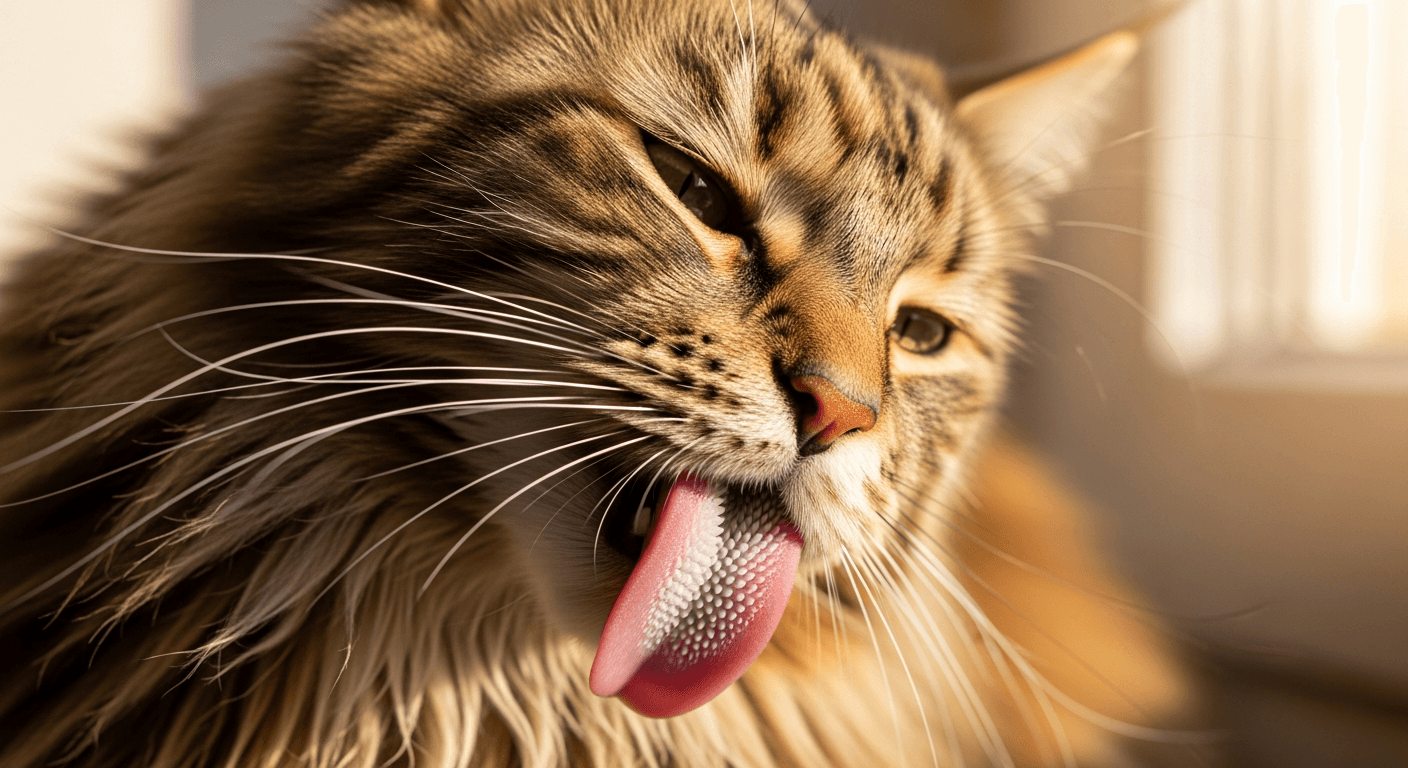
Cat Hairballs: What's Normal and When to Worry
Learn how often hairballs are normal, what a hairball looks like, and when repeated hairball vomiting signals a gastrointestinal problem.
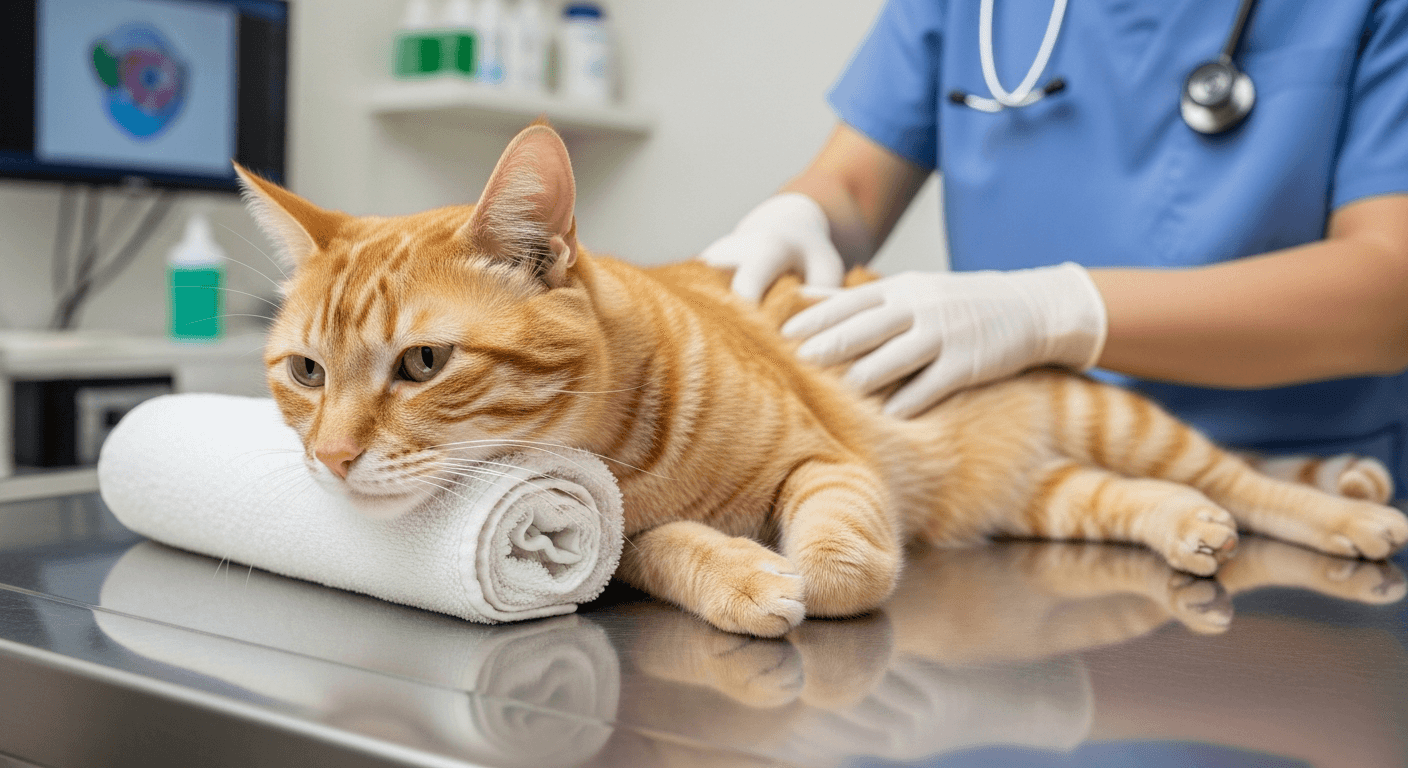
Cat Vomiting White Foam: What It Means
White foam vomit in cats often signals an empty stomach, but it can also mean gastritis or a more serious condition. Here's how to tell.
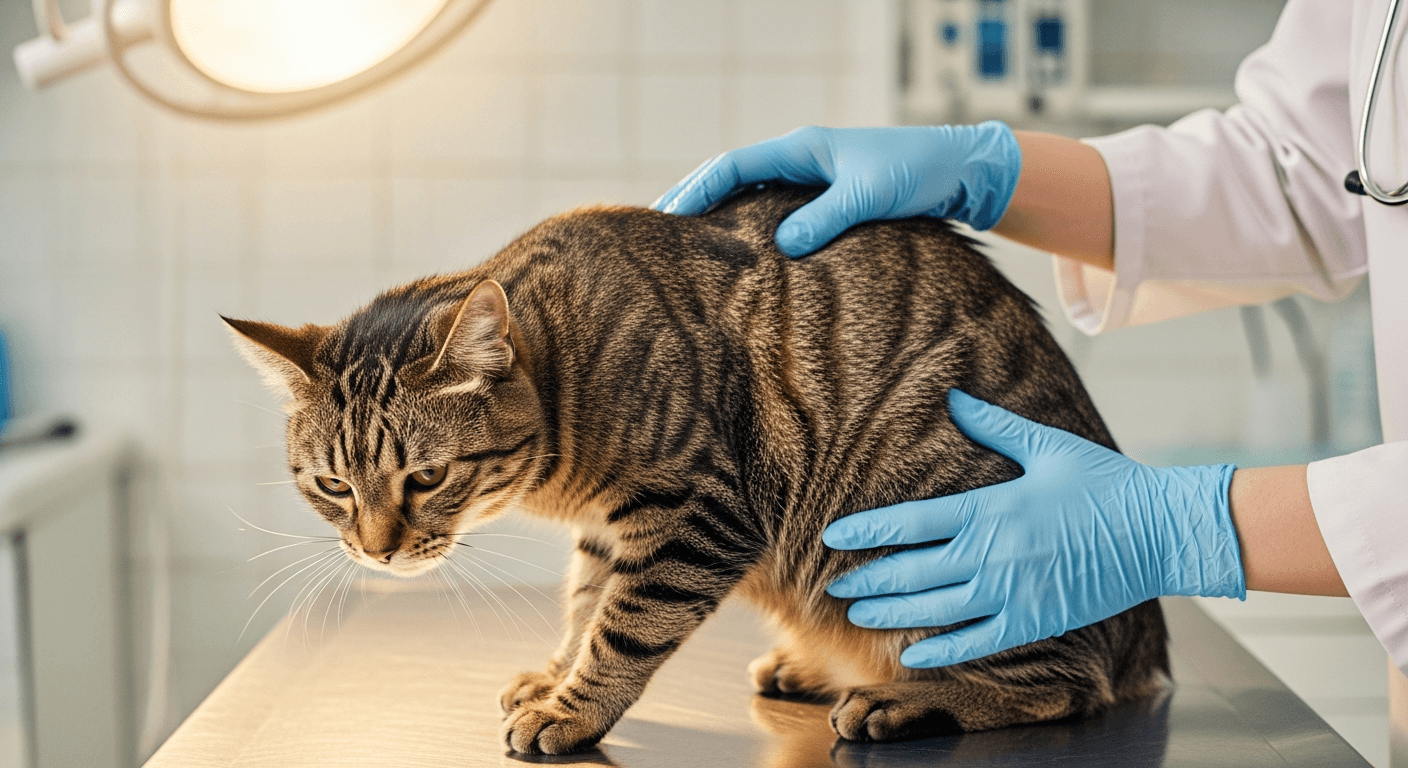
Cat Vomiting: Common Causes and What to Watch For
Understand why cats vomit, how to tell occasional vomiting from a medical emergency, and when to call your vet.

Cat Not Eating: When Is It an Emergency?
Learn why your cat has stopped eating, which symptoms require immediate vet care, and how to safely encourage appetite at home.