
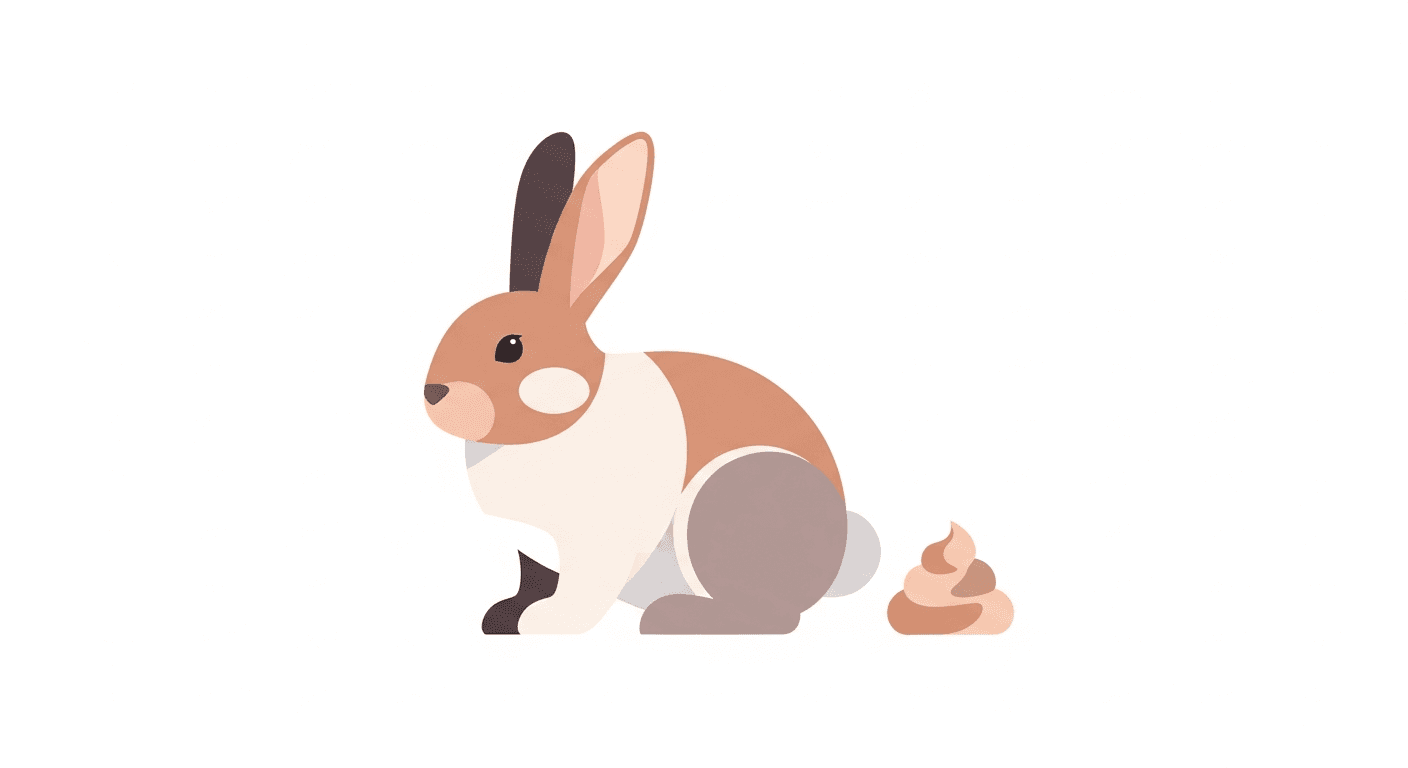
What Are Cecotropes and Why Should Rabbits Eat Them?
Cecotropes (also called cecotrophs or night feces) are soft, protein-rich droppings that rabbits produce from the cecum — a specialized fermentation chamber in the digestive tract. They are not waste; they are a nutritional supplement that rabbits must consume to complete their nutritional cycle. Cecotropes contain essential B vitamins, proteins, and beneficial bacteria that the rabbit cannot absorb in the first pass through the gut. Healthy rabbits eat cecotropes directly from the anus, usually at night or in the early morning. Most owners never see them.
When cecotropes accumulate in the litter box, the rabbit is producing more than it needs (or is unable to reach its bottom to eat them). The most common cause is excess pellets or treats — high-energy foods push cecotrope production into overdrive.
First 3 Steps to Address Cecotrope Accumulation
- Reduce pellet portions dramatically: Adult rabbits need only 1–2 tablespoons of plain pellets per kg of body weight per day. Many owners significantly overfeed pellets. Cut back and replace with additional hay.
- Eliminate treats and high-sugar foods: Fruit, crackers, yogurt drops, and sugary treats dramatically disrupt cecal bacteria and drive cecotrope overproduction. Remove all treats for at least 4 weeks and reassess.
- Assess the rabbit's ability to reach its bottom: Obese rabbits and rabbits with arthritis or dental pain may not be able to position themselves to eat cecotropes. If the rabbit is overweight or seems stiff, address these underlying issues.
When to Go to the Vet
- The problem persists after diet correction for 3–4 weeks
- Cecotropes accumulate into large, sticky clumps causing skin irritation or flystrike risk
- Rabbit is losing weight despite the soft poop problem (suggests underlying disease)
- Any signs of pain or difficulty moving (underlying arthritis or dental disease)
Follow-Up Care Checklist
- Transition to a hay-based diet permanently — 80% timothy hay minimum
- Check the perineal area daily and clean gently if cecotropes are accumulating there
- Grooming the rear is especially important in long-haired breeds
Track Diet and Droppings with TailRounds
Log daily hay consumption, pellet portions, and cecotrope presence in the TailRounds Daily Log to monitor improvement after diet changes.
Book a Vet Appointment
If diet correction doesn't resolve the issue in 4 weeks, book at Happy Paws for a full dental, weight, and mobility assessment.
Summary for Your Clinic Visit
Tell your vet the current diet in detail (hay, pellets, treats, greens), the rabbit's weight, age, and how long cecotropes have been accumulating.
Continue Reading
 🐇 Rabbit Health
Rabbit Diarrhea vs. Soft Cecotropes: Know the Difference
True diarrhea in rabbits is a medical emergency. Learn to distinguish it from normal cecotropes and understand what genuine diarrhea means for rabbit health.
 🐇 Rabbit Health
Complete Rabbit Diet Guide: Hay, Vegetables, and What to Avoid
The right diet is the foundation of rabbit health. Learn the correct proportions of hay, greens, and pellets — and which common foods are dangerous for rabbits.
 🐇 Rabbit Health
Rabbit Not Eating: Why It's Always Serious
Rabbits that stop eating for even a few hours can develop life-threatening GI stasis. Learn to recognize early warning signs and when to act.
 🐇 Rabbit Health
Rabbit Weight Loss: When to Be Concerned
Weight loss in rabbits often signals dental disease, GI problems, or systemic illness. Learn how to monitor weight and respond to unexpected loss.