
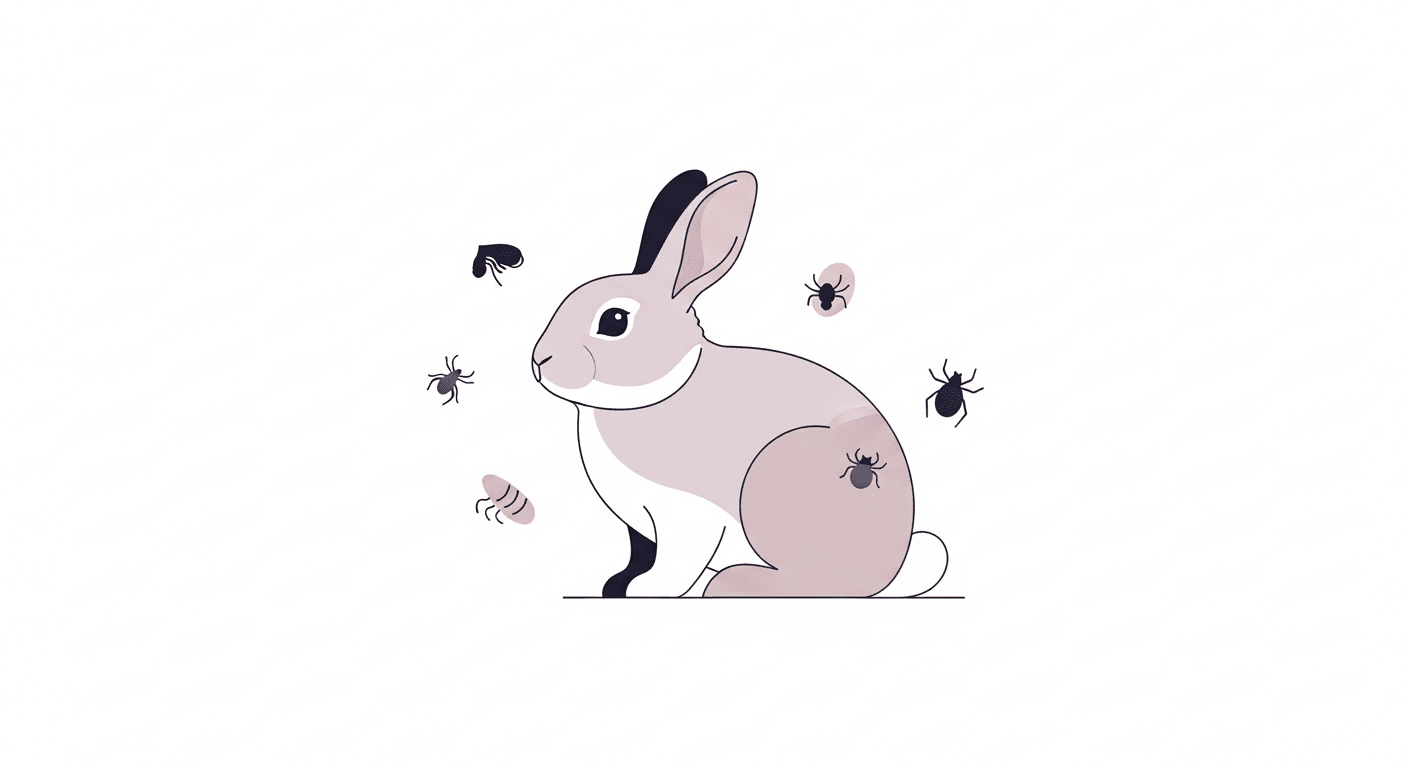
What Parasites Affect Rabbits?
Rabbits are susceptible to several external and internal parasites. External parasites include fleas (especially from contact with cats or dogs), Cheyletiella fur mites (causing "walking dandruff" — white flakes that move), ear mites (Psoroptes cuniculi — causing thick, dark ear crust), and fur mites (Listrophorus gibbus — usually clinically silent). Internal parasites include Encephalitozoon cuniculi (E. cuniculi — a microsporidian that causes neurological disease, kidney disease, and cataracts), pinworms (usually clinically insignificant in adult rabbits), and Eimeria (coccidia, causing diarrhea primarily in young rabbits).
First 3 Steps for Parasite Prevention
- Use a rabbit-safe flea product if in contact with cats/dogs: Many flea products safe for dogs and cats are toxic for rabbits. Only use products specifically labeled for rabbits or approved by your vet. Imidacloprid (Advantage) at the correct rabbit dose is generally considered safe — never use permethrin-based products.
- Check ears monthly for mite signs: Look into each ear for thick, crumbly brown crust (distinct from small amounts of normal wax). Psoroptes mites cause significant pain and head shaking. Treatment requires vet-prescribed acaricide.
- Test for E. cuniculi at adoption: A blood titre for E. cuniculi antibodies is available and can indicate previous exposure. Discuss fenbendazole prophylaxis with your vet, particularly for rabbits that will be bonded with other rabbits.
When to Go to the Vet Immediately
- Head tilt, loss of balance, or eye problems — E. cuniculi neurological involvement
- Severe ear irritation and head shaking — Psoroptes ear mites in full-blown infestation
- Any rabbit with moving skin flakes — Cheyletiella is transmissible to humans
Follow-Up Care Checklist
- Annual parasite checks for outdoor rabbits and those in contact with other animals
- Treat the environment for fleas if cats or dogs in the household have fleas — rabbits will be affected too
- Clean and disinfect the enclosure when treating any parasite infestation to prevent reinfestation from eggs
Track Parasite Prevention with TailRounds
Log parasite treatments, products used, and any signs of infestation in the TailRounds Daily Log.
Book a Vet Appointment
For a rabbit-specific parasite prevention plan, book at Happy Paws with our exotic animal team who can advise on safe products for your specific rabbit.
Summary for Your Clinic Visit
Tell your vet whether the rabbit is indoor or outdoor, whether it's in contact with other animals, current parasite prevention used, and any signs of skin, ear, or neurological problems.
Continue Reading
 🐇 Rabbit Health
Rabbit Head Tilt: E. cuniculi and Inner Ear Disease
Head tilt in rabbits is often sudden and alarming. Learn the two most common causes — Encephalitozoon cuniculi and Pasteurella — and how each is managed.
 🐇 Rabbit Health
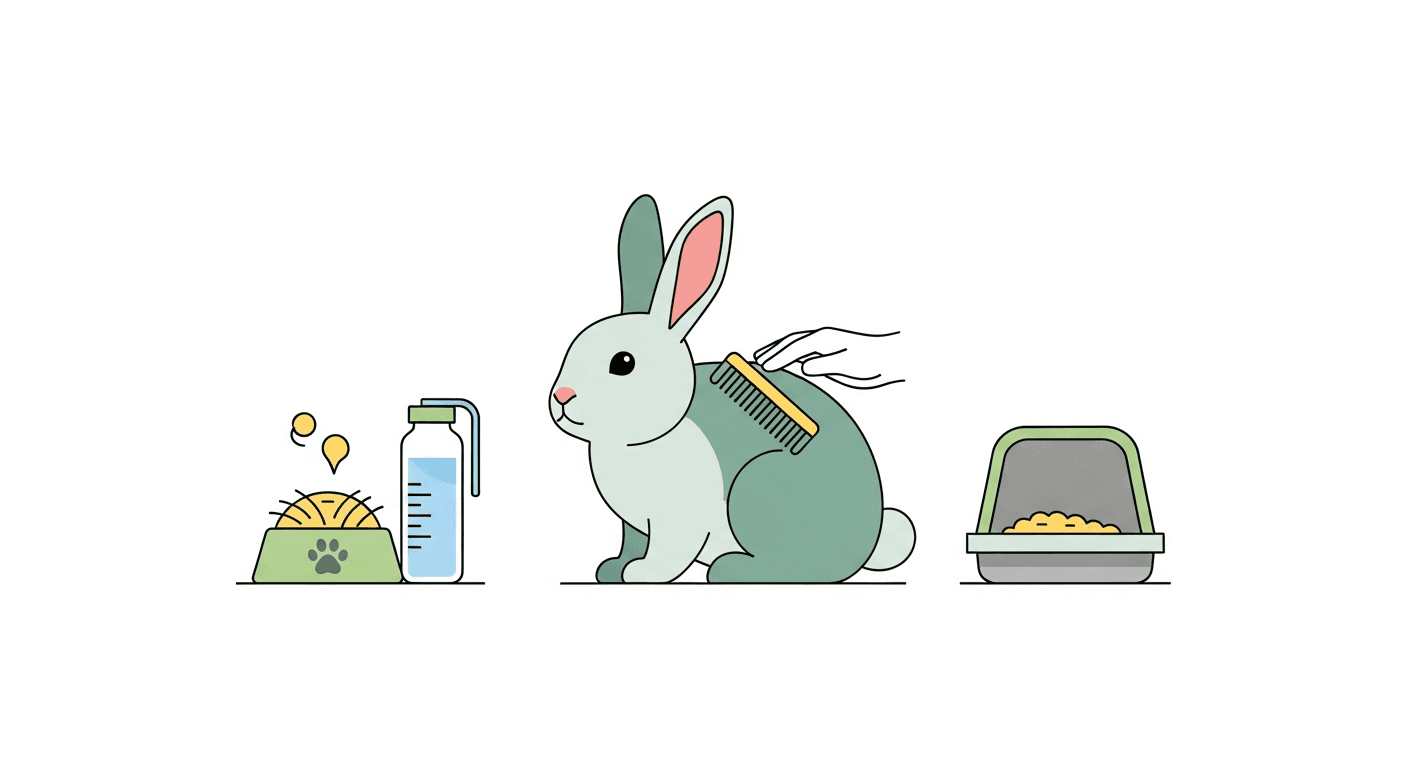
Daily Rabbit Care Routine: A Complete Health Checklist
A healthy rabbit requires daily observation and specific care tasks. This routine helps you catch health problems early and keep your rabbit thriving.
 🐇 Rabbit Health
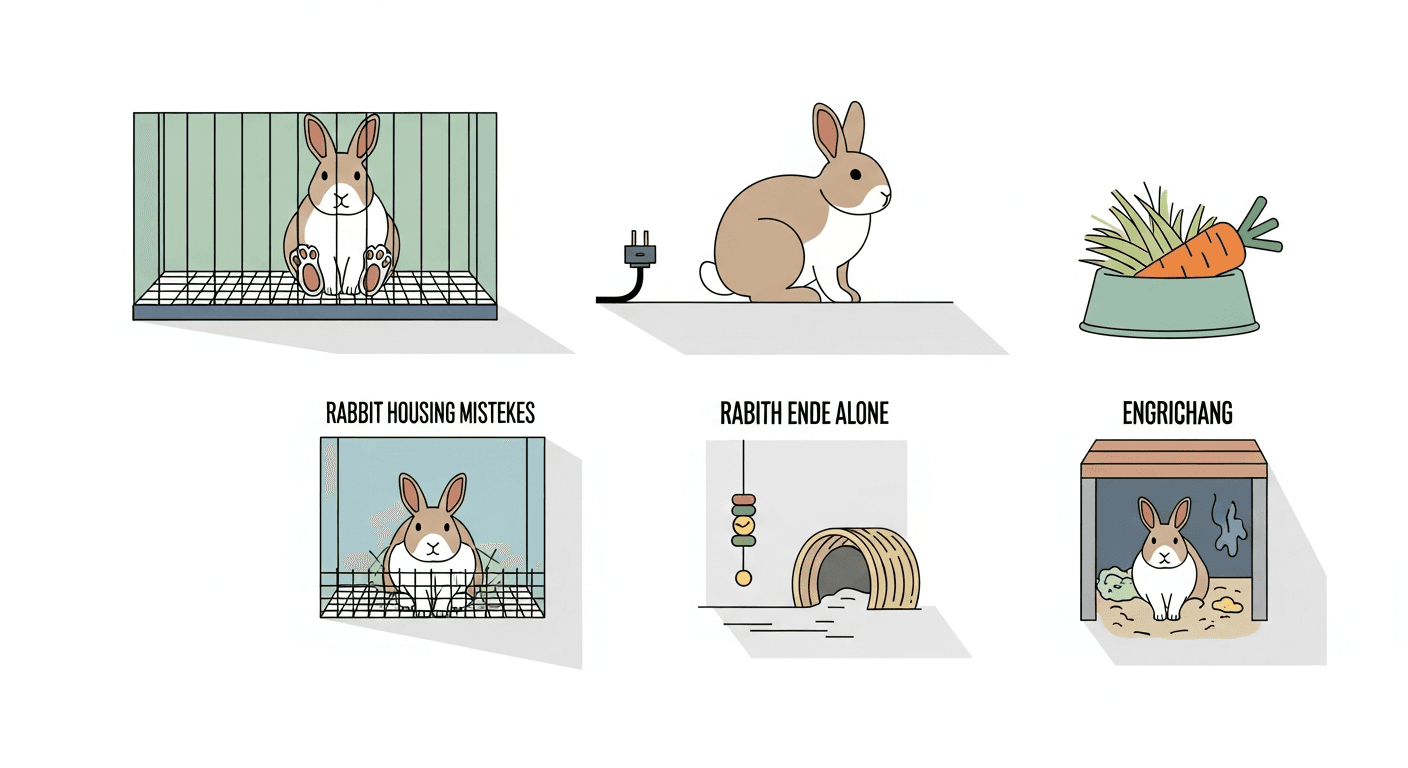
Common Rabbit Housing Mistakes That Harm Health
Many popular rabbit enclosures sold in pet stores are actually harmful. Learn what space, flooring, temperature, and social needs rabbits truly require.
 🐇 Rabbit Health
Flystrike in Rabbits: Prevention and Emergency Response
Flystrike is one of the most horrifying and preventable conditions in rabbits. Learn how flies lay eggs, which rabbits are most at risk, and what daily checks prevent it.