
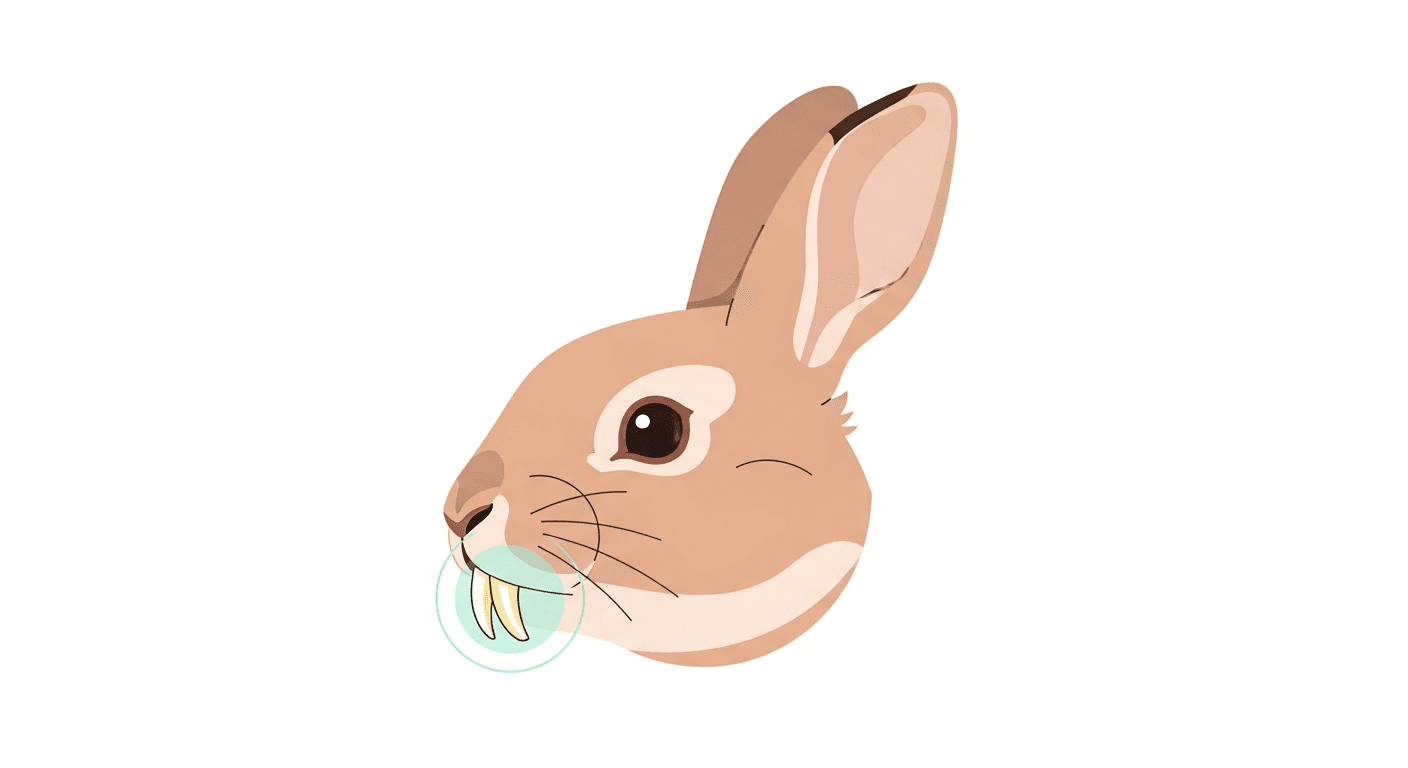
What Causes Overgrown Incisors?
Rabbit incisors (the four front teeth — two upper, two lower, plus two small "peg teeth" behind the upper pair) grow continuously throughout life. They should wear against each other in a scissor-like action during eating. When they're misaligned — either from genetic predisposition (common in dwarf breeds), trauma, or acquired malocclusion — they grow unchecked and curve dangerously. Severely overgrown incisors can grow into the roof of the mouth or interfere with eating entirely.
First 3 Steps When Overgrown Teeth Are Noticed
- Check the incisors at home monthly: With good lighting, look at the rabbit's front teeth. They should be pale yellow (not white — white incisors can indicate metabolic disease), relatively even, and meeting correctly. Uneven length or visible curving indicates a problem.
- Do not attempt to clip teeth at home: Using nail clippers on rabbit teeth causes longitudinal cracks that extend below the gum line, leading to infection and abscess. Only a vet with proper dental burrs and anesthesia should address overgrown teeth.
- Discuss incisor extraction with your vet: For rabbits with recurrent incisor malocclusion, permanent extraction of the incisors is often the kindest and most cost-effective long-term solution. Rabbits adapt remarkably well to life without incisors — they use their lips to grab food.
When to Go to the Vet Immediately
- Incisors visibly curved or growing sideways
- Rabbit unable to close its mouth properly
- Not eating due to incisor pain
- Abscess or swelling near the tooth root
Follow-Up Care Checklist
- If periodic burring is chosen, schedule appointments every 6–8 weeks and don't wait for symptoms to worsen
- After extraction, provide soft hay and moist vegetables for 1–2 weeks during healing
- Monitor that cheek teeth are wearing normally even after incisor extraction
Track Dental Care with TailRounds
Schedule dental recheck reminders and log home incisor observations monthly in the TailRounds Daily Log.
Book a Vet Appointment
Overgrown rabbit incisors need professional assessment and treatment. Book at Happy Paws with our exotic animal team for a complete dental evaluation.
Summary for Your Clinic Visit
Tell your vet when you first noticed the overgrowth, the rabbit's breed, its diet, and whether eating has been affected. Bring photos of the incisors taken at home if visible.
Continue Reading
 🐇 Rabbit Health
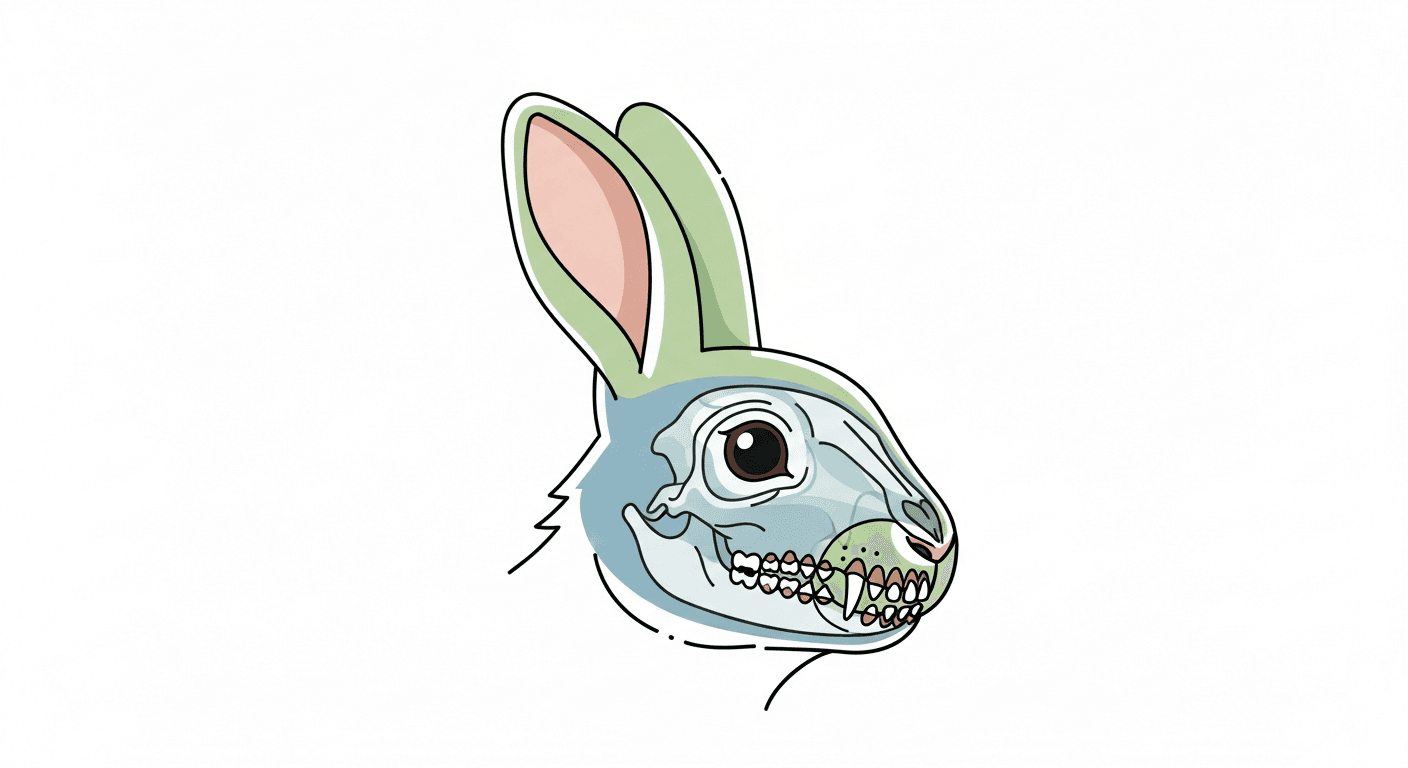
Rabbit Teeth Problems: Malocclusion, Spurs, and What to Do
Dental disease is the most common health problem in rabbits. Learn how teeth problems cause pain and what treatment looks like.
 🐇 Rabbit Health
Rabbit Not Eating: Why It's Always Serious
Rabbits that stop eating for even a few hours can develop life-threatening GI stasis. Learn to recognize early warning signs and when to act.
 🐇 Rabbit Health
Rabbit Weight Loss: When to Be Concerned
Weight loss in rabbits often signals dental disease, GI problems, or systemic illness. Learn how to monitor weight and respond to unexpected loss.
 🐇 Rabbit Health
Complete Rabbit Diet Guide: Hay, Vegetables, and What to Avoid
The right diet is the foundation of rabbit health. Learn the correct proportions of hay, greens, and pellets — and which common foods are dangerous for rabbits.