
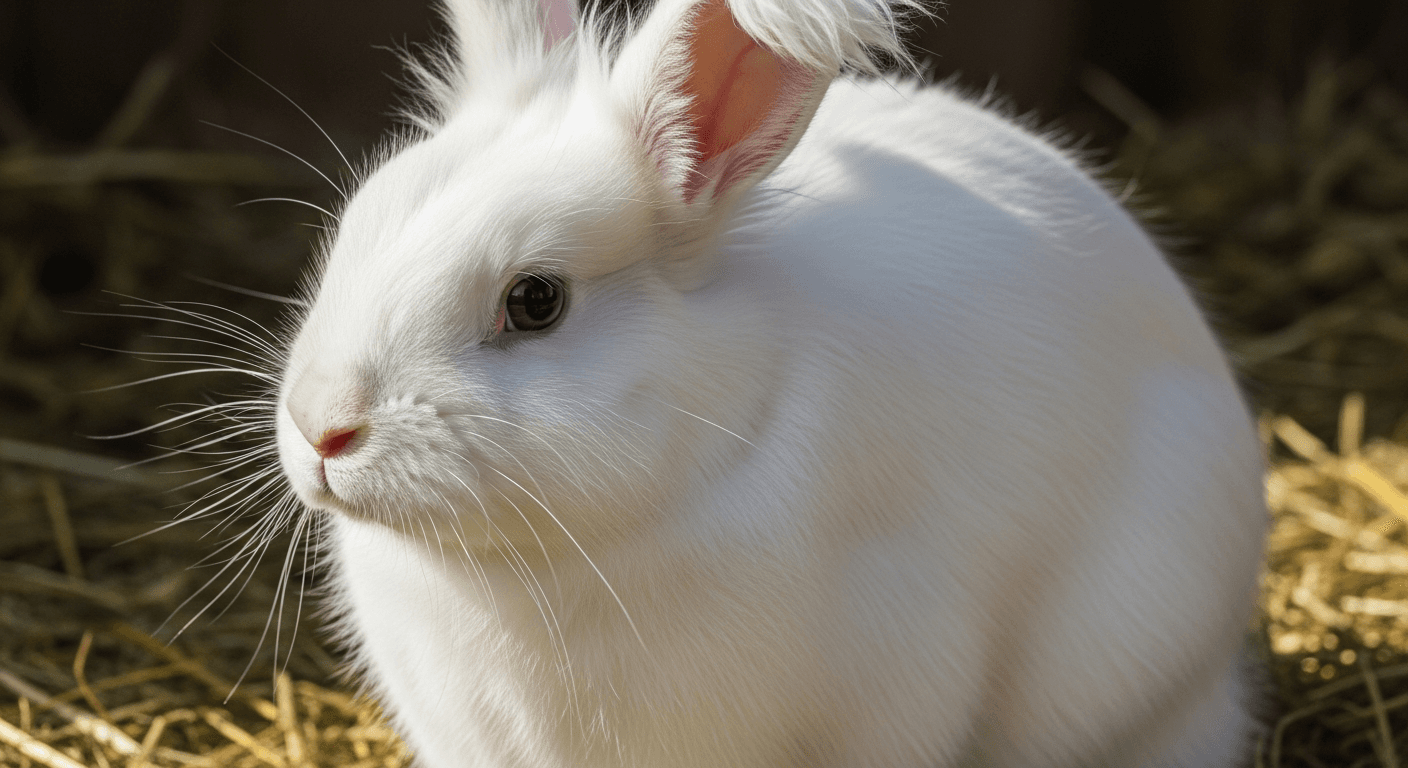
Why Rabbits Cannot Skip Meals
Unlike cats and dogs, rabbits have a digestive system that must be constantly moving. Rabbits are obligate herbivores with a gastrointestinal tract designed for continuous fiber intake. When a rabbit stops eating — even for 6–8 hours — the gut slows down, gas accumulates, and GI stasis sets in. GI stasis is life-threatening and is one of the leading causes of death in pet rabbits. A rabbit that hasn't eaten its hay since morning is a rabbit that needs attention today, not tomorrow.
Common reasons rabbits stop eating include pain from dental problems, GI stasis already developing, stress, respiratory infection, and uterine disease in unspayed females.
First 3 Steps to Take at Home
- Check hay intake first: Hay should make up 80% of a rabbit's diet. If the hay rack is untouched and the rabbit hasn't produced cecotropes (soft night droppings it should be eating), something is wrong.
- Offer highly palatable greens: Fresh herbs like cilantro or parsley can sometimes stimulate a flagging appetite. Don't replace hay with greens — this worsens GI problems — but use them as an indicator of interest.
- Check for gut sounds: Place your ear gently against the rabbit's belly. You should hear gentle gurgling sounds. Complete silence suggests gut stasis is already underway. Excessive loud gurgling indicates gas pain.
When to Go to the Vet Immediately
- No eating for more than 6–8 hours
- No cecotropes or droppings for 4+ hours
- Rabbit is hunched, teeth grinding, or sitting in a loaf position with obvious tension
- Abdomen feels hard or distended
- Rabbit is lethargic or unresponsive to normal stimuli
Follow-Up Care Checklist
- Ensure unlimited timothy hay is always available — this is the foundation of rabbit health
- Gentle abdominal massage as shown by your vet can help stimulate gut movement
- Keep the rabbit moving gently — short periods of exercise help restart gut motility
- Follow any medication schedule (gut motility drugs, pain relief) precisely
Track Eating and Droppings with TailRounds
In rabbits, monitoring hay consumption and dropping frequency is as important as watching for active symptoms. Use the TailRounds Daily Log to record these basics daily.
Book a Vet Appointment
A rabbit that hasn't eaten in 6 hours needs to be seen today. Book at Happy Paws — our team is experienced with rabbit emergency care.
Summary for Your Clinic Visit
Tell your vet when the rabbit last ate hay, when droppings were last seen, any behavioral changes, and whether you've heard any gut sounds. Bring a sample of droppings if possible.
Continue Reading
 🐇 Rabbit Health
GI Stasis in Rabbits: What Every Owner Must Know
GI stasis kills rabbits within 24–48 hours if untreated. Learn to recognize the early signs, what causes it, and how treatment works.
 🐇 Rabbit Health
Rabbit Not Drinking Water: Causes and Hydration Tips
Dehydration in rabbits accelerates GI stasis and kidney stress. Learn why rabbits sometimes refuse water and how to ensure adequate hydration.
 🐇 Rabbit Health
Rabbit Weight Loss: When to Be Concerned
Weight loss in rabbits often signals dental disease, GI problems, or systemic illness. Learn how to monitor weight and respond to unexpected loss.
 🐇 Rabbit Health
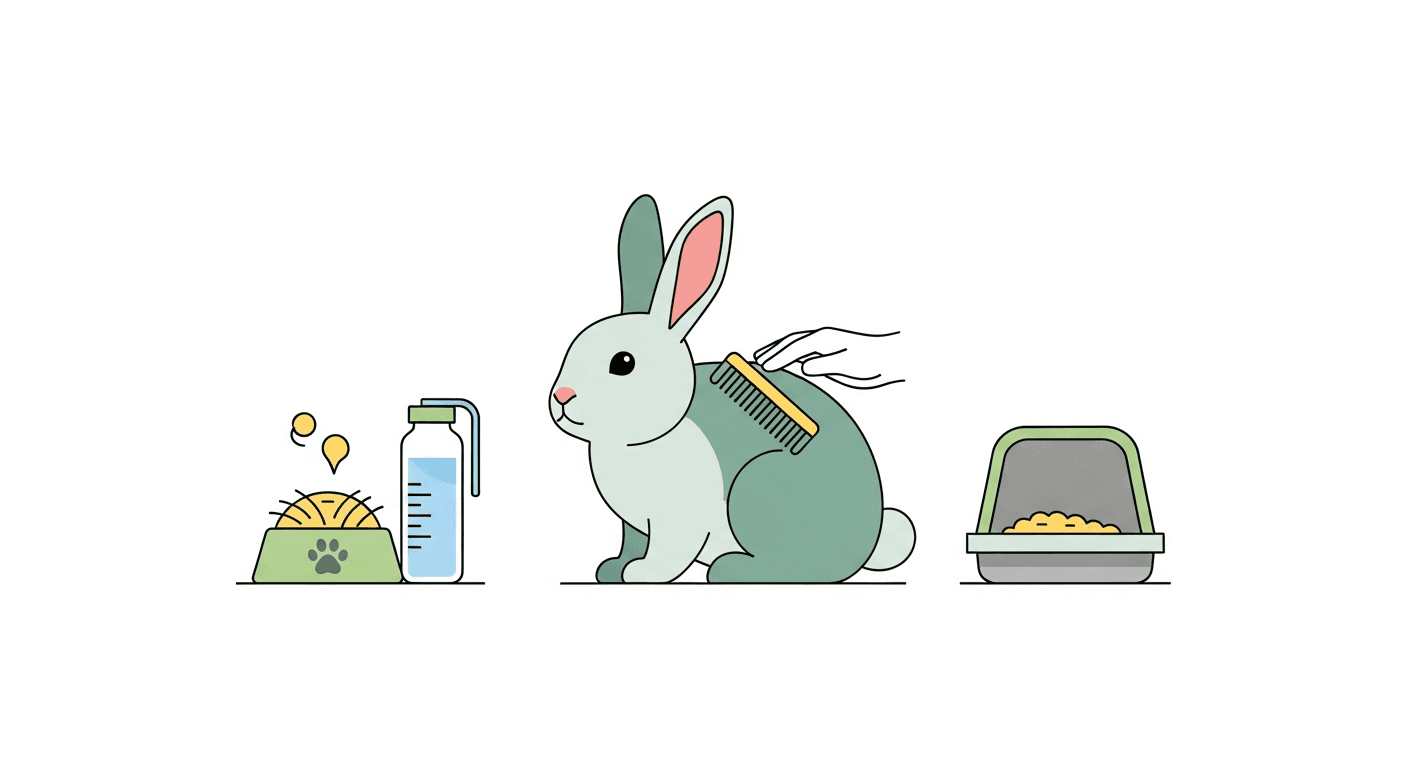
Daily Rabbit Care Routine: A Complete Health Checklist
A healthy rabbit requires daily observation and specific care tasks. This routine helps you catch health problems early and keep your rabbit thriving.