
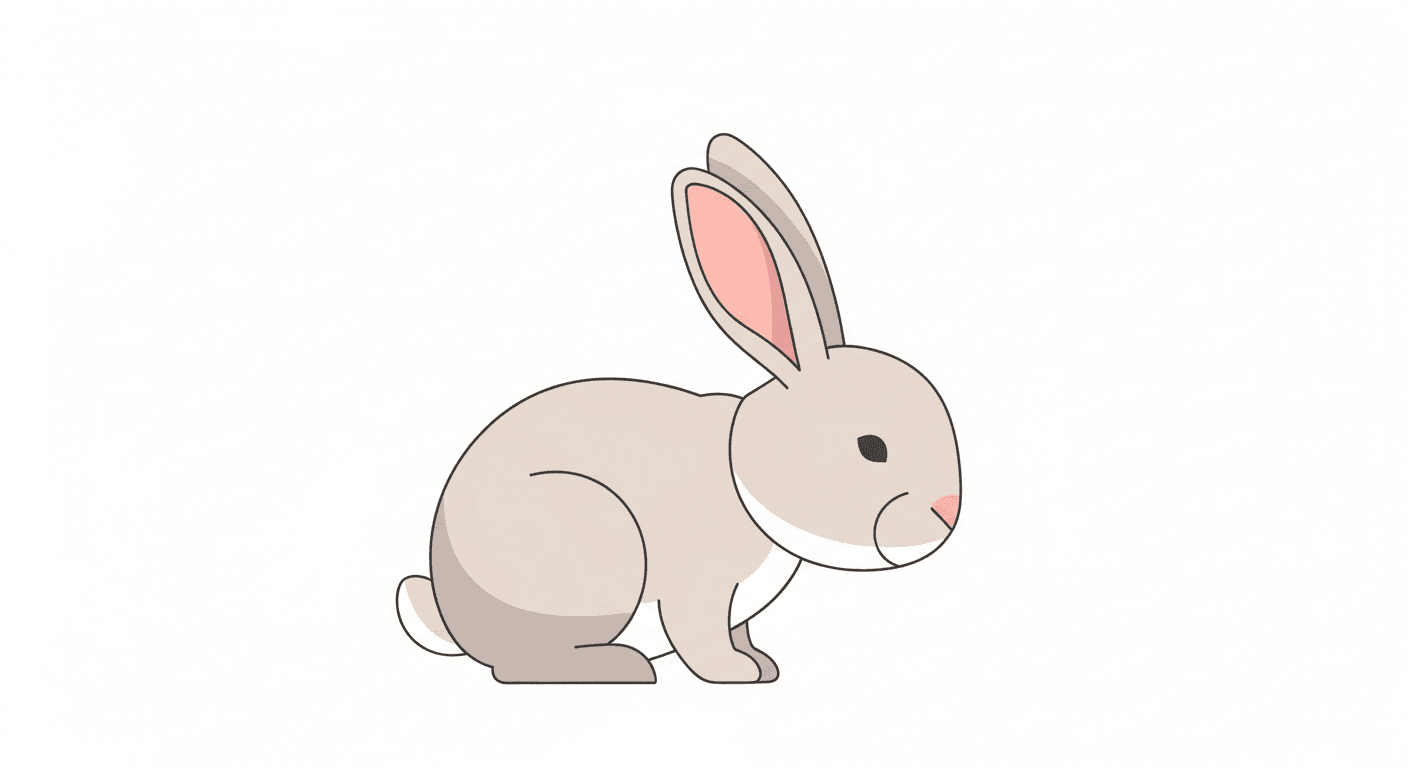
What Is Head Tilt in Rabbits?
Head tilt (torticollis) in rabbits — where the head is held at an angle ranging from mild tilt to full rotation — is one of the most alarming symptoms rabbit owners encounter. It develops because of disruption to the rabbit's vestibular system (the balance and orientation system in the inner ear or brain). The two most common causes are Encephalitozoon cuniculi (a microsporidian parasite that infects the brain and kidneys) and Pasteurella multocida inner ear infection (otitis interna/media). Distinguishing them matters because treatment differs significantly.
First 3 Steps to Take at Home
- Prevent injury immediately: A rabbit with head tilt will roll and circle uncontrollably, especially when startled. Pad the enclosure walls with blankets or towels to prevent self-injury. Remove all elevated surfaces to prevent falls.
- Keep food and water accessible: A rabbit with severe tilt cannot access elevated feeders or bottles. Lower everything to ground level. Hand-feed if necessary.
- Transport to the vet with padding: Wrap the rabbit gently in a towel with the head supported during transport. Sudden movement causes panic and rolling in affected rabbits.
When to Go to the Vet Immediately
- Any sudden-onset head tilt is a same-day veterinary emergency
- Severe rolling or inability to stay upright
- Head tilt with rapid eye movement (nystagmus)
- Not eating or drinking due to disorientation
Follow-Up Care Checklist
- E. cuniculi treatment (fenbendazole for 28 days) should begin as soon as possible — earlier treatment improves outcomes
- Pasteurella inner ear: long-term antibiotics, sometimes surgical bulla osteotomy
- Anti-nausea medication (meclizine) helps manage the vestibular dysfunction
- Many rabbits compensate well over weeks to months — full recovery is possible, especially with E. cuniculi if caught early
Track Recovery with TailRounds
Log head tilt severity (0–10), eating and drinking behavior, and rolling episodes daily using the TailRounds Daily Log. This recovery timeline is important for treatment adjustment.
Book a Vet Appointment
Head tilt in a rabbit is always urgent. Book at Happy Paws immediately — our exotic team can differentiate E. cuniculi from inner ear infection and begin treatment the same day.
Summary for Your Clinic Visit
Tell your vet when the tilt appeared (sudden vs. gradual), the severity, whether the rabbit is eating, and whether respiratory symptoms (sneezing) are also present.
Continue Reading
 🐇 Rabbit Health
Rabbit Sneezing: Pasteurellosis and Other Respiratory Causes
Sneezing in rabbits can be dust-related and mild — or a sign of Pasteurella infection. Learn to tell the difference and when treatment is needed.
 🐇 Rabbit Health
Rabbit Not Eating: Why It's Always Serious
Rabbits that stop eating for even a few hours can develop life-threatening GI stasis. Learn to recognize early warning signs and when to act.
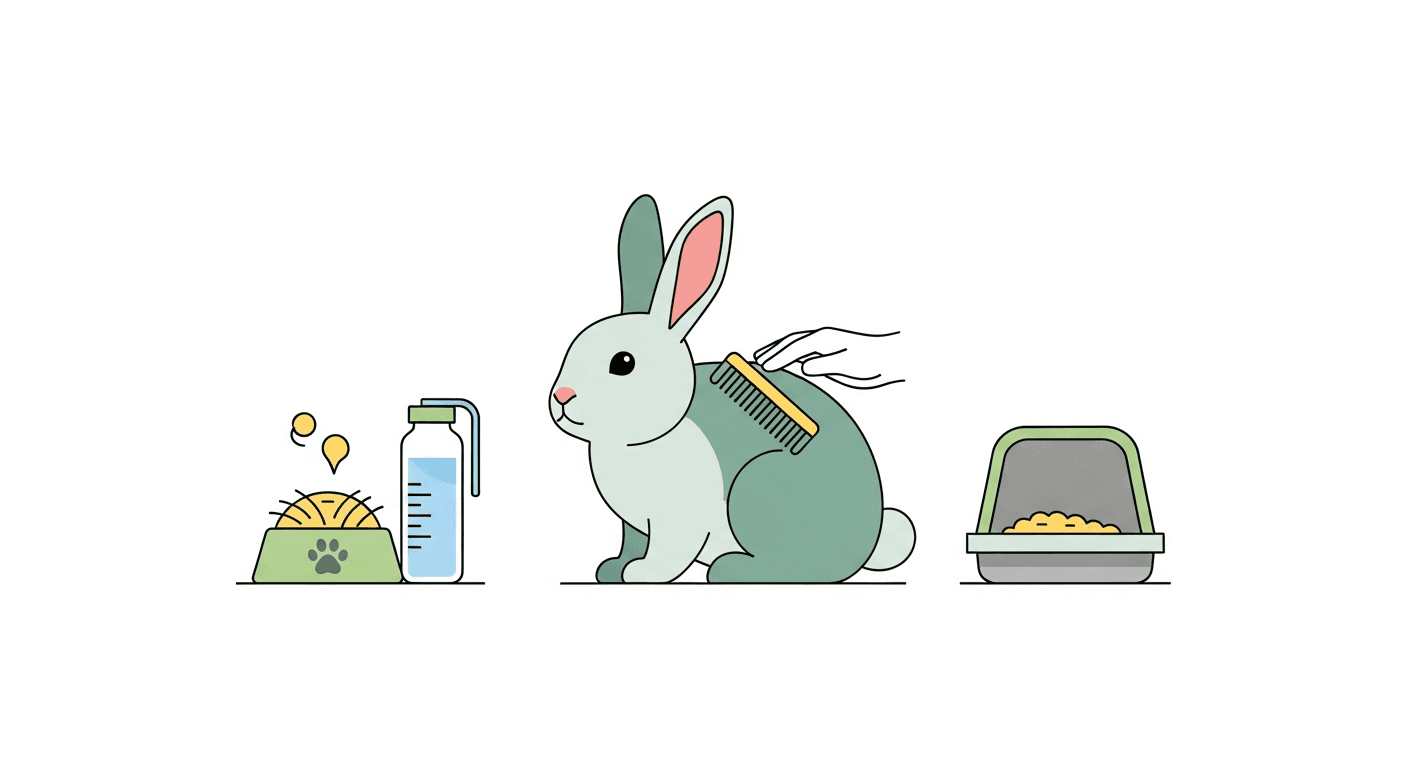 🐇 Rabbit Health
Daily Rabbit Care Routine: A Complete Health Checklist
A healthy rabbit requires daily observation and specific care tasks. This routine helps you catch health problems early and keep your rabbit thriving.