
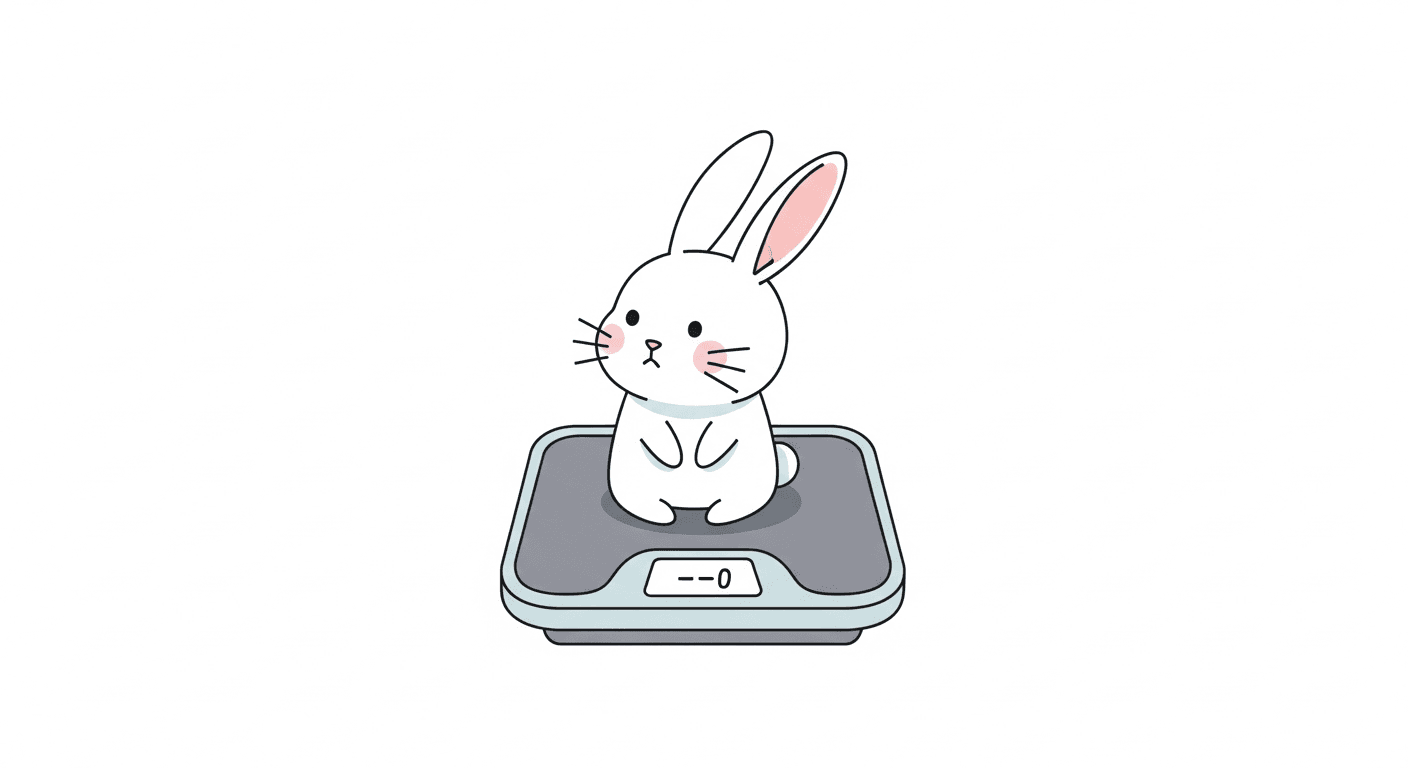
Why Do Rabbits Lose Weight?
Weight loss in rabbits is a serious symptom because rabbits have limited fat reserves and lose condition rapidly when not eating or absorbing nutrients adequately. The most common causes are dental disease (pain reduces eating), GI disease (poor nutrient absorption), reproductive disease in unspayed females, cancer, and chronic infection. Because long-haired rabbits often hide weight loss under their coat, regular weighing is essential — you cannot rely on visual assessment alone.
First 3 Steps When Weight Loss Is Noticed
- Weigh weekly and keep a record: Use a kitchen scale. Weigh the rabbit at the same time of day each week. A loss of more than 5% body weight over 2 weeks without a clear dietary explanation requires veterinary investigation.
- Assess eating behavior carefully: Is the rabbit eating hay? Eating pellets but refusing hay suggests dental pain (hay requires more chewing effort). Eating nothing suggests GI pain or severe systemic illness.
- Feel the spine and hip bones: Run your fingers along the spine and pelvis. In a healthy rabbit you should feel the bones but with smooth muscle cover. Sharp, prominent spine and hip bones indicate significant muscle and fat loss.
When to Go to the Vet Immediately
- More than 10% bodyweight lost in 4 weeks
- Weight loss combined with not eating hay
- Weight loss in an elderly rabbit (over 5 years) — cancer and chronic disease are common
- Unspayed female with weight loss — uterine cancer is common from age 3 onwards
Follow-Up Care Checklist
- Critical care feeding (syringe-fed hay powder supplement) helps maintain weight during illness recovery
- Address dental disease promptly — this is the most common reversible cause of weight loss
- Discuss spaying with your vet if the rabbit is unspayed
Track Weight Weekly with TailRounds
Log weekly weights consistently in the TailRounds Daily Log. A visible trend line reveals gradual decline that is easy to miss without records.
Book a Vet Appointment
Weight loss in a rabbit always warrants veterinary investigation. Book at Happy Paws for a full physical exam and bloodwork with our exotic animal team.
Summary for Your Clinic Visit
Bring your weight log, describe eating and drinking behavior, note whether the rabbit is spayed, and mention any other symptoms observed.
Continue Reading
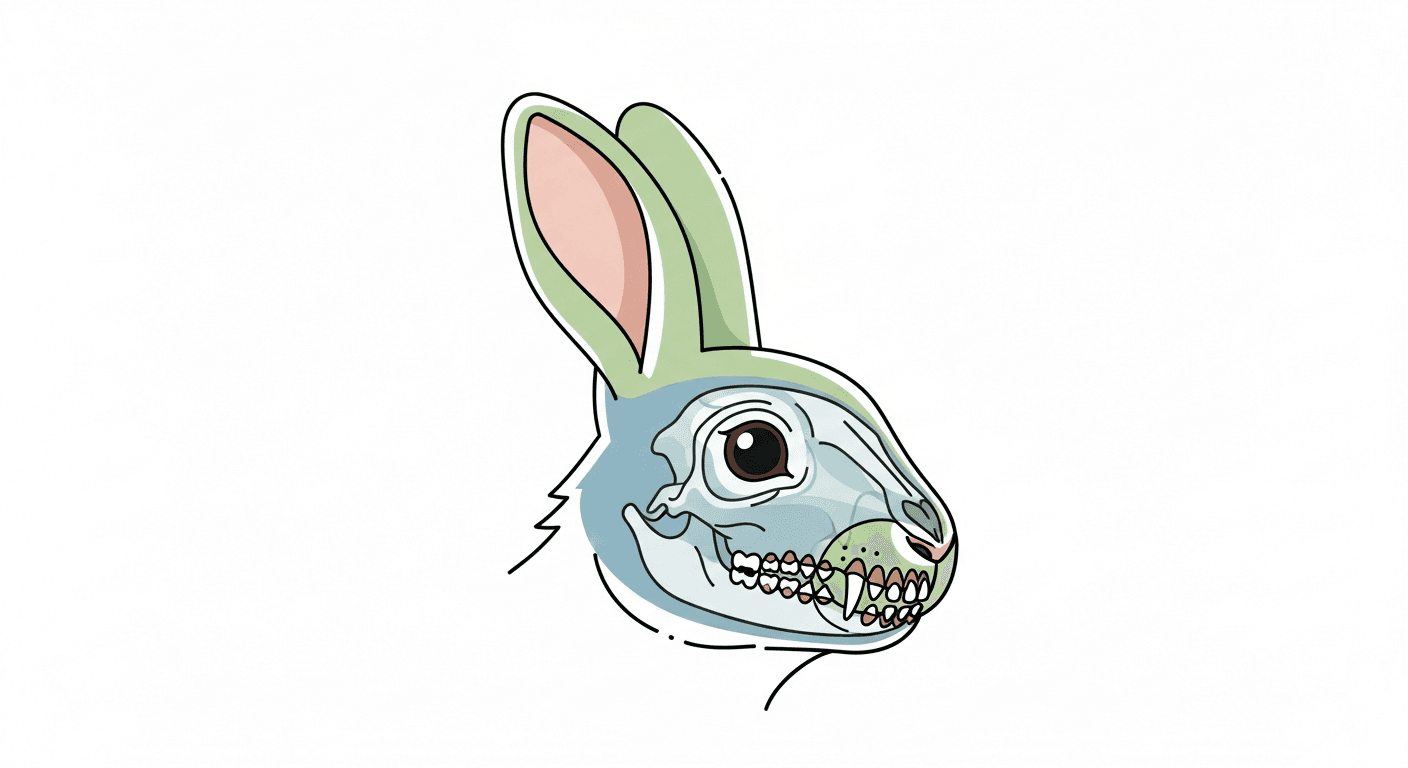 🐇 Rabbit Health
Rabbit Teeth Problems: Malocclusion, Spurs, and What to Do
Dental disease is the most common health problem in rabbits. Learn how teeth problems cause pain and what treatment looks like.
 🐇 Rabbit Health
Rabbit Not Eating: Why It's Always Serious
Rabbits that stop eating for even a few hours can develop life-threatening GI stasis. Learn to recognize early warning signs and when to act.
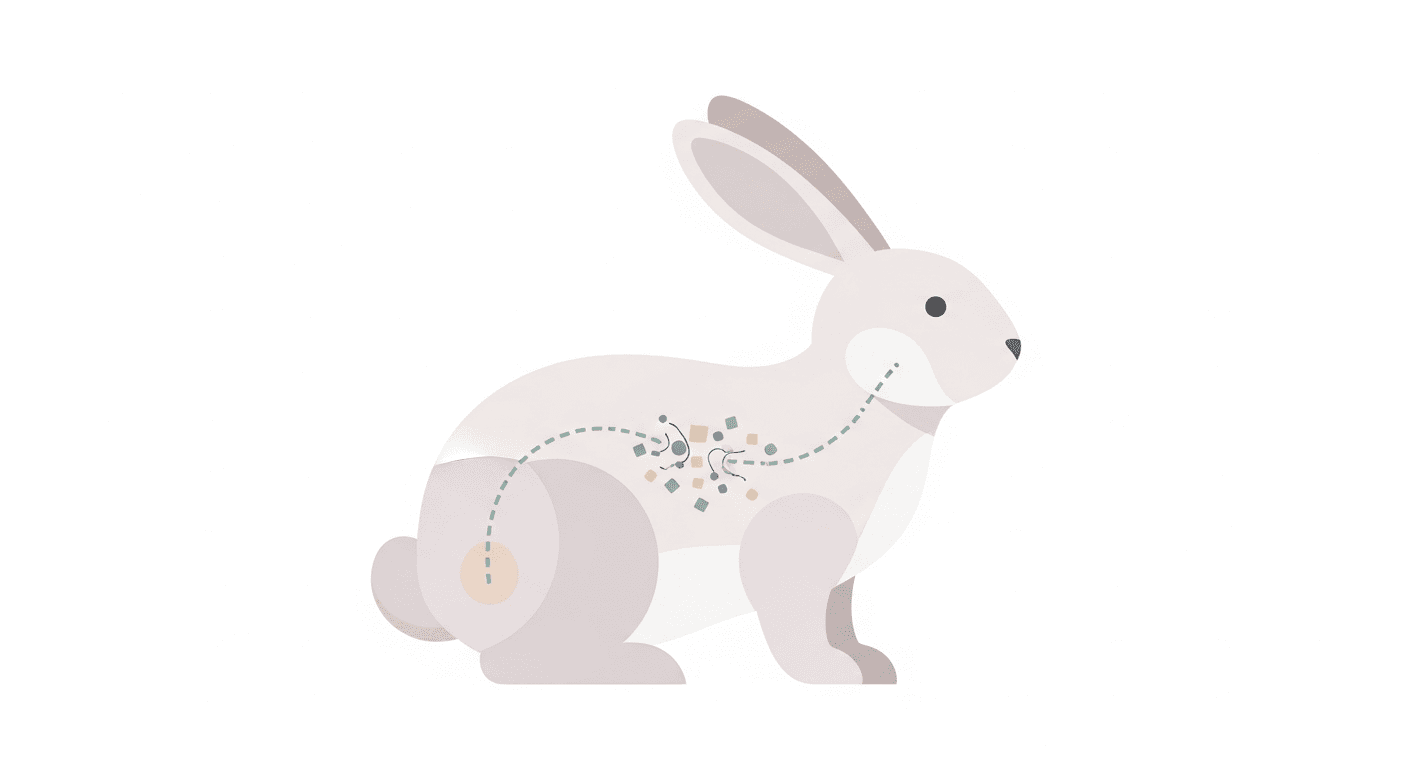 🐇 Rabbit Health
GI Stasis in Rabbits: What Every Owner Must Know
GI stasis kills rabbits within 24–48 hours if untreated. Learn to recognize the early signs, what causes it, and how treatment works.
 🐇 Rabbit Health
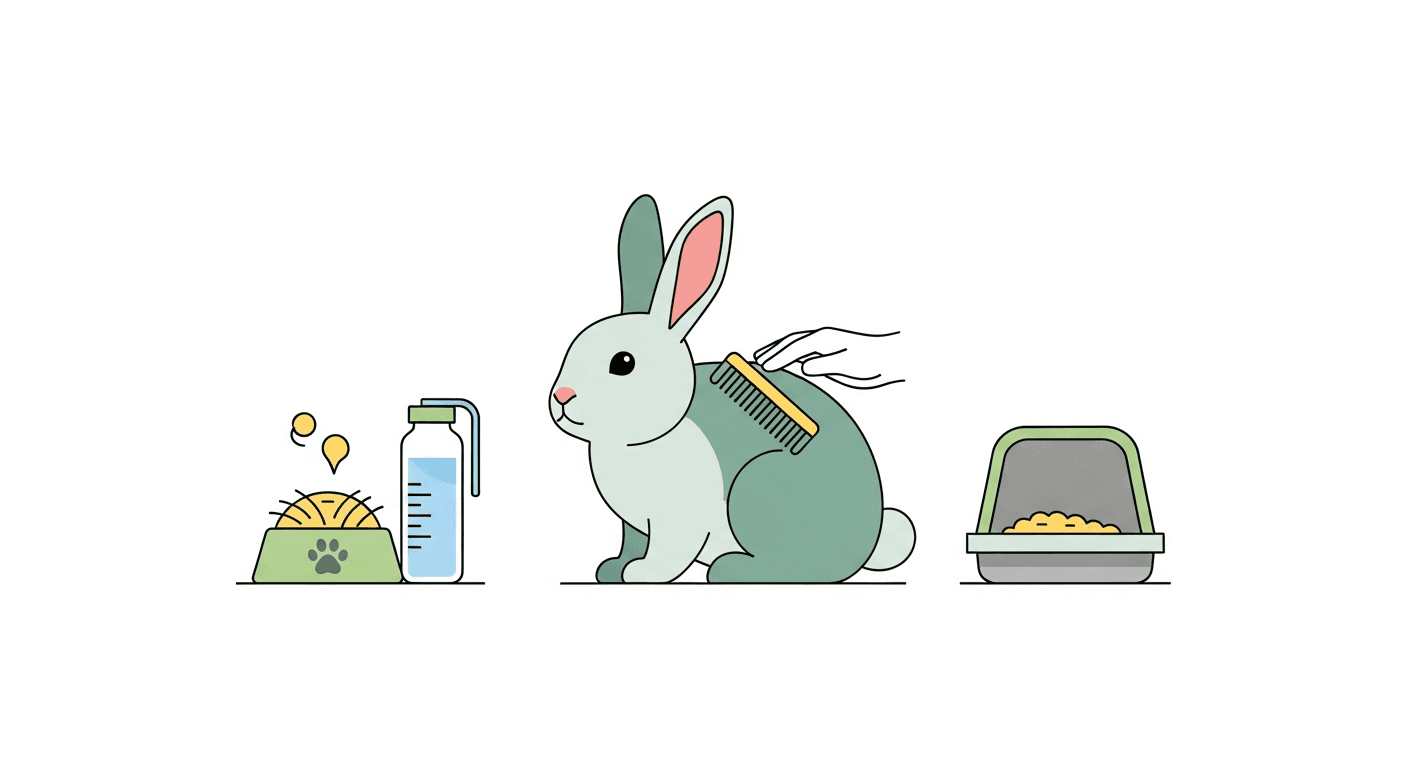
Daily Rabbit Care Routine: A Complete Health Checklist
A healthy rabbit requires daily observation and specific care tasks. This routine helps you catch health problems early and keep your rabbit thriving.