
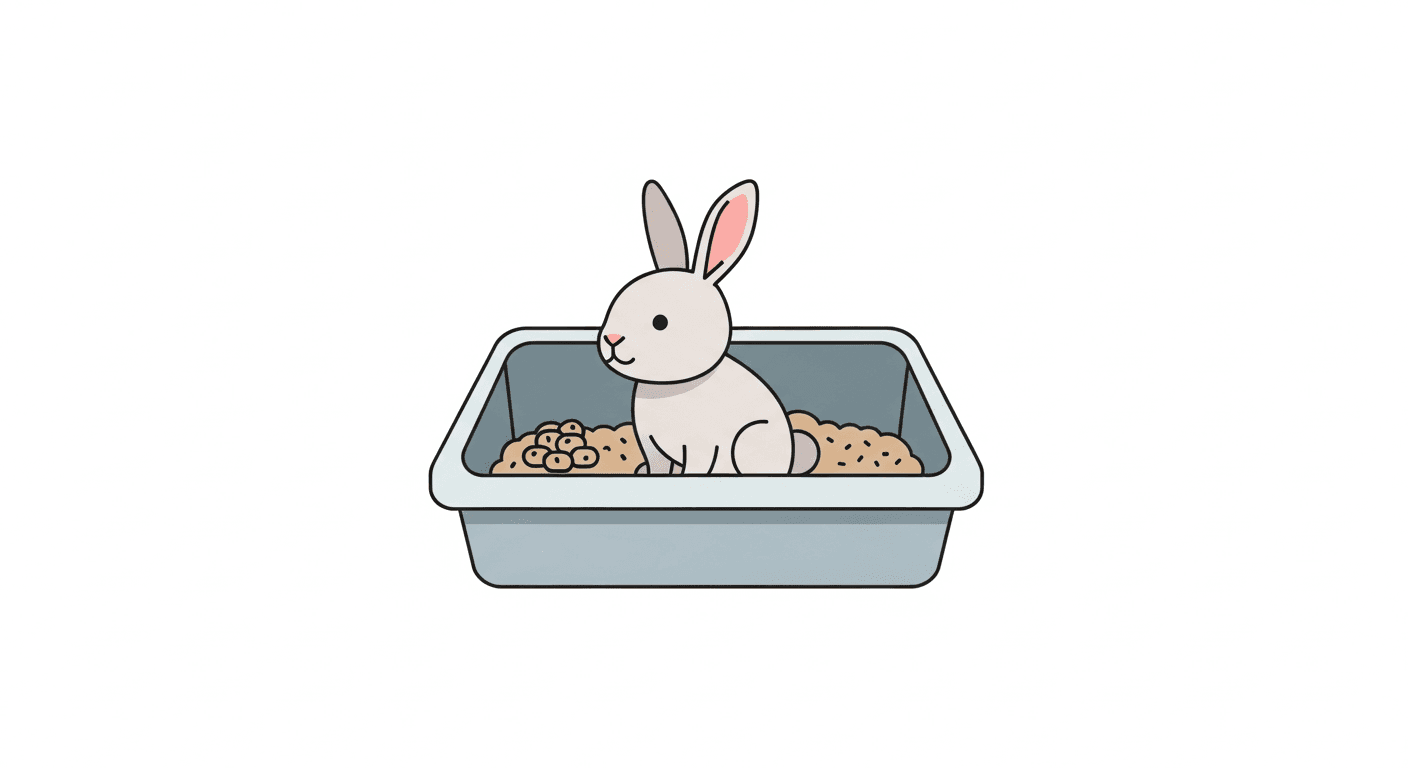
How Do Rabbits Learn to Use a Litter Box?
Rabbits instinctively choose one or a few spots in their territory to eliminate — this tendency makes litter training remarkably natural. The key is identifying where the rabbit wants to go and placing the litter box there, rather than insisting the rabbit use a location of your choosing. Rabbits also tend to eat hay and toilet at the same time — placing a hay rack directly above the litter box exploits this dual behavior and dramatically improves litter training success.
First 3 Steps for Litter Training
- Start with a small area: Begin free-roaming in just one room or a small pen. Expand access gradually as the rabbit demonstrates consistent litter box use. Too much space too soon leads to scattered toileting.
- Observe and place the box where the rabbit already goes: Watch where the rabbit eliminates in the first few days. Place the litter box there. Use newspaper or recycled paper pellet litter (not clay cat litter, which can cause respiratory irritation, and not clumping litter, which can be ingested and cause GI obstruction).
- Place hay directly above the box: Attach a hay rack or simply pile fresh hay directly into the back of the litter box. The rabbit will sit in the box to eat hay and naturally toilet there — reinforcing the habit powerfully.
When Litter Training Regresses
- Hormonal changes at sexual maturity (4–6 months) — spaying/neutering usually resolves this
- Urinary issues — frequent small accidents outside the box may indicate a urinary problem requiring veterinary assessment
- New territory — expect a regression period when moving the rabbit to a new area
Follow-Up Care Checklist
- Clean the litter box every 1–2 days with plain water and mild soap — strong cleaners deter use
- If accidents occur outside the box, clean with an enzymatic cleaner to eliminate the scent that draws the rabbit back
- Multiple litter boxes for large free-roaming areas — one box isn't enough for a whole room
Track Litter Box Habits with TailRounds
Log daily litter box use and any accidents to track training progress and catch urinary changes early using the TailRounds Daily Log.
Book a Vet Appointment
Sudden litter training regression in a previously reliable rabbit may be medical. Book at Happy Paws for urinalysis and health assessment.
Summary for Your Clinic Visit
Tell your vet when the regression started, what changed in the environment, and whether urinary symptoms (straining, blood) are present alongside the training issues.
Continue Reading
 🐇 Rabbit Health
Common Rabbit Housing Mistakes That Harm Health
Many popular rabbit enclosures sold in pet stores are actually harmful. Learn what space, flooring, temperature, and social needs rabbits truly require.
 🐇 Rabbit Health
How to Bond Two Rabbits: A Safe Step-by-Step Guide
Rabbits are social animals that thrive with a companion. But introducing two rabbits without proper bonding steps often leads to serious injury. Learn the right approach.
 🐇 Rabbit Health
Daily Rabbit Care Routine: A Complete Health Checklist
A healthy rabbit requires daily observation and specific care tasks. This routine helps you catch health problems early and keep your rabbit thriving.
 🐇 Rabbit Health
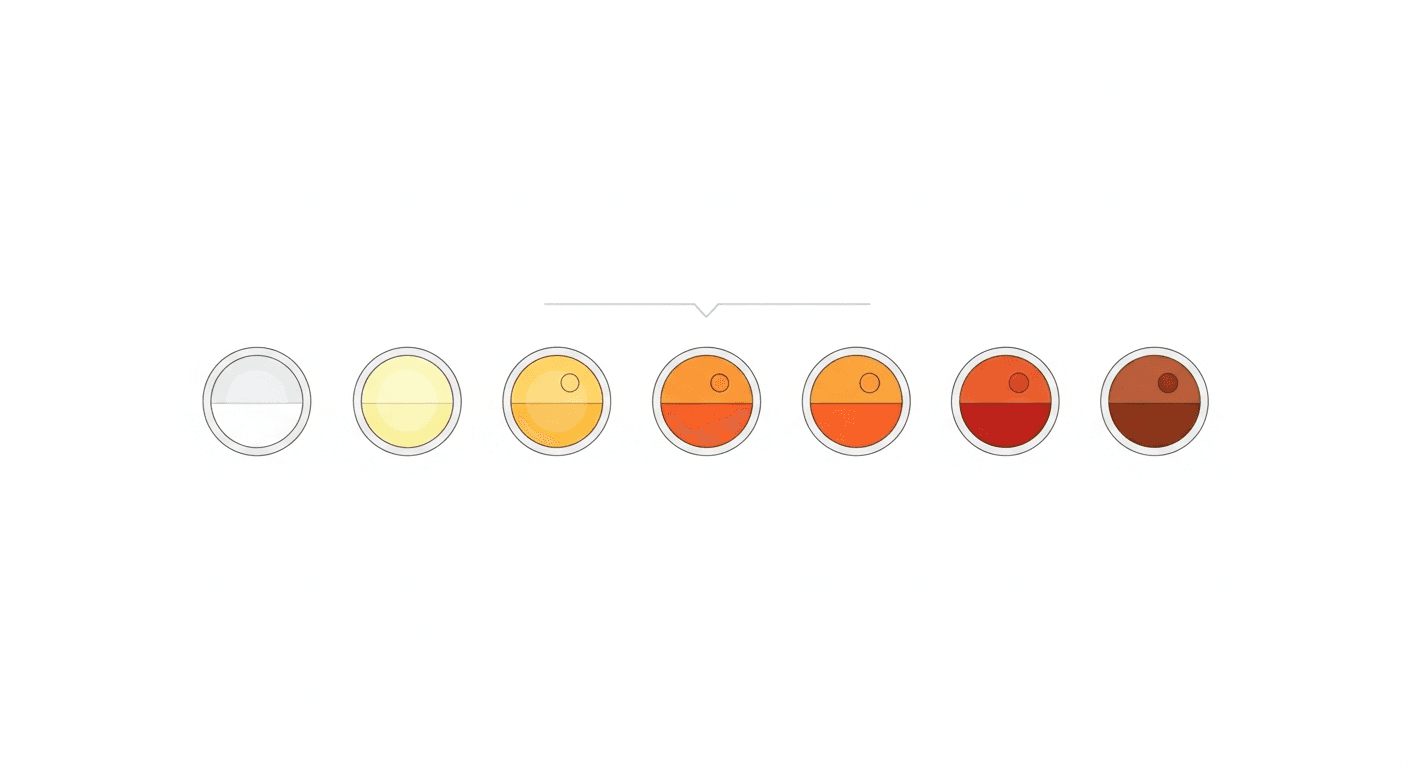
Rabbit Urine Color Guide: What's Normal and What's Not
Rabbit urine naturally varies widely in color — from pale yellow to deep orange-red. Learn what's normal pigmentation versus genuine blood in the urine.