
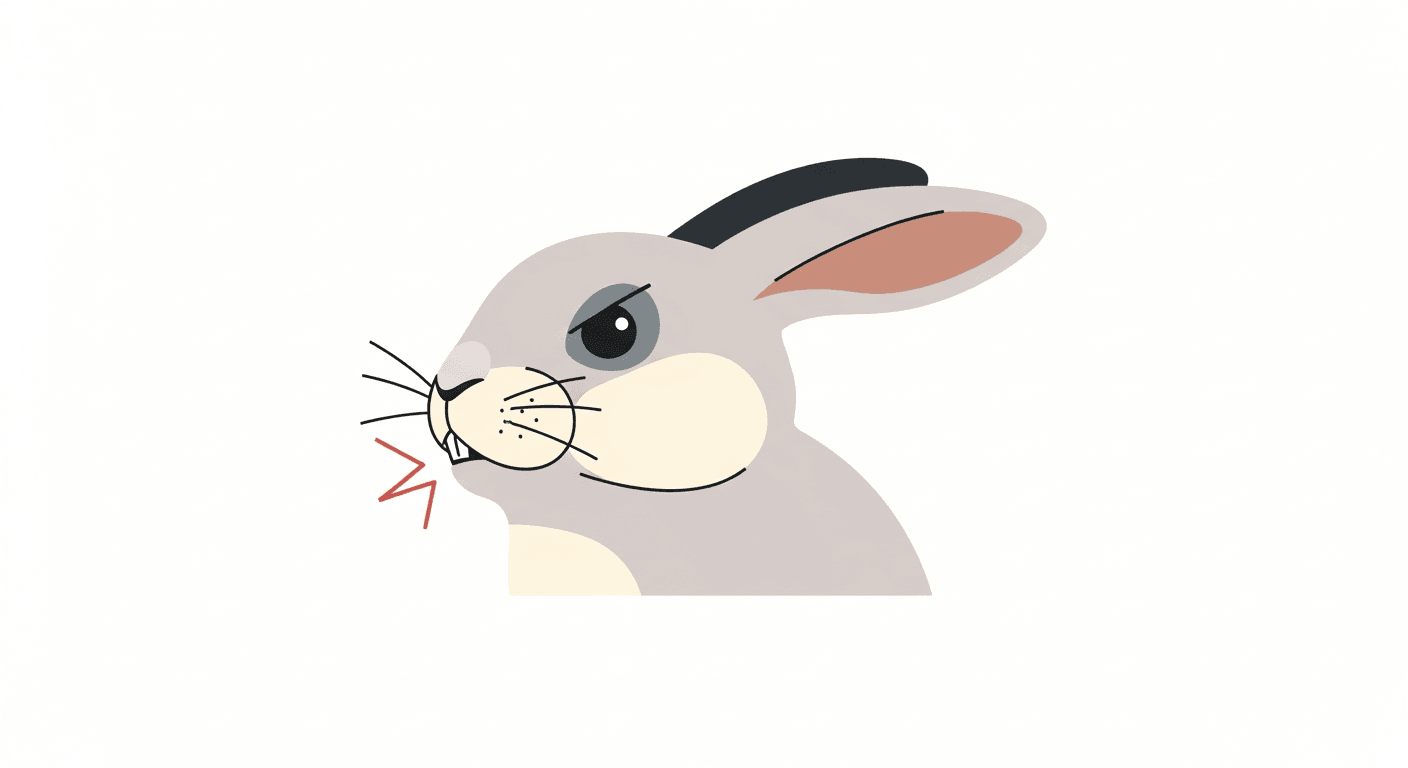
Why Do Rabbits Bite?
Rabbits bite for several distinct reasons, and understanding which applies to your rabbit is the first step to addressing it. The most common causes are: hormonal aggression in unspayed/unneutered rabbits (especially females showing territorial rage at their enclosure — "nesting aggression"), fear-based biting (a rabbit that was not properly socialized as a young rabbit), pain-based aggression (any handling causes pain, so the rabbit bites to stop it), and learned behavior (biting got the rabbit what it wanted — to be put down — so it repeats the behavior).
First 3 Steps for a Biting Rabbit
- Rule out pain: A rabbit that bites when handled in a specific way may be in pain. Dental disease, gut pain, or arthritis all make rabbits reactive to touch. A veterinary exam rules this out before any behavioral work.
- Spay or neuter the rabbit: Hormonal aggression — especially in females — resolves dramatically after spaying. Female rabbits with uterine aggression can become genuinely dangerous. Spaying is the most effective single intervention for this type of aggression.
- Rebuild trust with ground-level interaction: Don't force handling. Sit on the floor near the rabbit and let it investigate you. Offer treats by hand. Build a positive association with your presence before attempting to pick the rabbit up.
When to See the Vet
- Biting has become more frequent or severe recently (may indicate pain or illness)
- Any bite wound on the owner that requires medical attention
- To schedule spay/neuter — this is the most effective behavioral intervention
Follow-Up Care Checklist
- Never shout at, flick, or physically punish a rabbit for biting — this escalates fear and aggression
- Provide a hide box in the enclosure — a rabbit that can retreat feels less need to be aggressive
- Work with a rabbit-experienced animal behaviorist if aggression persists after spaying and trust-building
Track Aggression Triggers with TailRounds
Log each biting incident with the context (handling, approaching the enclosure, during what activity) in the TailRounds Daily Log. Patterns reveal the specific trigger.
Book a Vet Appointment
Pain assessment and spay/neuter are the two most important veterinary interventions for biting rabbits. Book at Happy Paws for a full behavioral and health consultation.
Summary for Your Clinic Visit
Describe when biting occurs, the rabbit's age and sex, whether it is spayed/neutered, any recent changes in behavior, and any suspected pain signs.
Continue Reading
 🐇 Rabbit Health
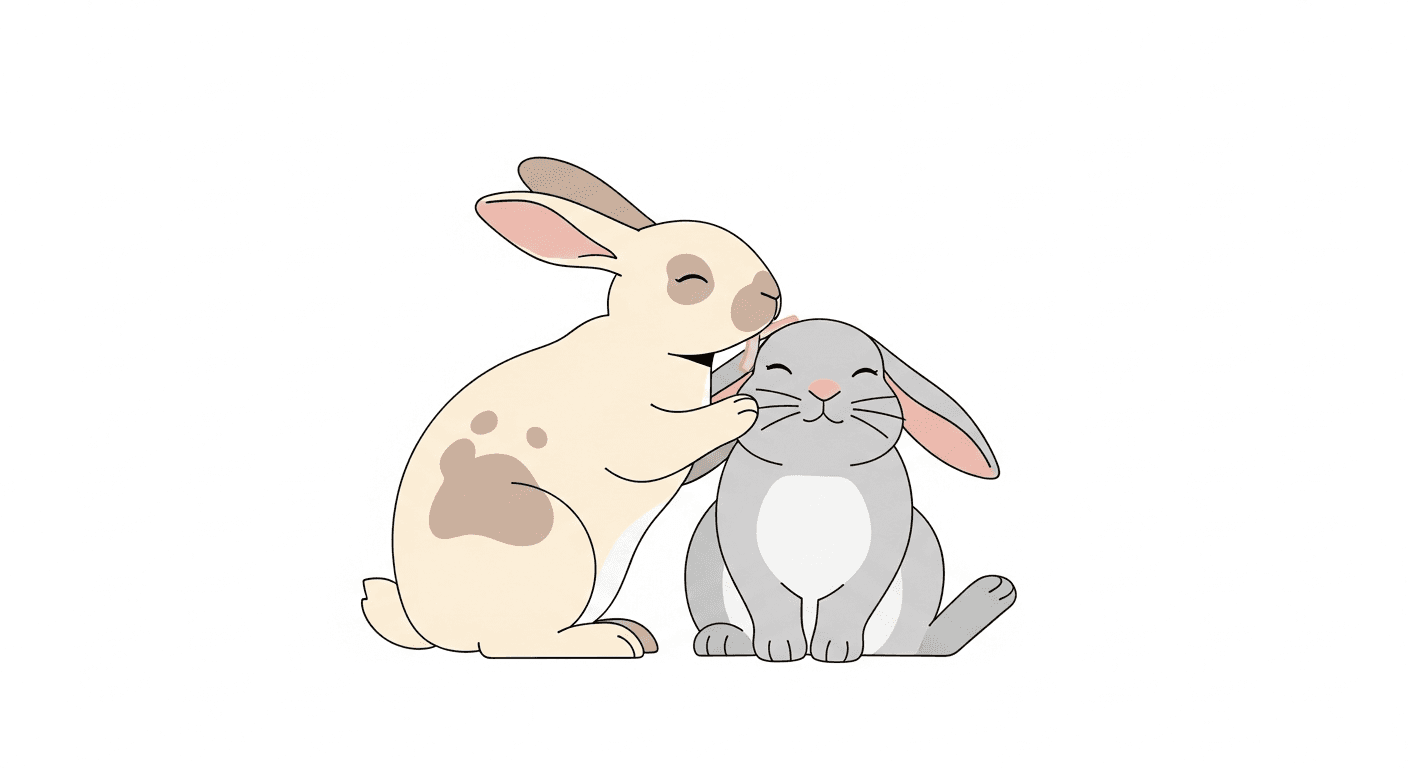
How to Bond Two Rabbits: A Safe Step-by-Step Guide
Rabbits are social animals that thrive with a companion. But introducing two rabbits without proper bonding steps often leads to serious injury. Learn the right approach.
 🐇 Rabbit Health
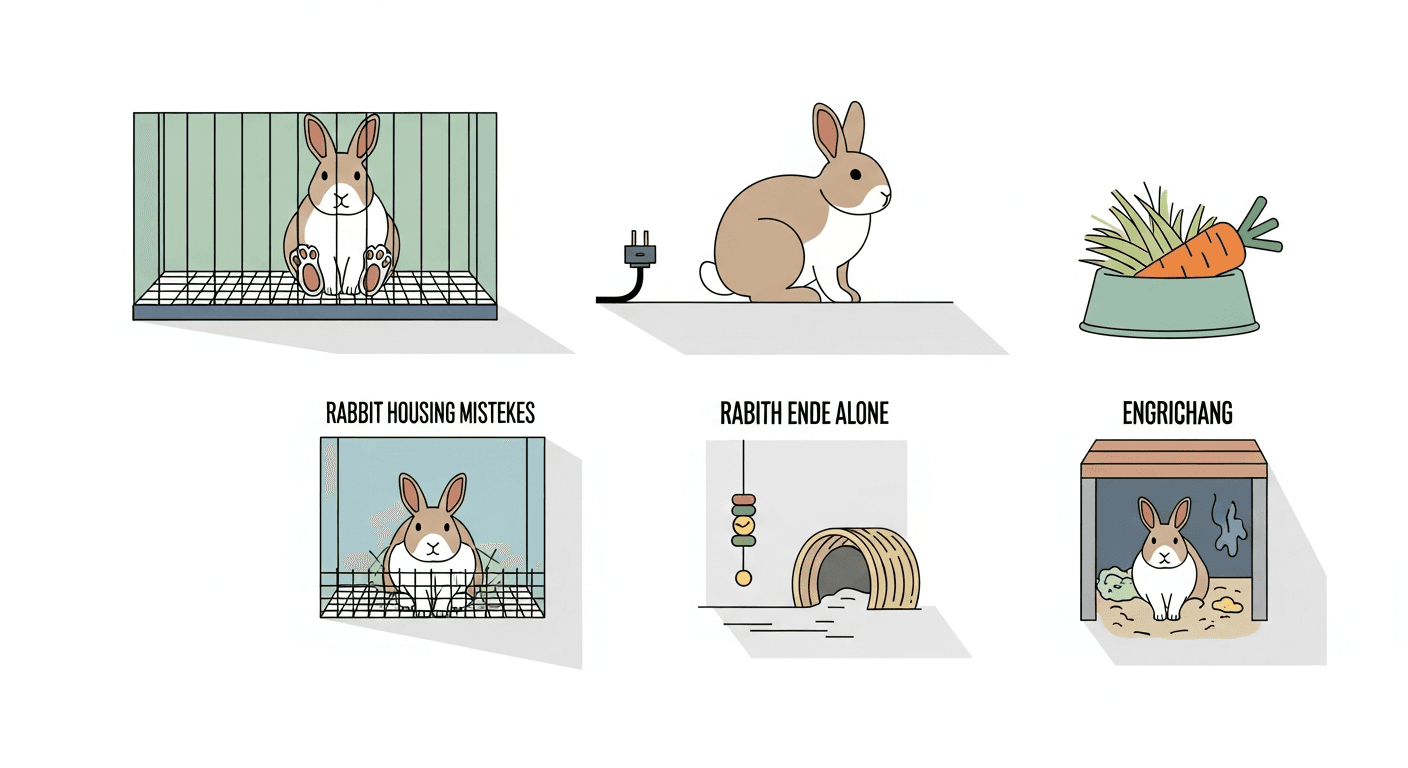
Common Rabbit Housing Mistakes That Harm Health
Many popular rabbit enclosures sold in pet stores are actually harmful. Learn what space, flooring, temperature, and social needs rabbits truly require.
 🐇 Rabbit Health
Rabbit Not Eating: Why It's Always Serious
Rabbits that stop eating for even a few hours can develop life-threatening GI stasis. Learn to recognize early warning signs and when to act.
 🐇 Rabbit Health
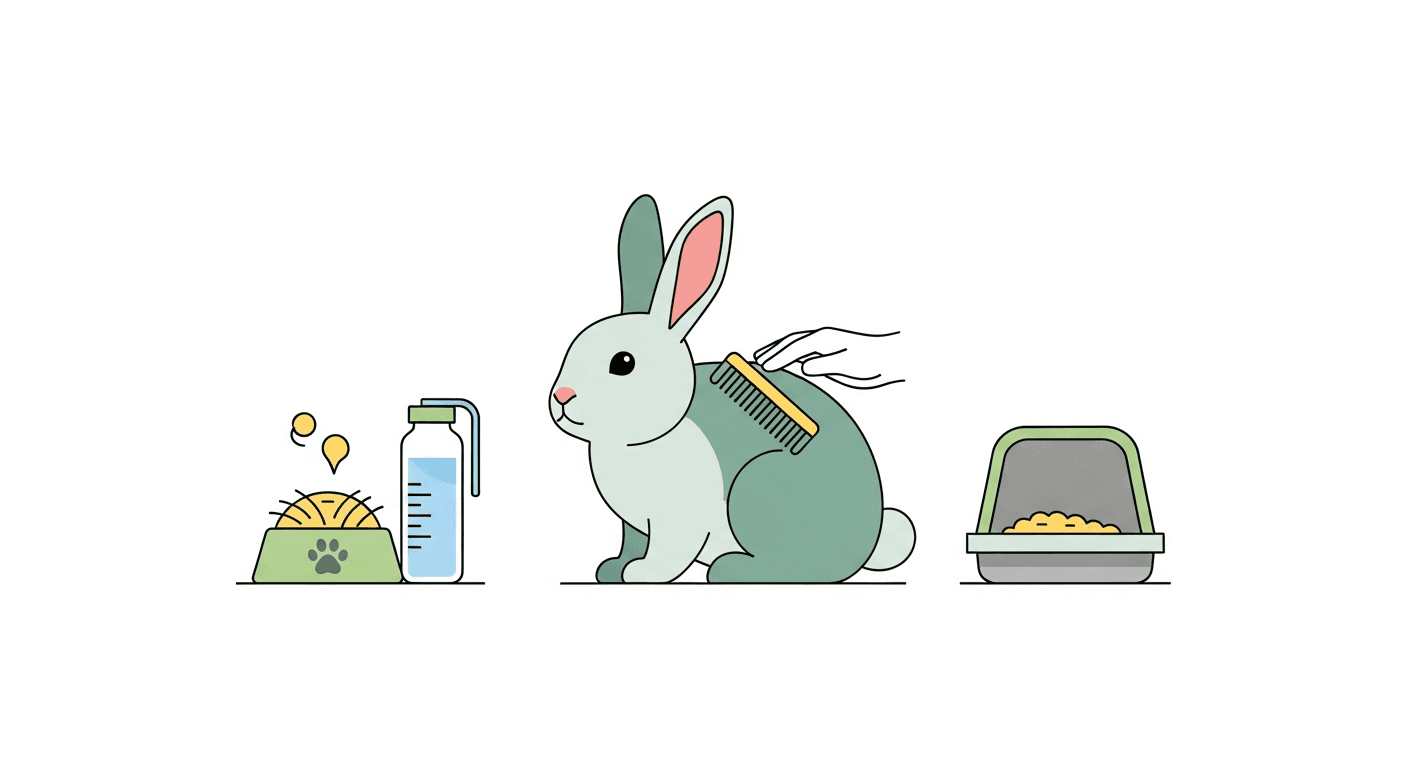
Daily Rabbit Care Routine: A Complete Health Checklist
A healthy rabbit requires daily observation and specific care tasks. This routine helps you catch health problems early and keep your rabbit thriving.