
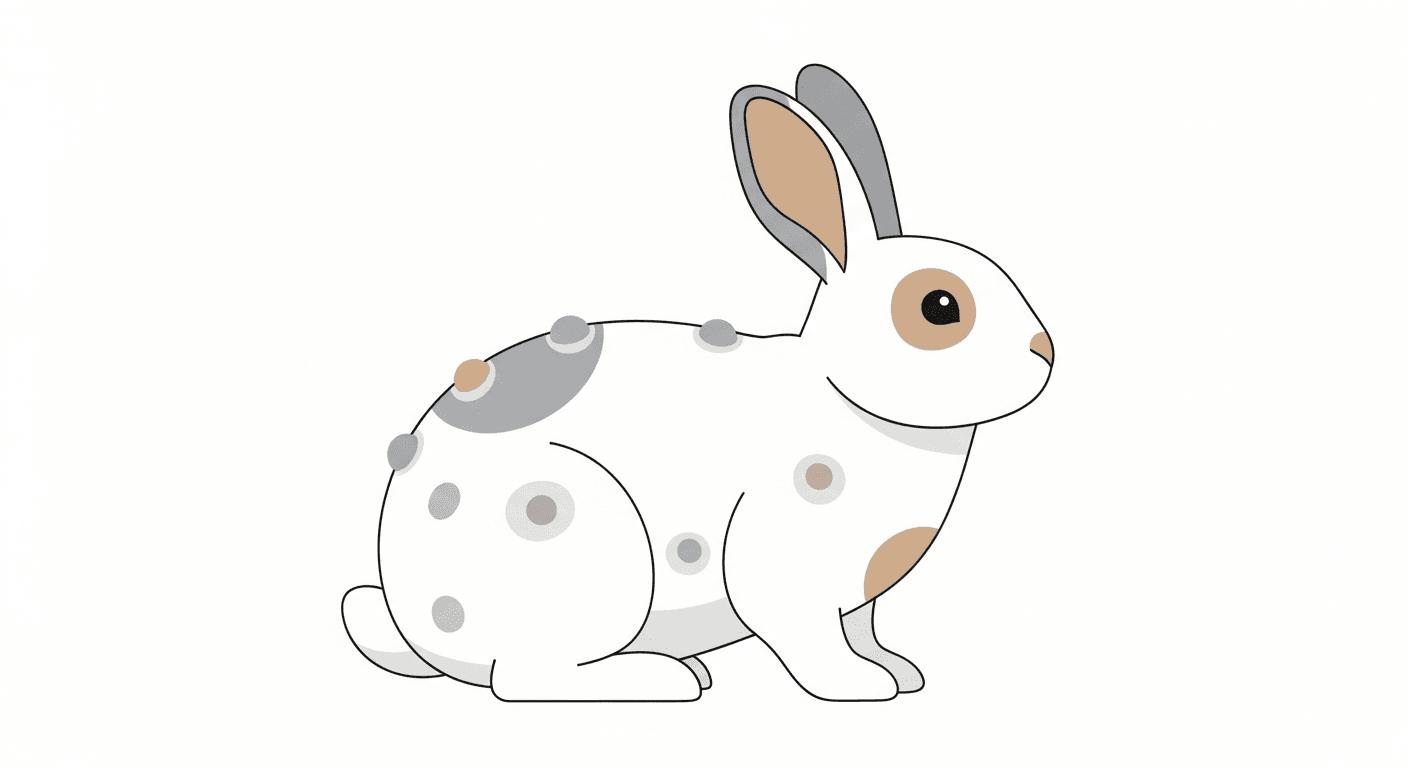
What Can Cause Lumps in Rabbits?
Finding a lump on a rabbit requires veterinary investigation — rabbits hide illness well, and what looks benign may not be. The most common causes of lumps in rabbits are: dental abscesses (very common, usually near the jaw, cheek, or below the eye), subcutaneous abscesses from wounds (rabbit abscesses often contain thick, paste-like pus that doesn't drain like a dog or cat abscess — they typically require surgical removal), benign cysts, and neoplasia (tumors, including uterine cancer in unspayed females). Myxomatosis (a viral disease) causes characteristic skin swellings in unvaccinated rabbits in areas where the disease is endemic.
First 3 Steps When You Find a Lump
- Note the location, size, and characteristics: Is it soft (fluid-filled) or firm? Is the skin over it normal or ulcerated? Does the rabbit react when you press it? Is it near the jaw (dental abscess suspect)? Near the abdomen (reproductive tumor in females)?
- Book a vet appointment within a week: Most lumps are not emergencies, but they should never be "watched at home" for extended periods without evaluation. Early assessment means simpler treatment.
- Don't attempt to squeeze or lance any lump at home: Rabbit abscesses contain thick, non-drainable material. Squeezing causes pain, spreads infection, and doesn't resolve the problem. This requires surgical management.
When to Go to the Vet Immediately
- Lump that is growing rapidly over days
- Skin over the lump ulcerating or opening
- Rabbit is unwell, not eating, or in pain alongside the lump
- Suspected myxomatosis (drastic swelling of the eyelids, face, genitals in an unvaccinated rabbit)
Follow-Up Care Checklist
- Dental abscess treatment often requires long-term antibiotics, repeated surgical debridement, and in some cases tooth extraction — be prepared for extended treatment
- Spay unspayed female rabbits to prevent uterine and mammary tumors
- Vaccinate against myxomatosis in areas where the disease occurs
Track Lump Changes with TailRounds
Measure and photograph lumps weekly until veterinary assessment. Log dimensions and appearance in the TailRounds Daily Log to detect growth.
Book a Vet Appointment
Any new lump on a rabbit should be evaluated by a vet. Book at Happy Paws with our exotic animal team for assessment and fine needle aspirate if appropriate.
Summary for Your Clinic Visit
Describe the lump location, size, consistency, how long you've noticed it, whether it's growing, and any other health changes in the rabbit.
Continue Reading
 🐇 Rabbit Health
Rabbit Weight Loss: When to Be Concerned
Weight loss in rabbits often signals dental disease, GI problems, or systemic illness. Learn how to monitor weight and respond to unexpected loss.
 🐇 Rabbit Health
Rabbit Not Eating: Why It's Always Serious
Rabbits that stop eating for even a few hours can develop life-threatening GI stasis. Learn to recognize early warning signs and when to act.
 🐇 Rabbit Health
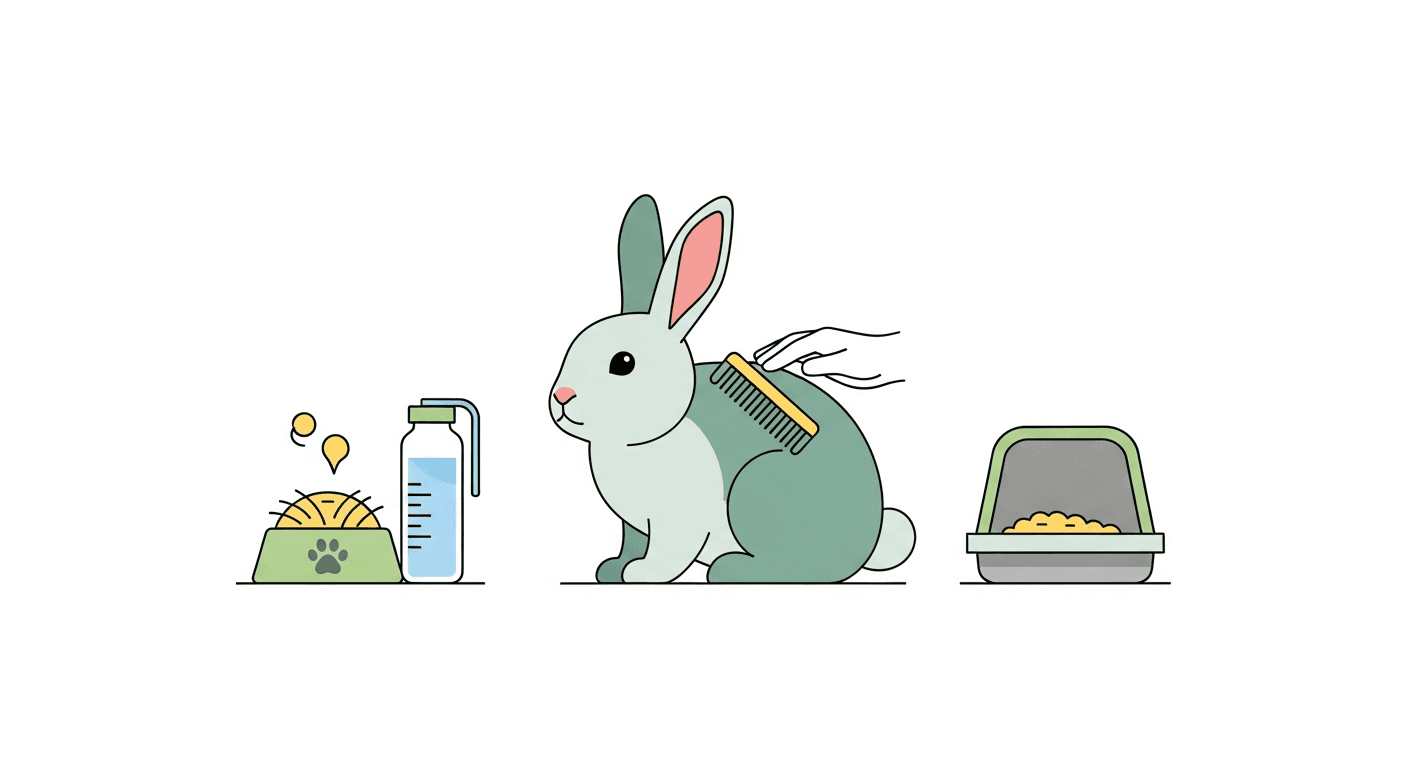
Daily Rabbit Care Routine: A Complete Health Checklist
A healthy rabbit requires daily observation and specific care tasks. This routine helps you catch health problems early and keep your rabbit thriving.
 🐇 Rabbit Health
Rabbit Post-Spay Recovery: What to Expect and How to Help
Spay surgery is vital for female rabbit health, but recovery requires careful monitoring. Learn what's normal and what's a complication sign.