
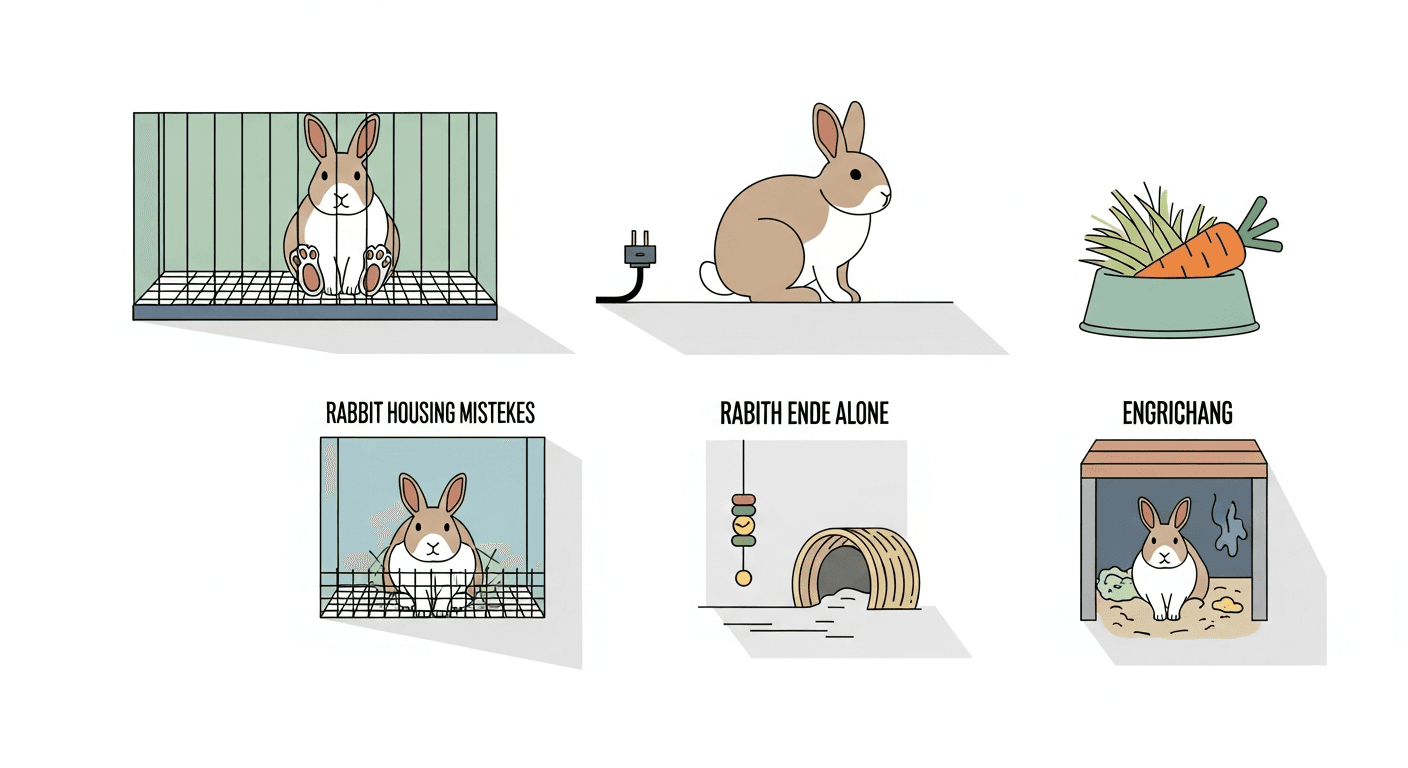
Why Most Commercial Rabbit Cages Are Inadequate
The pet industry sells "rabbit hutches" that are entirely inadequate for rabbit welfare. A rabbit kept in a small cage develops physically and psychologically — it develops GI problems from insufficient movement, sore hocks from wire flooring, dental disease from boredom-induced bar chewing, and behavioral problems from stress. A rabbit's minimum living space should allow it to take at least 3 full hops in any direction and stand upright on its hind legs without its ears touching the top. For most rabbits, this means a minimum enclosure of 180cm × 90cm × 90cm — significantly larger than most commercial hutches.
First 3 Steps to Improve Your Rabbit's Housing
- Provide a solid floor: Wire or grid floors are one of the most harmful things for rabbit health. They cause sore hocks (pressure sores on the hind feet) and joint stress. Line all floor surfaces with solid material — wooden boards, interlocking foam tiles covered with fleece, or lino. Provide soft bedding areas.
- Allow minimum 4 hours of free-roaming time daily: Ideally, rabbits are housed in a large pen or given a rabbit-proofed room to freely use. Daily free-roaming exercise is essential for gut motility, muscle tone, and psychological health.
- Maintain temperature between 15–22°C: Rabbits are extremely heat-sensitive — temperatures above 26°C risk heat stroke. Keep rabbits indoors or in insulated, shaded outdoor hutches. Avoid direct sunlight on the enclosure.
When to See the Vet
- Signs of sore hocks (hairless, red, ulcerated skin on the hind feet) — housing and flooring must change alongside treatment
- Behavioral problems severe enough that the rabbit is self-harming (bar-chewing, repeated circling)
- Any health problem that has developed over time without an obvious cause — housing may be a contributing factor
Follow-Up Care Checklist
- Provide enrichment: tunnels, hay racks, foraging activities, chew toys, digging boxes
- Rabbits are social — keeping a single rabbit without human company leads to depression; consider adopting a bonded pair
- Rabbit-proof the free-roaming area: cover electrical wires, remove toxic plants, block dangerous gaps
Track Health and Behavior with TailRounds
Behavioral problems related to poor housing are gradual and easy to miss. Log daily behavior observations in the TailRounds Daily Log to notice trends.
Book a Vet Appointment
If your rabbit has developed sore hocks or other housing-related conditions, book at Happy Paws for a welfare assessment and treatment plan.
Summary for Your Clinic Visit
Describe the rabbit's enclosure (size, floor type, location), daily exercise time, temperature exposure, and any symptoms you've noticed including skin changes on the feet.
Continue Reading
 🐇 Rabbit Health
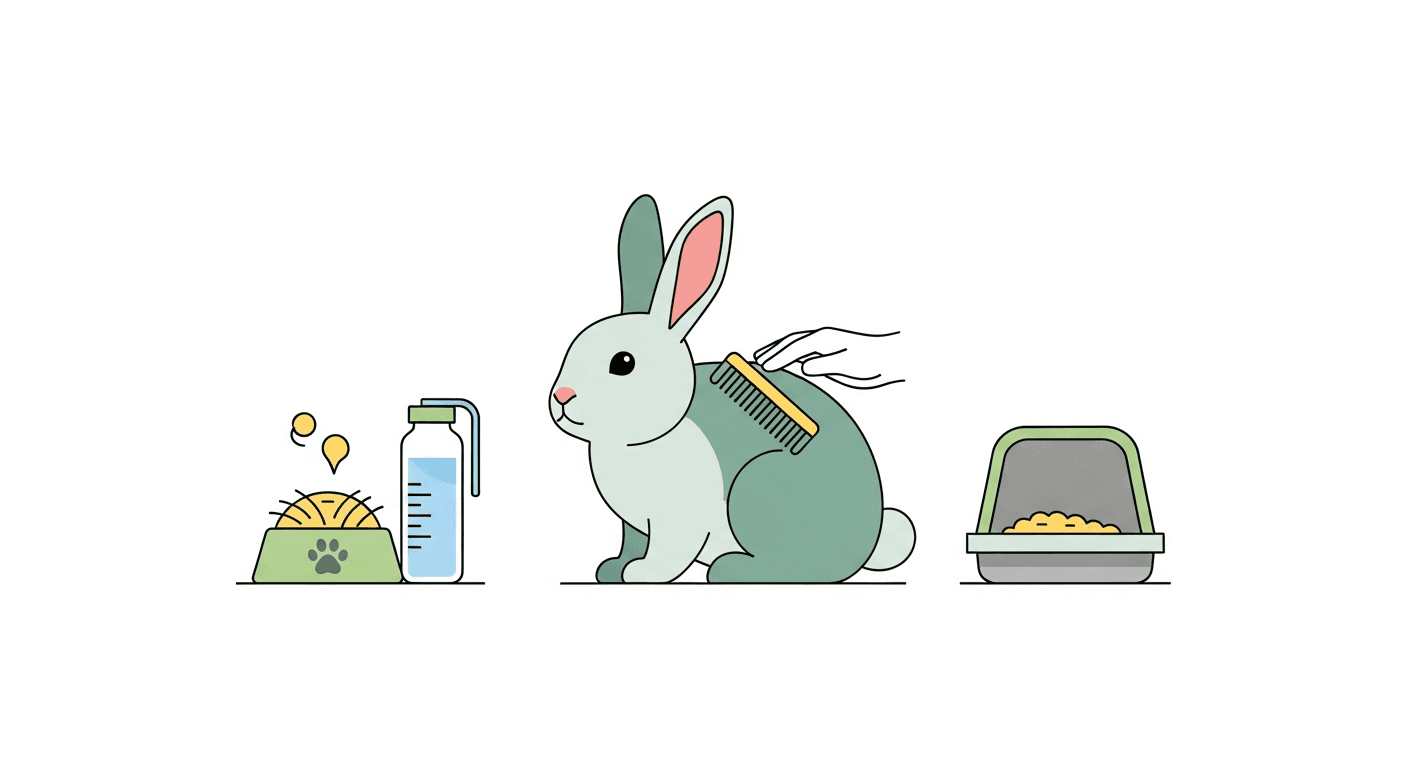
Daily Rabbit Care Routine: A Complete Health Checklist
A healthy rabbit requires daily observation and specific care tasks. This routine helps you catch health problems early and keep your rabbit thriving.
 🐇 Rabbit Health
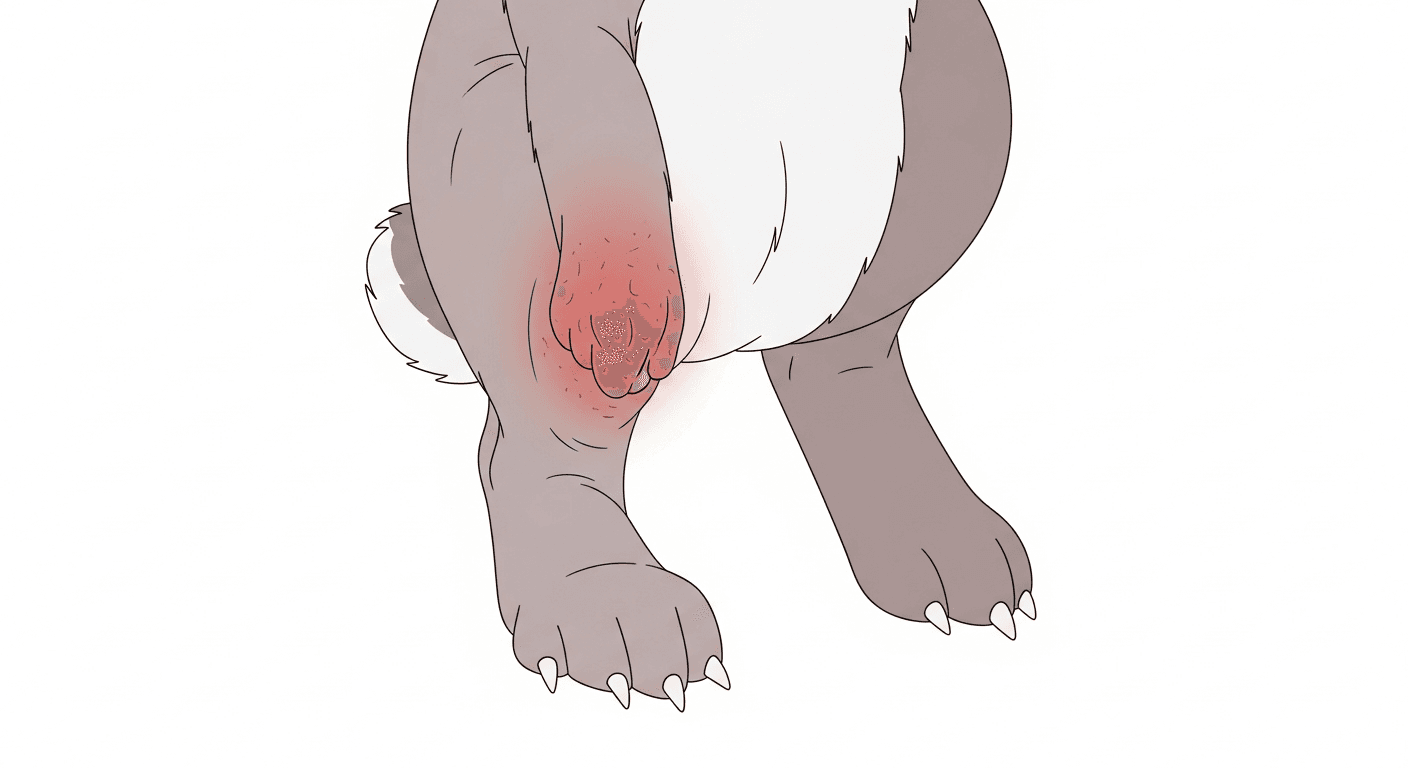
Rabbit Sore Hocks: Treatment and Prevention of This Common Condition
Sore hocks (pododermatitis) are painful pressure sores on a rabbit's hind feet. Learn what causes them, how they're treated, and what flooring changes prevent them.
 🐇 Rabbit Health
How to Bond Two Rabbits: A Safe Step-by-Step Guide
Rabbits are social animals that thrive with a companion. But introducing two rabbits without proper bonding steps often leads to serious injury. Learn the right approach.
 🐇 Rabbit Health
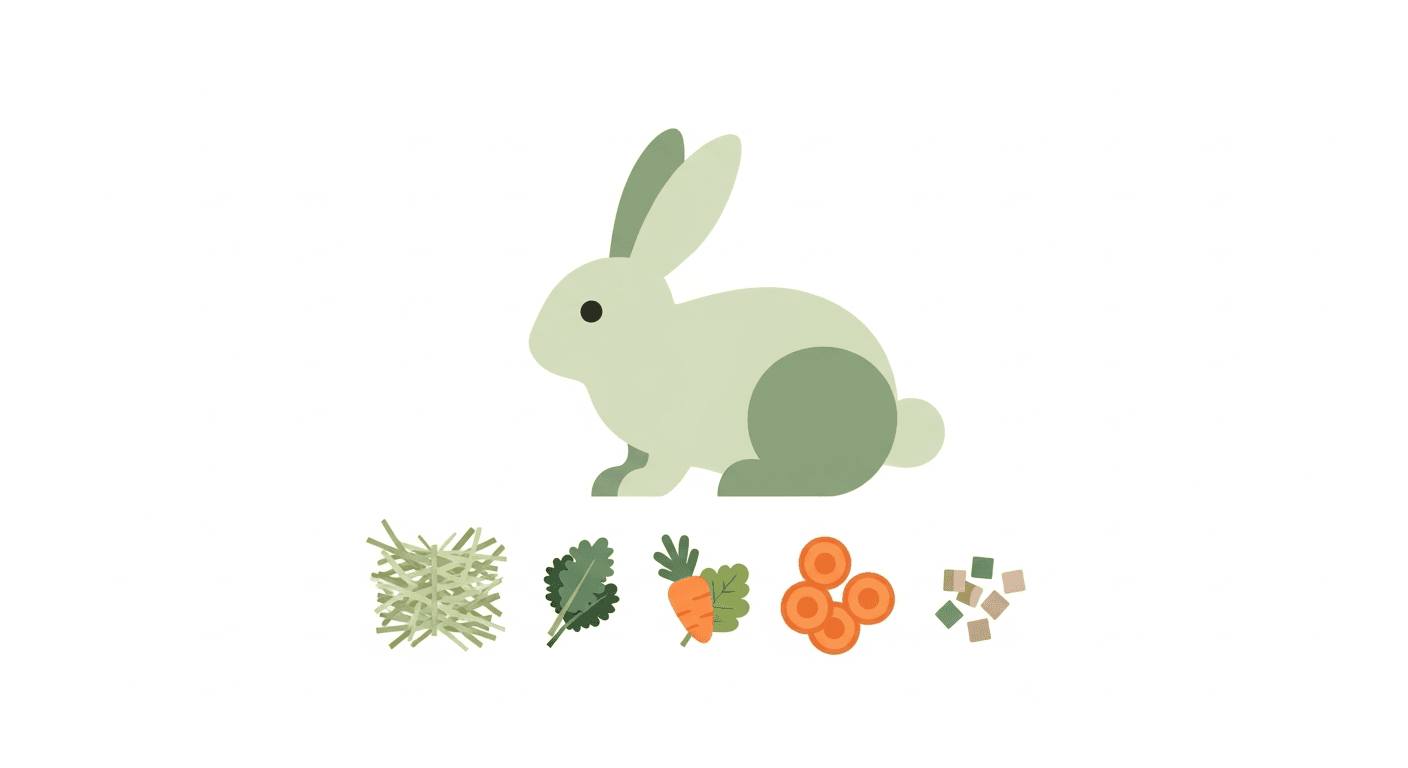
Complete Rabbit Diet Guide: Hay, Vegetables, and What to Avoid
The right diet is the foundation of rabbit health. Learn the correct proportions of hay, greens, and pellets — and which common foods are dangerous for rabbits.