
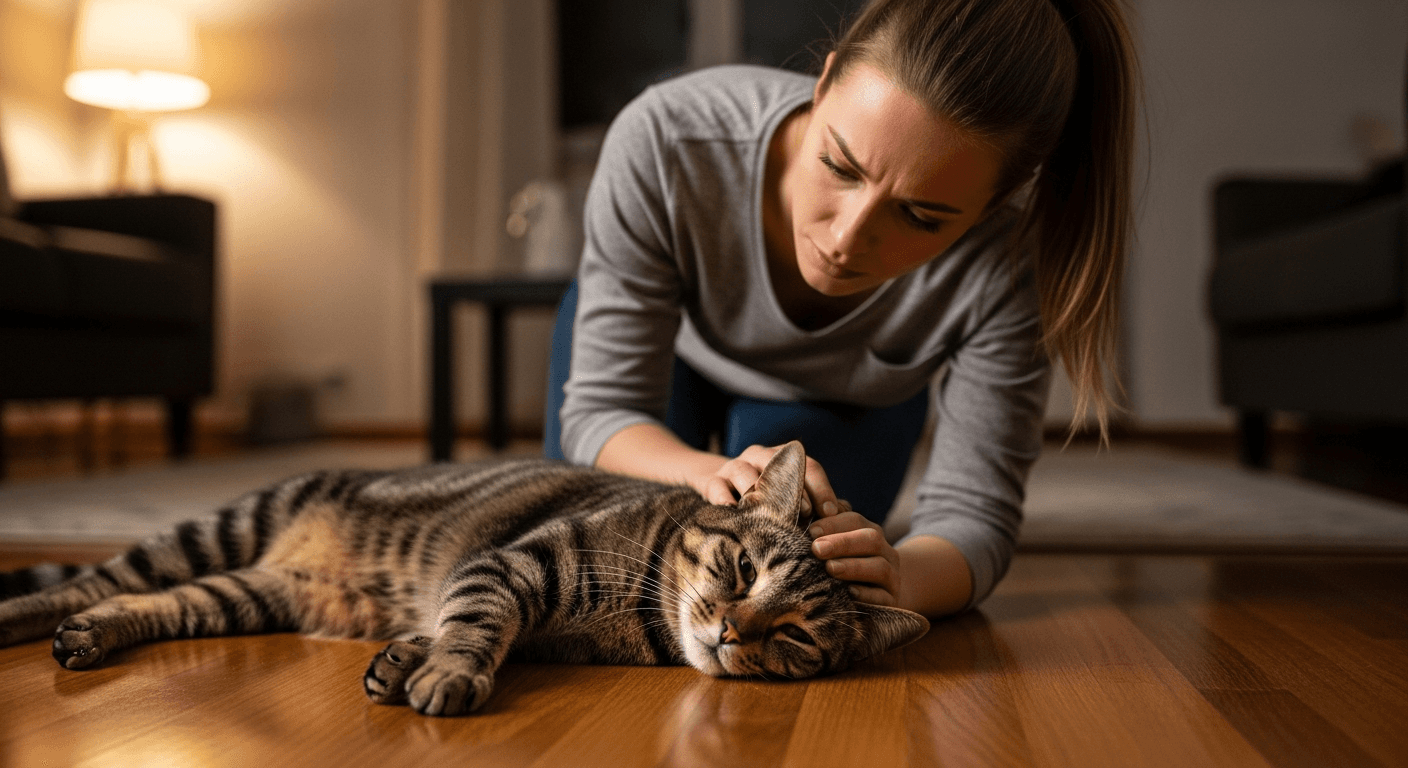
What Causes Diarrhea in Cats?
Diarrhea in cats is classified as small intestinal (large volume, watery, less frequent) or large intestinal (small volume, more frequent, often with mucus or urgency). This distinction helps narrow down the cause. Small intestinal diarrhea often relates to parasites, IBD, or pancreatitis. Large intestinal diarrhea points more toward colitis, dietary indiscretion, or stress.
Common triggers include abrupt food changes, food intolerances, parasites (Giardia, roundworms, Tritrichomonas), bacterial infections, viral illness, stress, antibiotics, and more serious conditions like hyperthyroidism or cancer in older cats.
First 3 Steps to Take at Home
- Don't fast the cat: Unlike dogs, cats should not be fasted for extended periods during diarrhea. Instead, offer small amounts of bland, easily digestible food (plain boiled chicken, white rice, or a hydrolyzed protein prescription diet).
- Increase hydration: Diarrhea depletes fluids rapidly. Add water to food, offer a pet water fountain, or dilute wet food. Watch for signs of dehydration: skin tenting, dry gums, sunken eyes.
- Check the litter box carefully: Note stool consistency, color, and whether there is blood or mucus. A photo of the stool (unpleasant as it sounds) can be enormously helpful for your vet.
When to Go to the Vet Immediately
- Diarrhea persisting more than 24 hours in a kitten, or 48 hours in an adult cat
- Blood in the stool (bright red or black/tarry)
- Diarrhea combined with vomiting and not eating
- Signs of dehydration: dry gums, lethargy, sunken eyes
- Known immunocompromised or senior cat with any diarrhea
- Suspected parasite exposure or recent travel to an outdoor environment
Follow-Up Care Checklist
- Transition any new food over 7–10 days by mixing old and new gradually
- Deworm per your vet's schedule, especially if the cat goes outdoors
- Give probiotics as directed — feline-specific probiotics can help restore gut flora after antibiotic use or illness
- Monitor litter box for 5–7 days after recovery to confirm stools have normalized
Log Stool Changes with TailRounds
Consistency, frequency, and color — these details matter enormously in diagnosing gastrointestinal issues. Use the TailRounds Daily Log to note litter box activity each day and build a record your vet can actually use.
Book a Vet Appointment
If your cat's diarrhea has lasted more than 48 hours or keeps coming back, a parasite test and bloodwork can find the cause. Book at Happy Paws today for a same-week appointment.
Summary for Your Clinic Visit
Tell your vet how long the diarrhea has lasted, what it looks like, whether there is blood or mucus, any recent food changes, the cat's vaccination and deworming history, and whether other pets in the household are affected.
Continue Reading
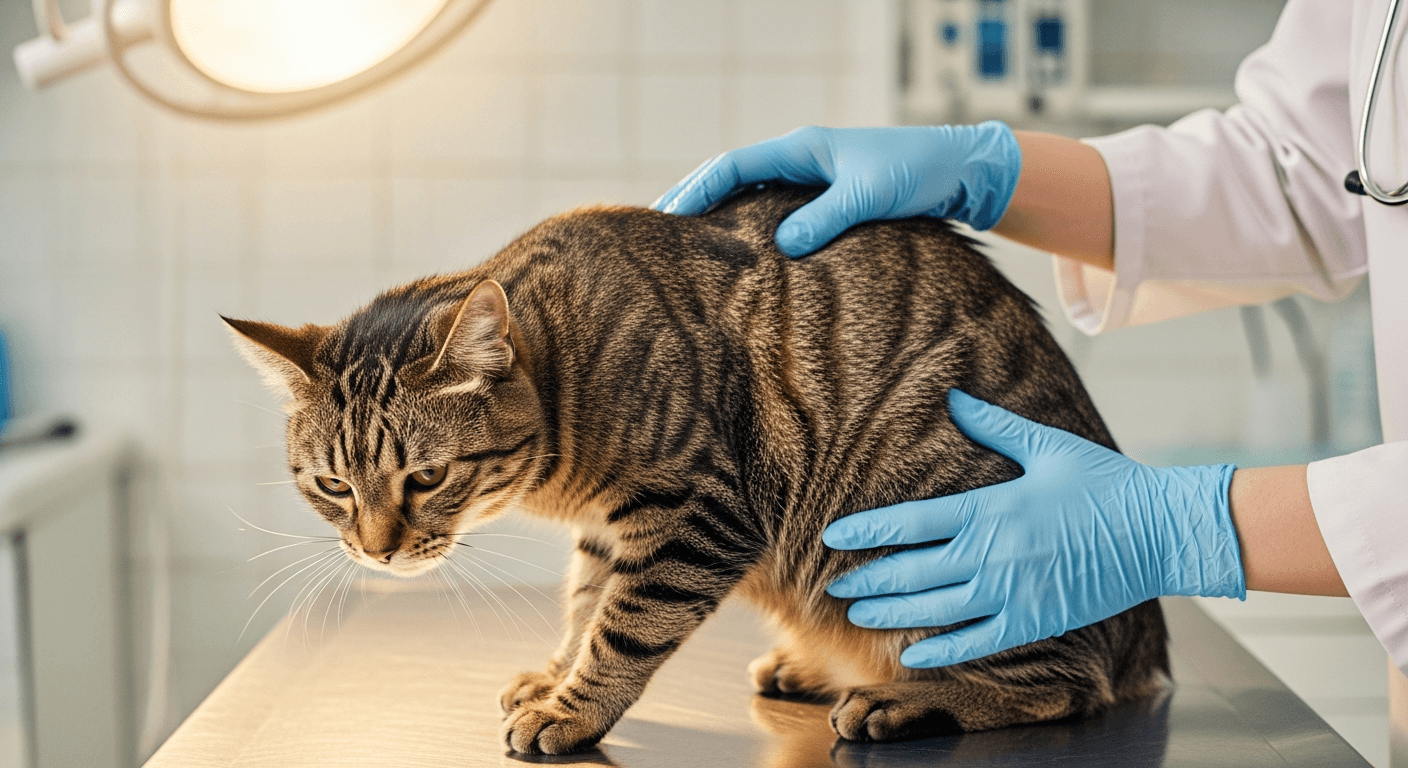 🐱 Cat Health
Cat Vomiting: Common Causes and What to Watch For
Understand why cats vomit, how to tell occasional vomiting from a medical emergency, and when to call your vet.
 🐱 Cat Health
Cat Not Eating: When Is It an Emergency?
Learn why your cat has stopped eating, which symptoms require immediate vet care, and how to safely encourage appetite at home.
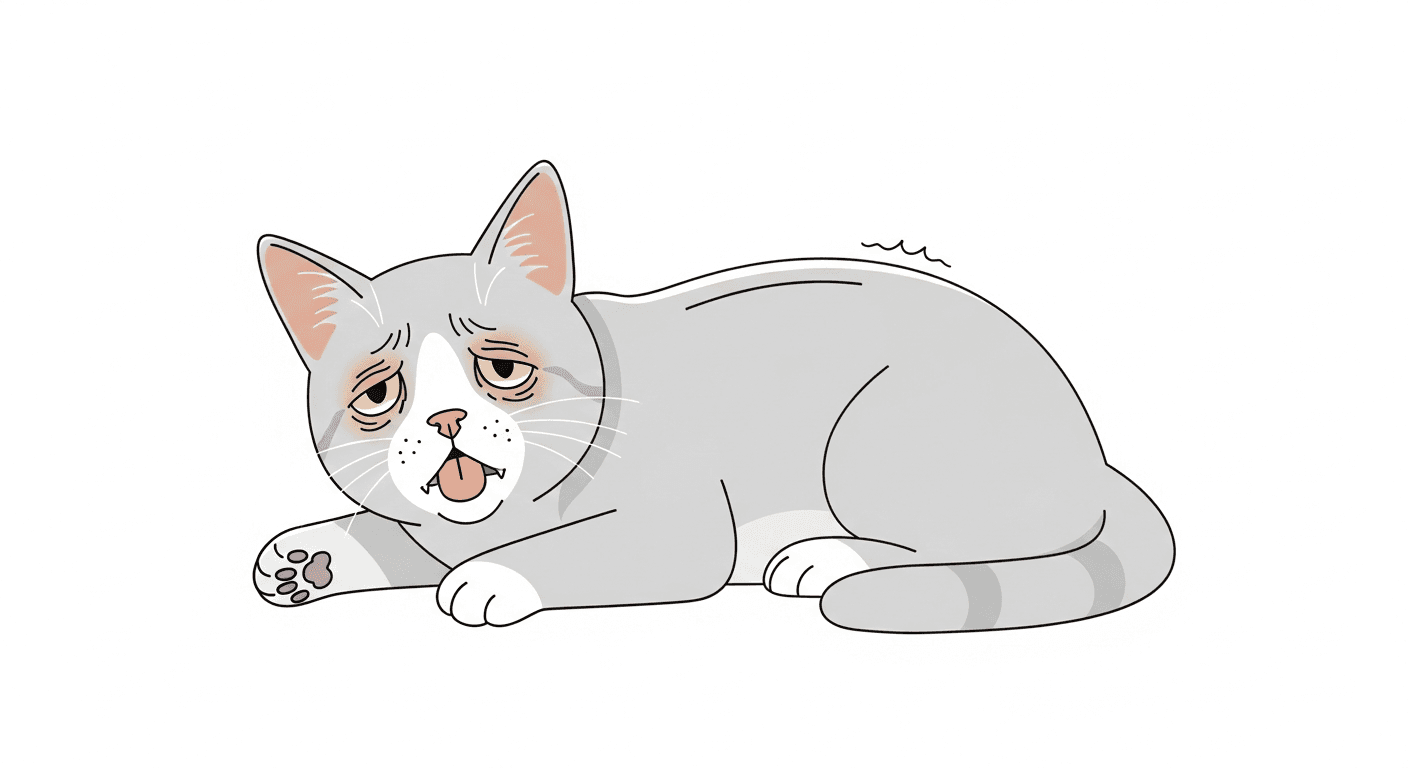 ✂️ Cat Care
Cat Dehydration: How to Spot It and Improve Hydration
Cats are notoriously poor drinkers. Learn the signs of dehydration, how to test hydration at home, and strategies to get your cat drinking more water.
 🐱 Cat Health
Complete Cat Parasite Prevention Guide: Fleas, Worms, and Mites
A practical, year-round parasite prevention protocol for cats — covering which products to use, how often, and how to protect your family too.