
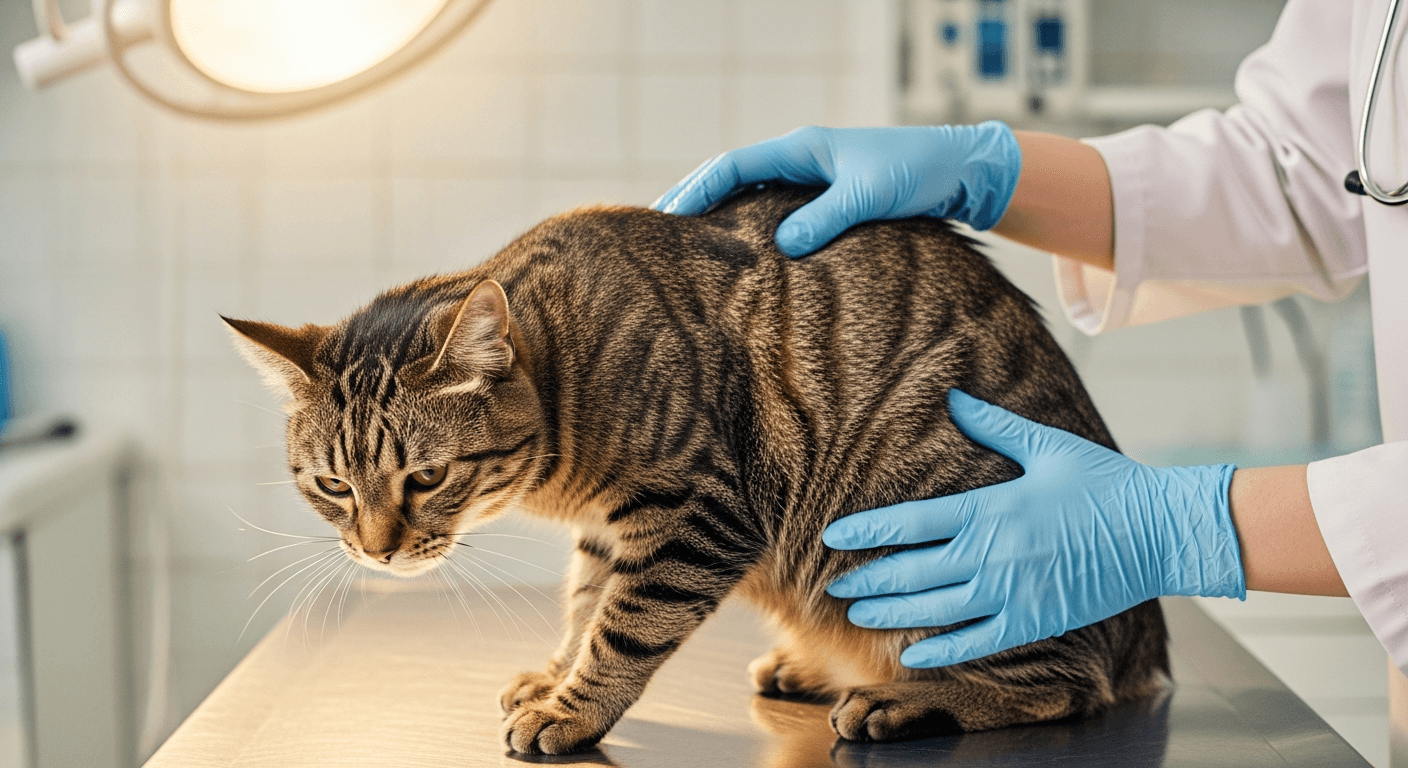
What Causes Cats to Vomit?
Vomiting in cats is extremely common — and also one of the most misleading symptoms, because it can indicate anything from a simple hairball to kidney failure. The key distinction is between acute vomiting (sudden, recent onset) and chronic vomiting (ongoing, weeks or months). Acute vomiting is more often related to something the cat ate, a hairball, or a sudden illness. Chronic vomiting almost always signals an underlying medical issue that needs diagnosis.
Common causes include hairballs, eating too fast, dietary indiscretion (eating something that doesn't agree with them), inflammatory bowel disease, pancreatitis, hyperthyroidism, kidney disease, intestinal parasites, and foreign body obstruction.
First 3 Steps to Take at Home
- Examine the vomit: Note the color and contents. Undigested food shortly after eating suggests eating too fast. Yellow bile means the stomach was empty. Hairballs have a distinct tubular shape. Blood (red or dark brown) is always an emergency.
- Withhold food for 2–4 hours: Give the stomach a short rest, then offer a small amount of bland food (plain cooked chicken or a prescription sensitivity diet). If the cat vomits again immediately, call your vet.
- Ensure access to water: Vomiting causes fluid loss. Keep fresh water available and watch that the cat is drinking. A cat that vomits and won't drink is at risk of dehydration.
When to Go to the Vet Immediately
- Vomiting more than 3 times in 24 hours
- Blood in vomit (any amount)
- Vomiting accompanied by lethargy, pain, or distended abdomen
- Suspected ingestion of a toxic plant, medication, or household chemical
- Vomiting with no food intake for more than 24 hours
- Known kidney disease, diabetes, or hyperthyroid cat that starts vomiting
- Kitten vomiting repeatedly — dehydration is rapid in young cats
Follow-Up Care Checklist
- Keep a vomit log: date, time, color, contents, and what the cat ate beforehand
- Consider a slow-feeder bowl if your cat eats too quickly
- Brush your cat regularly to reduce swallowed hair, and use hairball remedies as directed
- If chronic vomiting is diagnosed, follow the elimination diet or medication protocol prescribed
- Recheck appetite and energy level daily, and weigh weekly during any recovery
Track Vomiting Episodes with TailRounds
One episode might not mean much. A pattern of 3 episodes over 2 weeks might mean everything. The TailRounds Daily Log lets you record every vomiting episode with details, making it easy for your vet to spot patterns and order the right diagnostic tests without guesswork.
Book a Vet Appointment
Chronic vomiting — even just once or twice a week — is not normal for cats. Book a vet appointment at Happy Paws to get a proper workup, including bloodwork and ultrasound if needed.
Summary for Your Clinic Visit
Bring your vomit log, note the frequency and timing, describe the vomit's appearance, list all foods and treats the cat has eaten, and mention any new products introduced to the household. This detail dramatically speeds up diagnosis.
Continue Reading
 🐱 Cat Health
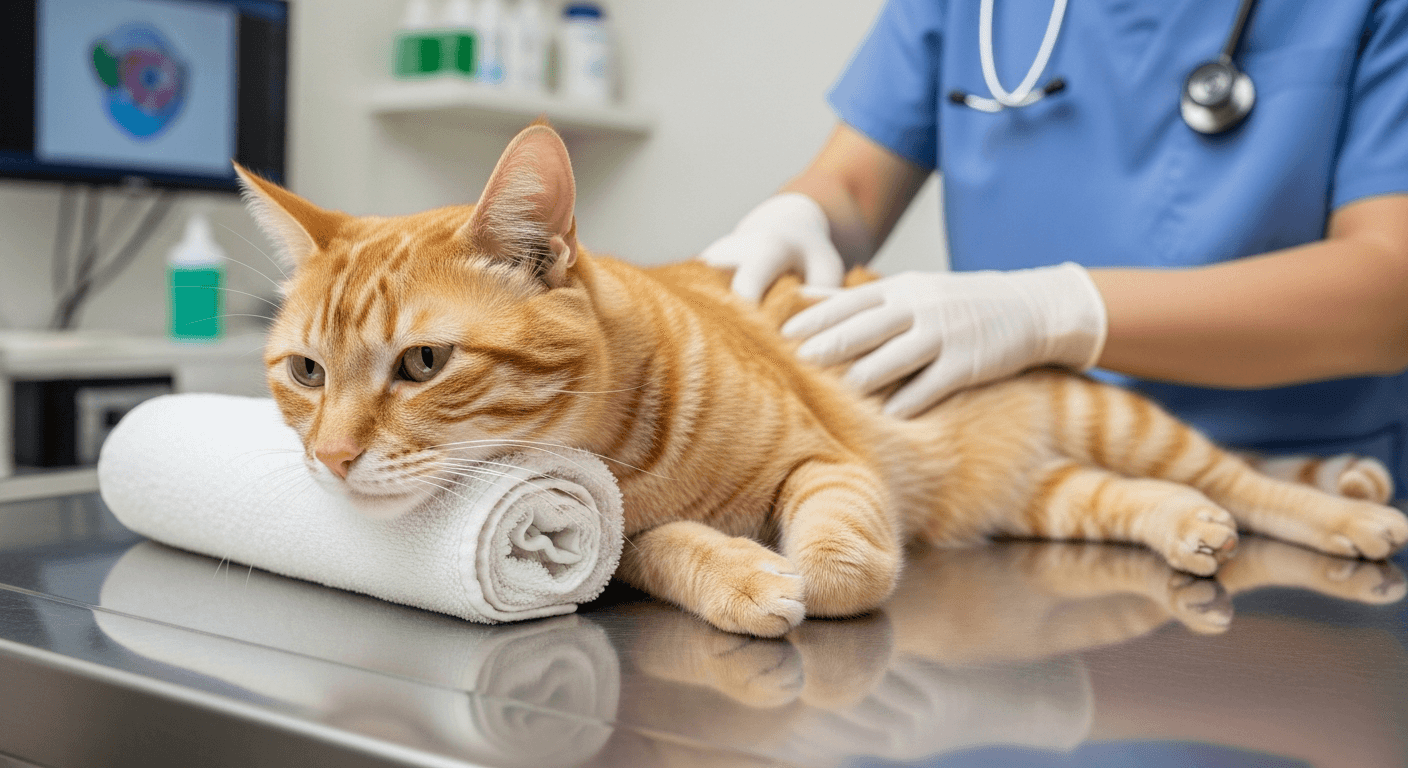
Cat Vomiting White Foam: What It Means
White foam vomit in cats often signals an empty stomach, but it can also mean gastritis or a more serious condition. Here's how to tell.
 🐱 Cat Health
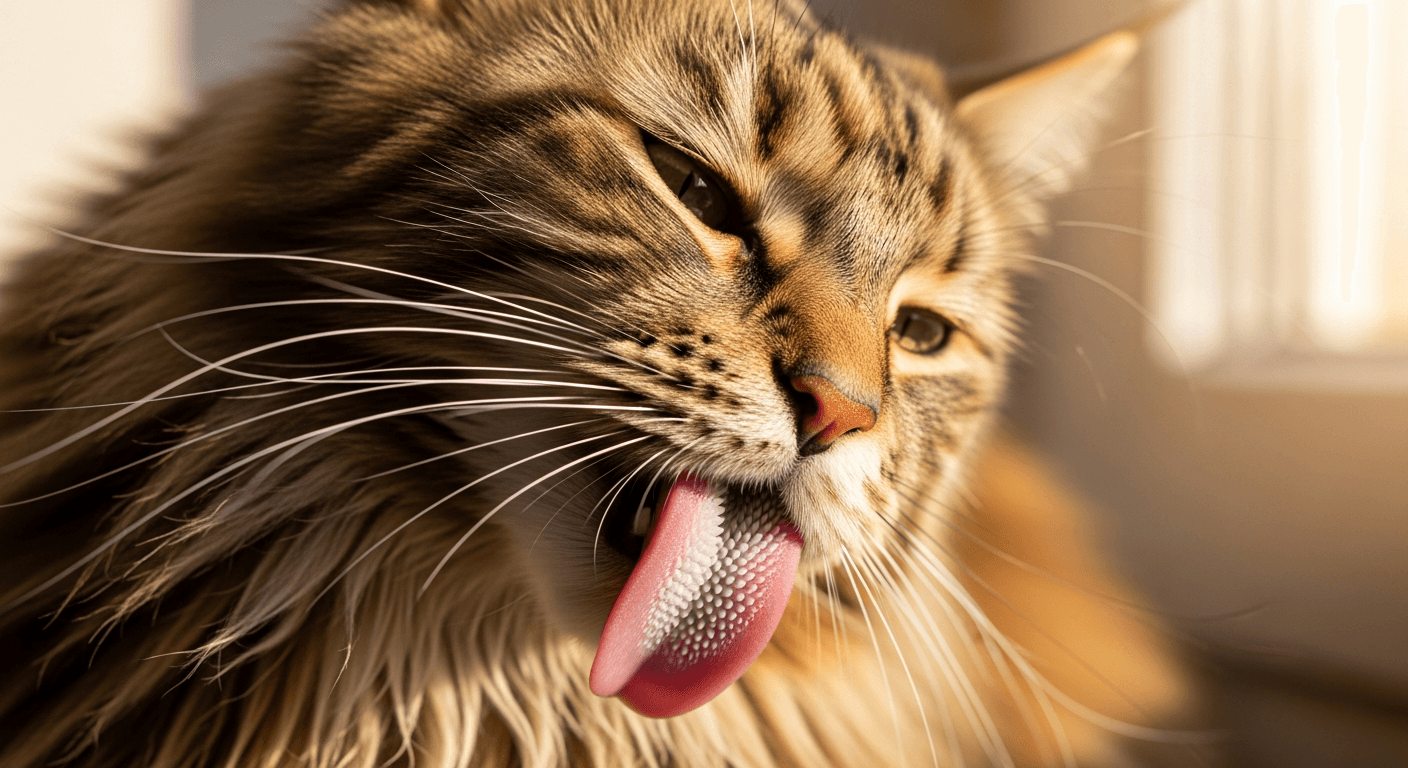
Cat Hairballs: What's Normal and When to Worry
Learn how often hairballs are normal, what a hairball looks like, and when repeated hairball vomiting signals a gastrointestinal problem.
 🐱 Cat Health
Cat Not Eating: When Is It an Emergency?
Learn why your cat has stopped eating, which symptoms require immediate vet care, and how to safely encourage appetite at home.
 🐱 Cat Health
Cat Diarrhea: What to Watch For and When to Act
One loose stool vs. three days of diarrhea — know the difference, learn home care steps, and find out when diarrhea becomes an emergency in cats.