
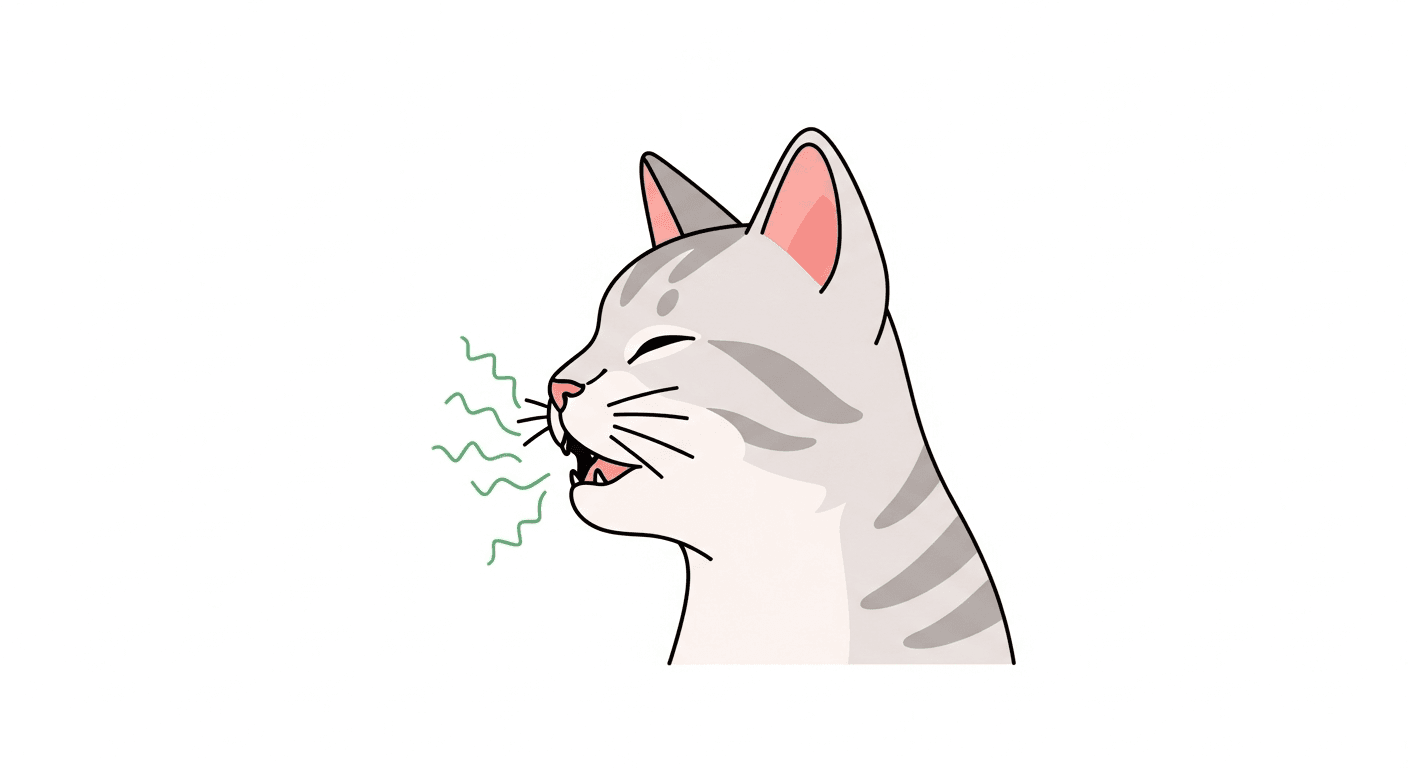
What Causes Severe Mouth Odor in Cats?
While dental tartar causes mild to moderate bad breath, truly severe, fetid mouth odor in cats usually indicates one of three conditions: stomatitis (a severe immune-mediated inflammation of the entire oral mucosa), a tooth root abscess (infection at the base of a tooth), or an oral tumor. All three cause significant pain, significantly reduce food intake, and require specific treatment.
Feline chronic gingivostomatitis (FCGS) is particularly devastating — the immune system attacks the oral tissue, causing intense red, ulcerated, bleeding inflammation throughout the mouth. Many affected cats drool constantly, paw at their mouths, and refuse food. Some become aggressive when their faces are touched.
First 3 Steps to Take at Home
- Assess eating behavior: Is the cat dropping food, turning away from food it clearly wants, or eating only on one side of the mouth? These are classic signs of oral pain.
- Look for facial swelling: A swelling below the eye or along the jaw often indicates a tooth root abscess. This may require antibiotics and extraction under anesthesia.
- Do not attempt to treat at home: There are no safe home remedies for stomatitis or oral tumors. Delay increases pain and disease progression. Vet referral is needed.
When to Go to the Vet Immediately
- Cat is not eating due to mouth pain for more than 24 hours
- Facial swelling, especially below the eye
- Visible mass or growth in the mouth
- Constant drooling mixed with blood
- Cat is losing weight rapidly due to not eating
Follow-Up Care Checklist
- For stomatitis: dental cleaning under anesthesia followed by extraction of affected teeth is the primary treatment — discuss full mouth extraction as a curative option with your vet
- Post-extraction pain management must be strictly followed for recovery
- Soft food exclusively post-surgery; transition timing directed by your vet
- Recheck oral health every 3 months after stomatitis diagnosis
Track Oral Health with TailRounds
Note eating difficulty, drooling, and pawing at the mouth daily using the TailRounds Daily Log. This helps your vet understand the severity and track treatment response.
Book a Vet Appointment
Severe mouth odor with eating difficulties needs prompt dental evaluation. Book at Happy Paws — we offer full dental assessment and oral surgery under anesthesia.
Summary for Your Clinic Visit
Describe the odor, how long it has been present, whether the cat is eating normally, any visible changes inside the mouth, and whether the cat reacts when the face or jaw is touched.
Continue Reading
 🐱 Cat Health
Cat Bad Breath: Is It Dental Disease or Something More Serious?
Bad breath in cats isn't just unpleasant — it's often a sign of dental disease, kidney failure, or diabetes. Learn how to tell the difference.
 🐱 Cat Health
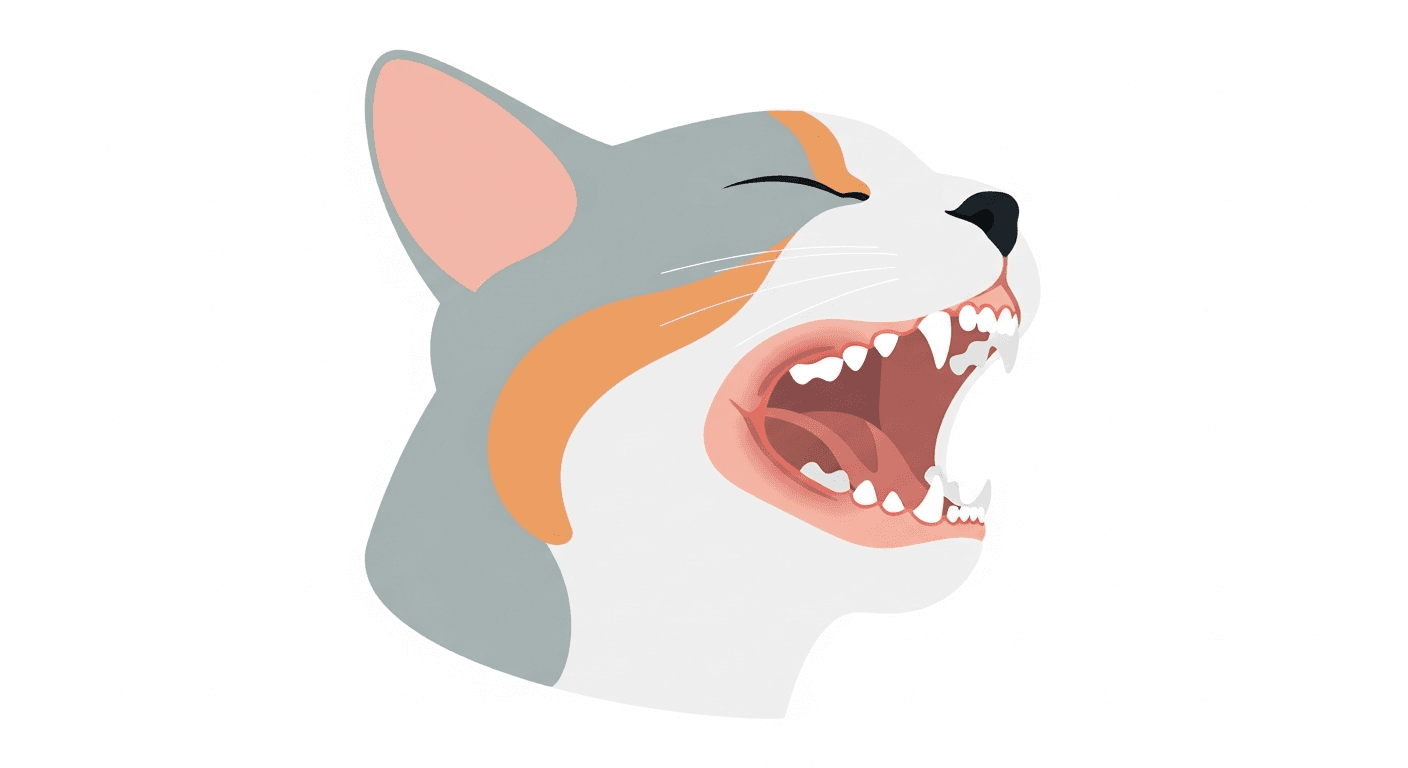
Cat Gum Disease: Stages, Signs, and What to Expect at the Vet
Periodontal disease is the most common disease in adult cats. Learn to recognize early signs, understand treatment stages, and prevent progression.
 🐱 Cat Health
Cat Not Eating: When Is It an Emergency?
Learn why your cat has stopped eating, which symptoms require immediate vet care, and how to safely encourage appetite at home.
 🐱 Cat Health
Cat Drooling: When Is It a Problem?
Some cats drool contentedly, but excessive or sudden drooling can signal oral pain, nausea, neurological issues, or toxin exposure.