
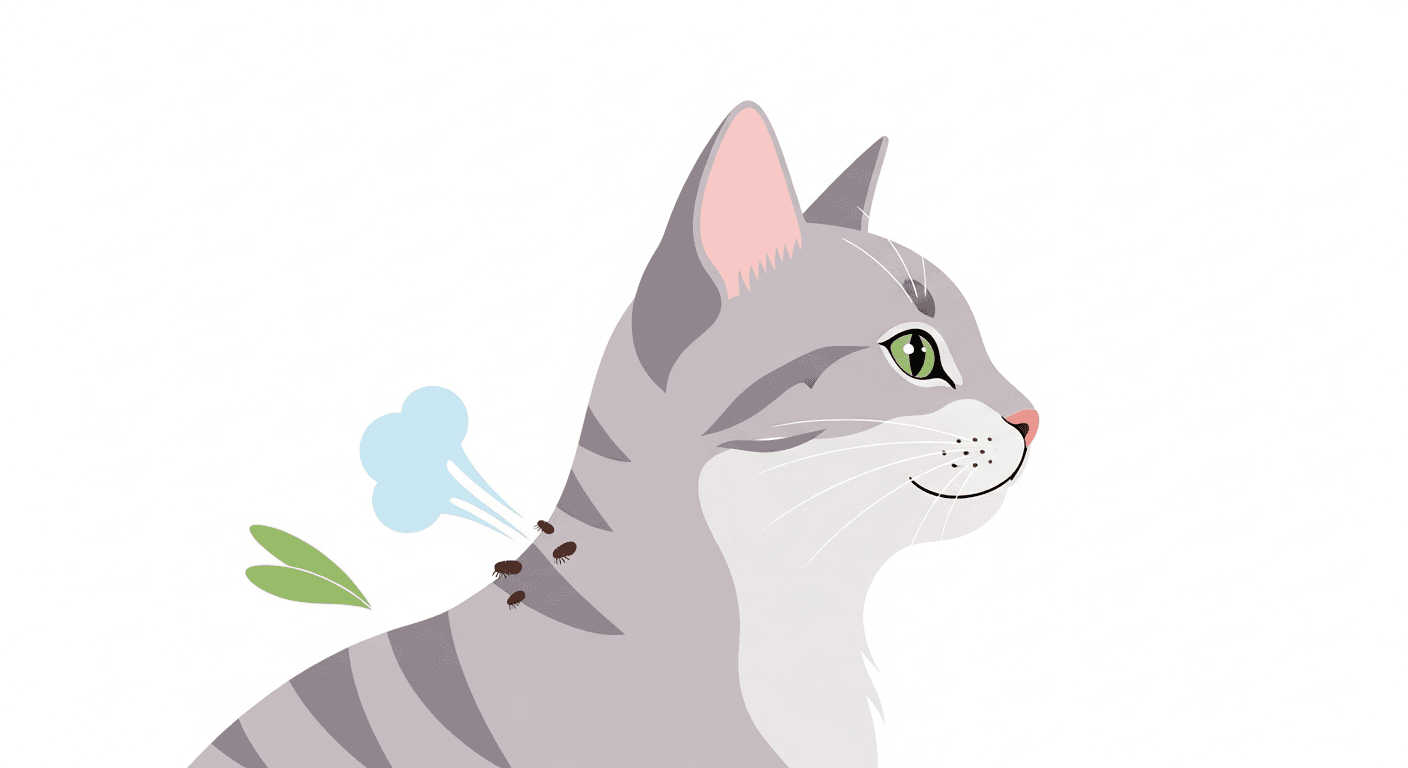
Understanding the Flea Life Cycle
Effective flea control requires understanding that adult fleas on the cat represent only 5% of the total flea population. The other 95% — eggs, larvae, and pupae — live in the environment: carpet, furniture, bedding, and floor cracks. Treating only the cat without addressing the environment results in rapid reinfestation from hatching pupae. A complete flea treatment program targets both the cat and the home simultaneously.
First 3 Steps to Take at Home
- Use a veterinary-recommended topical or oral flea product: Products containing selamectin, fipronil + methoprene, or imidacloprid + pyriproxyfen are proven effective. Avoid essential oil-based products and over-the-counter treatments that often contain permethrin — which is safe for dogs but toxic to cats.
- Treat the home aggressively: Vacuum all carpets, furniture, and floor crevices (dispose of the bag immediately). Wash all pet bedding at 60°C or higher. Use a veterinary-approved home spray that contains an insect growth regulator (IGR) to prevent egg hatching.
- Treat all pets simultaneously: If you have dogs as well as cats, both must be treated on the same day. Fleas move freely between animals.
When to Go to the Vet Immediately
- Kitten with heavy flea burden — fleas can cause life-threatening anemia in young kittens
- Cat has developed skin sores or wounds from scratching
- Evidence of tapeworms (rice-grain segments near tail) — transmitted by swallowing fleas
- Cat appears pale, weak, or lethargic (anemia from flea feeding)
Follow-Up Care Checklist
- Apply flea prevention every month year-round — not just in summer. Warm homes allow fleas to survive in any season.
- Re-vacuum weekly for 3 months after an infestation — pupae are resistant to insecticides and hatch over time
- Ask about combination parasite treatments that cover fleas, worms, and ear mites in one product
Track Parasite Prevention with TailRounds
Log every flea treatment date and product used in the TailRounds Daily Log. Consistent records ensure you never go past the treatment interval.
Book a Vet Appointment
For a persistent infestation or to find the safest product for your specific cat, book a parasite consultation at Happy Paws. We can advise on the most effective combination protocol for your household.
Summary for Your Clinic Visit
Tell your vet which products you've already tried, how long the infestation has been present, whether other pets are affected, and any skin reactions you've noticed in your cat.
Continue Reading
 🐱 Cat Health
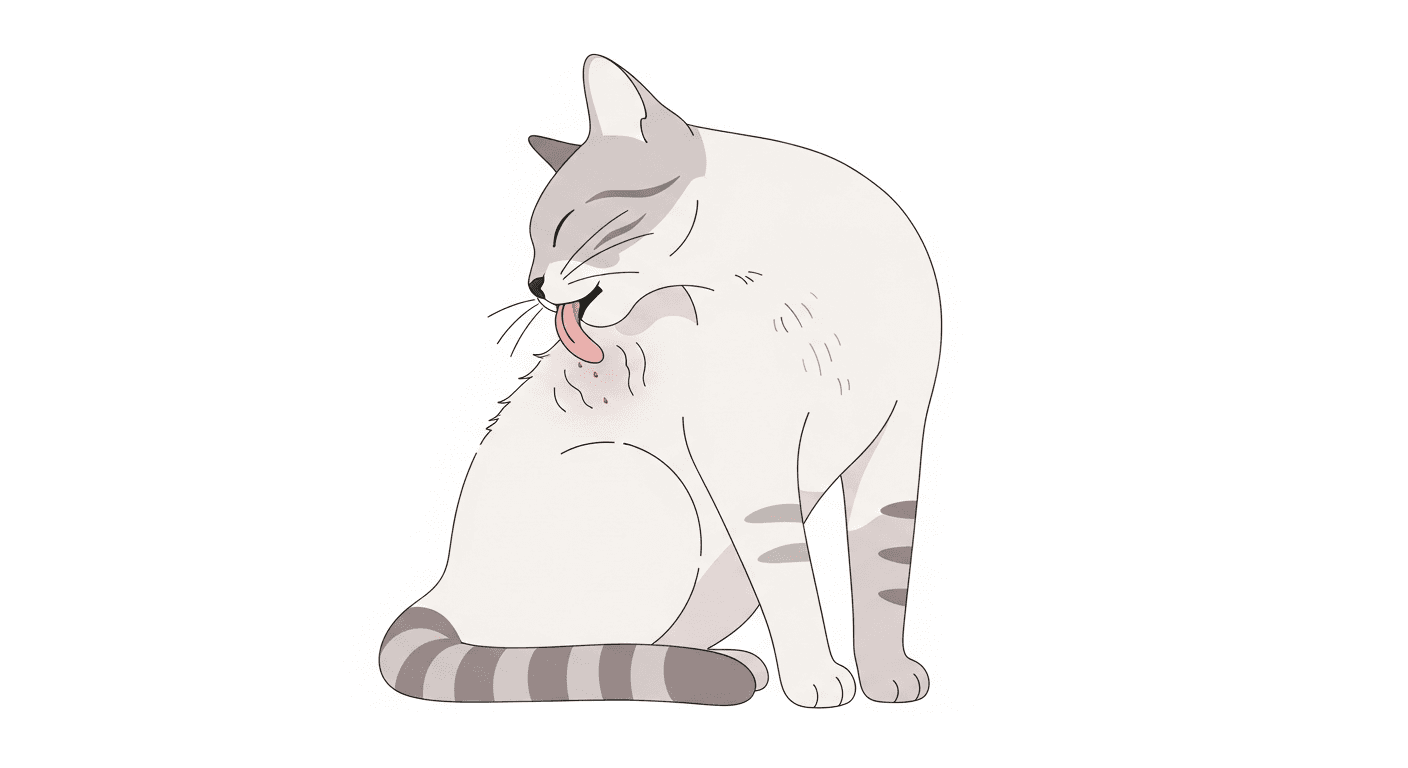
Itchy Cat: Allergies, Parasites, and Skin Disease Explained
An itchy cat scratches, bites, and over-grooms itself. Discover the most common causes of feline pruritus and how each is treated.
 🐱 Cat Health
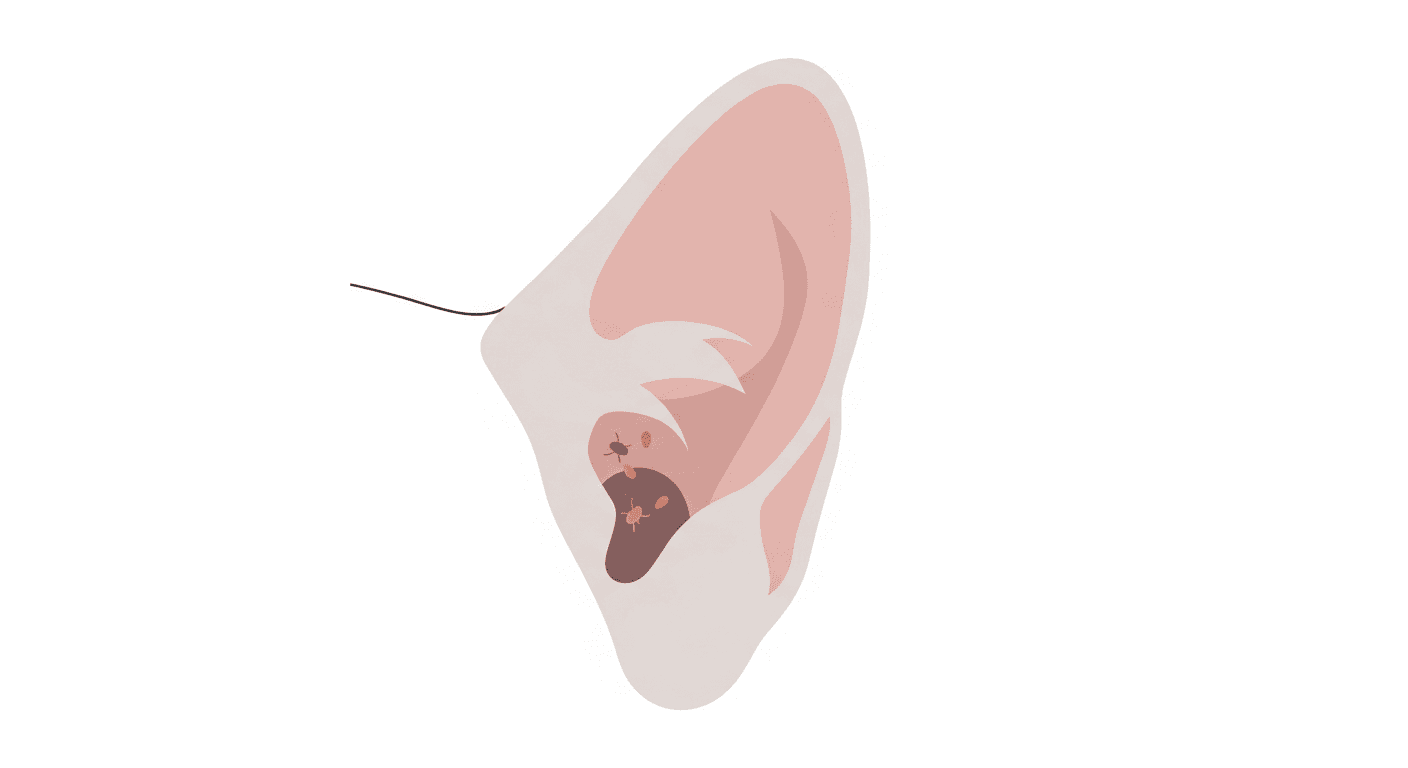
Cat Ear Mites: Symptoms, Treatment, and Prevention
Dark, crumbly discharge and intense ear scratching in cats often mean ear mites. Learn how to recognize, treat, and prevent them.
 🐱 Cat Health
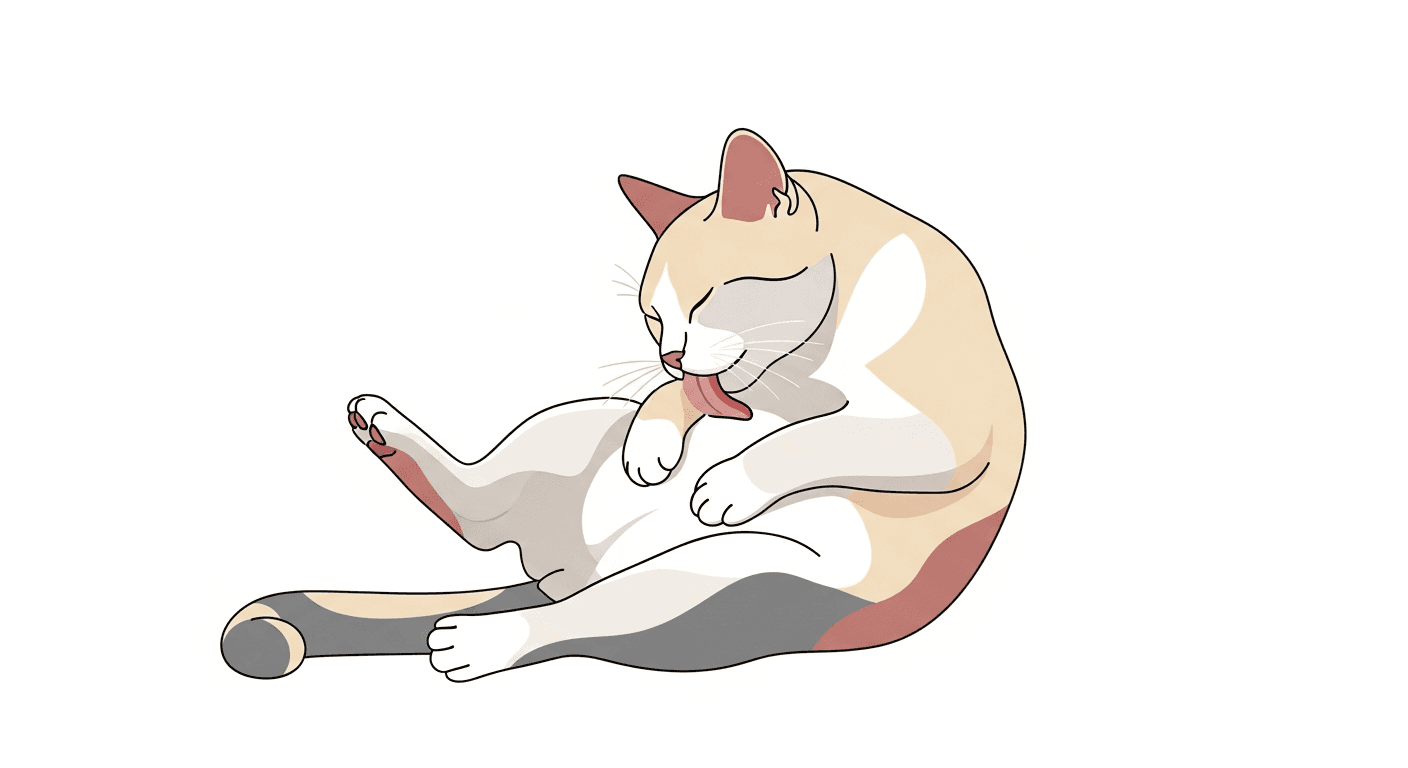
Cat Over-Grooming and Belly Licking: Causes and Solutions
Excessive licking and over-grooming in cats can be allergic, parasitic, or stress-related. Learn how to find the cause and stop the cycle.
 🐱 Cat Health
Complete Cat Parasite Prevention Guide: Fleas, Worms, and Mites
A practical, year-round parasite prevention protocol for cats — covering which products to use, how often, and how to protect your family too.