

What Is Feline Anorexia?
Unlike dogs, cats cannot safely skip meals for more than 24–48 hours. When a cat stops eating, the body quickly starts breaking down fat stores for energy. This process overwhelms the liver, causing a dangerous condition called hepatic lipidosis (fatty liver disease). Even a previously healthy cat can develop life-threatening liver failure within 3–5 days of not eating. That's why feline anorexia is always taken seriously — regardless of how "otherwise fine" your cat seems.
Common causes range from mild (stress, new food, hairballs) to serious (kidney disease, pancreatitis, dental pain, cancer). The duration and accompanying symptoms determine urgency.
First 3 Steps to Take at Home
- Check the last meal time: If your cat ate something in the last 12 hours, monitor for another 12 hours before acting. If it's been over 24 hours, act now.
- Try warming the food: Gently warm wet food to room temperature or slightly above — this intensifies the smell and often stimulates appetite in reluctant eaters.
- Rule out environmental triggers: New food brand, moved food bowl, a stressful household change, or another pet bullying the bowl can all cause temporary food refusal. Address these factors and offer the cat a quiet, safe feeding spot.
When to Go to the Vet Immediately
- No food eaten for more than 24 hours in an adult cat, or 12 hours in a kitten
- Accompanied by vomiting, diarrhea, or yellow tinge to skin/eyes (jaundice)
- Cat is lethargic, hiding, or unwilling to move
- Known diabetic cat that has skipped a meal
- Drooling, pawing at the mouth, or obvious mouth pain
- Recent trauma or suspected ingestion of a toxic substance
Do not wait to "see if things improve." Hepatic lipidosis progresses silently — by the time vomiting and jaundice appear, the liver is already under significant stress.
Follow-Up Care Checklist
- Weigh your cat daily during recovery — 2% bodyweight drop per day is a red flag
- Offer small meals every 4–6 hours rather than leaving a full bowl out
- Use a syringe to offer water if the cat is not drinking voluntarily
- Follow any appetite-stimulant medication schedule prescribed by your vet exactly
- Keep a food log noting time, food type, and estimated amount consumed
- Schedule a weight recheck within 5–7 days
Track Every Meal with TailRounds
When a cat isn't eating, daily logging becomes critical. Use the TailRounds Daily Log to record meals, water intake, energy level, and litter box output every day. This data helps your vet spot trends, adjust treatment, and know exactly when your cat turned the corner — or when things are getting worse.
Book a Vet Appointment
If your cat has skipped more than one meal, don't wait it out. Book a vet appointment at Happy Paws today. Early intervention prevents serious liver complications and gets your cat back to a healthy weight faster.
Summary for Your Clinic Visit
Tell your vet: when your cat last ate, any recent changes in food or environment, whether the cat is drinking water, any other symptoms (vomiting, weight loss, lethargy), and any medications the cat currently takes. Bring a food diary if you have one — even rough notes help.
Continue Reading
 🐱 Cat Health
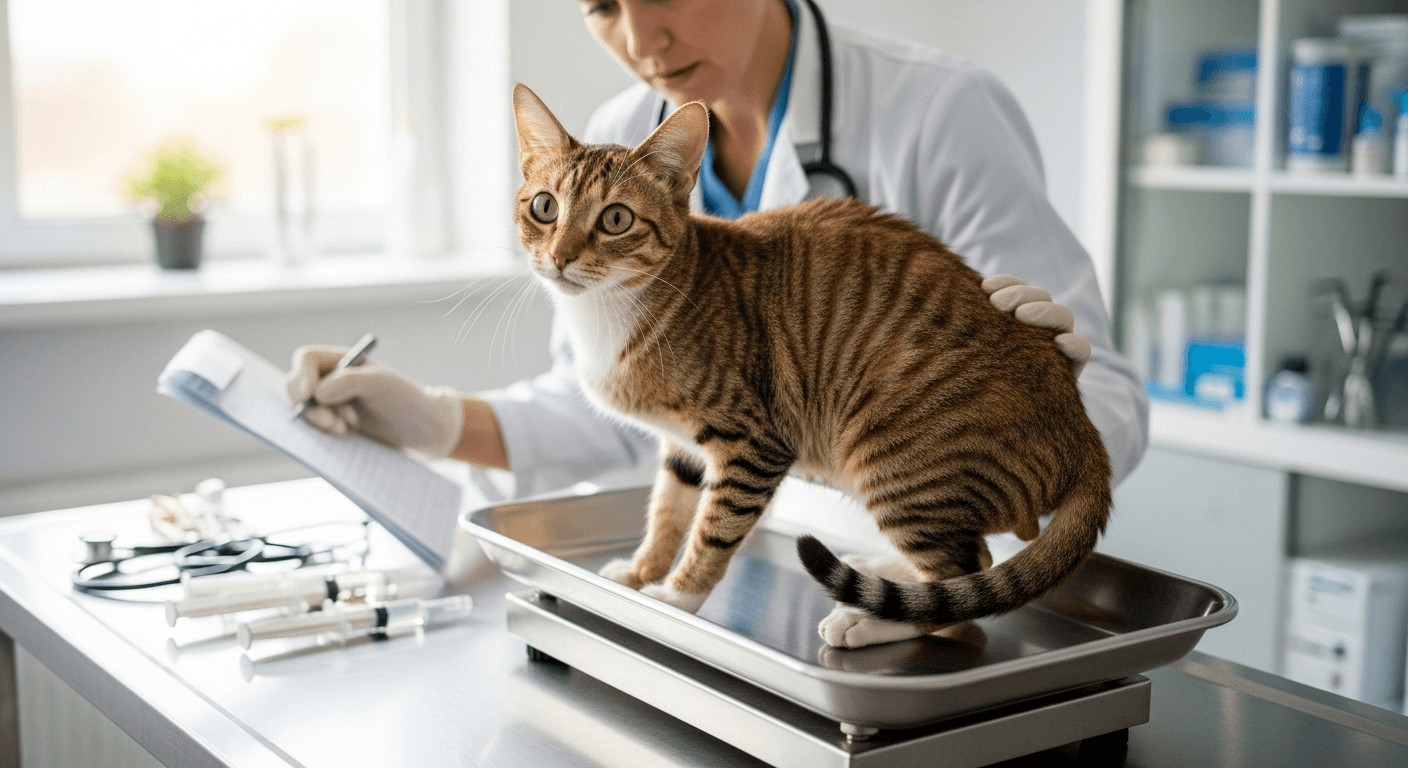
Cat Losing Weight But Still Eating: What's Going On?
When a cat loses weight despite eating well, something is preventing nutrient absorption or burning energy faster than food can supply it. Learn what to look for.
 🐱 Cat Health
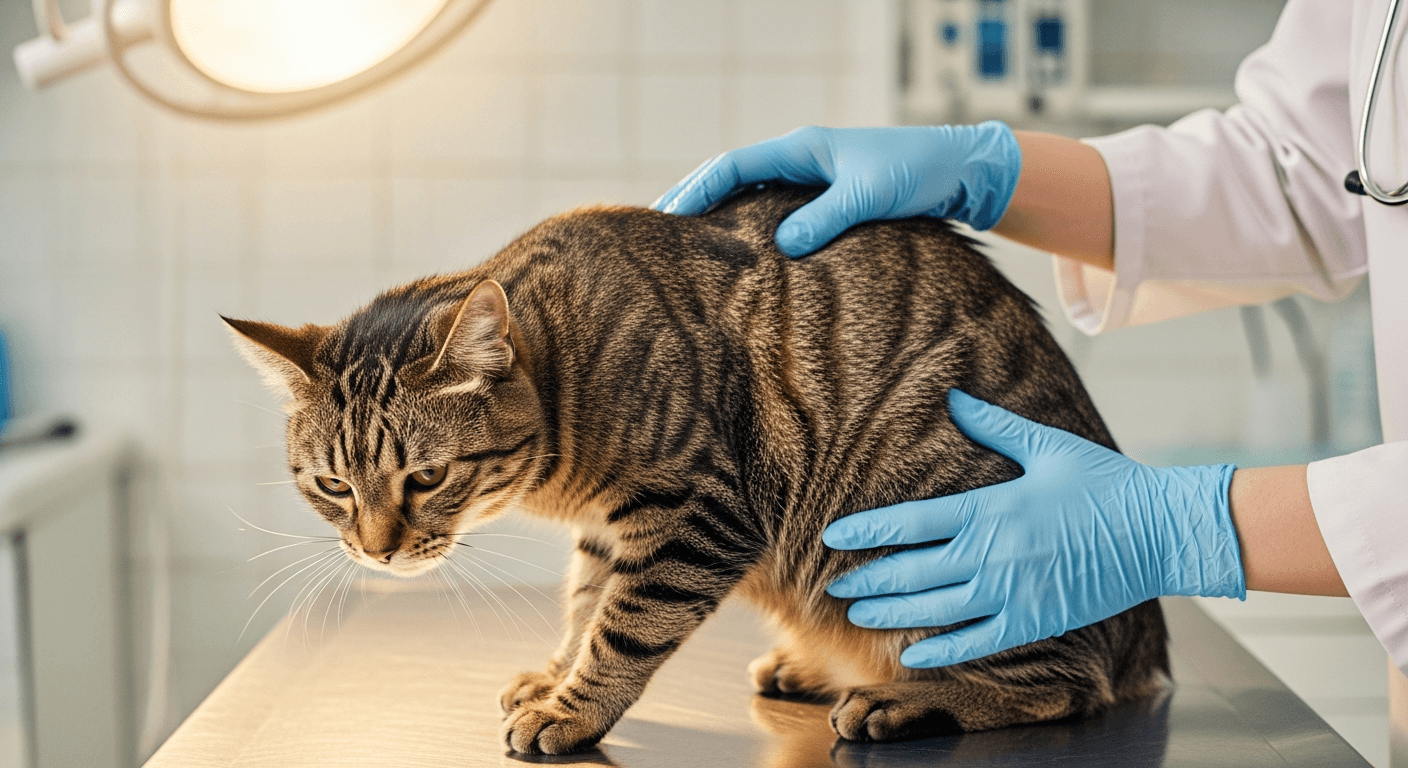
Cat Vomiting: Common Causes and What to Watch For
Understand why cats vomit, how to tell occasional vomiting from a medical emergency, and when to call your vet.
 🐱 Cat Health
Is Your Cat Too Tired? Signs of Lethargy vs Normal Rest
Cats sleep up to 16 hours a day — so how do you know when tiredness is actually lethargy? Learn the signs that distinguish normal rest from illness.
 🐱 Cat Health
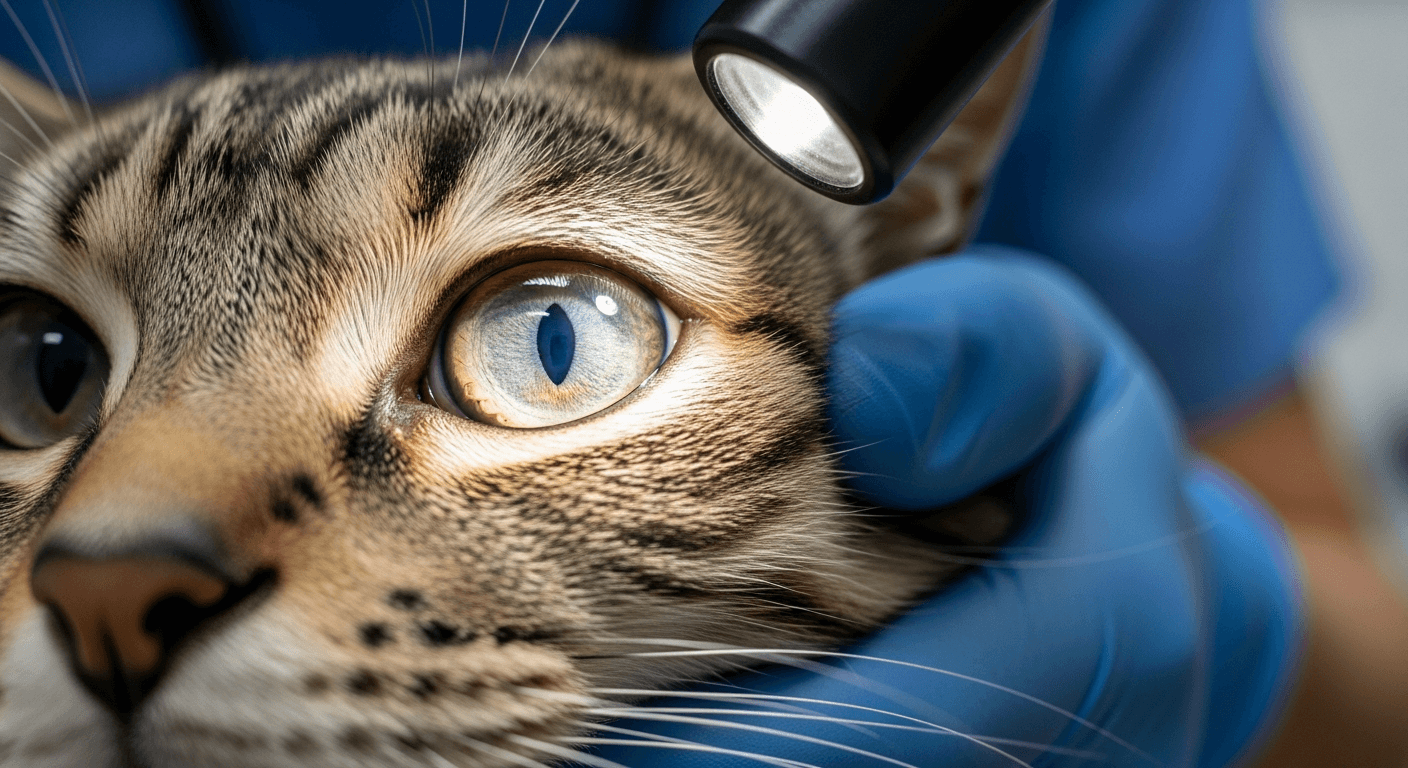
Cat Hiding More Than Usual: When Is It a Health Warning?
Cats hide when they're scared — but also when they're sick or in pain. Learn how to tell normal hiding from a health red flag.