

Why Do Cats Drool?
Some cats drool a little when they're very relaxed, happy, or kneading — this is normal and typically accompanied by purring and a generally content demeanor. However, sudden or excessive drooling that is new for the cat, or drooling accompanied by other symptoms, is a red flag. Excessive salivation (ptyalism) in cats most commonly results from oral pain (dental disease, stomatitis, foreign body in the mouth), nausea (from any cause), toxin ingestion, neurological disease, or systemic illness.
Cats that chew on toxic plants often drool profusely as one of the first signs. This makes sudden-onset drooling always worthy of investigation.
First 3 Steps to Take at Home
- Check the mouth carefully: With good lighting, open the mouth gently and look for a foreign object (string, bone fragment), sores, ulcers, severely inflamed gums, or loose/broken teeth. Don't put fingers inside if the cat resists strongly.
- Check for plant exposure: If drooling started suddenly, survey the house for chewed plants or plant debris. Many common houseplants are toxic to cats (lilies, pothos, dieffenbachia) and can cause drooling as an immediate sign.
- Note accompanying symptoms: Is the cat also vomiting, not eating, or behaving abnormally? Drooling with behavioral changes may indicate neurological involvement and requires urgent attention.
When to Go to the Vet Immediately
- Sudden-onset drooling with suspected plant or toxin ingestion
- Drooling with face swelling, pawing at the mouth, or difficulty swallowing
- Drooling with behavioral changes, disorientation, or seizure-like movements
- String, thread, or foreign body visible in or near the mouth
- Any drooling accompanied by not eating for more than 12 hours
Follow-Up Care Checklist
- Remove all toxic plants from the home — this is a permanent change for cat safety
- If stomatitis is diagnosed, follow the prescribed immunosuppressive or dental care protocol
- Maintain dental care routines to prevent recurrence of oral pain-related drooling
Log Drooling Episodes with TailRounds
Note when drooling started, any triggers, duration, and accompanying symptoms using the TailRounds Daily Log.
Book a Vet Appointment
Unexplained drooling always deserves a mouth examination. Book at Happy Paws for a full oral assessment and toxicology consultation if needed.
Summary for Your Clinic Visit
Tell your vet when drooling started, whether onset was sudden or gradual, any possible toxin exposure, the appearance of the mouth, and any other symptoms present.
Continue Reading
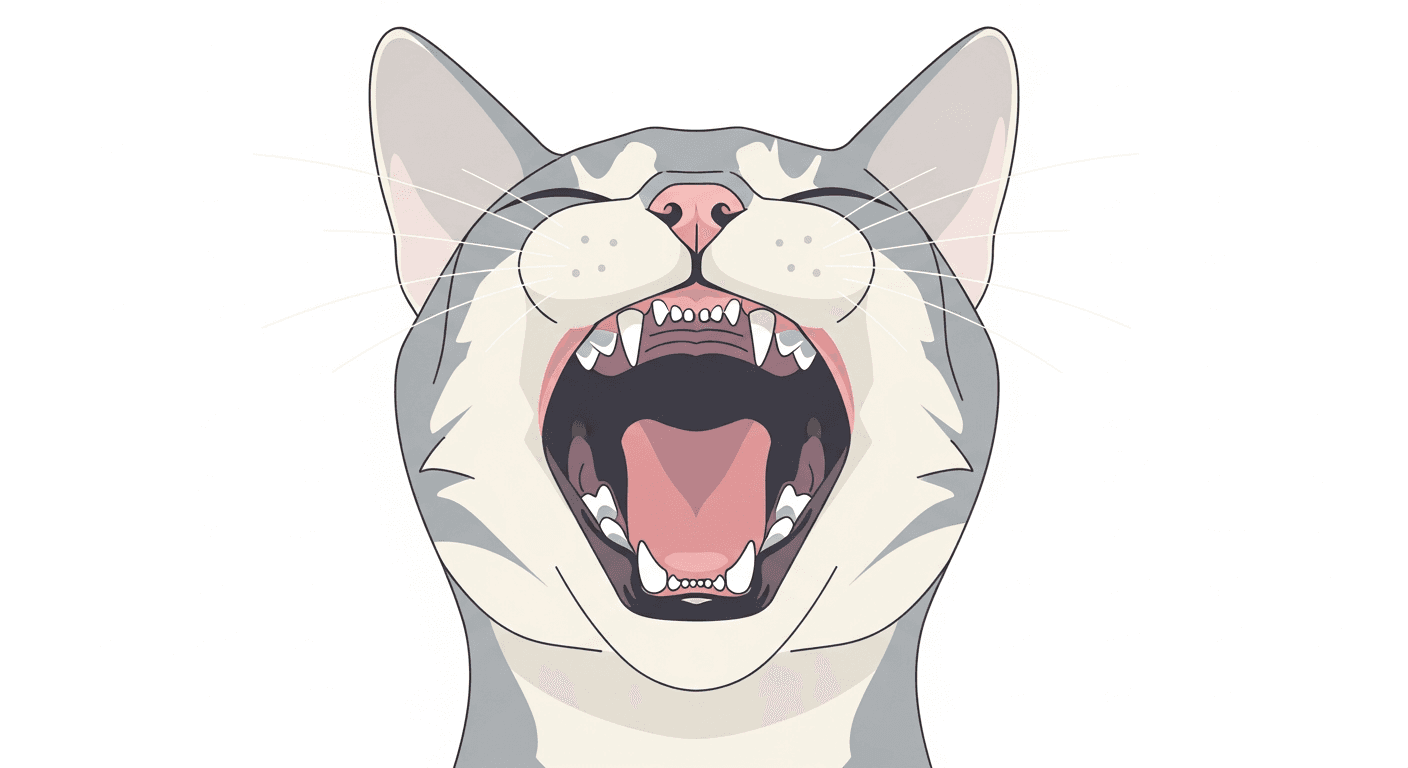 🐱 Cat Health
Cat Bad Breath: Is It Dental Disease or Something More Serious?
Bad breath in cats isn't just unpleasant — it's often a sign of dental disease, kidney failure, or diabetes. Learn how to tell the difference.
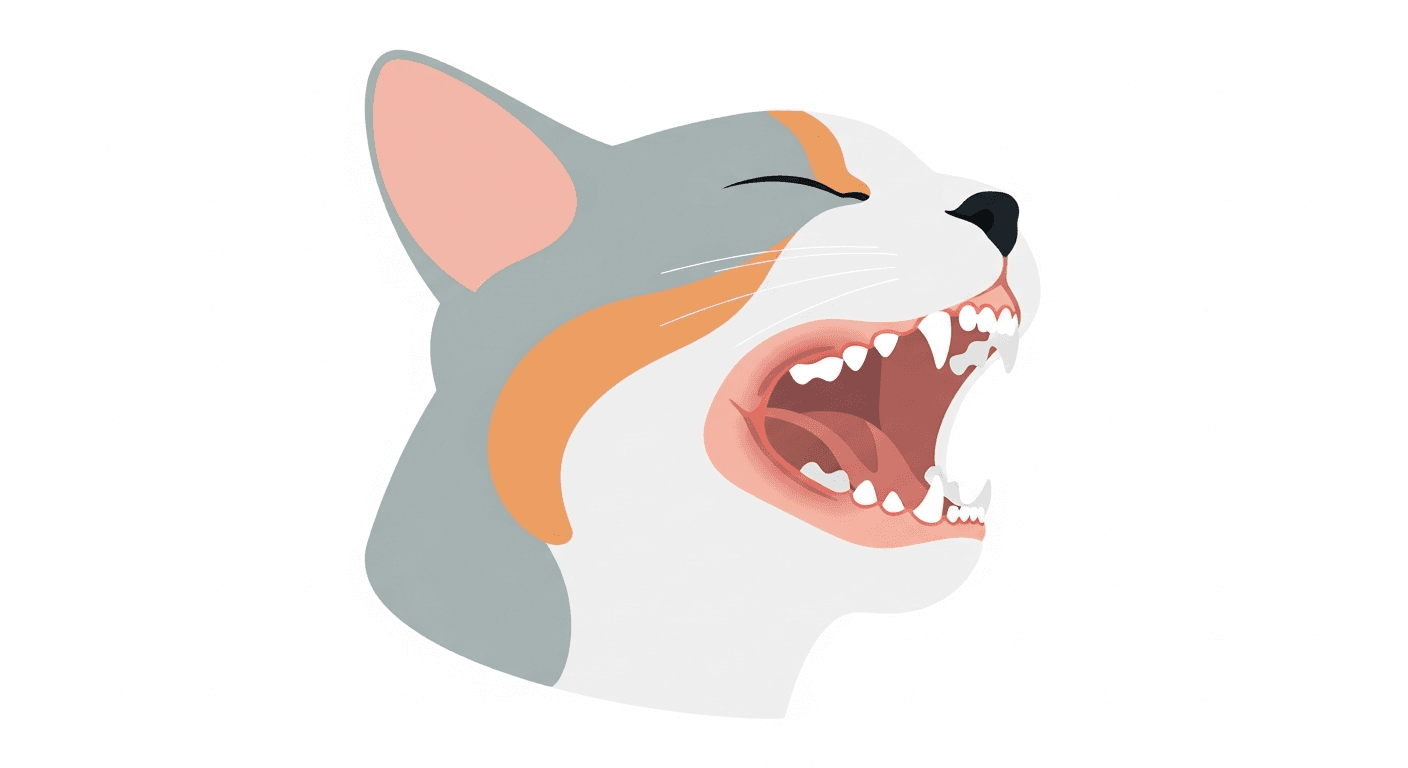 🐱 Cat Health
Cat Gum Disease: Stages, Signs, and What to Expect at the Vet
Periodontal disease is the most common disease in adult cats. Learn to recognize early signs, understand treatment stages, and prevent progression.
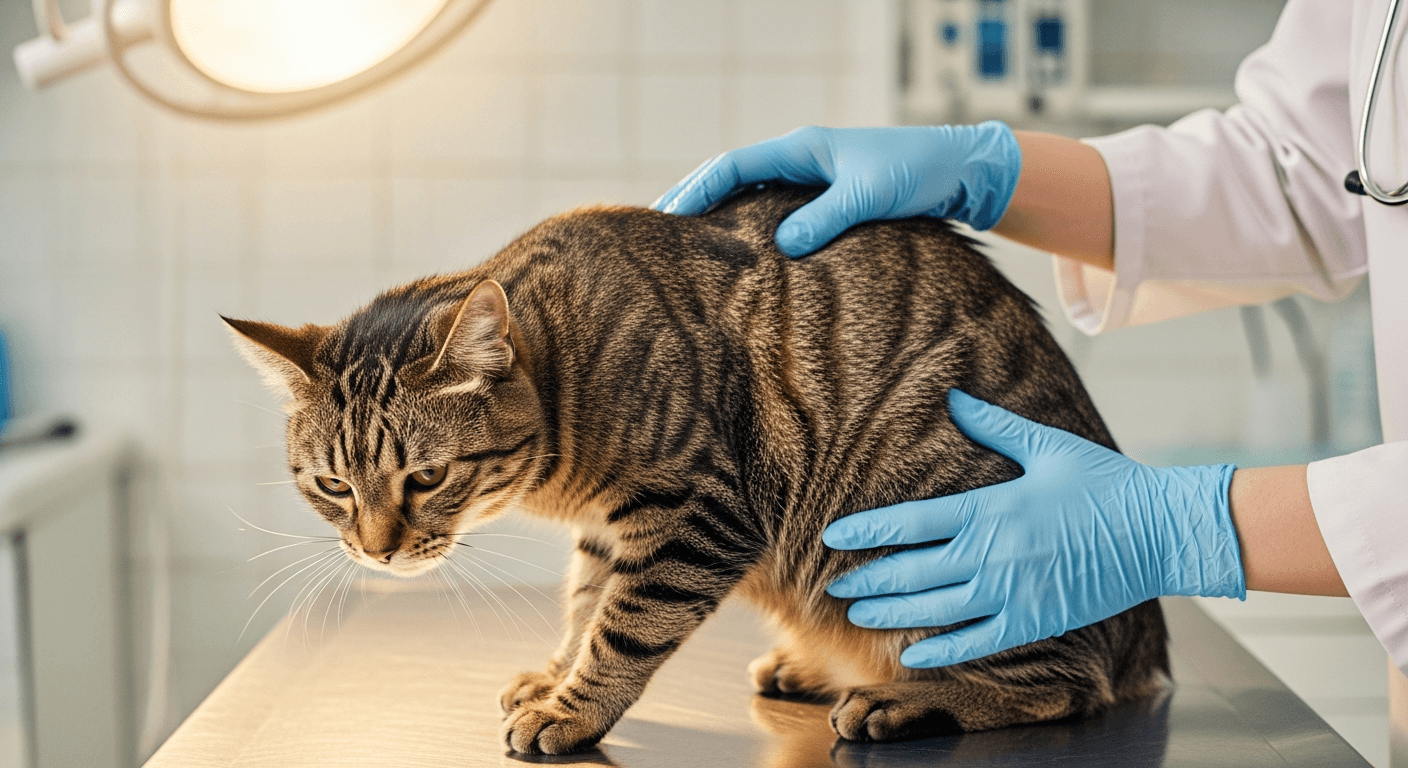 🐱 Cat Health
Cat Vomiting: Common Causes and What to Watch For
Understand why cats vomit, how to tell occasional vomiting from a medical emergency, and when to call your vet.
 ✂️ Cat Care
Cat Poisoning: Common Toxins and Emergency First Aid
Cats are exposed to many household toxins. Learn the most dangerous substances for cats, recognize poisoning symptoms, and know what to do immediately.