
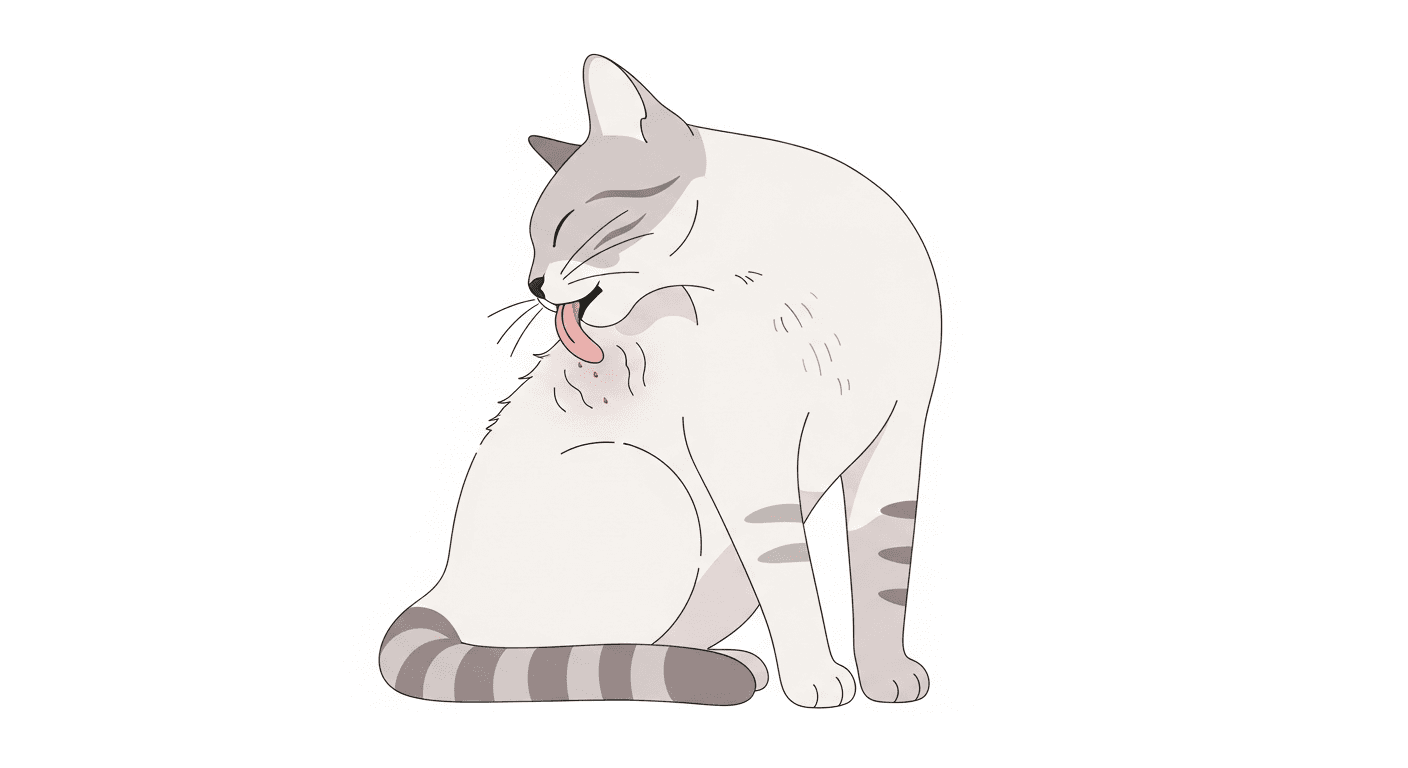
What Causes Itching in Cats?
Pruritus (itching) in cats manifests as scratching, biting, shaking the head, rubbing against furniture, and over-grooming. Unlike dogs, cats are masters at hiding their itching — you may notice only the results (hair loss, broken hairs, skin lesions) rather than watching the cat scratch directly. The four main categories of feline itch are: parasites (fleas, ear mites, cheyletiella), allergic skin disease (food, environmental), infections (bacterial pyoderma, ringworm), and less commonly, autoimmune skin diseases.
Flea allergy dermatitis is by far the most common cause. A single flea bite in an allergic cat triggers intense itching that lasts weeks. The fleas themselves may not be visible — cats are efficient groomers and ingest them.
First 3 Steps to Take at Home
- Apply flea prevention immediately: Even if you can't find fleas, treat for them. Use a veterinary-recommended product (not over-the-counter spot-ons, which vary widely in efficacy). Treat all pets in the household and vacuum floors thoroughly.
- Examine the skin: Look for miliary dermatitis (tiny scabs along the back and neck — a classic flea allergy pattern), areas of hair loss, redness, or crusty lesions. Document with photos.
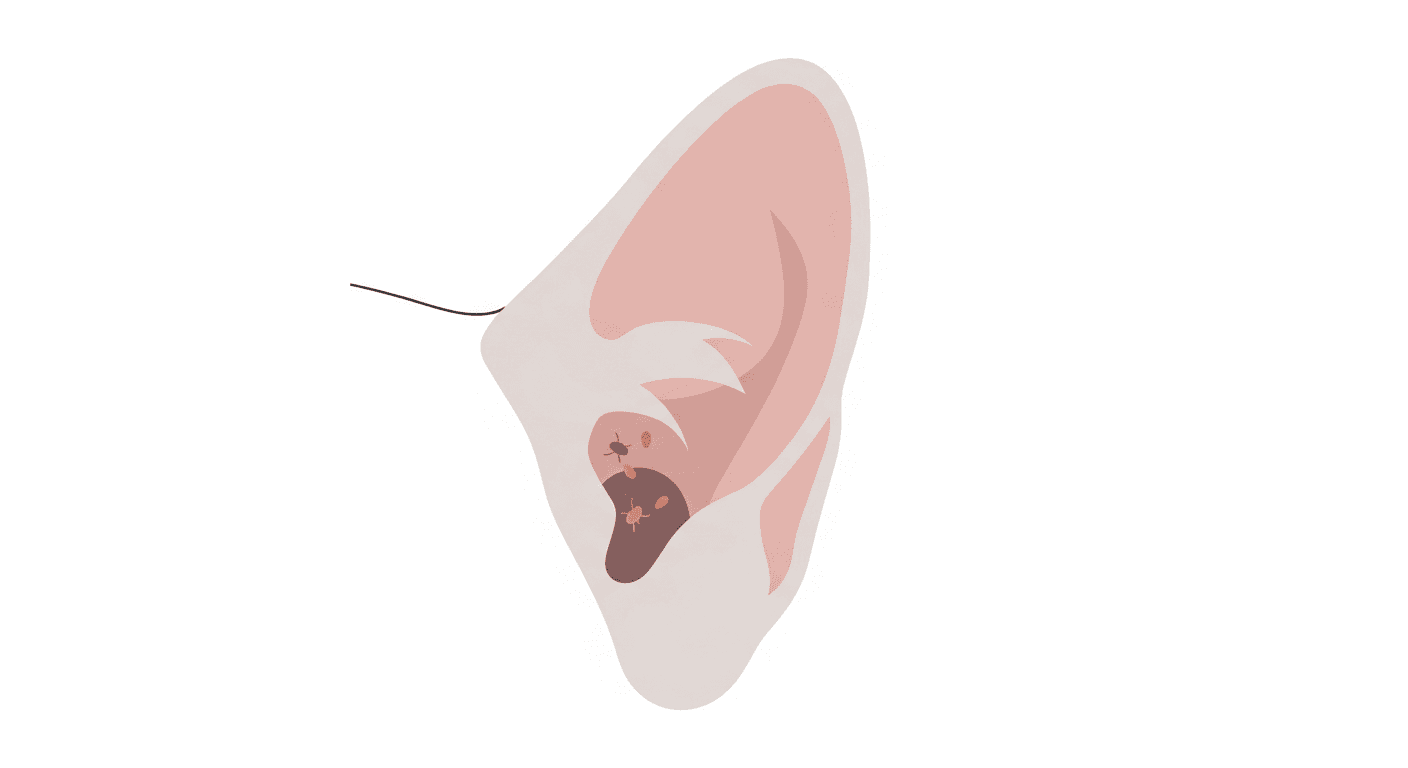
- Check ears: Dark, crumbly discharge in the ears suggests ear mites, which can cause intense head shaking and ear scratching. This requires treatment separate from body parasite control.
When to Go to the Vet Immediately
- Self-inflicted wounds or sores from scratching
- Hair loss spreading rapidly over the body
- Skin that looks infected: weeping, crusty, hot to the touch
- Cat is not eating or sleeping due to itching intensity
Follow-Up Care Checklist
- Maintain year-round flea prevention — the itch from flea allergy can persist for weeks after fleas are eliminated
- If food allergy is diagnosed, strictly follow the elimination diet — any deviation resets the trial period
- For environmental allergies, ask about allergen-specific immunotherapy (allergy shots) for long-term management
- Complete any antibiotic or antifungal course for secondary skin infections
Track Itch Severity with TailRounds
Rate itch severity daily (1–10 scale) and note which body areas are affected most. Log this in the TailRounds Daily Log to track treatment response objectively.
Book a Vet Appointment
Itchy skin that doesn't resolve within a week of flea treatment needs a dermatology workup. Book at Happy Paws for skin scraping, cytology, and allergy assessment.
Summary for Your Clinic Visit
Tell your vet which body areas are most affected, what the skin looks like, current parasite prevention products and how often applied, the diet including all treats, and when itching started.
Continue Reading
 🐱 Cat Health
Cat Over-Grooming and Belly Licking: Causes and Solutions
Excessive licking and over-grooming in cats can be allergic, parasitic, or stress-related. Learn how to find the cause and stop the cycle.
 🐱 Cat Health
Cat Dandruff: Why It Happens and How to Help
White flakes on your cat's coat might be dandruff — or something more. Learn the causes of feline seborrhea and how to improve your cat's skin health.
 🐱 Cat Health
Cat Flea Treatment: What Actually Works and What Doesn't
Not all flea treatments are equal — some are ineffective, others unsafe for cats. Learn which products work, how to treat the environment, and how to prevent reinfestation.
 🐱 Cat Health
Cat Ear Mites: Symptoms, Treatment, and Prevention
Dark, crumbly discharge and intense ear scratching in cats often mean ear mites. Learn how to recognize, treat, and prevent them.