
Why Kitten Vaccines Matter
Kittens are born with some maternal antibody protection, but this fades between 6 and 16 weeks of age — right when the world becomes dangerous for them. Vaccines bridge this immunity gap and protect against viral and bacterial diseases that kill unvaccinated kittens at alarming rates. The core vaccines for cats protect against feline panleukopenia (feline distemper), feline herpesvirus, and feline calicivirus — collectively bundled in the FVRCP vaccine. Rabies vaccination is also legally required in many regions.
First 3 Steps for New Kitten Owners
- Book a vet exam within the first week: A new kitten should be examined by a vet before the first vaccine to confirm it is healthy enough to vaccinate. This also establishes baseline health records.
- Keep the kitten indoors until vaccinated: Until the initial vaccine series is complete (around 16 weeks), minimize outdoor exposure and contact with unvaccinated cats.
- Start a vaccine record: Keep a physical or digital record of every vaccine given, including the brand, lot number, and next due date. This record travels with the cat for life.
Standard Kitten Vaccine Schedule
- 6–8 weeks: First FVRCP (core)
- 10–12 weeks: Second FVRCP booster
- 14–16 weeks: Third FVRCP booster + Rabies (first dose)
- 1 year: Annual FVRCP booster + Rabies booster
- After age 1: FVRCP every 1–3 years (vet's recommendation); Rabies annually or every 3 years per local law
Non-core vaccines like FeLV (feline leukemia virus) are recommended for cats that go outdoors or live with FeLV-positive cats. Your vet will advise based on your kitten's lifestyle.
When to Call the Vet After Vaccination
- Lethargy lasting more than 24 hours post-vaccine
- Swelling or lump at the injection site that persists beyond 3 weeks
- Facial swelling, difficulty breathing, or collapse within minutes of vaccination (anaphylaxis — rare but serious)
- Vomiting or diarrhea starting after vaccination
Follow-Up Care Checklist
- Schedule all three initial kitten boosters at the start and don't skip intervals — timing affects immunity
- Set calendar reminders for annual boosters
- Keep vaccine records in a digital app for easy sharing with boarding facilities or groomers
- Discuss FeLV, FIV testing, and microchipping at the first vet visit
Track Your Kitten's Vaccines with TailRounds
Never miss a booster. The TailRounds Daily Log and vaccine tracking feature let you store every vaccination record with due dates so you always know what's coming next.
Book a Vet Appointment
New kitten? Book your first wellness exam today. Happy Paws Veterinary Clinic offers new kitten packages including full exam, FVRCP, deworming, and microchip in one visit.
Summary for Your Clinic Visit
Bring any vaccine records from the breeder or shelter, note the kitten's current diet, mention any symptoms you've observed since bringing the kitten home, and ask your vet about FeLV testing and spay/neuter timing.
Continue Reading
 🐱 Cat Health
Complete Cat Parasite Prevention Guide: Fleas, Worms, and Mites
A practical, year-round parasite prevention protocol for cats — covering which products to use, how often, and how to protect your family too.
 🐱 Cat Health
Cat Sneezing and Watery Eyes: Upper Respiratory Infection Explained
Sneezing, runny eyes, and nasal discharge in cats are classic signs of URI. Learn what causes it, how to care for your cat at home, and when to see a vet.
 🐱 Cat Health
Cat Not Eating: When Is It an Emergency?
Learn why your cat has stopped eating, which symptoms require immediate vet care, and how to safely encourage appetite at home.
 🐱 Cat Health
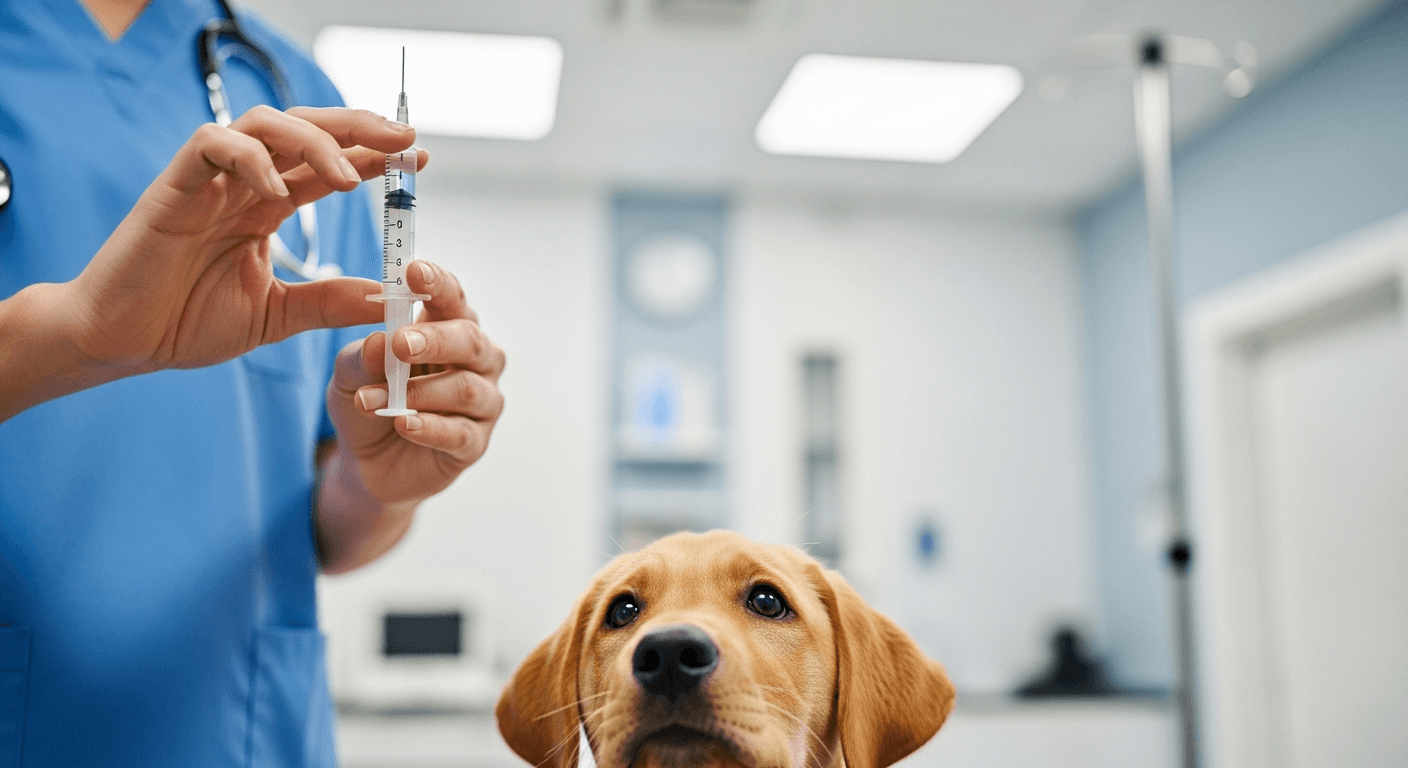
Kitten Vaccination Schedule: What Every New Owner Needs to Know
A complete guide to kitten vaccines — which ones are essential, when to give them, and how to protect your kitten from serious infectious diseases.