
Why Do Cats Hide?
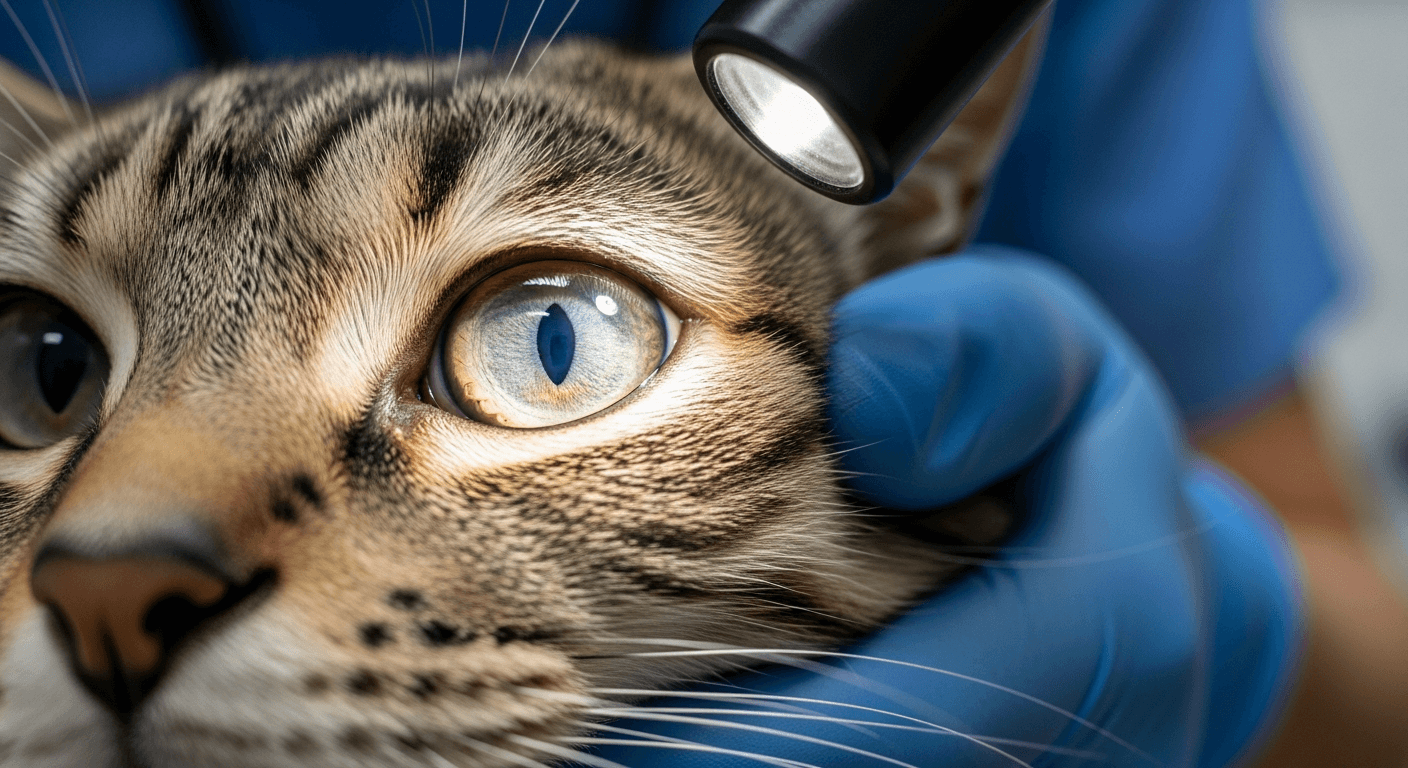
Hiding is a natural feline behavior — cats are both predator and prey, and seeking enclosed spaces provides security. Occasional hiding during thunderstorms, after household changes, or when a new pet is introduced is normal. But when a cat that normally seeks company suddenly spends hours alone in unusual places, or refuses to come out for food, this behavioral shift is significant.
Sick and injured cats hide instinctively. In the wild, showing vulnerability invites predation. A cat that is in pain, nauseated, or severely ill will retreat — which is why hiding is often the first sign owners notice before any other symptoms become obvious.
First 3 Steps to Take at Home
- Gently locate and observe the cat: Don't pull the cat out forcibly — sit near its hiding spot and observe from a distance. Note breathing rate, whether the cat responds to your voice, and whether it seems alert or dull.
- Offer food near the hiding spot: If the cat won't come to its food bowl, bring a small amount of highly palatable food to the hiding location. Refusal to eat even a favored treat is a concerning sign.
- Look for additional symptoms: Is the cat breathing abnormally? Are the gums pink and moist? Any discharge from eyes or nose? Is the cat in a hunched or tense posture suggesting pain?
When to Go to the Vet Immediately
- Hiding for more than 24 hours with no interest in food or water
- Accompanied by abnormal breathing, vomiting, or obvious pain
- Known senior, diabetic, or chronically ill cat suddenly hiding
- Cat won't respond to stimulation or seems confused/disoriented
Follow-Up Care Checklist
- After a medical cause has been treated, allow the cat to emerge from hiding on its own timetable
- Reduce household stressors where possible: keep routines consistent, minimize loud noise
- If hiding persists after medical clearance, consider a referral to a veterinary behaviorist
Log Behavioral Changes with TailRounds
Changes in social behavior are some of the earliest signs of illness in cats. Record normal and abnormal hiding patterns in the TailRounds Daily Log — this history helps your vet understand whether a change is new or has been gradually developing.
Book a Vet Appointment
If your cat has been hiding and showing any other changes, trust your instincts. Book at Happy Paws — a wellness exam can provide reassurance or catch something early when it's most treatable.
Summary for Your Clinic Visit
Tell your vet when the hiding started, what other behavioral changes you've noticed, whether the cat is eating and drinking, and any possible triggers (new pet, move, vet visit, change in routine).
Continue Reading
 🐱 Cat Health
Is Your Cat Too Tired? Signs of Lethargy vs Normal Rest
Cats sleep up to 16 hours a day — so how do you know when tiredness is actually lethargy? Learn the signs that distinguish normal rest from illness.
 🐱 Cat Health
Cat Not Eating: When Is It an Emergency?
Learn why your cat has stopped eating, which symptoms require immediate vet care, and how to safely encourage appetite at home.
 🐱 Cat Health
Cat Breathing Fast or Labored: When It's an Emergency
Fast, shallow, or labored breathing in cats is never normal outside of extreme heat or stress. Learn what it means and when to seek emergency care.
 🐱 Cat Health
Cat Losing Weight But Still Eating: What's Going On?
When a cat loses weight despite eating well, something is preventing nutrient absorption or burning energy faster than food can supply it. Learn what to look for.