
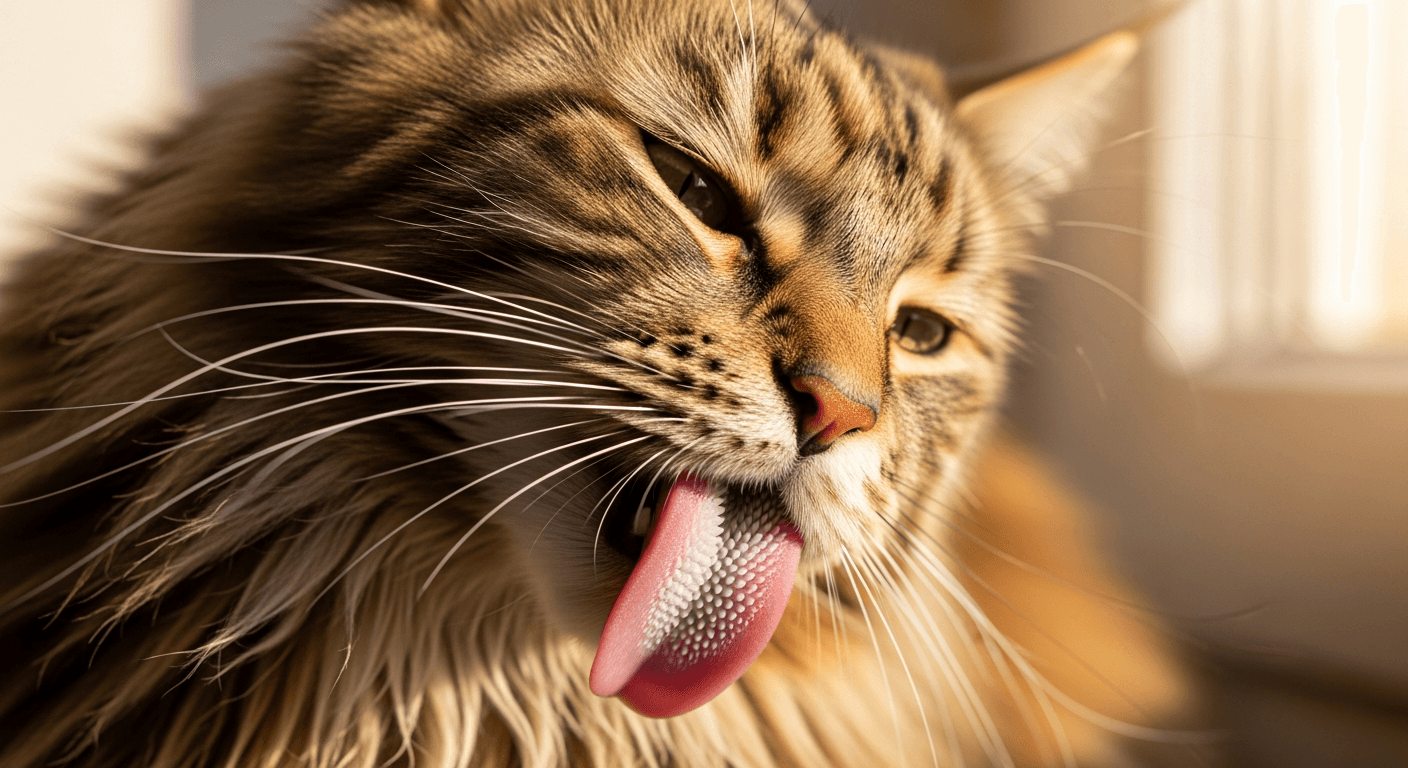
What Are Hairballs and Why Do Cats Get Them?
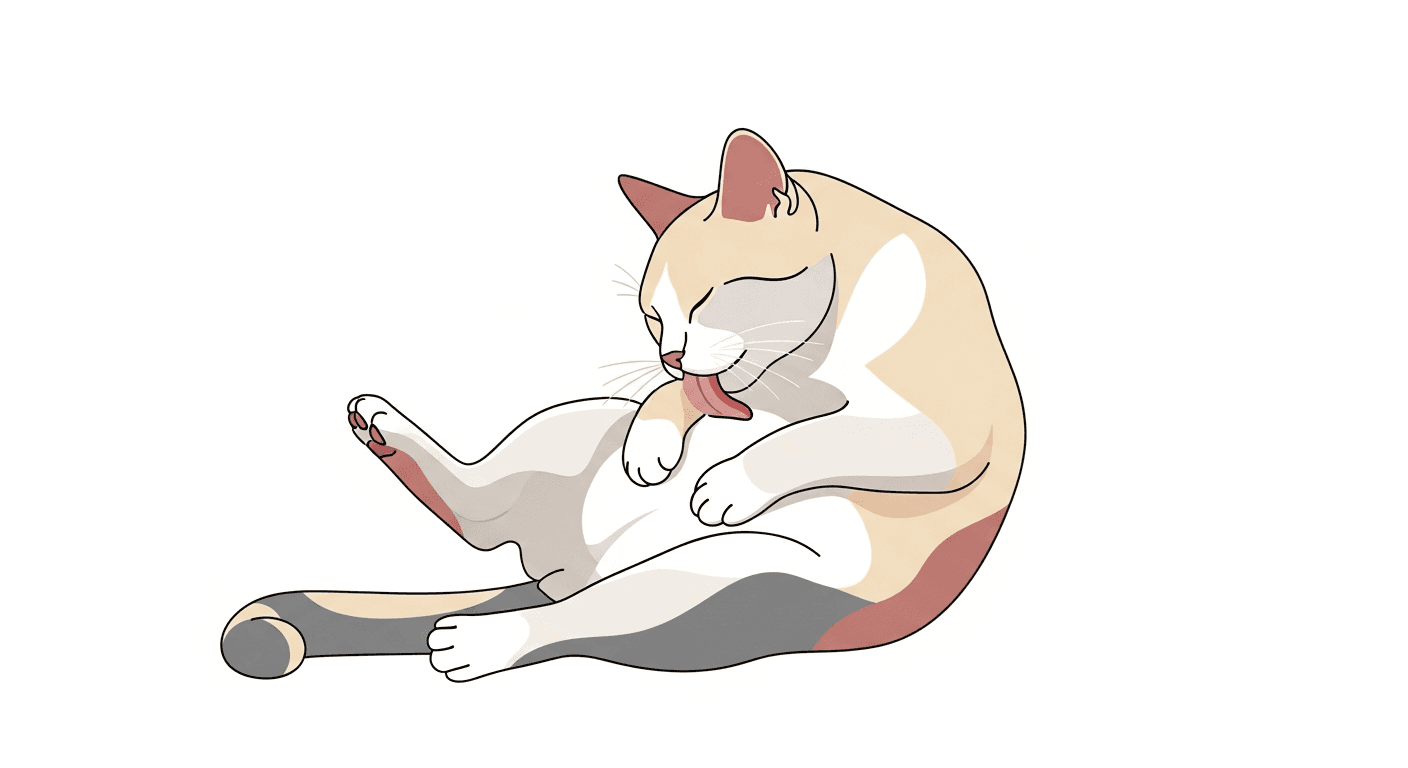
When cats groom themselves, they swallow loose fur. Most of it passes through the digestive tract without issue, but some accumulates in the stomach and forms a compacted mass — the hairball. Cats typically vomit hairballs periodically, and most owners are familiar with the sound of the retching and coughing that precedes it.
Long-haired breeds like Maine Coons and Persians, and cats that over-groom due to stress or skin conditions, are more prone to hairballs. Occasional hairballs (once every 1–2 weeks) are generally considered normal. More frequent episodes suggest the digestive system is struggling to move hair through, which can indicate reduced gut motility, IBD, or other conditions.
First 3 Steps to Take at Home
- Increase brushing frequency: Brushing your cat 3–5 times per week removes loose fur before it can be swallowed. For long-haired cats, daily brushing is ideal.
- Use a hairball remedy: Petroleum-based hairball pastes (given 2–3 times per week) lubricate the gut and help hair pass through naturally rather than accumulate.
- Consider a hairball-formula food: High-fiber diets designed for hairball control increase gut motility and help move fur through the digestive tract more efficiently.
When to Go to the Vet Immediately
- Frequent retching or gagging without producing a hairball — this can indicate an intestinal obstruction
- Hairball symptoms accompanied by loss of appetite or lethargy
- Cat seems to be in distress during retching episodes
- More than one hairball every few days, despite prevention measures
- Any blood in vomit
A cat that appears to be retching but cannot bring anything up — and especially one that becomes lethargic or stops eating — may have a hairball lodged in the intestines, which is a medical emergency.
Follow-Up Care Checklist
- Establish a consistent brushing schedule and record it in your cat's care log
- Rotate between hairball paste and fiber supplements to find what works best
- Provide cat grass or dedicated chew grass — many cats use grass to help expel hairballs naturally
- If over-grooming is the root cause, address underlying stress or skin conditions
Track Hairball Frequency with TailRounds
Knowing whether hairballs are increasing over time requires a record. Log every episode using the TailRounds Daily Log and share the history with your vet at the next visit.
Book a Vet Appointment
More than one hairball per week despite prevention efforts, or any episode of unproductive retching, warrants a vet check. Book at Happy Paws for an exam and guidance on the right long-term prevention plan.
Summary for Your Clinic Visit
Note how many hairballs your cat produces per week, whether prevention products are already in use, and any other symptoms — especially changes in appetite, energy, or grooming behavior.
Continue Reading
 🐱 Cat Health
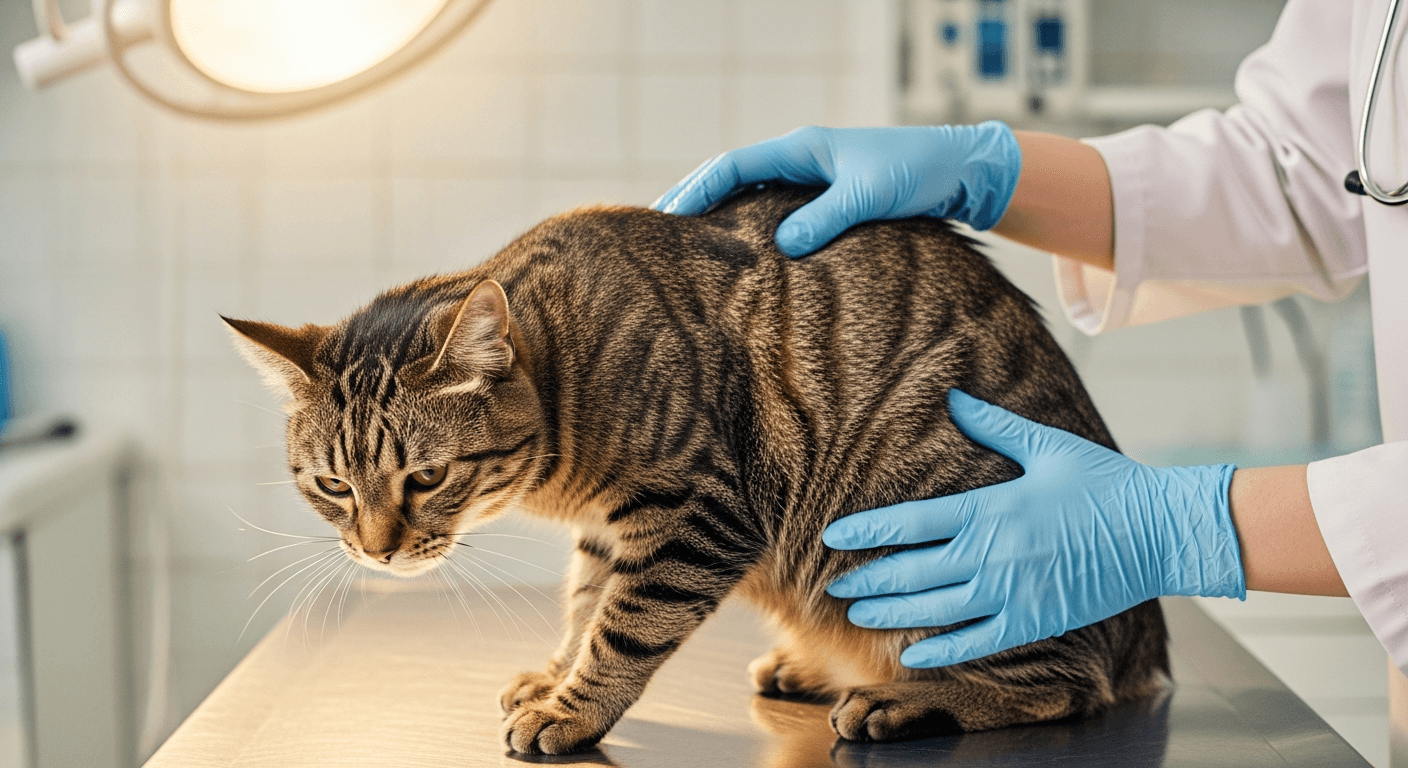
Cat Vomiting: Common Causes and What to Watch For
Understand why cats vomit, how to tell occasional vomiting from a medical emergency, and when to call your vet.
 🐱 Cat Health
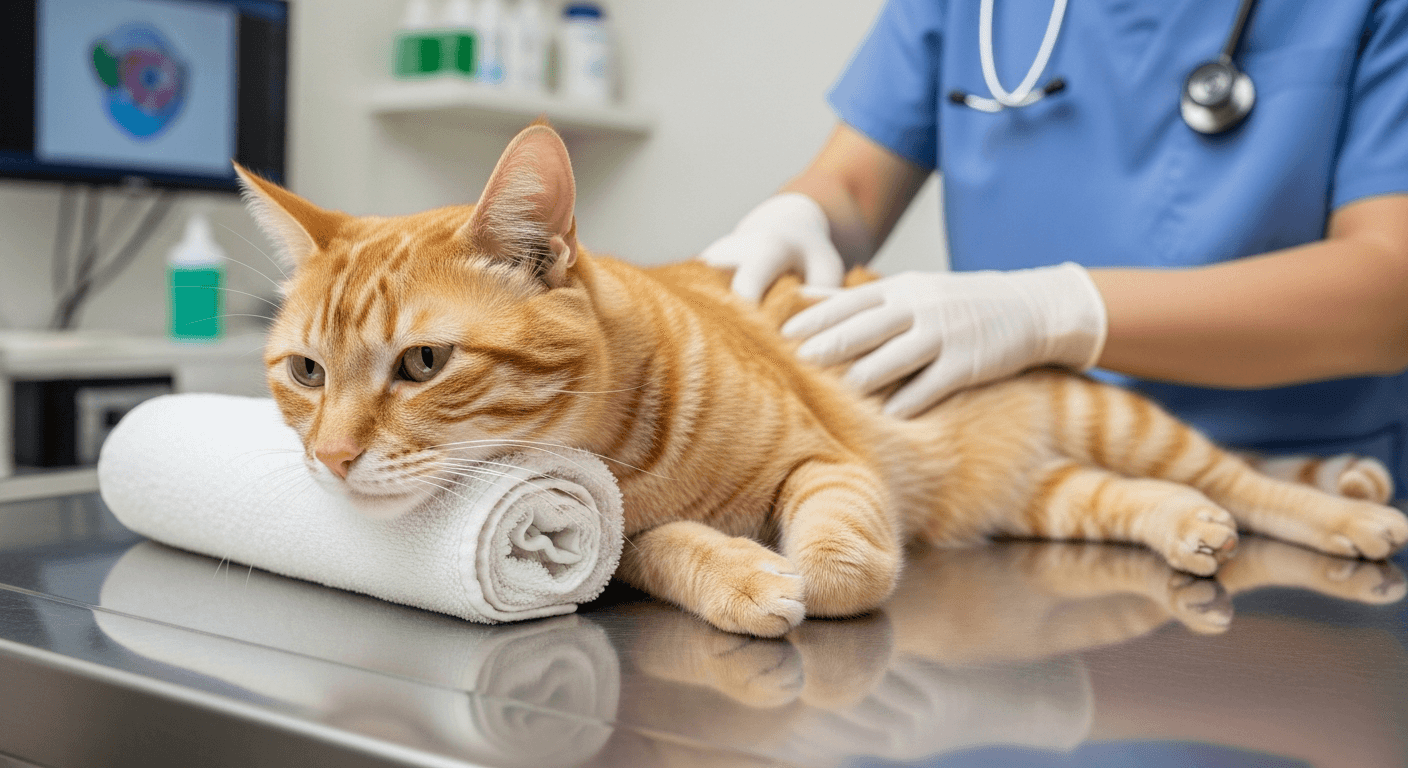
Cat Vomiting White Foam: What It Means
White foam vomit in cats often signals an empty stomach, but it can also mean gastritis or a more serious condition. Here's how to tell.
 🐱 Cat Health
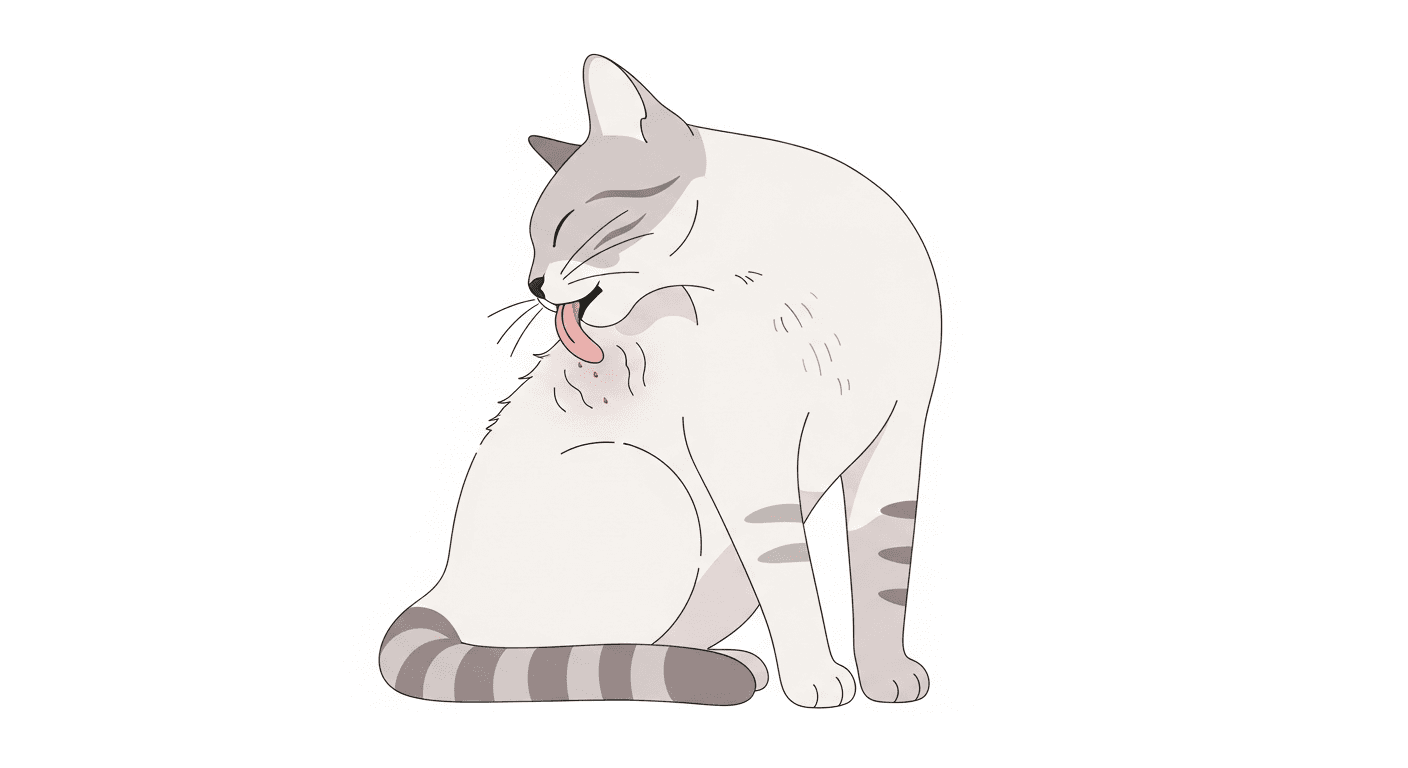
Itchy Cat: Allergies, Parasites, and Skin Disease Explained
An itchy cat scratches, bites, and over-grooms itself. Discover the most common causes of feline pruritus and how each is treated.
 🐱 Cat Health
Cat Over-Grooming and Belly Licking: Causes and Solutions
Excessive licking and over-grooming in cats can be allergic, parasitic, or stress-related. Learn how to find the cause and stop the cycle.