
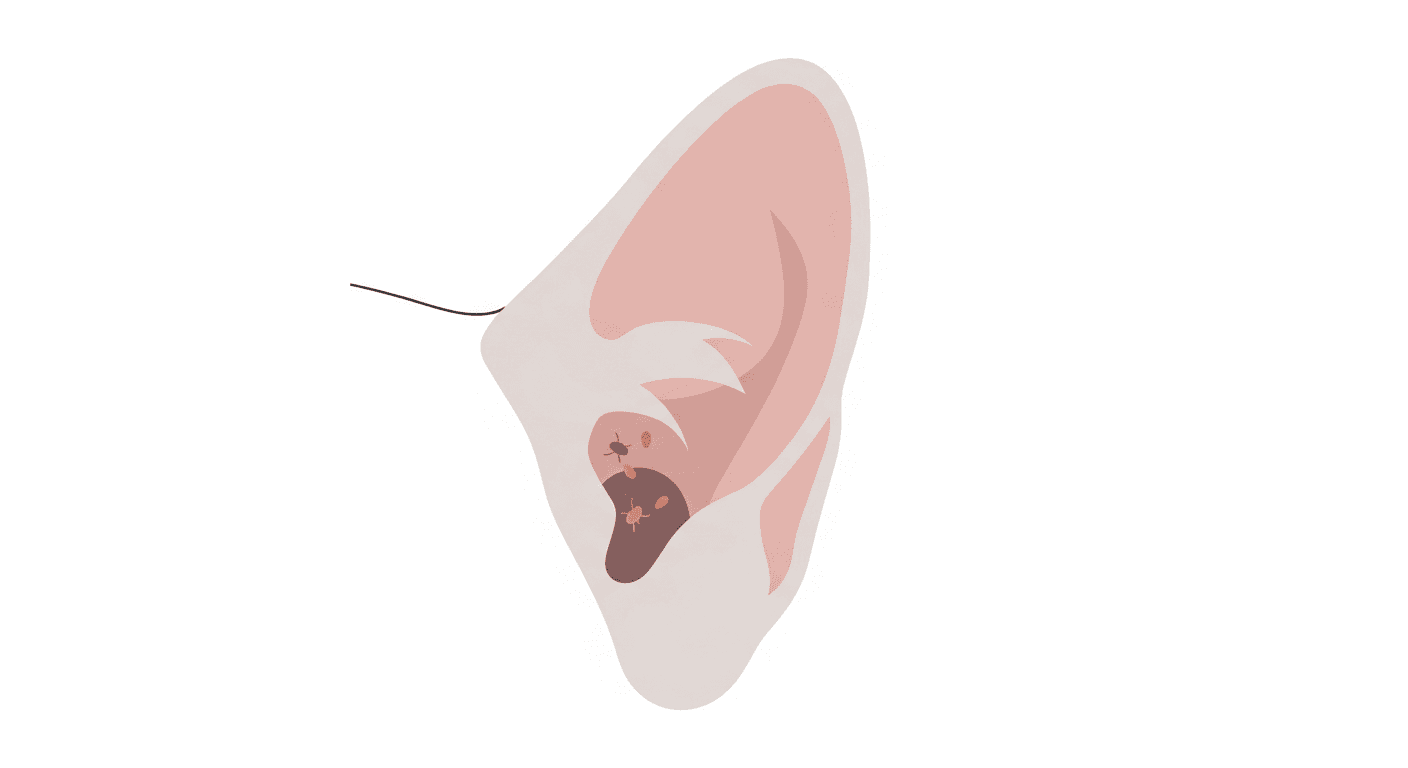
What Are Ear Mites?
Ear mites (Otodectes cynotis) are tiny parasites that live in the ear canals of cats and dogs. They feed on ear wax and debris, causing intense irritation. They're highly contagious between cats and dogs (but cannot complete their life cycle on humans). Cats that go outdoors or live with other animals are especially prone. Kittens acquired from shelters or multi-cat environments are very frequently affected.
The characteristic sign is a dark, dry, crumbly discharge in the ear canal that looks like coffee grounds. Cats shake their heads constantly, scratch their ears vigorously, and can develop skin wounds behind the ears from scratching. Left untreated, secondary bacterial and yeast infections develop inside the ear canal.
First 3 Steps to Take at Home
- Look in both ears: Using a torch, examine the ear canals for dark, crumbly discharge. Normal ears have little or no visible debris. If you see the coffee-ground material, ear mites are very likely.
- Do not use home remedies: Olive oil and home treatments may temporarily suffocate some mites but do not eliminate eggs. Using them delays proper treatment and risks damaging the ear canal. See your vet for effective treatment.
- Check all pets in the household: Ear mites spread easily. Even a cat that isn't scratching may be a carrier. All cats and dogs should be examined and treated simultaneously.
When to Go to the Vet Immediately
- Head shaking so vigorous that an aural hematoma (blood-filled ear flap swelling) forms — this needs prompt drainage
- Ear that smells foul or has thick, oozing discharge — secondary infection needs antibiotics
- Cat that seems in severe pain when the ear is touched
- Kittens with any ear discharge — they're more vulnerable to secondary complications
Follow-Up Care Checklist
- Complete the full treatment course as prescribed — ear mite treatments require 2–4 weeks to kill hatching eggs
- Clean ear canals gently with a veterinary ear cleaner as directed
- Wash all bedding the cat sleeps on
- Use a broad-spectrum parasite preventive that covers ear mites (e.g., selamectin) as ongoing prevention
Track Treatment Progress with TailRounds
Ear mite treatment takes several weeks. Log ear condition, scratching frequency, and discharge amount in the TailRounds Daily Log to confirm the treatment is working.
Book a Vet Appointment
Ear mites are easily treated but require proper medication. Book at Happy Paws — we can confirm the diagnosis with a quick ear swab under the microscope.
Summary for Your Clinic Visit
Tell your vet when symptoms started, describe the discharge, whether other pets in the home are affected, and the cat's current parasite prevention status.
Continue Reading
 🐱 Cat Health
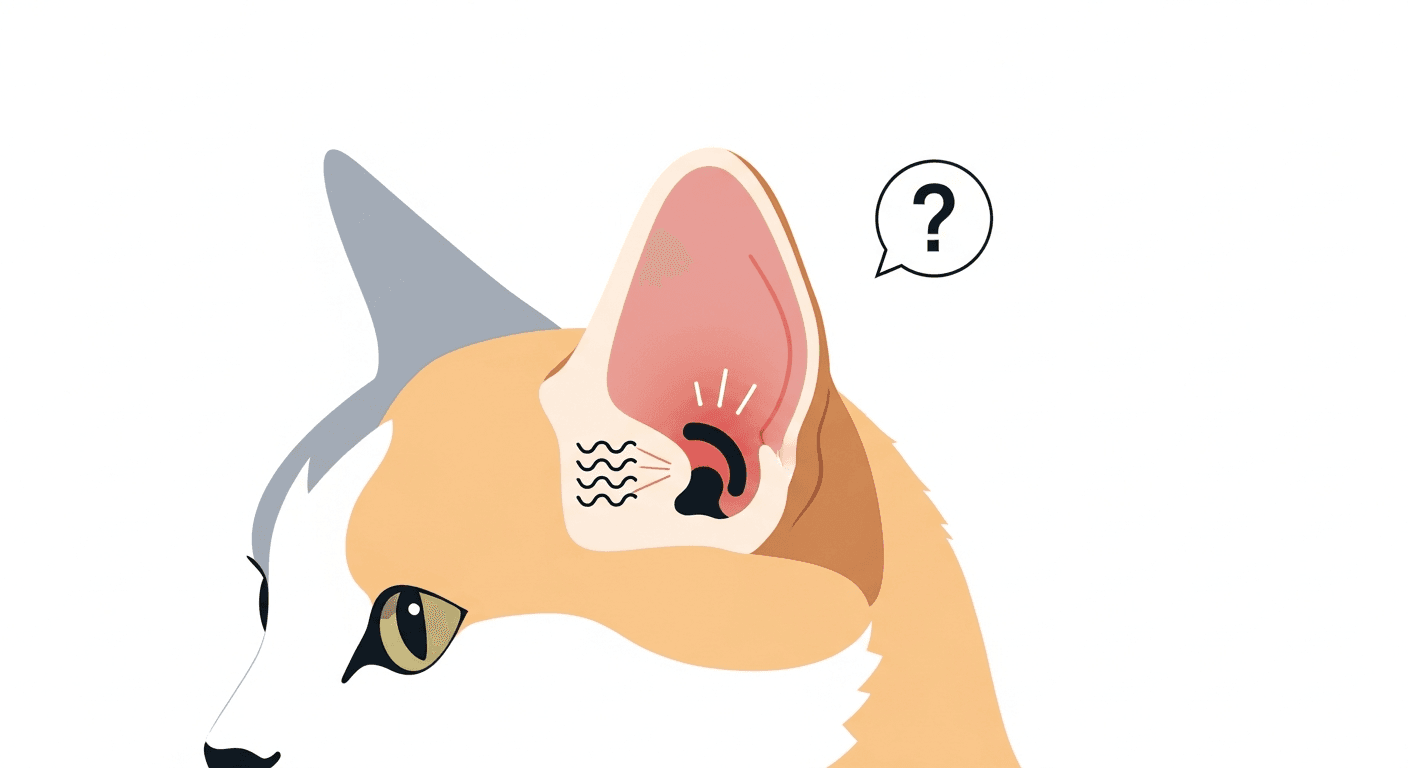
Cat Ear Infection: Signs, Causes, and Treatment
Bacterial and yeast ear infections in cats cause pain, discharge, and head-shaking. Learn to recognize the signs and what treatment looks like.
 🐱 Cat Health
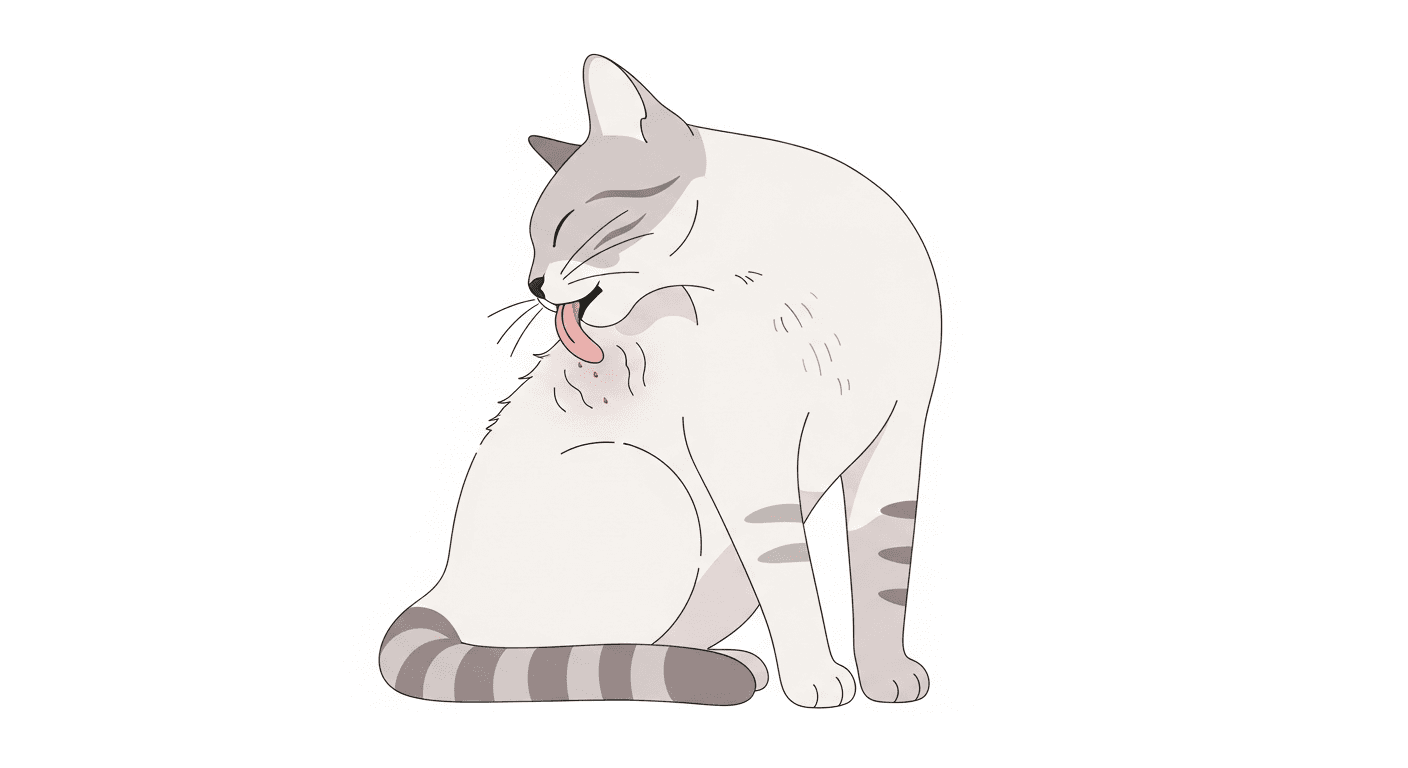
Itchy Cat: Allergies, Parasites, and Skin Disease Explained
An itchy cat scratches, bites, and over-grooms itself. Discover the most common causes of feline pruritus and how each is treated.
 🐱 Cat Health
Cat Flea Treatment: What Actually Works and What Doesn't
Not all flea treatments are equal — some are ineffective, others unsafe for cats. Learn which products work, how to treat the environment, and how to prevent reinfestation.
 🐱 Cat Health
Complete Cat Parasite Prevention Guide: Fleas, Worms, and Mites
A practical, year-round parasite prevention protocol for cats — covering which products to use, how often, and how to protect your family too.