
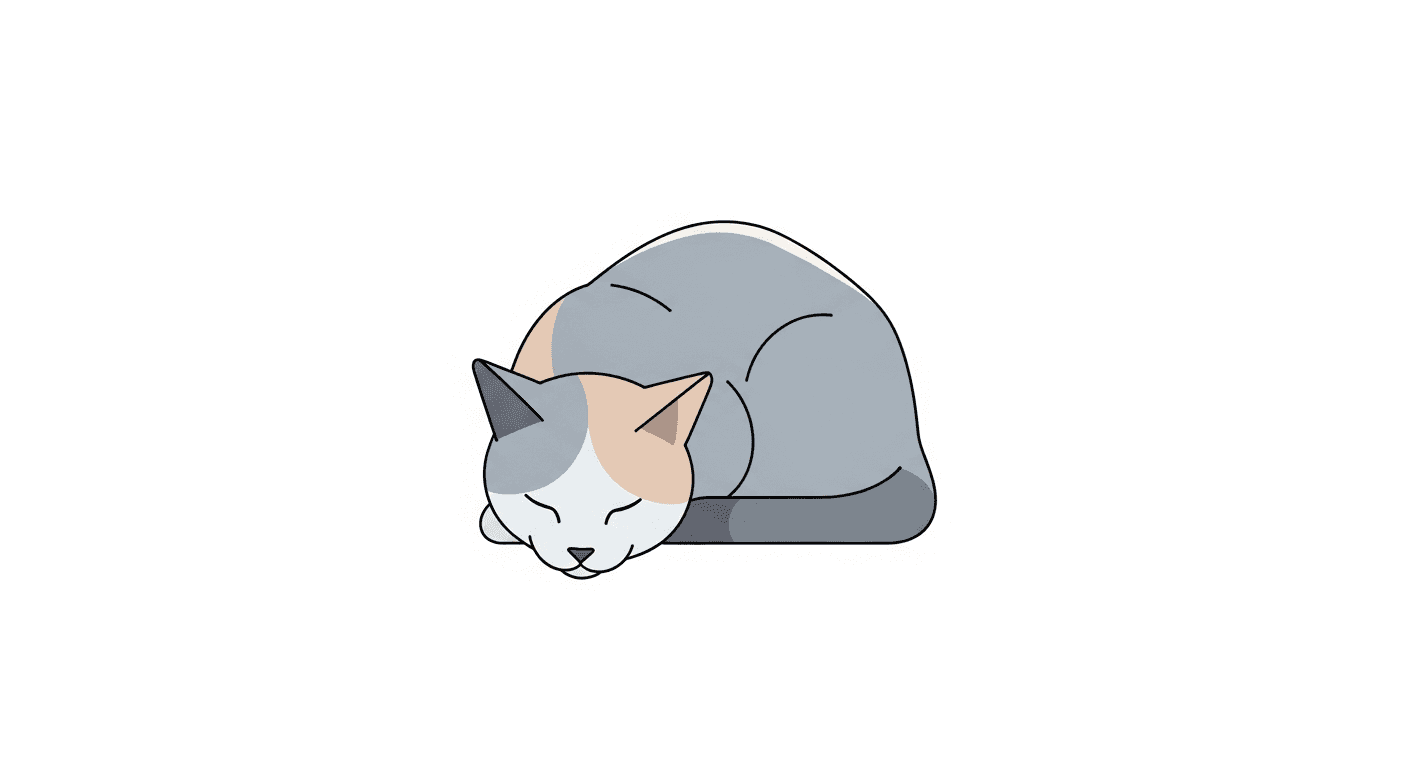
Normal Sleep vs. Lethargy in Cats
Cats are champion sleepers — 12 to 16 hours per day is normal, and senior cats may sleep even more. This makes lethargy tricky to identify. The key distinction is behavioral quality, not quantity of sleep. A healthy cat, when awake, is alert, responsive, interested in its environment, and has normal muscle tone. A lethargic cat may be sleeping the same amount, but when awake seems dull, slow to respond, uninterested in play or food, and physically weak.
Common causes of true lethargy include fever, infection, pain, anemia, heart disease, kidney or liver disease, pancreatitis, toxin ingestion, and cancer. Any systemic illness can cause lethargy as a non-specific response.
First 3 Steps to Take at Home
- Check basic responsiveness: Does the cat react to your voice? To a toy? Does it get up for food? A cat that ignores all stimulation it would normally respond to is genuinely lethargic.
- Assess physical signs: Are the gums pink and moist (normal) or pale, white, yellow, or tacky/dry? Pale or white gums indicate anemia or poor circulation and require immediate attention.
- Take a temperature if possible: A normal cat temperature is 38–39.2°C (100.4–102.5°F). A temperature above 39.5°C or below 37.5°C warrants a vet call.
When to Go to the Vet Immediately
- Pale, white, blue, or yellow gums
- Lethargy accompanied by not eating, vomiting, or diarrhea
- Temperature above 39.7°C or below 37°C
- Lethargy of sudden onset with no obvious cause
- Senior cat suddenly much less active than usual
- Known diabetic cat that seems unusually drowsy — possible hypoglycemia
Follow-Up Care Checklist
- Once the underlying cause is treated, lethargy should resolve — if it persists, report it to your vet
- Ensure adequate nutrition and hydration during recovery
- Minimize stress and overhandling while the cat recovers
- Keep a daily energy level rating (1–5 scale) in your health log to track improvement
Track Energy Levels with TailRounds
A simple daily energy rating logged in the TailRounds Daily Log creates an objective record of recovery trajectory that your vet can use to adjust treatment.
Book a Vet Appointment
Persistent lethargy lasting more than 24 hours needs evaluation. Book at Happy Paws for a full physical examination and same-day bloodwork if needed.
Summary for Your Clinic Visit
Describe how long the lethargy has lasted, whether it came on suddenly or gradually, any accompanying symptoms, and the cat's appetite, hydration, and litter box activity since the lethargy began.
Continue Reading
 🐱 Cat Health
Cat Hiding More Than Usual: When Is It a Health Warning?
Cats hide when they're scared — but also when they're sick or in pain. Learn how to tell normal hiding from a health red flag.
 🐱 Cat Health
Cat Not Eating: When Is It an Emergency?
Learn why your cat has stopped eating, which symptoms require immediate vet care, and how to safely encourage appetite at home.
 🐱 Cat Health
Cat Breathing Fast or Labored: When It's an Emergency
Fast, shallow, or labored breathing in cats is never normal outside of extreme heat or stress. Learn what it means and when to seek emergency care.
 🐱 Cat Health
Cat Losing Weight But Still Eating: What's Going On?
When a cat loses weight despite eating well, something is preventing nutrient absorption or burning energy faster than food can supply it. Learn what to look for.