
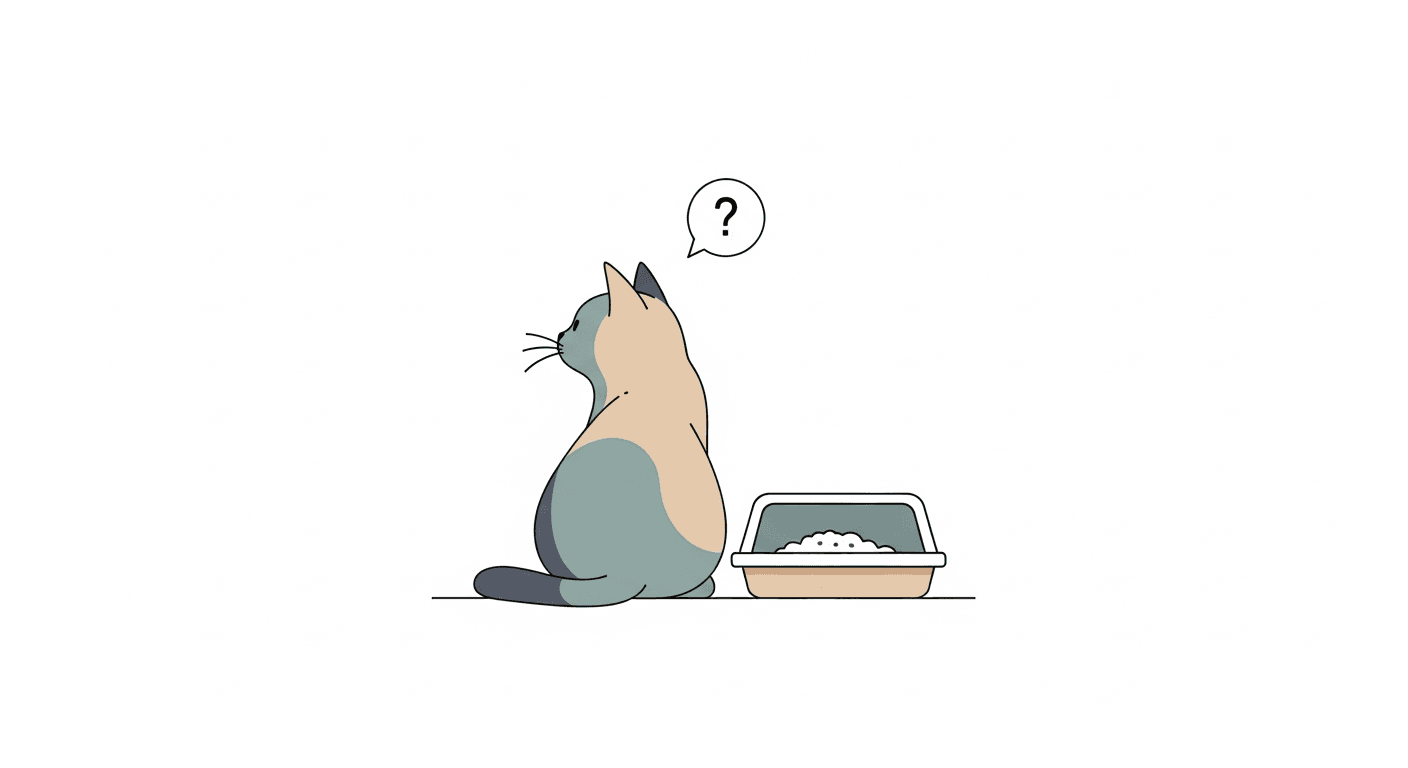
Why Would a Trained Cat Suddenly Avoid the Litter Box?
This is not a training problem — a cat that has always used the litter box and suddenly stops is signaling something. The eight most common causes are: (1) medical urinary or bowel condition, (2) litter box associated with pain (if the cat experienced pain there during an illness), (3) dirty litter box, (4) wrong litter type or texture, (5) box in a noisy or intimidating location, (6) conflict with another cat guarding the box, (7) stress from household change, and (8) cognitive decline in senior cats.
First 3 Steps to Take at Home
- Rule out medical causes first: Before any behavioral intervention, have the cat examined by a vet and submit a urine sample. Urinary tract disease, crystals, and constipation must be excluded before addressing behavior.
- Add an additional litter box: Place a new box in a different, quieter location with unscented litter. Sometimes a simple location change resolves the problem. One box per cat plus one extra is the minimum in multi-cat homes.
- Try a different litter type: Unscented, fine-grain clumping litter is generally preferred by most cats. Strong perfumes in litter are the number-one reason cats reject a box they previously accepted.
When to Go to the Vet Immediately
- Male cat avoiding the box and straining — urinary blockage emergency
- Cat producing very small amounts of urine or none at all
- Blood visible in urine or stool
- Cat seems distressed, is hiding, or is in apparent pain
Follow-Up Care Checklist
- Scoop litter boxes at least once daily; full litter change weekly
- Replace plastic litter boxes every 6–12 months — scratches harbor bacteria and odors cats detect
- Ensure box size is adequate — the box should be 1.5 times the cat's length
- For senior cats, switch to low-entry boxes and place them on the same floor the cat spends most time on
Log Litter Box Use with TailRounds
Knowing when the last normal litter box use was helps your vet enormously. Log daily with the TailRounds Daily Log and note any changes in frequency or location.
Book a Vet Appointment
Any sudden change in litter box behavior should be evaluated. Book at Happy Paws — a quick urine test and exam often resolves the mystery within one visit.
Summary for Your Clinic Visit
Tell your vet when the behavior started, where the cat is eliminating instead, any recent household changes, and whether other symptoms (straining, blood, crying) have been observed.
Continue Reading
 🐱 Cat Health
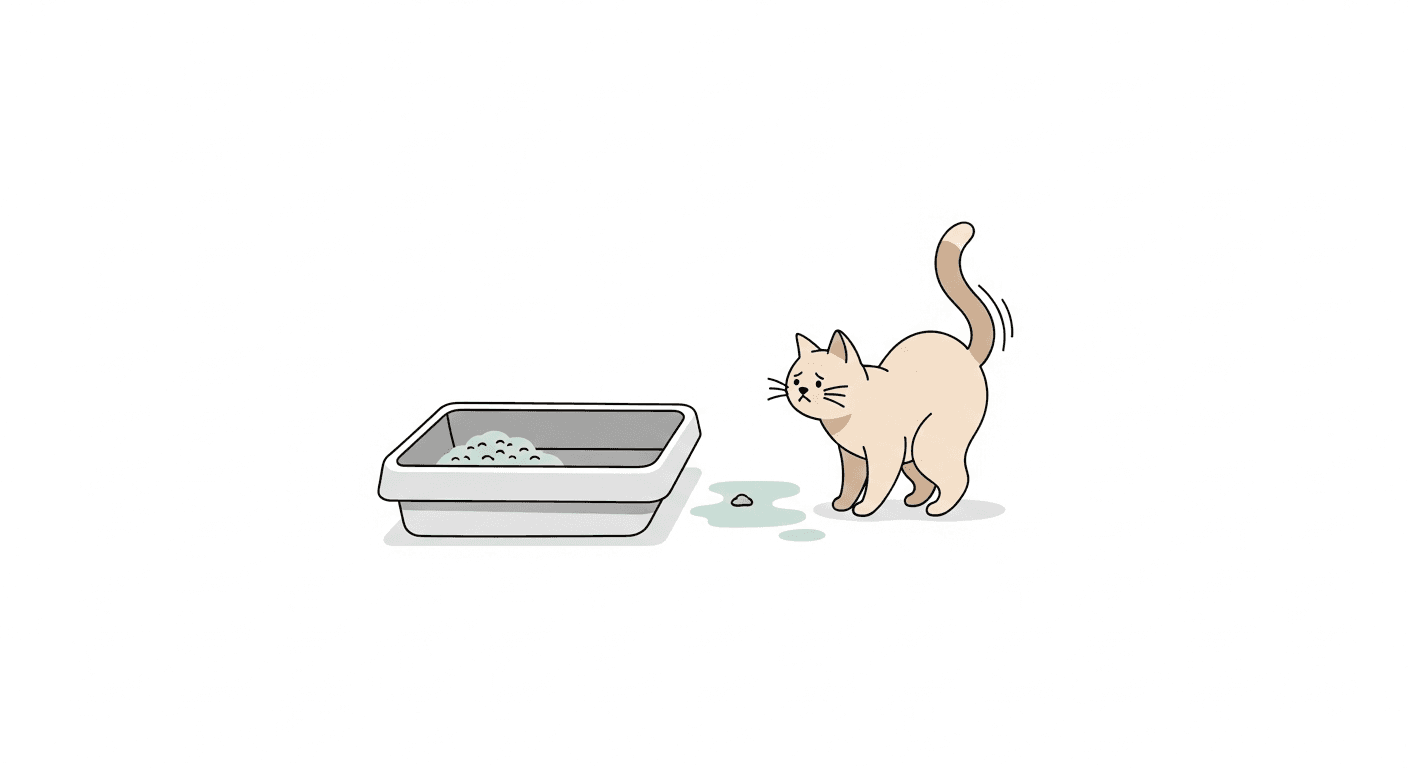
Cat Peeing Outside the Litter Box: Medical and Behavioral Causes
A cat suddenly avoiding the litter box can signal a urinary infection, crystals, or behavioral stress. Learn how to find the cause and address it properly.
 🐱 Cat Health
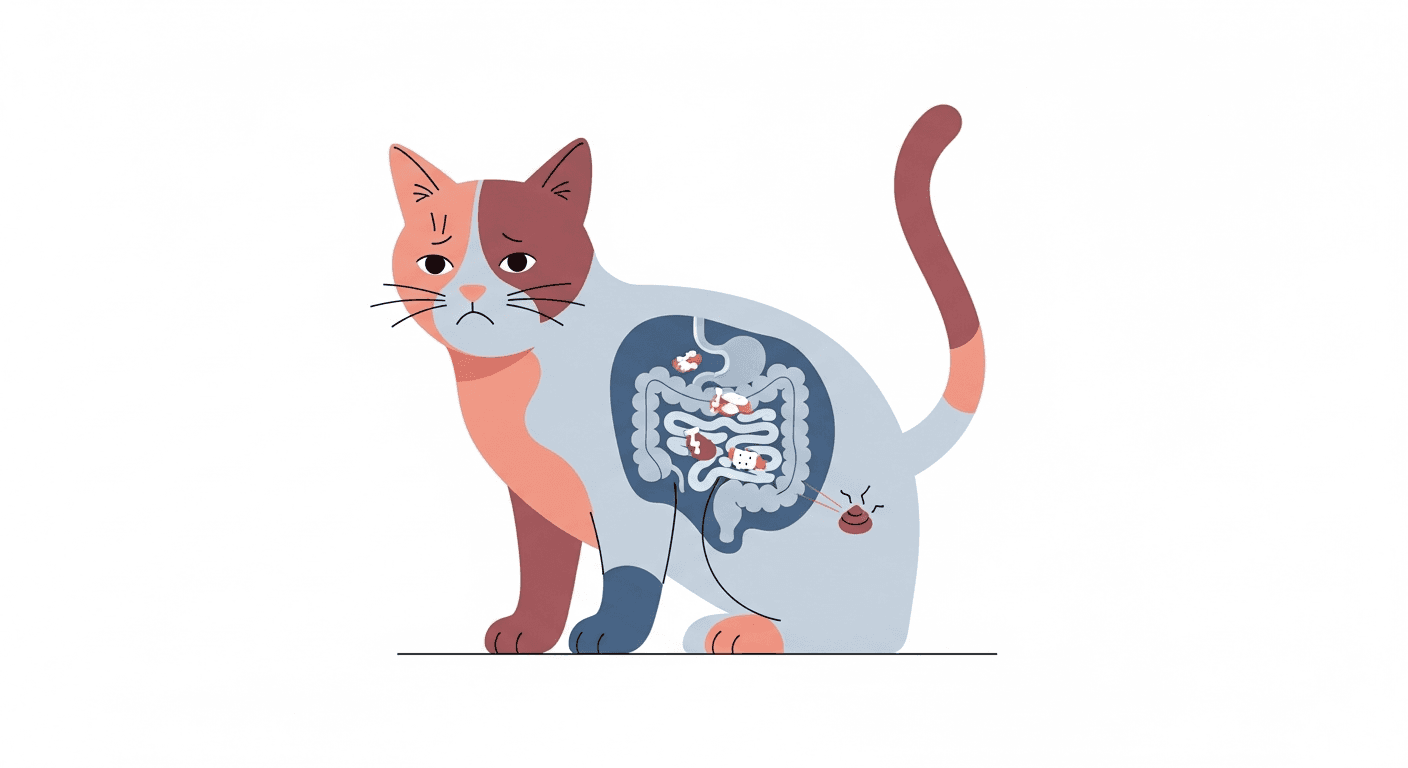
Cat Constipation: Signs, Causes, and Home Care
Learn how to recognize constipation in cats, when it becomes obstipation (a medical emergency), and how to help your cat stay regular.
 ✂️ Cat Care
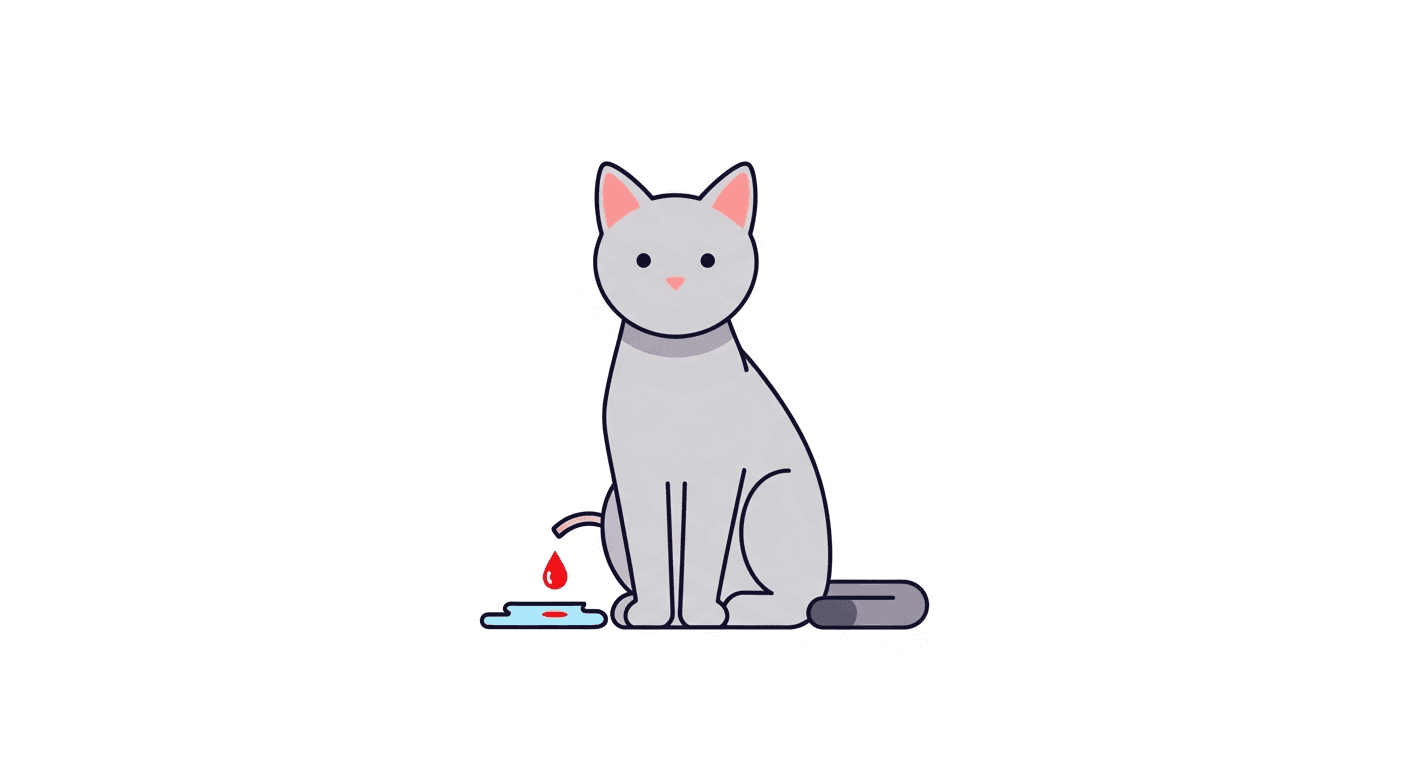
Blood in Cat Urine: Causes and What to Do
Pink, red, or brown urine in cats is always abnormal. Learn the common causes of hematuria in cats and how urgently it needs to be addressed.
 ✂️ Cat Care
Cat Stress After Moving: How to Help Your Cat Adjust
Moving is deeply stressful for cats. Learn how to set up a new home, reduce anxiety, and recognize when stress is causing health problems.