
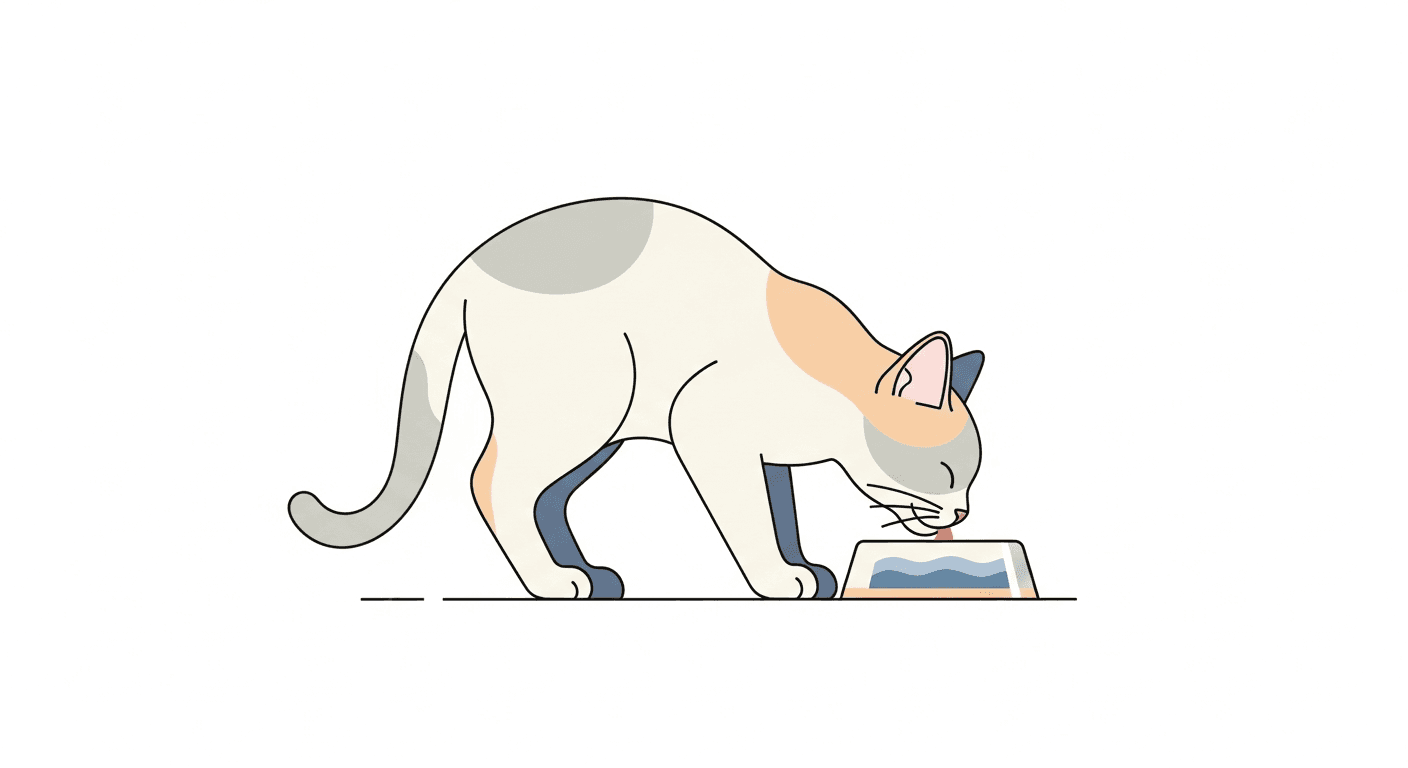
What Is Polydipsia in Cats?
Polydipsia means drinking more water than normal. In cats, a normal water intake is roughly 50–60 ml per kg of body weight per day. A 4 kg cat drinking more than 240 ml per day is showing polydipsia. In practice, you'll notice refilled water bowls, the cat drinking from faucets or unusual sources, or more frequent urination (which often accompanies increased drinking).
The three most common causes in middle-aged to older cats are chronic kidney disease (CKD), diabetes mellitus, and hyperthyroidism. All three are manageable when caught early, but all three cause serious organ damage if left untreated. This symptom should never be attributed to hot weather or "just a phase" without a vet checking bloodwork and urine.
First 3 Steps to Take at Home
- Measure water intake for 24 hours: Fill the water bowl with a measured amount in the morning and measure what's left 24 hours later. Keep a note of any additional sources the cat drank from. This data is gold for your vet.
- Check the litter box: Increased urination (polyuria) almost always accompanies polydipsia. Large, clumping urine clumps or a wetter-than-usual litter box supports the concern.
- Note accompanying symptoms: Weight loss despite eating well suggests hyperthyroidism or poorly controlled diabetes. Weight loss with reduced appetite suggests kidney disease. This context matters enormously.
When to Go to the Vet Immediately
- Cat is drinking dramatically more than usual and seems unwell, lethargic, or is vomiting
- Male cat drinking more and straining to urinate — possible urinary blockage
- Known diabetic cat showing behavior changes or losing consciousness
- Any cat over age 8 with increased thirst — senior cats are highly prone to CKD and hyperthyroidism
Follow-Up Care Checklist
- Complete all prescribed bloodwork and urine tests — these are not optional extras, they're the diagnostic foundation
- If kidney disease is diagnosed, begin a renal prescription diet immediately as directed
- For diabetic cats, establish an injection schedule and glucose monitoring routine with your vet's guidance
- Recheck appointments every 3 months are typical for cats with these conditions
Track Water Intake with TailRounds
Daily tracking of water intake and urination frequency is essential for cats with kidney disease, diabetes, or hyperthyroidism. The TailRounds Daily Log makes this easy to record and share with your veterinary team.
Book a Vet Appointment
Increased thirst warrants bloodwork and a urinalysis. Book at Happy Paws — we can run a comprehensive panel and often have results the same day.
Summary for Your Clinic Visit
Bring your 24-hour water measurement, note any accompanying symptoms (weight change, appetite, vomiting, litter box changes), the cat's age, and whether any medications are currently being given.
Continue Reading
 ✂️ Cat Care
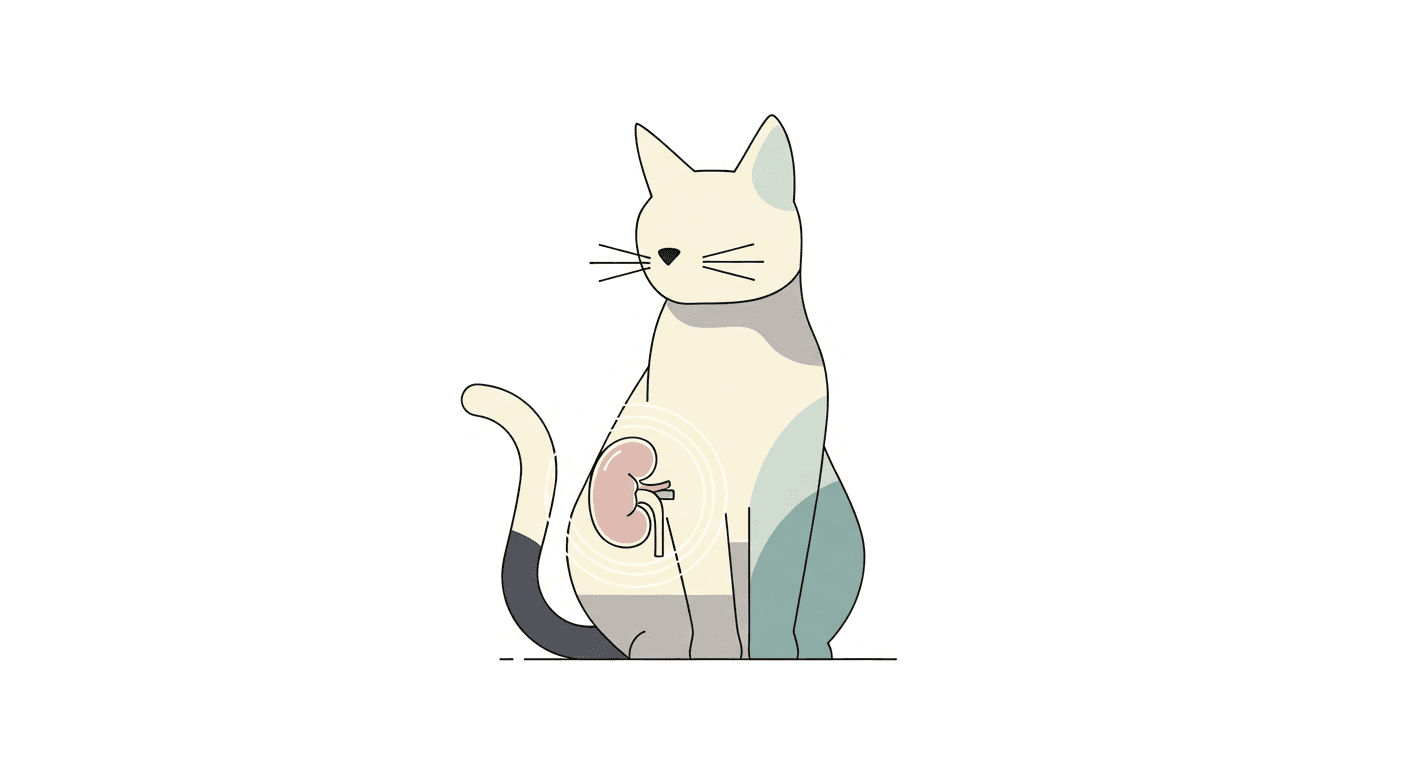
Early Kidney Disease in Cats: Signs, Diagnosis, and Management
Chronic kidney disease is the leading cause of death in cats over 12. Learn the earliest signs, how it's diagnosed, and how to slow progression significantly.
 ✂️ Cat Care
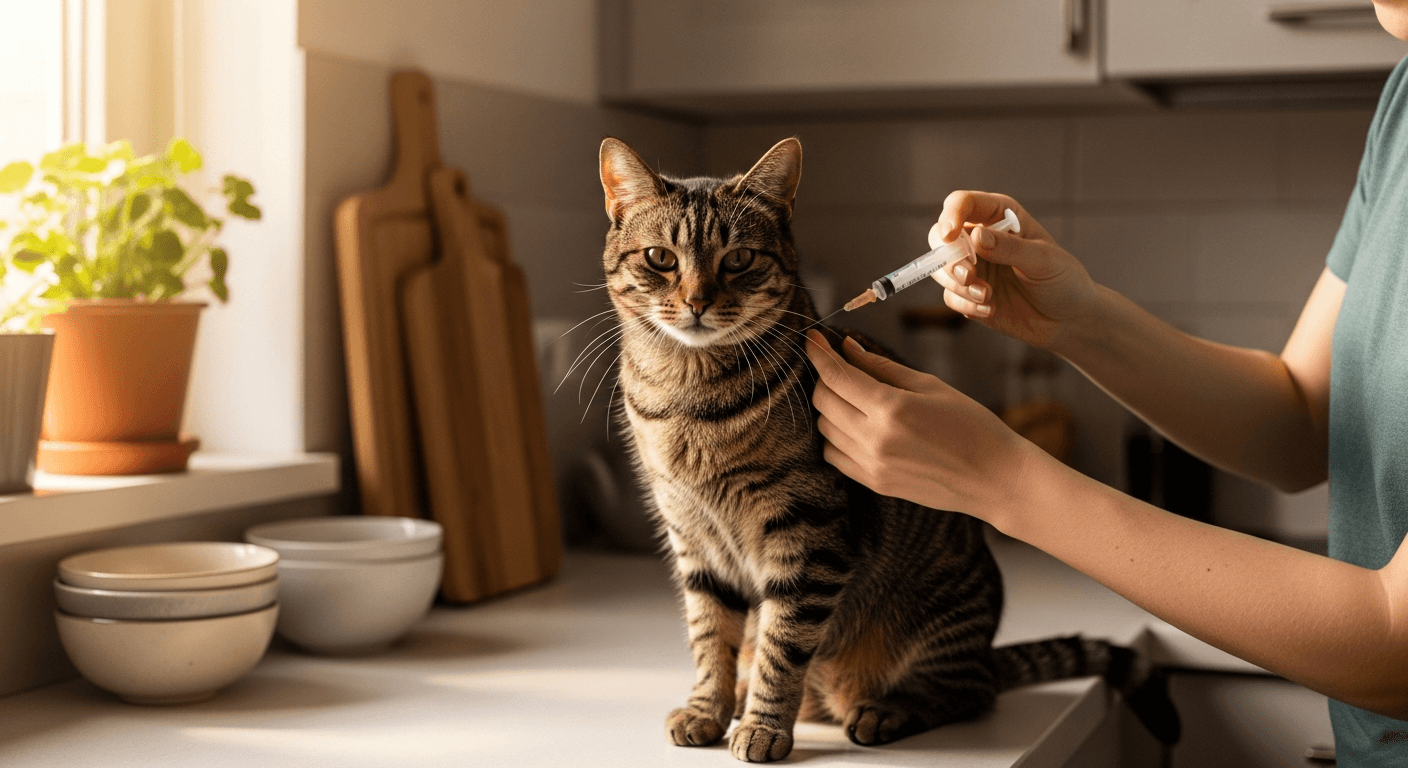
Feline Diabetes: Symptoms, Diagnosis, and Daily Management
Diabetes in cats is manageable and even reversible with early treatment. Learn the symptoms, what diagnosis involves, and how daily care looks.
 ✂️ Cat Care
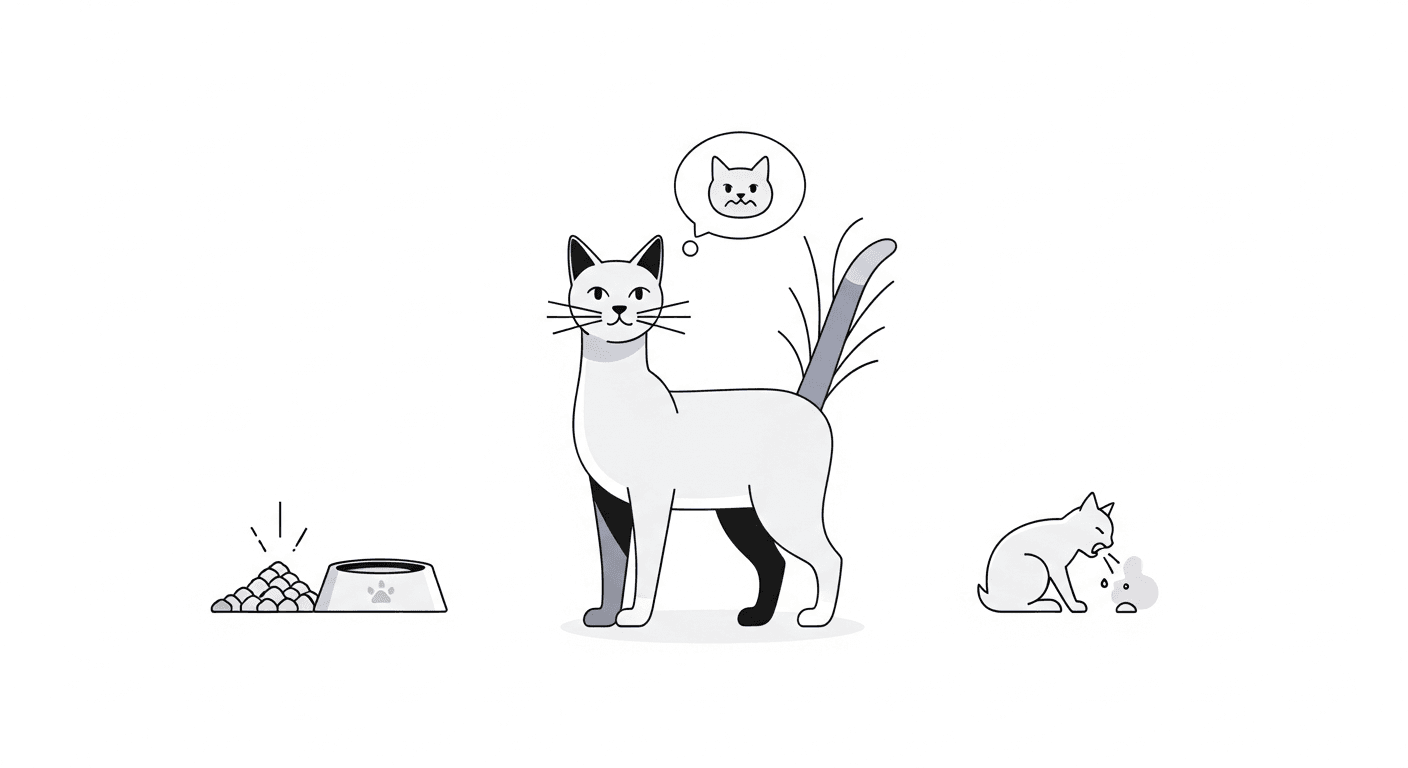
Cat Hyperthyroidism: Signs, Treatment Options, and Monitoring
Hyperthyroidism is the most common hormonal disorder in older cats. Learn the signs, understand the four treatment options, and how to monitor your cat.
 🐱 Cat Health
Cat Losing Weight But Still Eating: What's Going On?
When a cat loses weight despite eating well, something is preventing nutrient absorption or burning energy faster than food can supply it. Learn what to look for.