
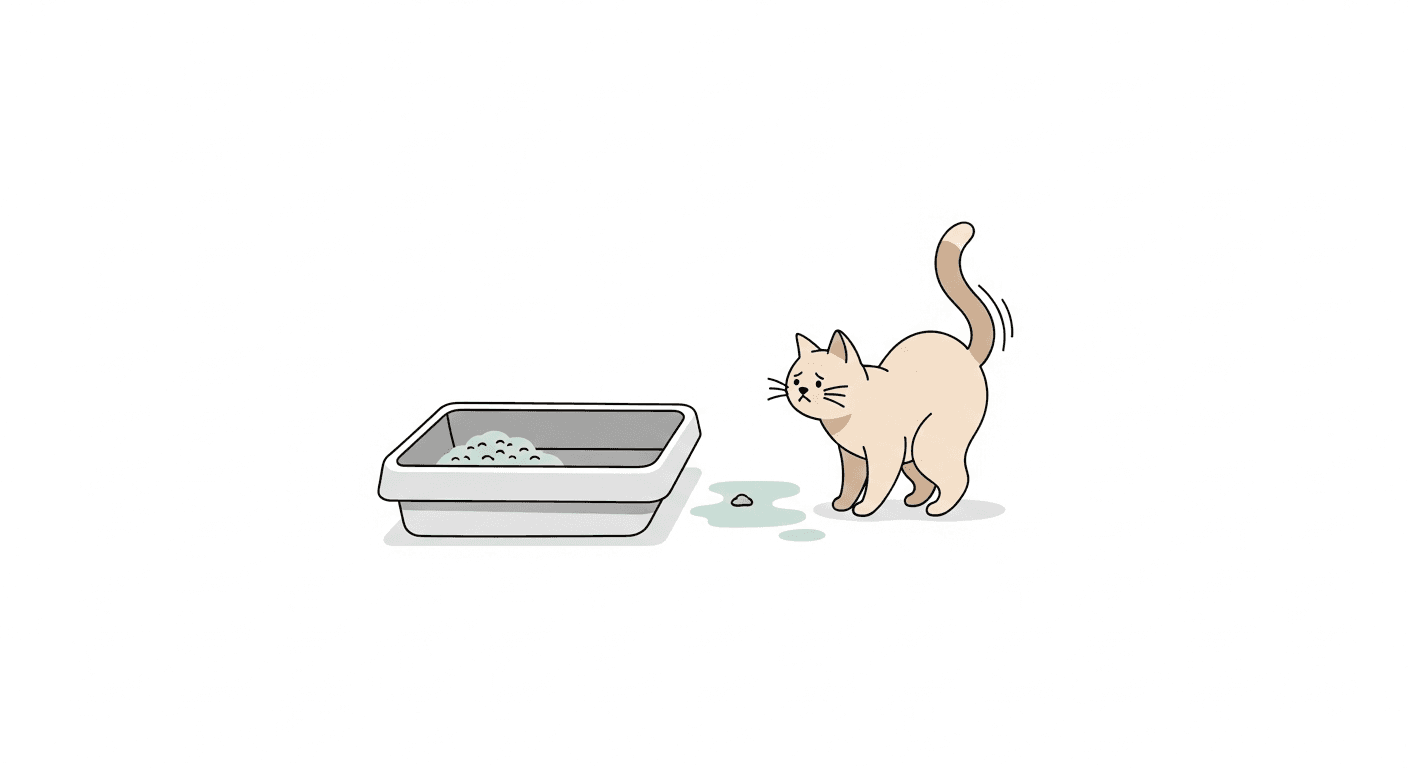
Why Do Cats Pee Outside the Litter Box?
This is one of the most common complaints in feline veterinary medicine — and one that gets people frustrated quickly. But it's critical to understand that in most cases, the cat isn't being spiteful. It's either sick or communicating discomfort. The behavior is either medical (urinary tract infection, crystals, bladder inflammation, kidney disease, diabetes) or behavioral (litter box aversion, marking, anxiety from household change).
The first rule: any sudden onset of inappropriate elimination in a cat that was previously reliable should be treated as potentially medical until proven otherwise. A vet exam and urinalysis should come first.
First 3 Steps to Take at Home
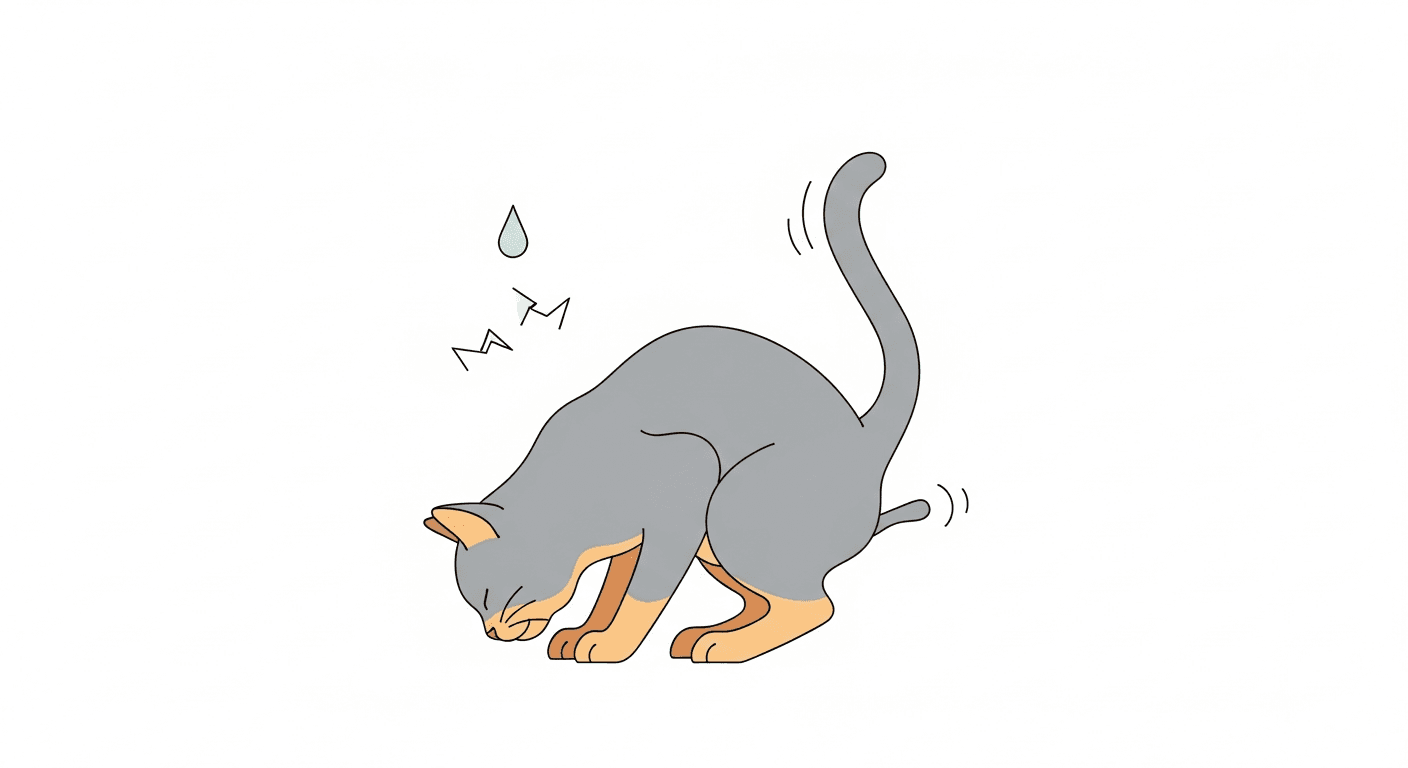
- Watch the cat urinate: Is it producing a normal stream of urine, or are small drops with straining? The latter is a potential emergency, especially in male cats who can develop life-threatening urinary blockages.
- Examine the litter box: Is it clean enough? Cats often refuse litter boxes that are not scooped daily. Are there enough boxes? The rule is one per cat plus one extra. Is the litter type acceptable to the cat?
- Look for stress triggers: A new pet, a new person, construction noise, or rearranged furniture can trigger stress-related inappropriate elimination. Address environmental stressors in parallel with any medical treatment.
When to Go to the Vet Immediately
- Male cat crying while trying to urinate or producing no urine — urinary blockage is a life-threatening emergency
- Blood in urine visible on light-colored surfaces
- Cat is lethargic, not eating, or seems to be in pain
- Urinating frequently in very small amounts throughout the day
Follow-Up Care Checklist
- If FLUTD (feline lower urinary tract disease) is diagnosed, transition to a urinary-formulated wet food diet
- Increase hydration — wet food and water fountains reduce crystal formation
- Add a second litter box if multi-cat conflict is a factor
- Consider Feliway diffusers for stress-related cases
- Enzymatically clean all soiled areas — residual scent encourages repeat marking
Log Urination Patterns with TailRounds
Track litter box use daily — frequency, location, and whether blood is visible. The TailRounds Daily Log lets you record these details systematically so your vet can distinguish stress-related patterns from medical progression.
Book a Vet Appointment
Don't wait this one out — urinary conditions in cats can escalate fast. Book at Happy Paws for a urinalysis and exam.
Summary for Your Clinic Visit
Tell your vet when it started, whether the cat is producing normal amounts of urine, whether blood is visible, any litter box changes recently made, and any household stressors in the past 4–6 weeks.
Continue Reading
 ✂️ Cat Care
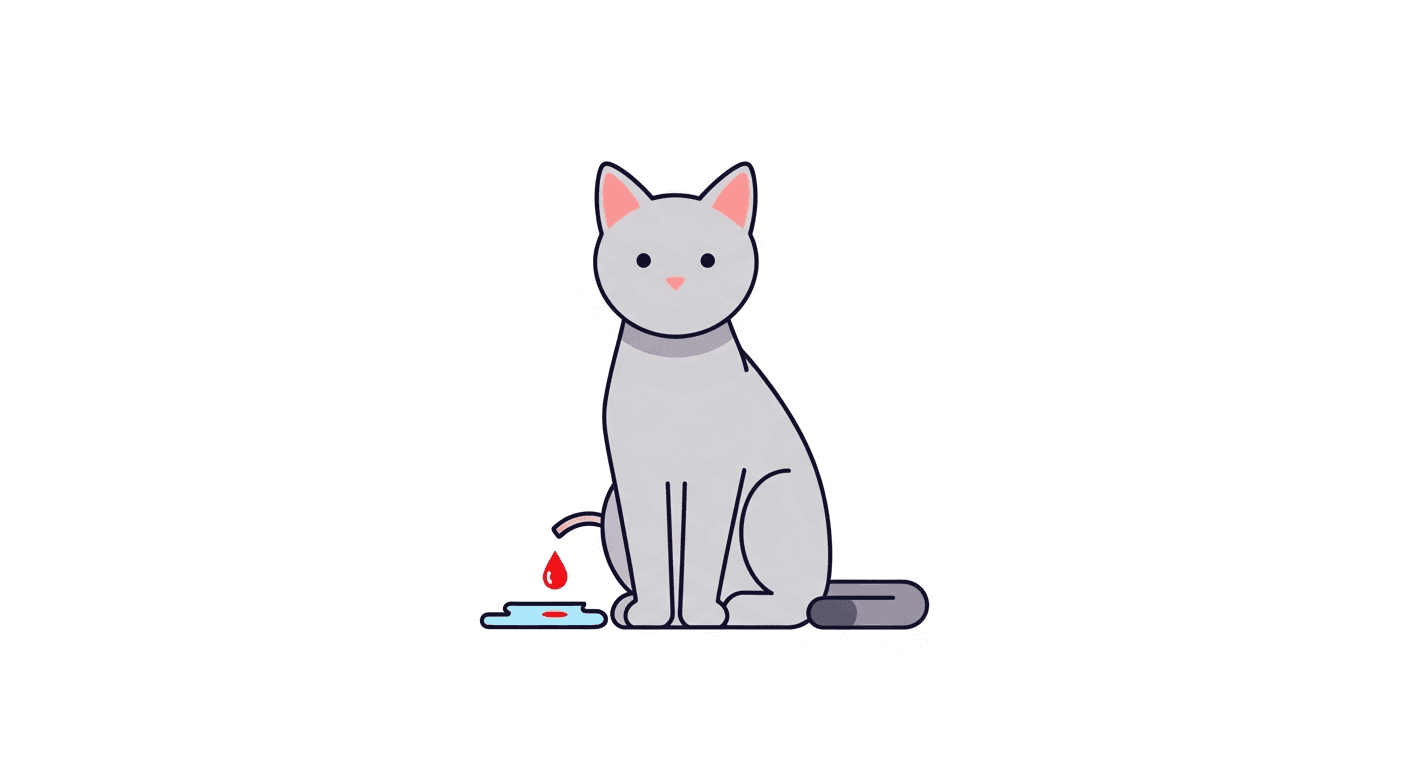
Blood in Cat Urine: Causes and What to Do
Pink, red, or brown urine in cats is always abnormal. Learn the common causes of hematuria in cats and how urgently it needs to be addressed.
 ✂️ Cat Care
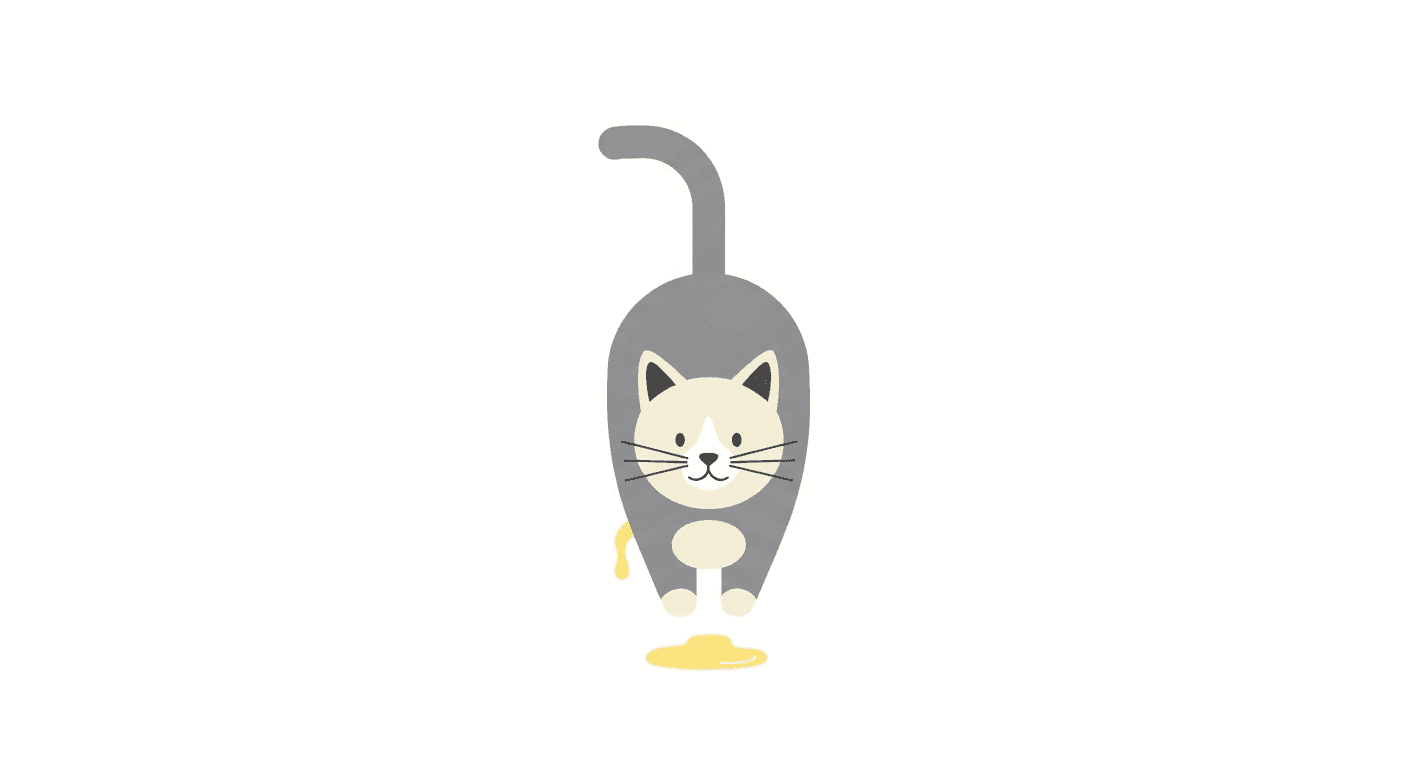
Cat Peeing Frequently in Small Amounts: What It Means
Frequent small-volume urination in cats typically indicates lower urinary tract disease. Learn to identify it, respond appropriately, and prevent recurrence.
 🐱 Cat Health
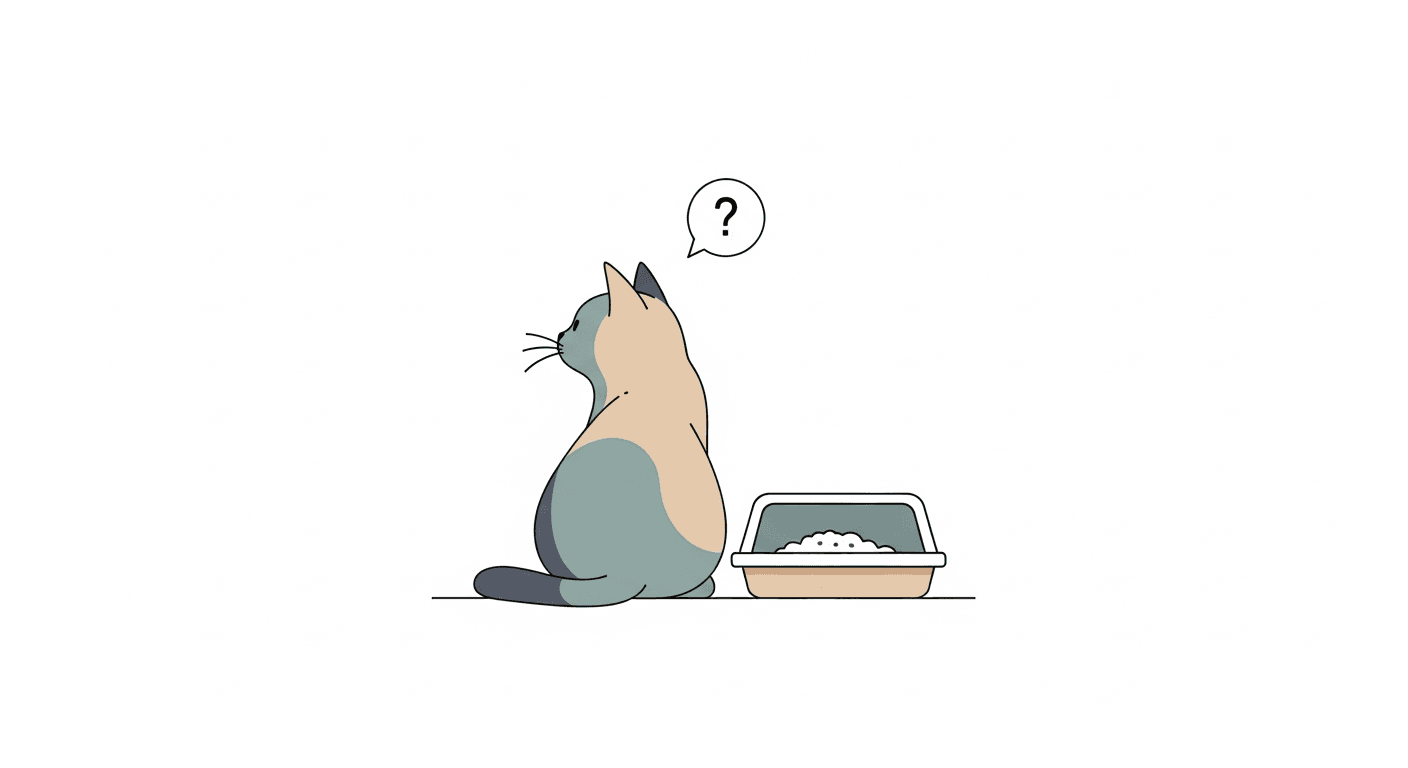
Cat Suddenly Not Using the Litter Box: 8 Common Reasons
A previously litter-trained cat avoiding the box is telling you something. Learn the 8 most common causes and how to address each one.
 ✂️ Cat Care
Male Cat Straining to Urinate: Emergency Signs vs. Constipation
Straining in male cats is a urinary emergency until proven otherwise. Learn how to tell urinary blockage from constipation and act appropriately.