
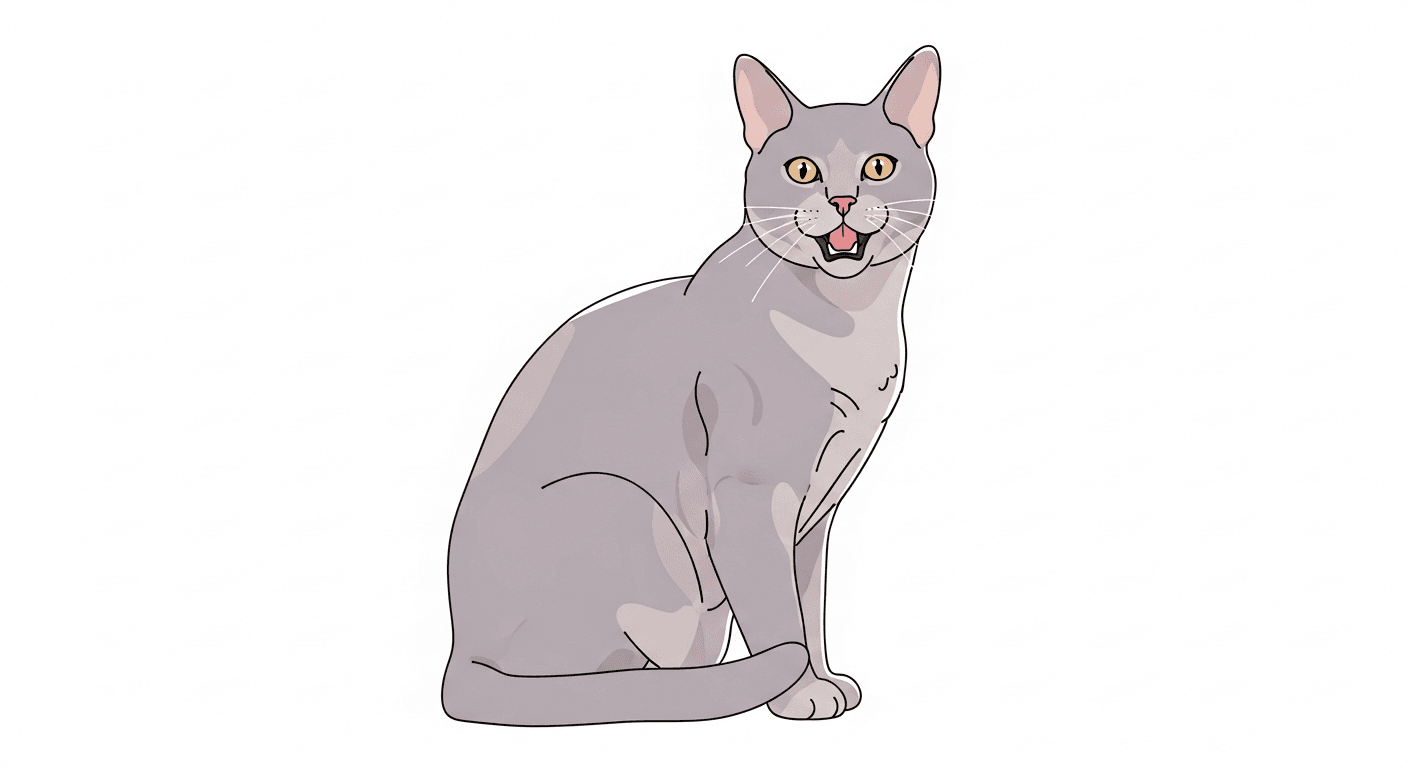
What Does Abnormal Breathing Look Like in Cats?
Cats are obligate nasal breathers — they breathe through their nose under normal circumstances. Open-mouth breathing in a cat is a serious warning sign. Unlike dogs, cats do not pant for thermoregulation (except in extreme heat or after intense exertion). Any cat breathing rapidly at rest, breathing with its mouth open, or showing visible effort with each breath needs urgent veterinary attention.
Causes of labored breathing include pleural effusion (fluid around the lungs), asthma, heart disease (hypertrophic cardiomyopathy is common in cats), pneumonia, cancer, trauma, diaphragmatic hernia, and severe anemia. These conditions can deteriorate rapidly.
First 3 Steps to Take at Home
- Keep the cat calm and still: Stress and movement increase oxygen demand. Place the cat gently in a carrier or a quiet, well-ventilated space and minimize handling.
- Count the respiratory rate: A normal resting respiratory rate for a cat is 15–30 breaths per minute. Count breaths for 30 seconds and multiply by two. More than 40 at rest is abnormal. More than 60 is an emergency.
- Call the vet or emergency clinic immediately: Do not wait to see if breathing improves. Respiratory distress can go from concerning to fatal within hours. This is not a "monitor at home" situation.
When to Go to the Vet Immediately
- Any open-mouth breathing at rest
- Blue or gray tinge to the gums (cyanosis — oxygen deprivation)
- Neck stretched forward, elbows out ("orthopnea" posture) — the cat is working hard to breathe
- Abdominal heaving with each breath
- Breathing rate over 40 per minute at rest
- Cat refuses to lie down or change position — a classic sign of respiratory distress
Any of these signs constitute a veterinary emergency. Transport immediately.
Follow-Up Care Checklist
- If asthma is diagnosed, keep an inhaler kit (feline AeroKat) stocked and follow the management protocol
- For heart disease, weigh daily and track resting respiratory rate as directed — increases signal fluid accumulation
- Minimize stress triggers in the home environment
- Keep recheck appointments for cardiac and respiratory conditions — they require monitoring
Monitor Respiratory Rate with TailRounds
For cats with diagnosed heart or lung conditions, tracking resting respiratory rate daily is one of the most important things you can do. Log it using the TailRounds Daily Log and share trend data with your vet at every visit.
Book a Vet Appointment
Any cat with abnormal breathing needs a same-day evaluation. Book urgently at Happy Paws — our team is equipped for cardiorespiratory assessment including chest X-rays and cardiac ultrasound.
Summary for Your Clinic Visit
Tell the vet when breathing changes were first noticed, whether the onset was sudden or gradual, any history of heart disease or asthma, recent trauma, whether the cat has been coughing, and whether there has been weight loss or decreased activity leading up to this episode.
Continue Reading
 🐱 Cat Health
Cat Sneezing and Watery Eyes: Upper Respiratory Infection Explained
Sneezing, runny eyes, and nasal discharge in cats are classic signs of URI. Learn what causes it, how to care for your cat at home, and when to see a vet.
 🐱 Cat Health
Is Your Cat Too Tired? Signs of Lethargy vs Normal Rest
Cats sleep up to 16 hours a day — so how do you know when tiredness is actually lethargy? Learn the signs that distinguish normal rest from illness.
 🐱 Cat Health
Cat Hiding More Than Usual: When Is It a Health Warning?
Cats hide when they're scared — but also when they're sick or in pain. Learn how to tell normal hiding from a health red flag.
 🐱 Cat Health
Cat Bad Breath: Is It Dental Disease or Something More Serious?
Bad breath in cats isn't just unpleasant — it's often a sign of dental disease, kidney failure, or diabetes. Learn how to tell the difference.