

Why Parasite Prevention Matters Year-Round
Many cat owners believe parasite prevention is only necessary for outdoor cats or during summer. This is a dangerous myth. Indoor cats can acquire fleas from shoes, clothing, and other pets. Kittens can be born with roundworms. Toxoplasma is shed in feces regardless of lifestyle. And in warm, centrally heated homes, flea populations thrive year-round. A comprehensive prevention protocol protects both the cat and the human family — some feline parasites are zoonotic (transmissible to humans).
First 3 Steps to Start a Prevention Program
- Establish baseline with a fecal test: Before starting any prevention program, have a fecal flotation test done to know what parasites are currently present. This determines whether treatment (deworming) must come before prevention.
- Choose a vet-approved combination product: Combination topical or oral products that cover fleas, roundworms, tapeworms, and ear mites in one monthly dose simplify compliance enormously. Ask your vet about selamectin-based products or prescription monthly combination treatments.
- Calendar all treatment dates: Set monthly reminders. Parasite prevention effectiveness depends on consistent interval dosing — even one missed month can allow infestation to establish.
Recommended Minimum Prevention Protocol
- Flea prevention: Monthly, year-round, for all cats and dogs in the household
- Roundworm/hookworm: Monthly for kittens under 6 months; quarterly for adult indoor cats; monthly for outdoor or hunting cats
- Tapeworm: Every 1–3 months for cats that hunt or have had fleas
- Ear mites: Treat if signs present; selamectin products prevent as well as treat
When to Go to the Vet
- Before starting any new parasite prevention product — confirm safety for the cat's age, weight, and health status
- If signs of infestation appear despite prevention — possible product resistance or incorrect application
- Annual fecal test to confirm prevention is working
Follow-Up Care Checklist
- Review prevention products annually — new products may be more effective or more convenient
- Check product expiry dates and store correctly (some topicals degrade in heat)
- For multi-pet households, designate one person responsible for parasite prevention to prevent missed doses
Track Prevention with TailRounds
Never wonder "did I give this month's treatment?" Log every prevention dose in the TailRounds Daily Log and share the record with your vet at each annual visit.
Book a Vet Appointment
Start your cat's personalized prevention plan today. Book at Happy Paws for a parasite consultation and annual fecal test.
Summary for Your Clinic Visit
Bring your treatment log, list all current prevention products, note the cat's lifestyle (indoor/outdoor, hunter, multi-pet household), and ask for a fecal test if one hasn't been done in the past 6–12 months.
Continue Reading
 🐱 Cat Health
Cat Flea Treatment: What Actually Works and What Doesn't
Not all flea treatments are equal — some are ineffective, others unsafe for cats. Learn which products work, how to treat the environment, and how to prevent reinfestation.
 🐱 Cat Health
Cat Worms: Types, Symptoms, and How to Deworm Safely
Roundworms, tapeworms, hookworms — cats can carry multiple intestinal parasites. Learn the signs, safe deworming options, and how often to treat.
 🐱 Cat Health
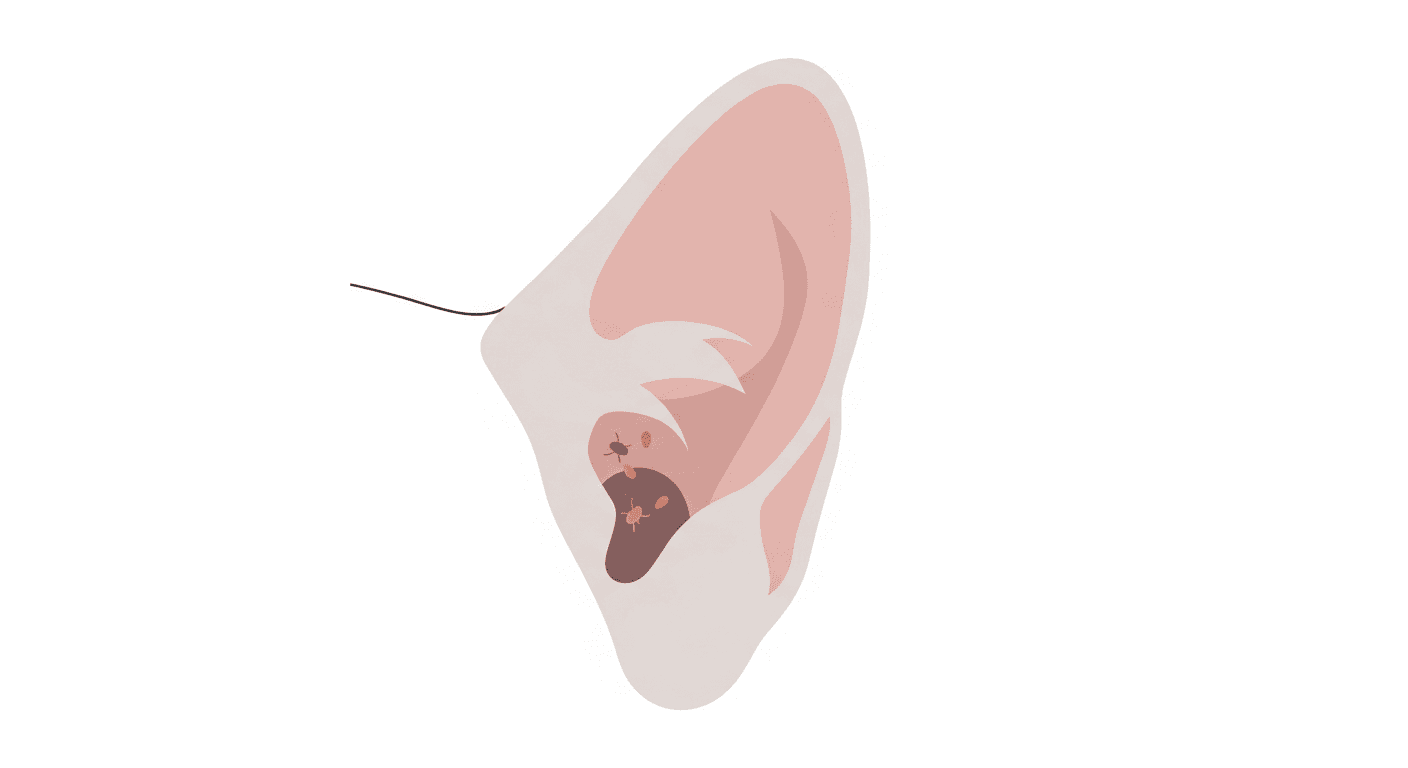
Cat Ear Mites: Symptoms, Treatment, and Prevention
Dark, crumbly discharge and intense ear scratching in cats often mean ear mites. Learn how to recognize, treat, and prevent them.
 🐱 Cat Health
Kitten Vaccination Schedule: What Every New Owner Needs to Know
A complete guide to kitten vaccines — which ones are essential, when to give them, and how to protect your kitten from serious infectious diseases.