
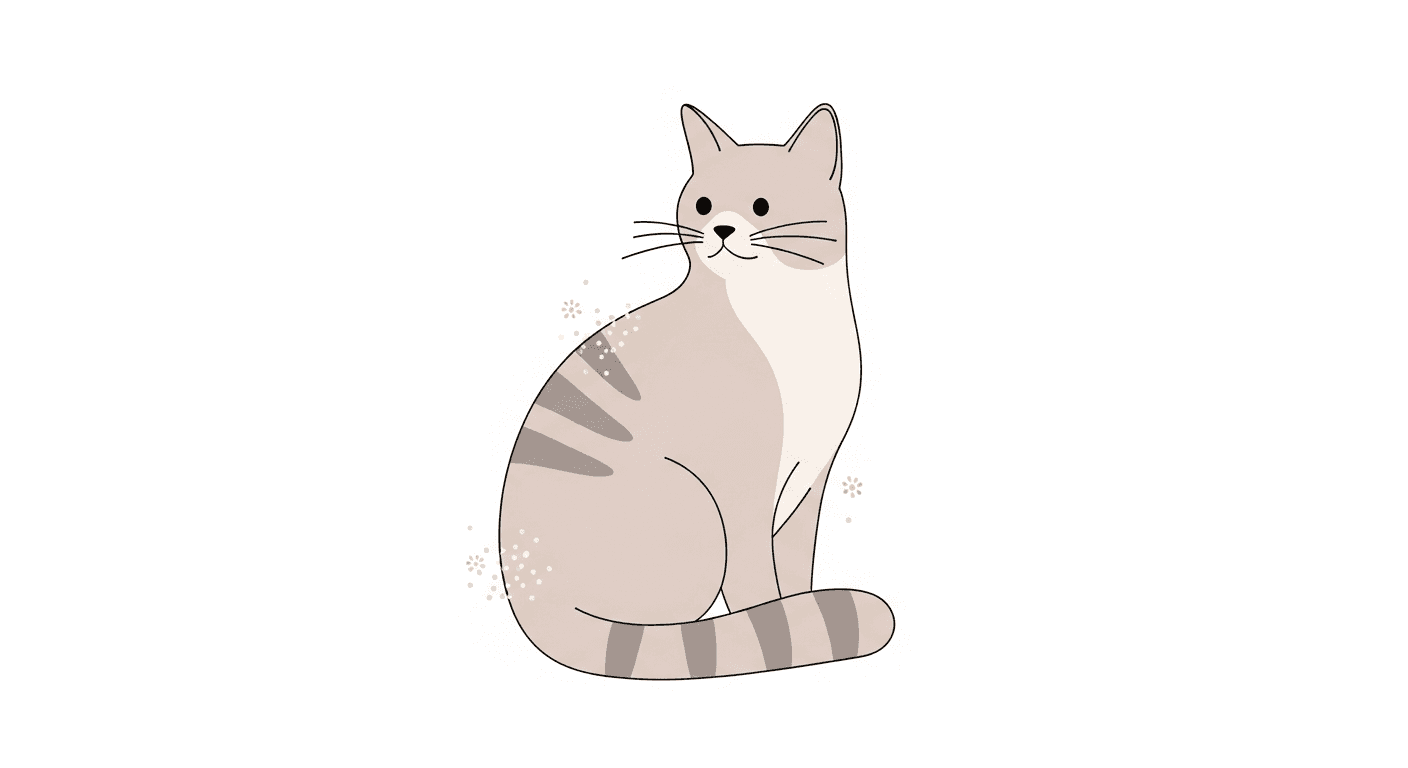
What Causes Dandruff in Cats?
Feline dandruff (seborrhea) is flaking of the outer skin layer, which gives the coat a dusty or snowy appearance. Most cases are secondary to an underlying cause rather than primary skin disease. The most common reasons include low humidity (especially in winter with central heating), poor diet lacking essential fatty acids, obesity (overweight cats can't reach their back to groom, leading to scale buildup), dehydration, parasites (cheyletiella — known as "walking dandruff"), and fungal infections including ringworm.
Walking dandruff (cheyletiella) deserves special mention — these mites are visible to the naked eye as moving white dots, and they can be transmitted to humans.
First 3 Steps to Take at Home
- Improve the diet: Add an omega-3 fatty acid supplement (fish oil) designed for cats to the diet. Omega-3s significantly improve skin barrier function within 4–8 weeks.
- Increase humidity: A humidifier in winter reduces skin dryness dramatically. Target humidity of 45–55% indoors.
- Look for moving flakes: If flakes appear to move under a magnifying glass, cheyletiella mites are likely present. This requires treatment for all pets in the household and a vet visit.
When to Go to the Vet Immediately
- Dandruff accompanied by itching, hair loss, or skin redness
- Moving flakes (cheyletiella — all pets must be treated and household cleaned)
- Circular patches of scaling with central hair loss (ringworm — which is transmissible to humans)
- Dandruff in a recently adopted kitten or cat
Follow-Up Care Checklist
- Brush regularly to remove dead skin cells and stimulate oil distribution through the coat
- If obesity is a factor, work with your vet on a structured weight-loss plan — this alone often resolves grooming-related dandruff
- Use a veterinary medicated shampoo for seborrhea only as prescribed — excessive bathing worsens dry skin
Track Skin Changes with TailRounds
Log grooming frequency, diet changes, and dandruff observations in the TailRounds Daily Log. This helps confirm whether dietary or environmental changes are making a difference.
Book a Vet Appointment
Persistent dandruff despite home care warrants a skin exam. Book at Happy Paws for a skin scraping to check for mites and an overall health assessment.
Summary for Your Clinic Visit
Note when dandruff started, whether the cat is itchy, what the current diet is, any recent changes in the home environment, and whether other pets or humans in the household have developed skin issues.
Continue Reading
 🐱 Cat Health
Itchy Cat: Allergies, Parasites, and Skin Disease Explained
An itchy cat scratches, bites, and over-grooms itself. Discover the most common causes of feline pruritus and how each is treated.
 🐱 Cat Health
Cat Over-Grooming and Belly Licking: Causes and Solutions
Excessive licking and over-grooming in cats can be allergic, parasitic, or stress-related. Learn how to find the cause and stop the cycle.
 ✂️ Cat Care
Cat Obesity: How to Help Your Cat Lose Weight Safely
Over 50% of cats are overweight or obese. Learn why crash diets are dangerous for cats, and how to create a safe, effective weight-loss plan.
 ✂️ Cat Care
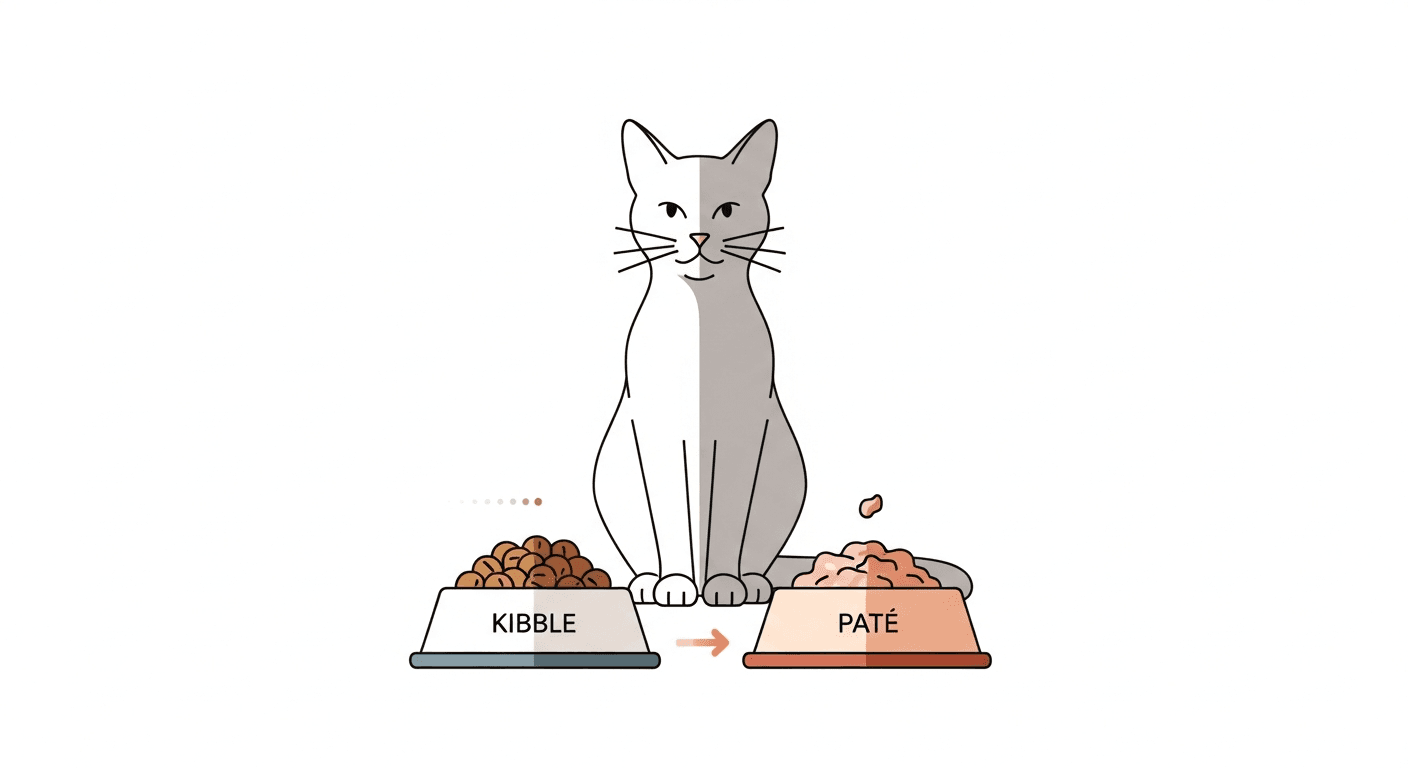
How to Change Your Cat's Food Without Causing Stomach Upset
Abrupt food changes cause vomiting and diarrhea in cats. Learn the right way to transition between foods, whether for medical reasons or a routine upgrade.