
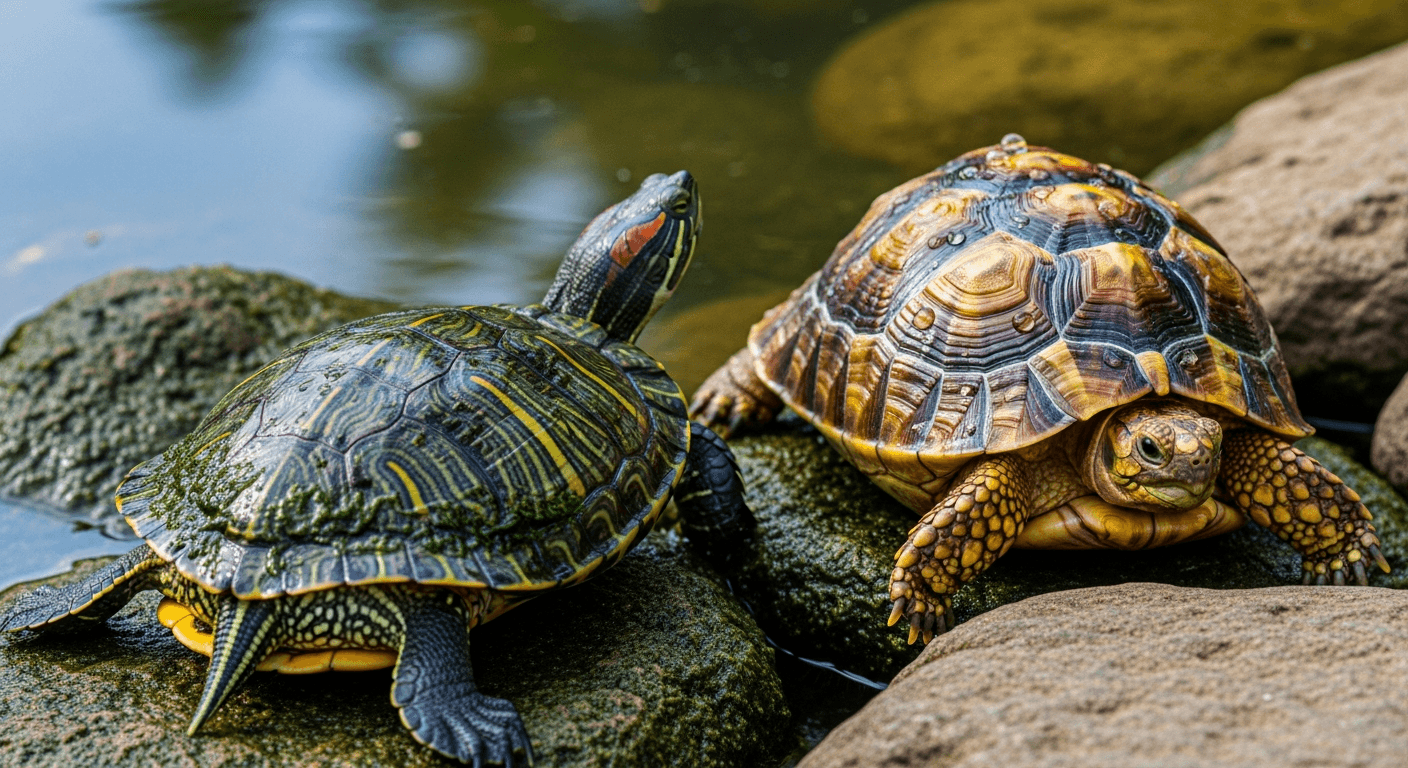
Turtle & Tortoise Health
Shell care, lighting, diet, and health guides for turtle and tortoise keepers of all experience levels.
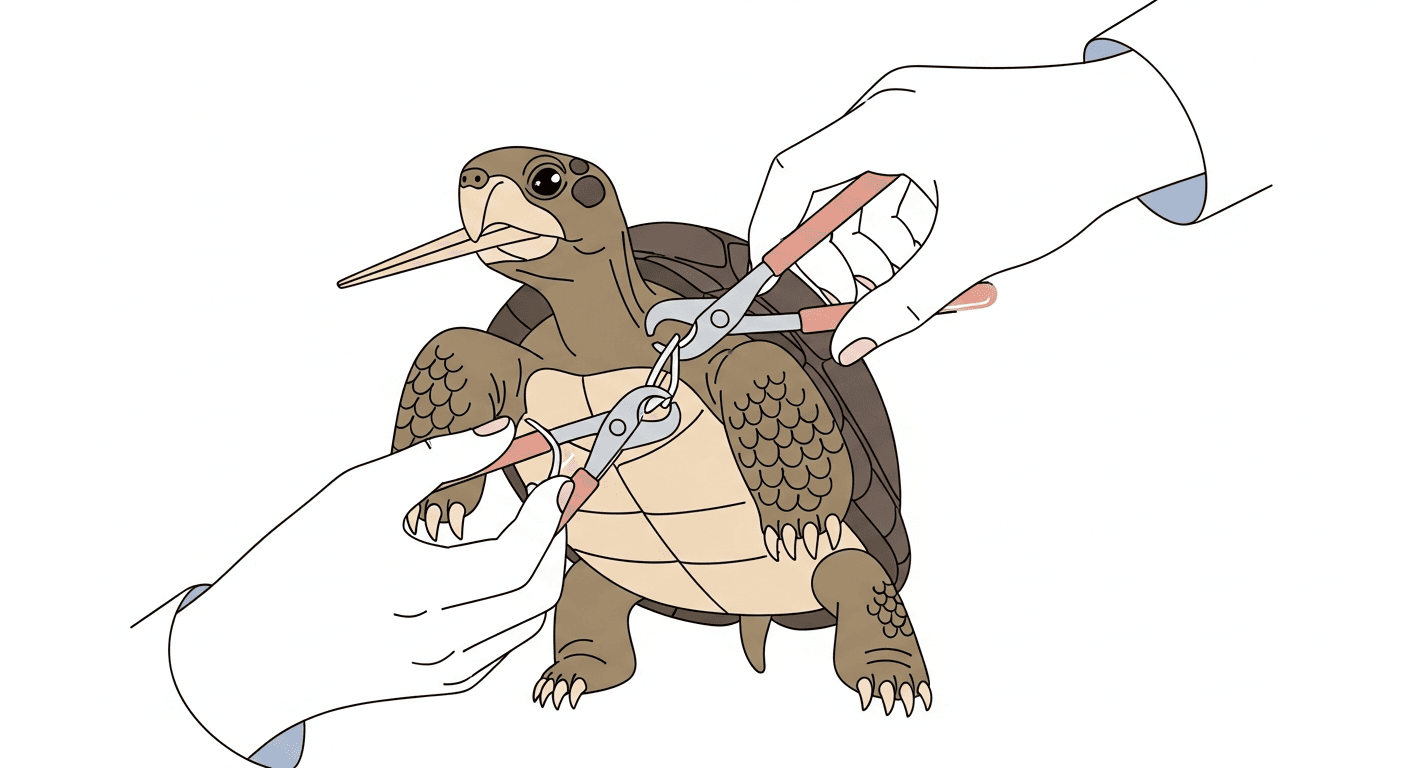
Nail and Beak Trimming for Turtles and Tortoises: When and How to Do It Safely
Overgrown nails and beaks are common in captive turtles and tortoises. Learn when trimming is necessary, how to do it safely at home, and when to leave it to the vet.
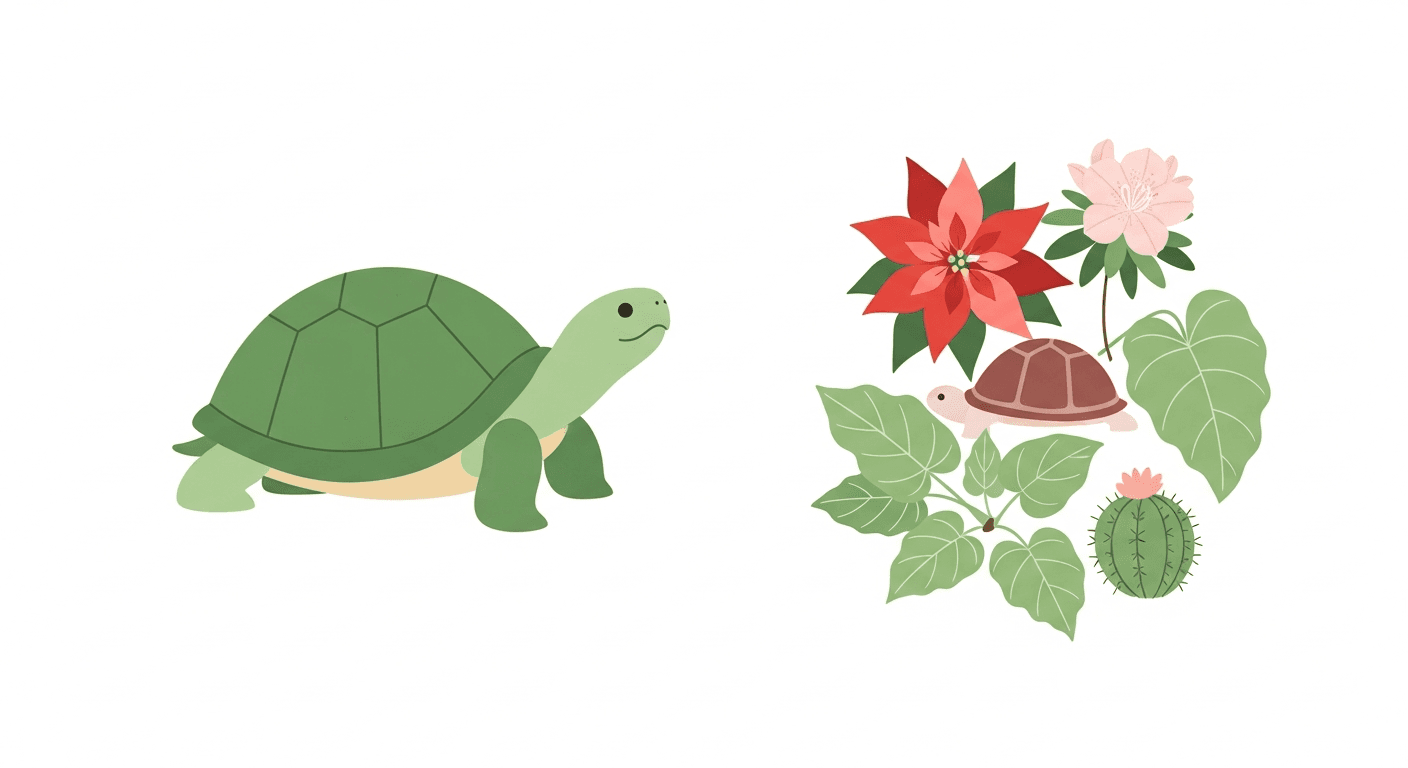
Toxic Plants for Tortoises: What to Remove From Your Garden and Home
Many common garden and household plants are toxic to tortoises. Learn which plants to remove from your tortoise's access area and which are safe to offer.
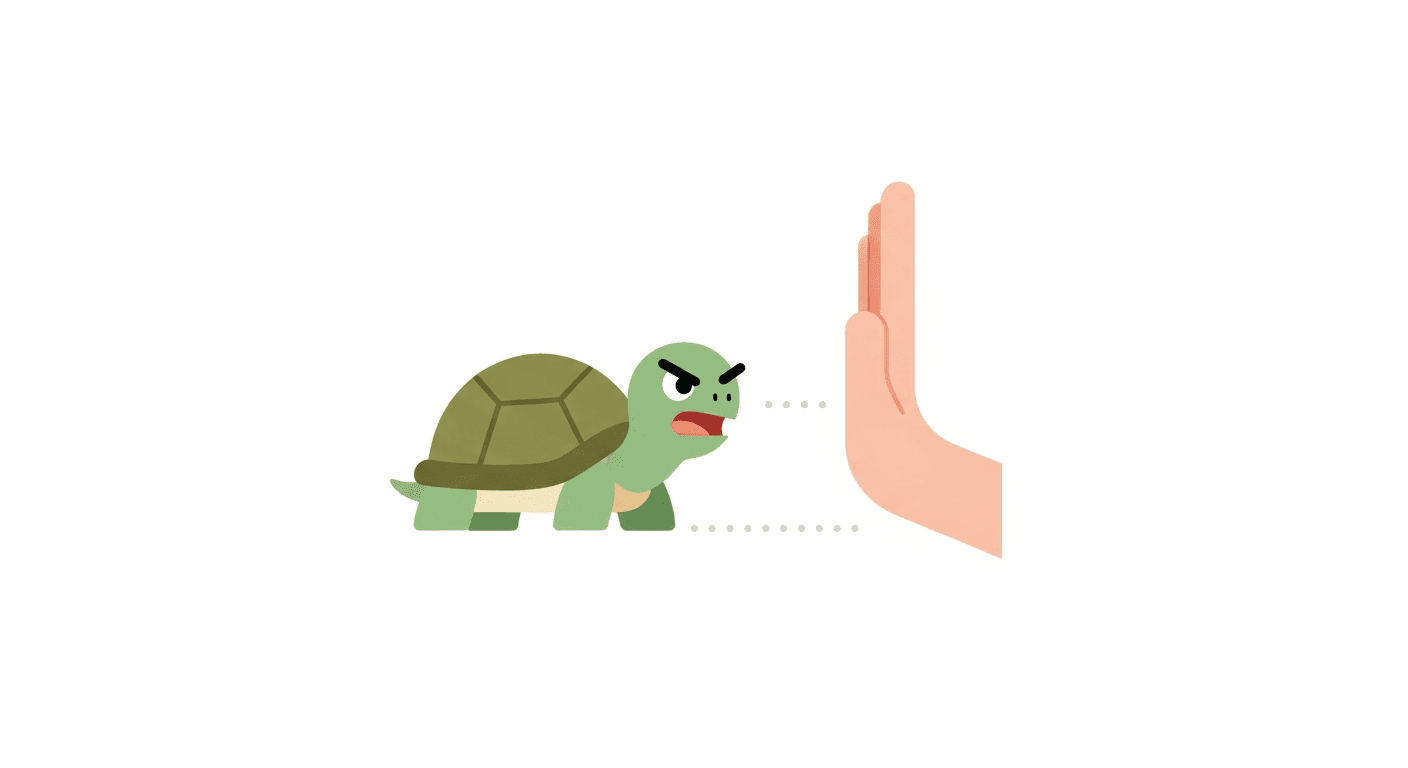
Turtle Aggression: Why Turtles Fight and How to Prevent Injuries
Turtles are not social animals and cohabitation frequently causes serious injury. Learn why turtles become aggressive, when cohabitation is viable, and how to manage aggression safely.

Mouth Rot in Turtles (Stomatitis): Signs, Causes, and Treatment
Mouth rot (infectious stomatitis) is a bacterial infection of the mouth that causes pain, appetite loss, and can progress to life-threatening septicemia. Learn to recognize it early.
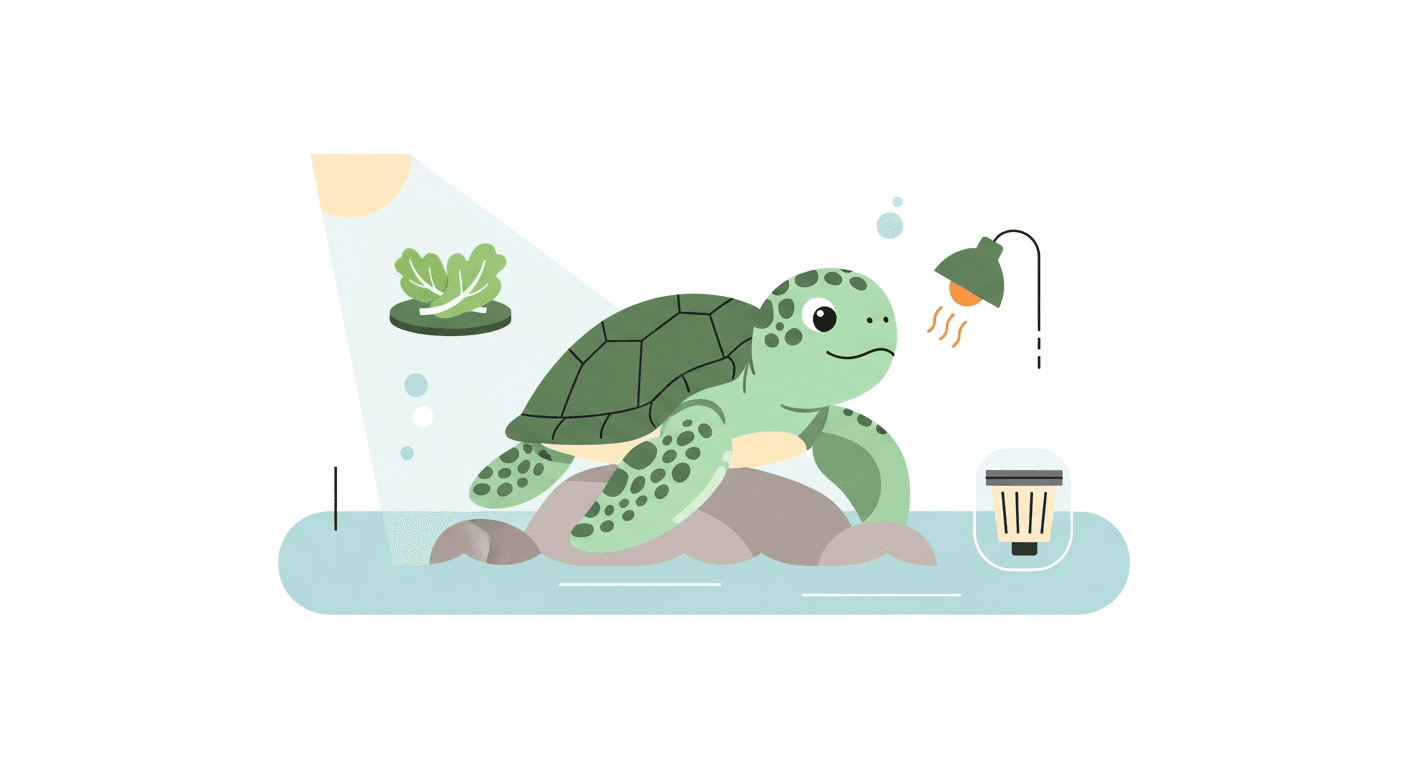
Daily Care Checklist for Turtles and Tortoises: Building Habits That Prevent Disease
Consistent daily care prevents most common turtle health problems. Use this checklist to build a daily routine that catches problems early and maintains long-term health.
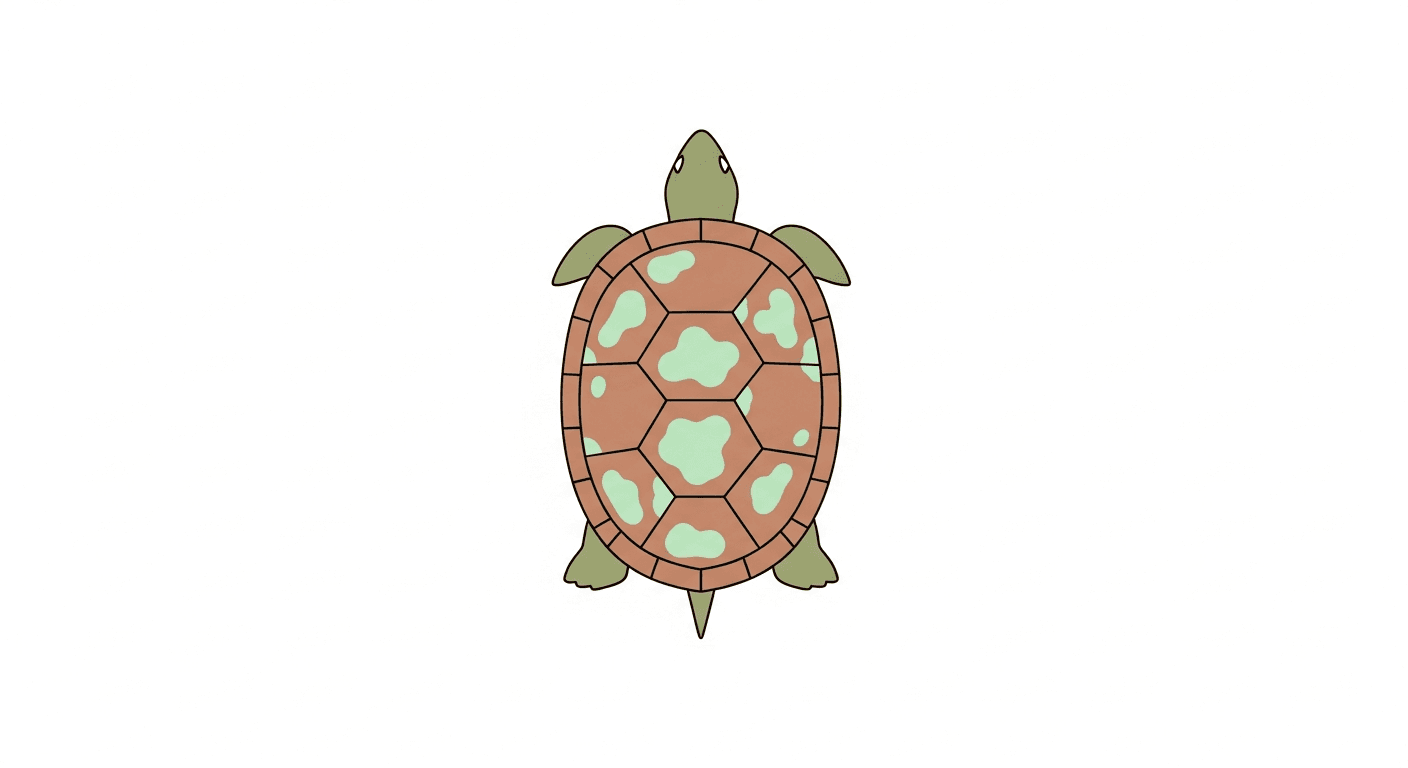
Fungal Infections in Aquatic Turtles: Causes, Treatment, and Prevention
Fungal infections are common in aquatic turtles with poor water quality or immune suppression. Learn to identify Saprolegnia and other fungi, and what treatment requires.
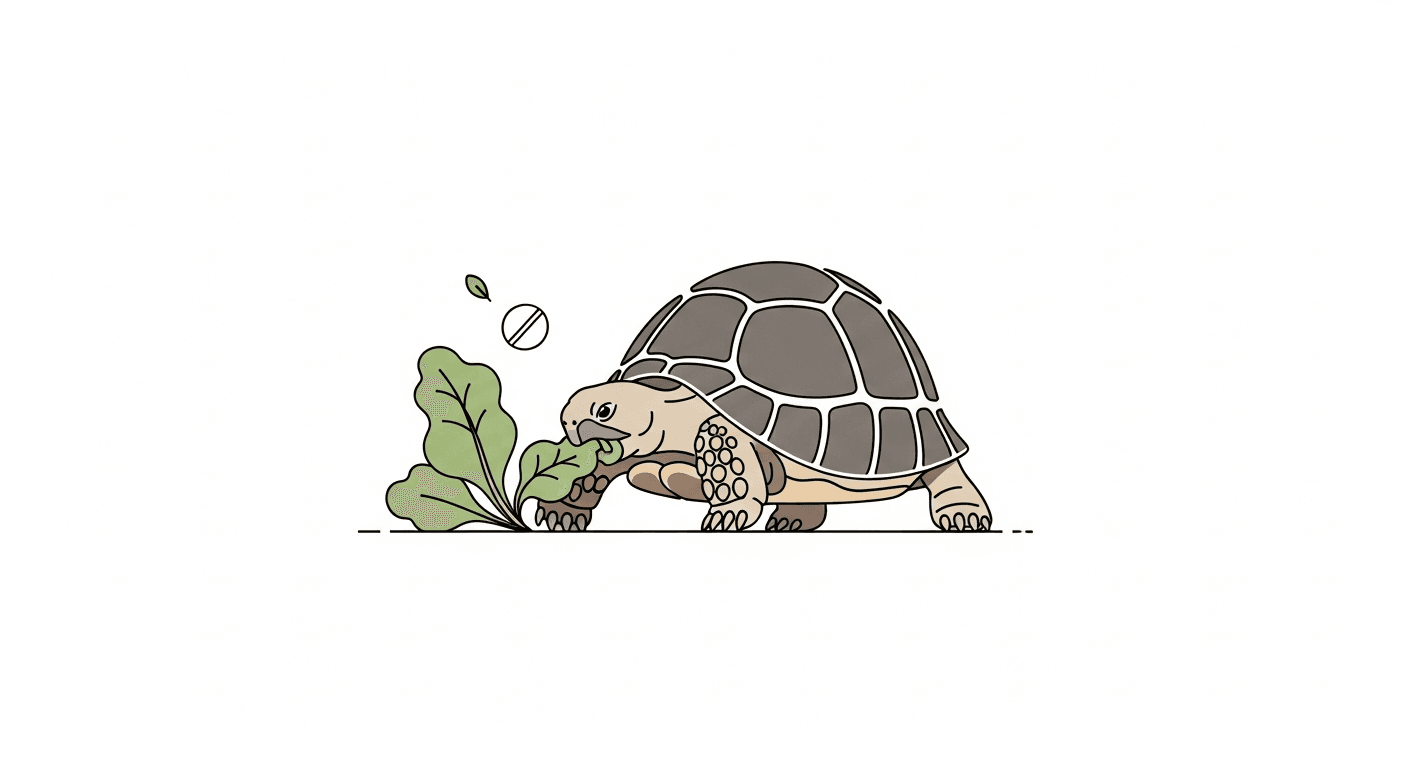
Calcium Supplementation for Tortoises: How, When, and How Much
Calcium deficiency is behind most metabolic bone disease in tortoises. Learn the right products, dosing frequency, and how to avoid over-supplementation.
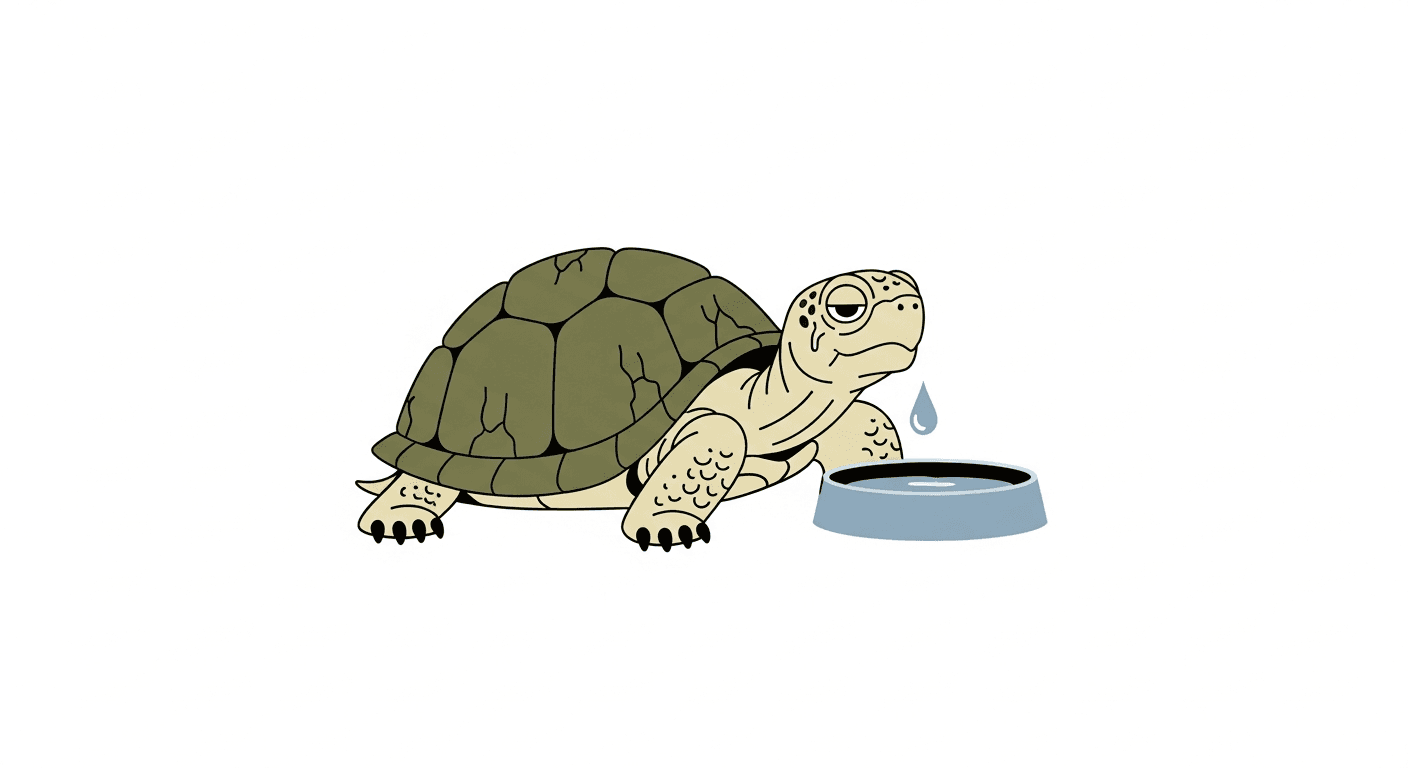
Dehydration in Turtles and Tortoises: Signs, Causes, and How to Rehydrate
Dehydration is common and serious in captive turtles. Learn to recognize it early, understand the causes, and know when home treatment is sufficient versus when vet care is needed.
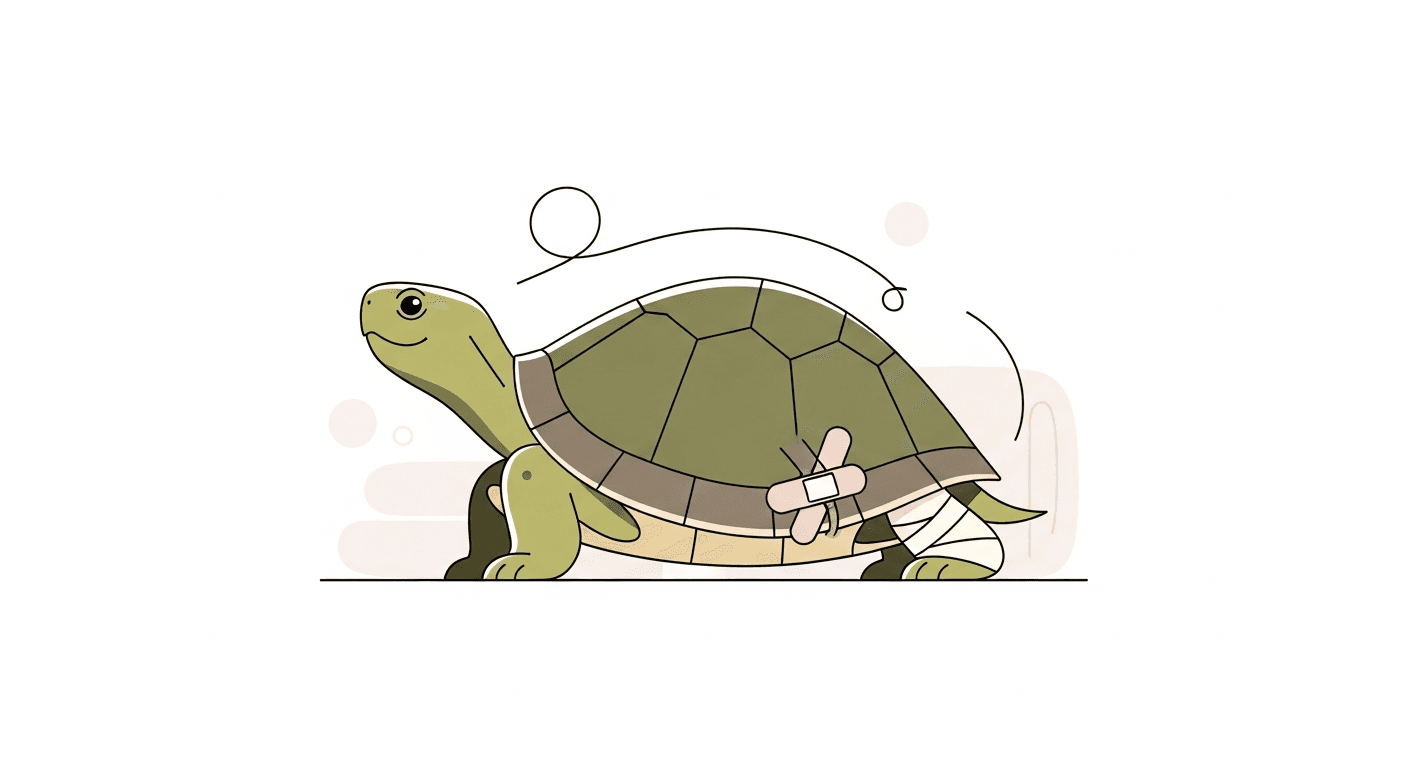
Caring for Your Turtle After Surgery: Recovery Steps and What to Watch For
Post-surgical recovery in turtles requires careful wound management, temperature control, and feeding support. Learn how to ensure the best recovery outcome at home.
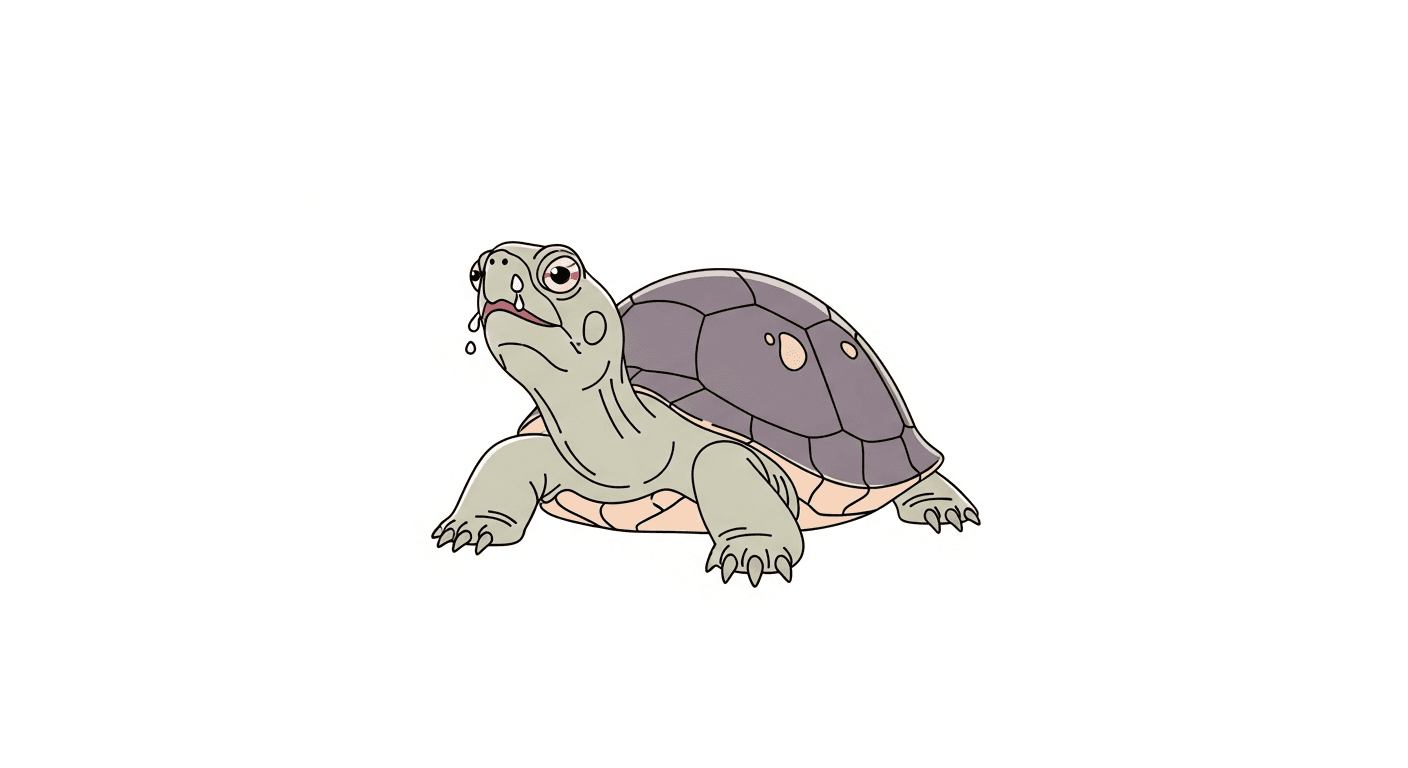
Turtle Emergency Signs: Recognize Critical Illness and Act Fast
Certain turtle and tortoise symptoms require immediate veterinary attention. This guide covers the emergency signs that cannot wait and how to prepare for rapid transport.
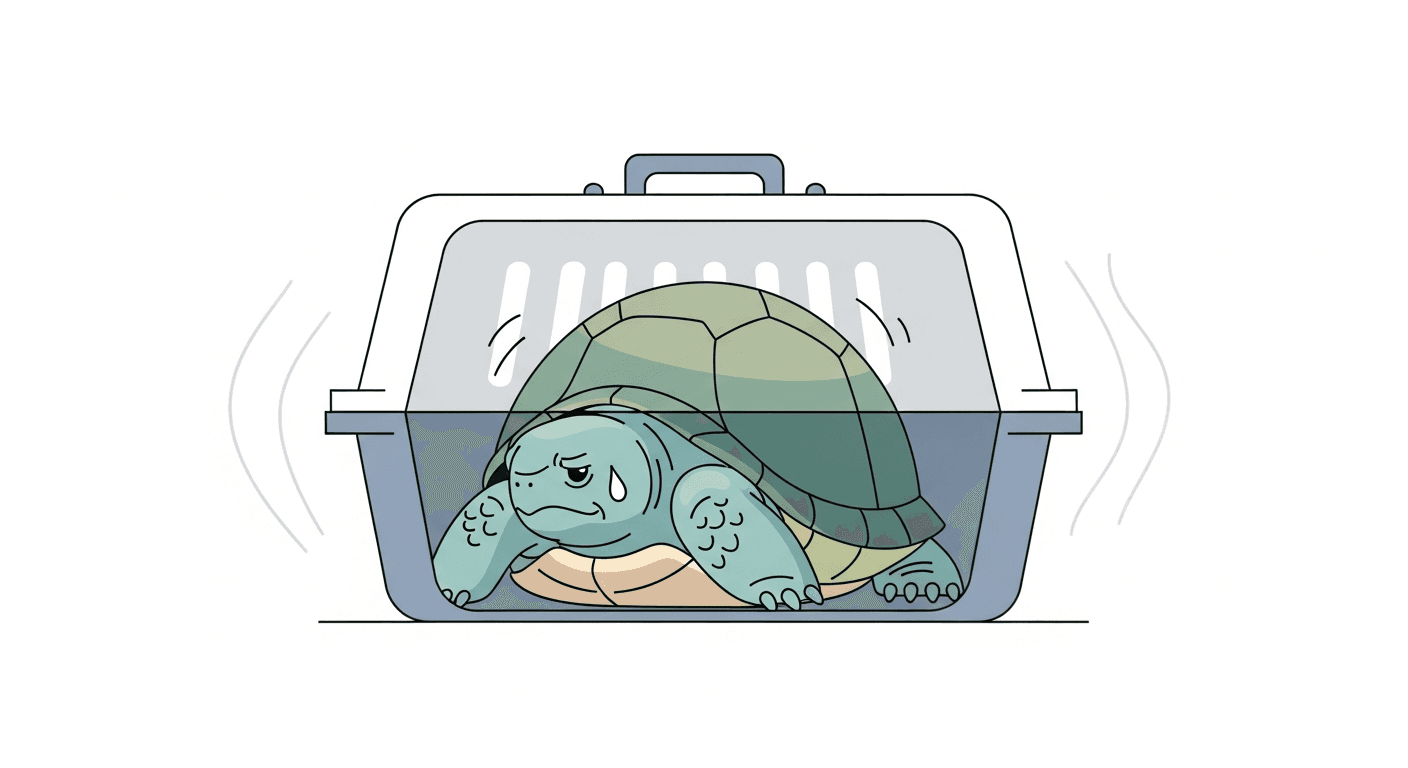
Transporting Turtles and Tortoises: Reducing Stress and Avoiding Common Mistakes
Travel is stressful for reptiles. Learn how to transport turtles and tortoises safely, maintain temperature during transport, and minimize the health risks of travel.
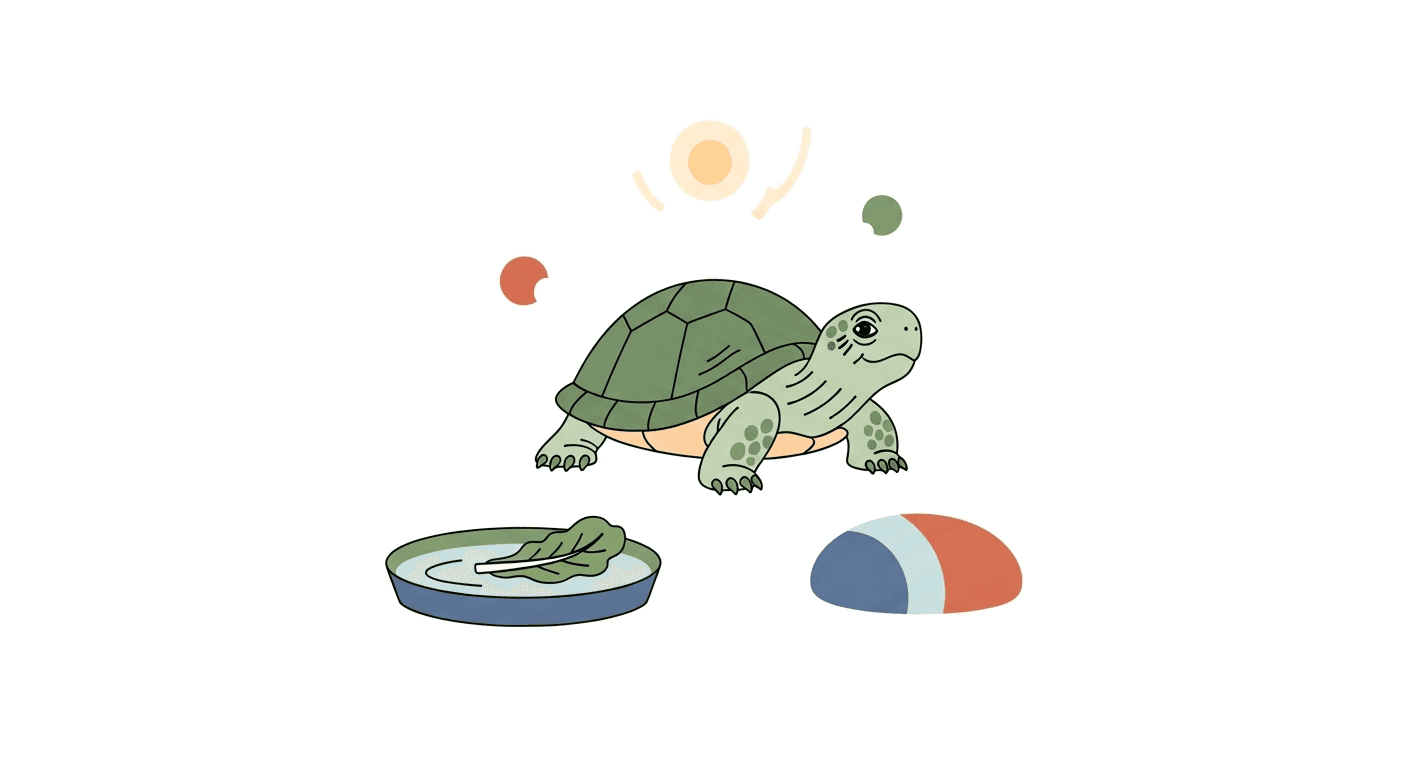
Senior Turtle and Tortoise Care: How Their Needs Change With Age
Older turtles and tortoises develop age-related health changes that require adjusted care. Learn what to watch for and how to support a healthy old age for your chelonian.
New Turtle Owner Guide: Everything You Need Before Bringing a Turtle Home
Turtles require specialized care that most pet stores don't explain. This complete guide covers what to research, what equipment you need, and the first steps after bringing your turtle home.
Lethargy in Turtles: How to Tell Rest From Illness
Turtles naturally rest for long periods, making it hard to detect genuine lethargy. Learn the signs that distinguish healthy rest from illness-related inactivity.
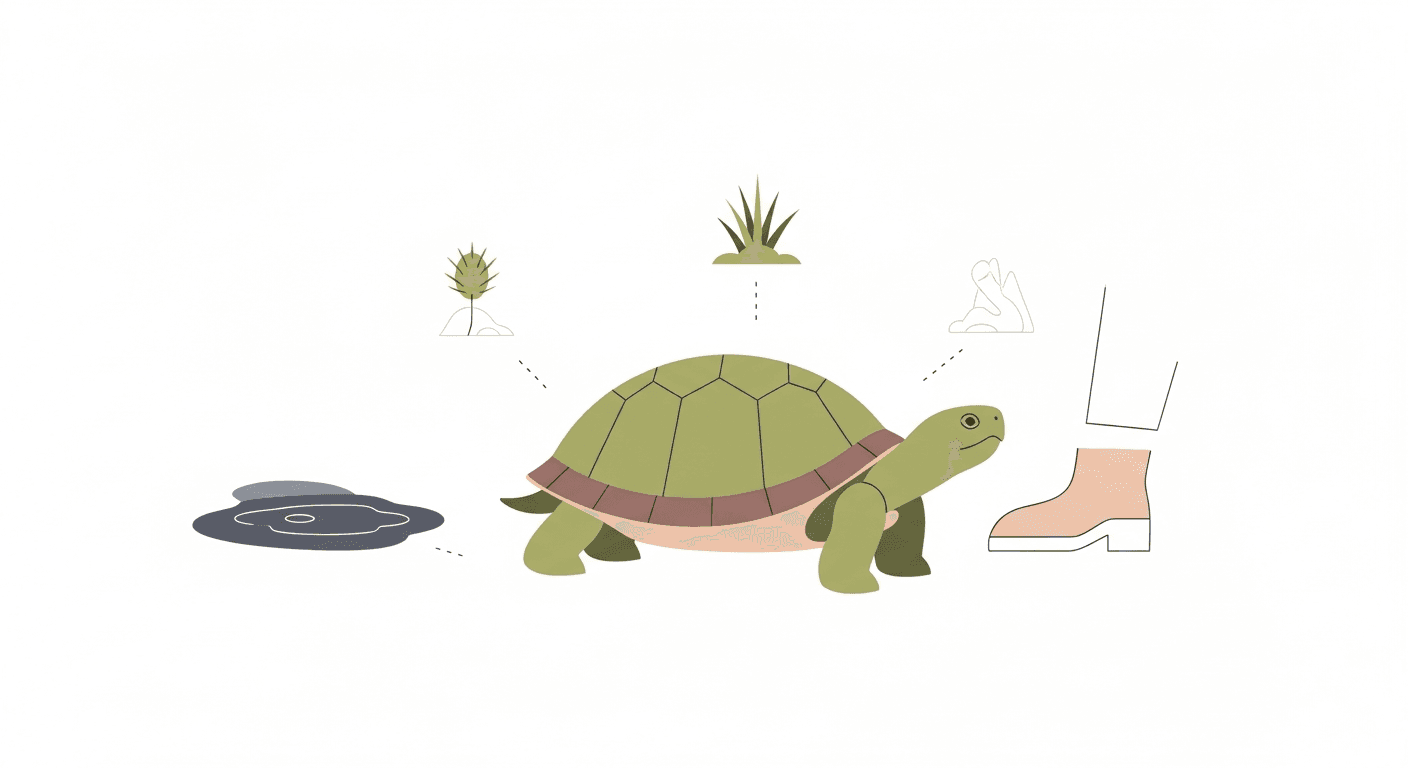
Outdoor Time for Turtles and Tortoises: Benefits, Hazards, and Safety Rules
Natural sunlight and outdoor access offer huge health benefits for turtles. Learn how to provide outdoor time safely, including predator protection and temperature management.

Swollen Limbs and Neck in Turtles: Causes and What to Do
Swelling of the legs, neck, or face in turtles can indicate infection, vitamin deficiency, or kidney disease. Learn what the swelling location tells you and when to seek help.
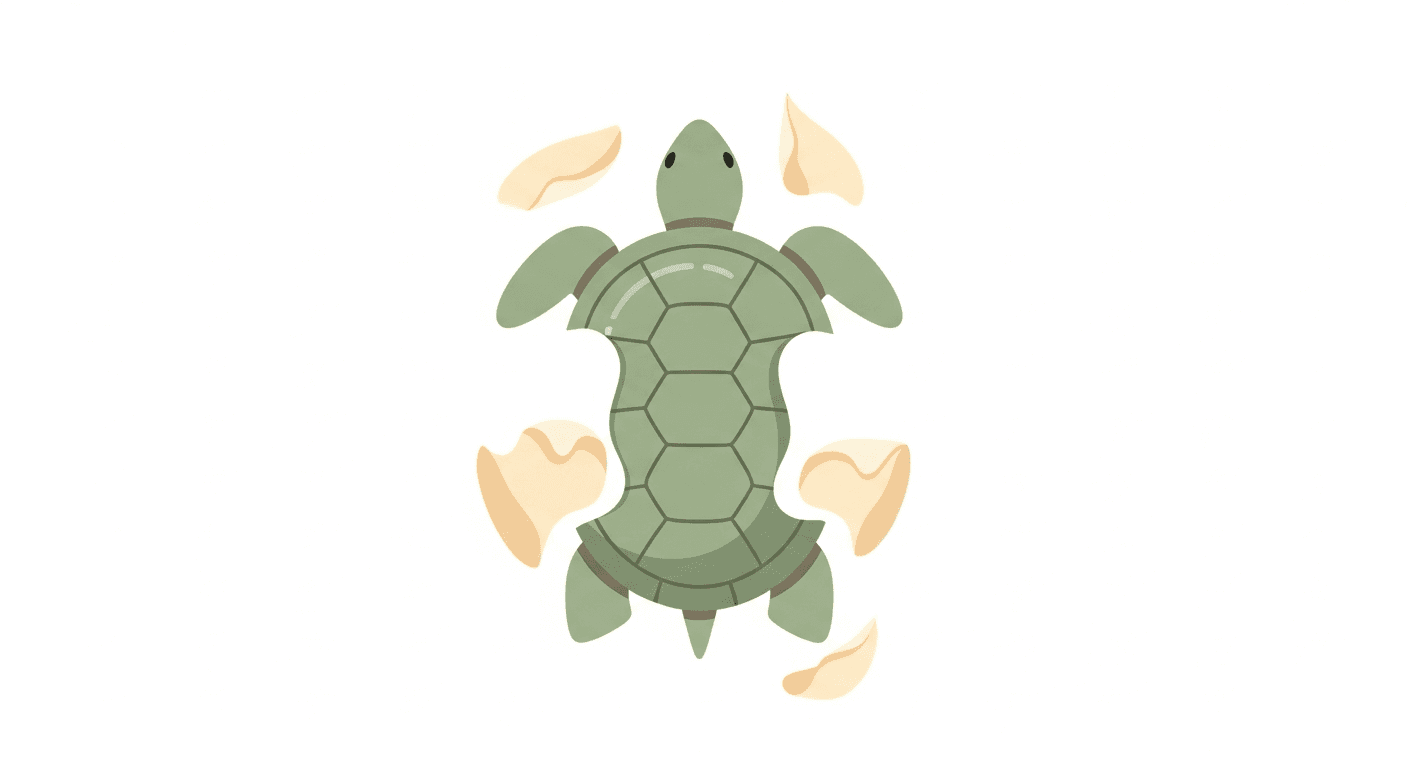
Turtle Skin Shedding: Normal Sloughing vs. Signs of Disease
Turtles shed both scutes and skin as they grow. Learn what normal shedding looks like, when it indicates a problem, and how poor water quality affects shedding in aquatic species.
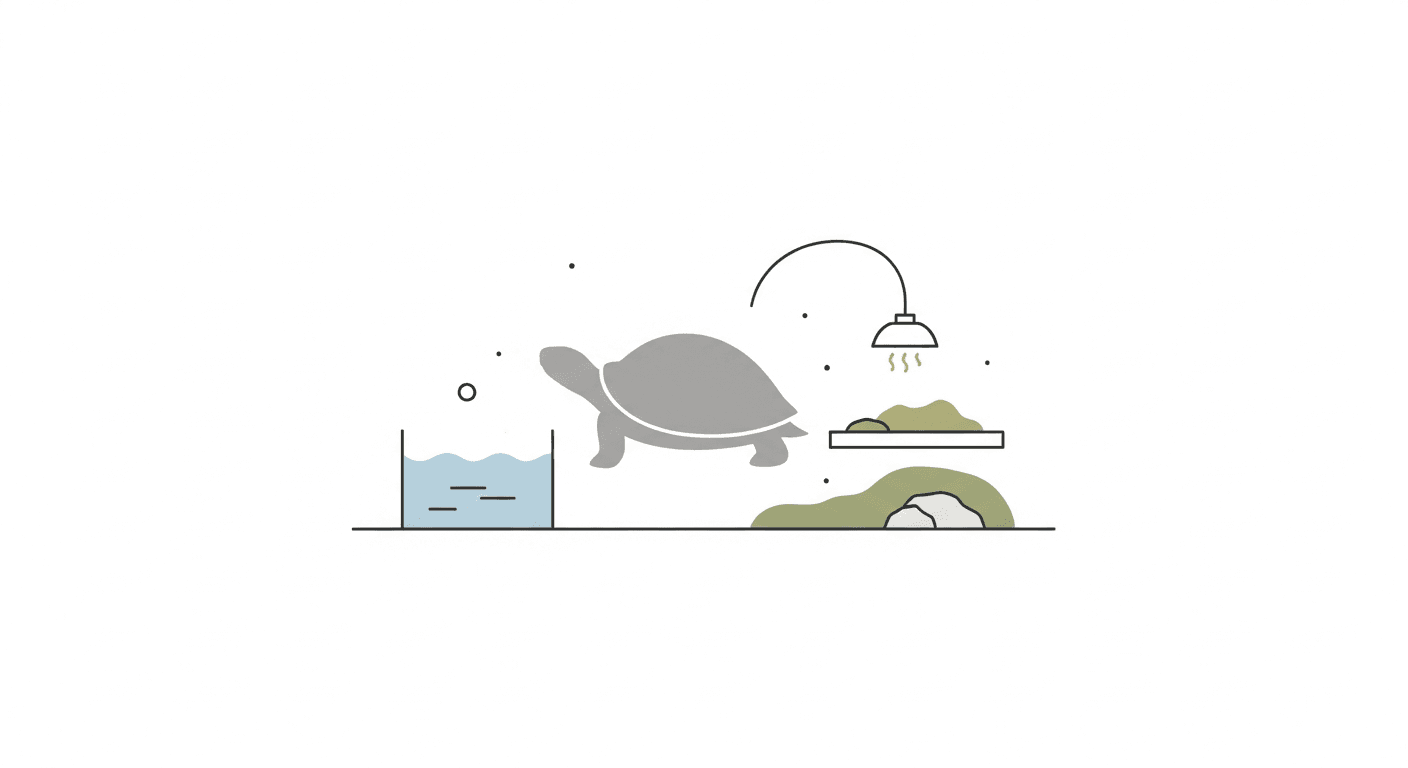
Turtle and Tortoise Housing: Species-Specific Requirements for Tanks, Terrariums, and Outdoor Pens
Turtles and tortoises have very different housing needs. This guide covers space, substrate, temperature gradients, humidity, and outdoor setups for the most common pet species.

Monitoring Your Turtle's Weight: Why It Matters and How to Do It Right
Regular weight monitoring is the most reliable way to catch health problems early in turtles. Learn how often to weigh, what changes mean, and the Jackson Ratio for tortoises.
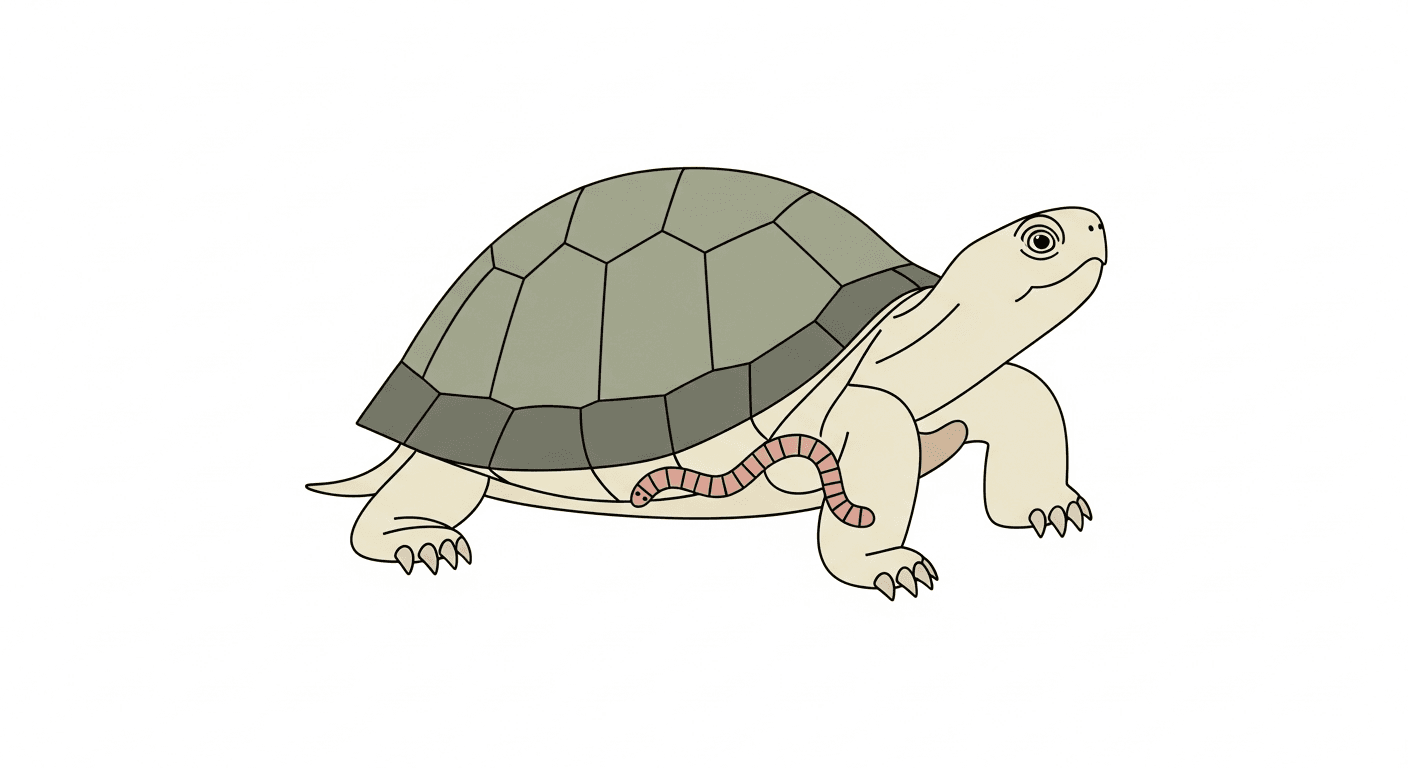
Parasites in Turtles: Internal and External Worms, Mites, and How to Treat Them
Most wild-caught and many captive-bred turtles carry parasites. Learn how to detect internal and external parasites and what treatment your vet will recommend.
Egg Binding in Female Turtles and Tortoises: Signs, Urgency, and Treatment
A gravid female turtle unable to lay eggs faces a life-threatening situation. Learn to recognize egg binding, understand why it happens, and know when emergency care is essential.
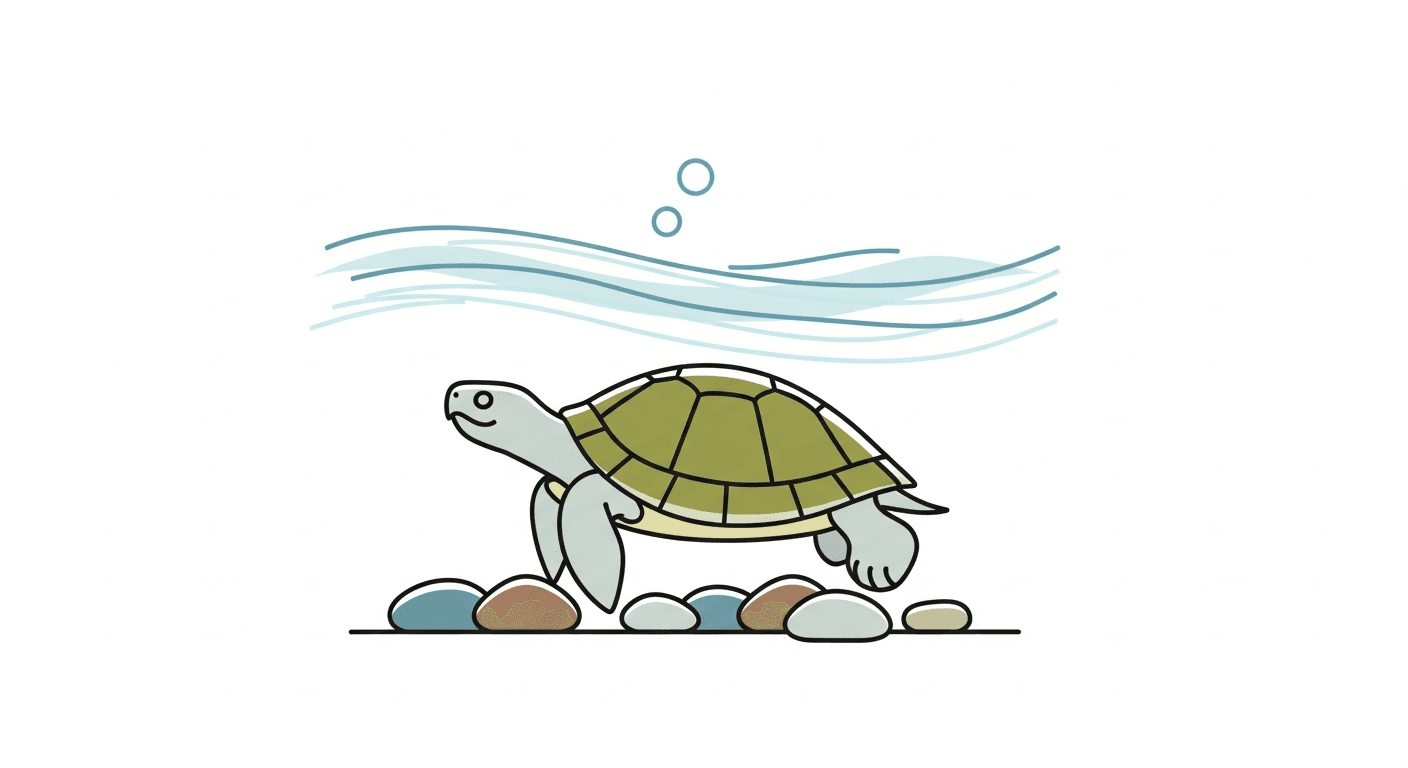
Water Quality for Aquatic Turtles: Parameters, Filtration, and Preventing Disease
Poor water quality is the leading cause of illness in aquatic turtles. Learn the key parameters, filtration requirements, and maintenance schedule to keep your turtle healthy.
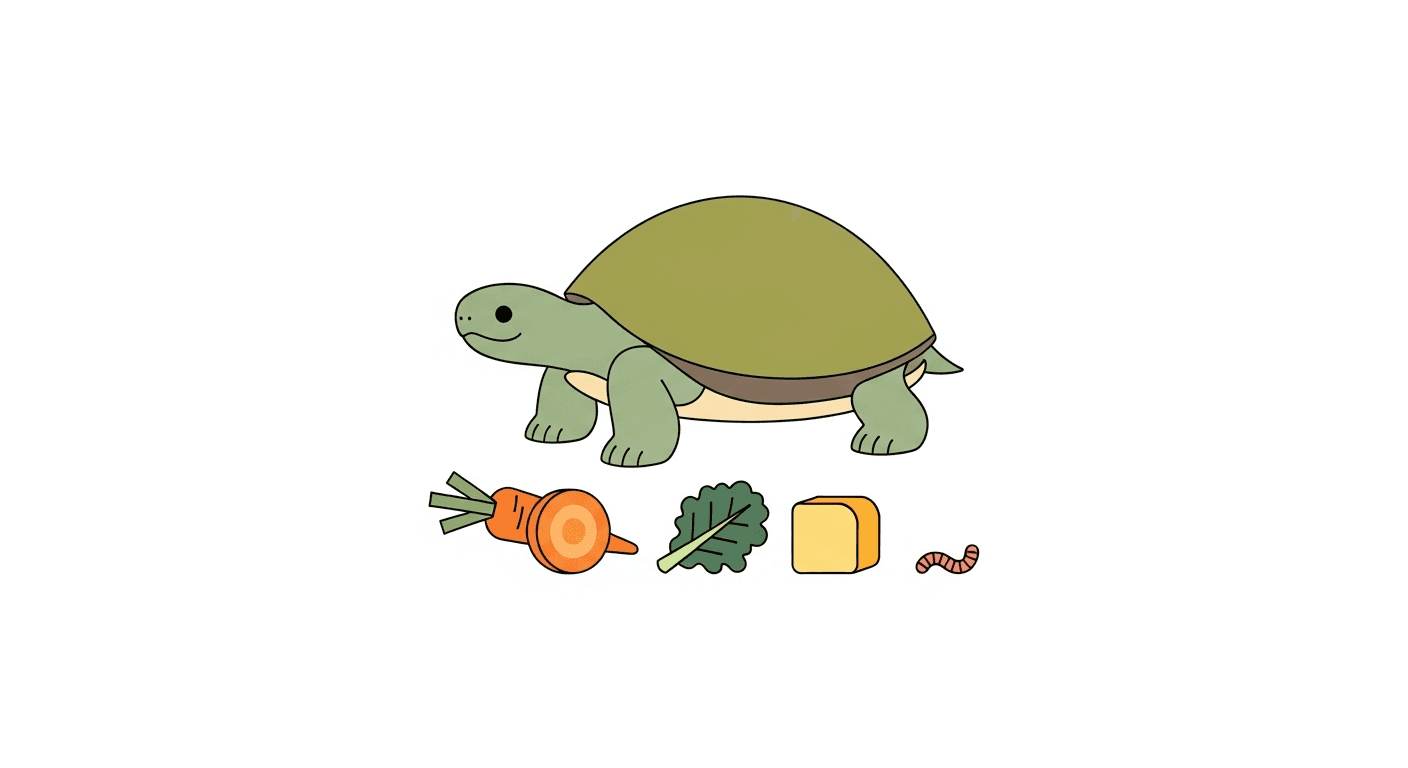
Complete Turtle and Tortoise Diet Guide: What to Feed by Species
Feeding requirements vary enormously between turtle species. This guide covers aquatic turtles, box turtles, and tortoises with practical food lists and common mistakes to avoid.
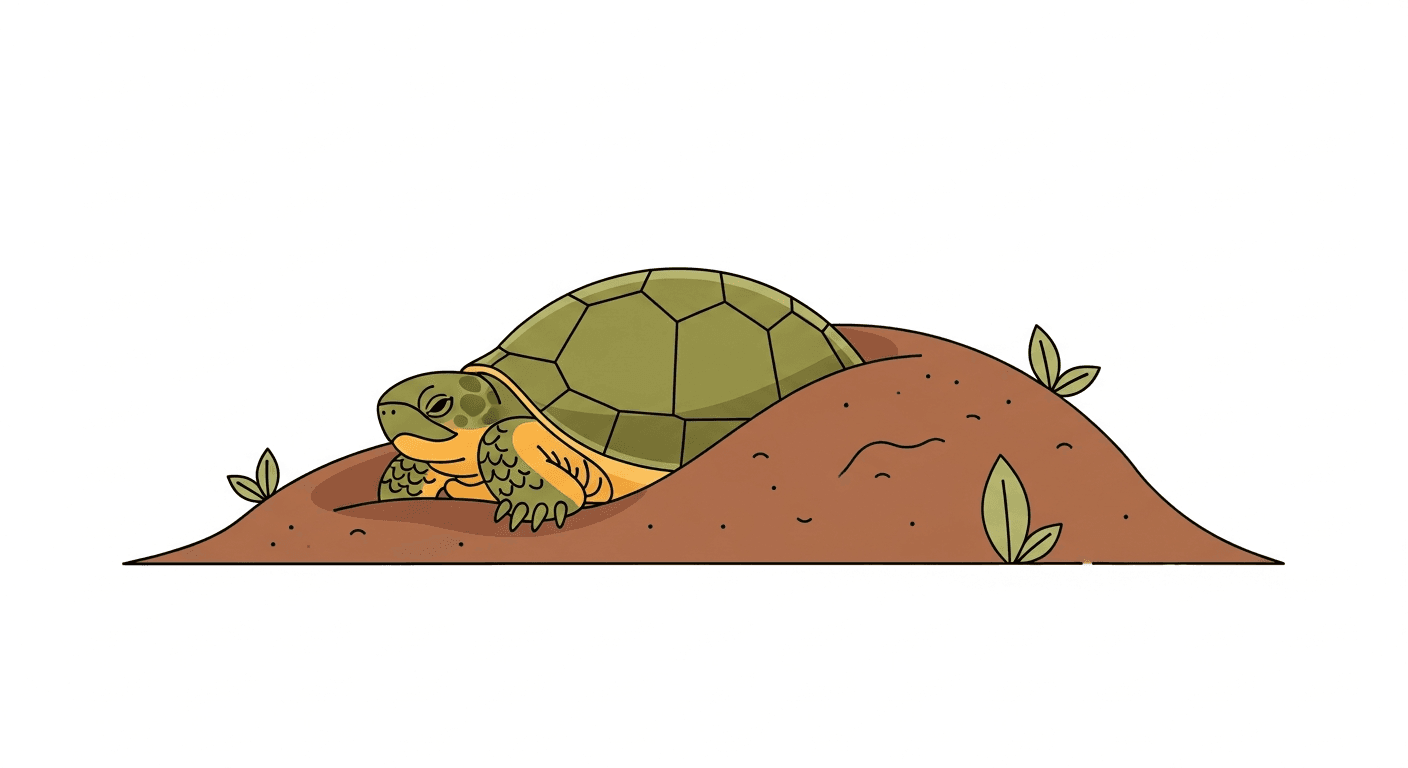
Turtle and Tortoise Hibernation (Brumation): A Safe Guide for Pet Owners
Brumation is a natural survival behavior but requires careful management in captivity. Learn when it is safe, when to skip it, and how to prevent fatalities during winter dormancy.
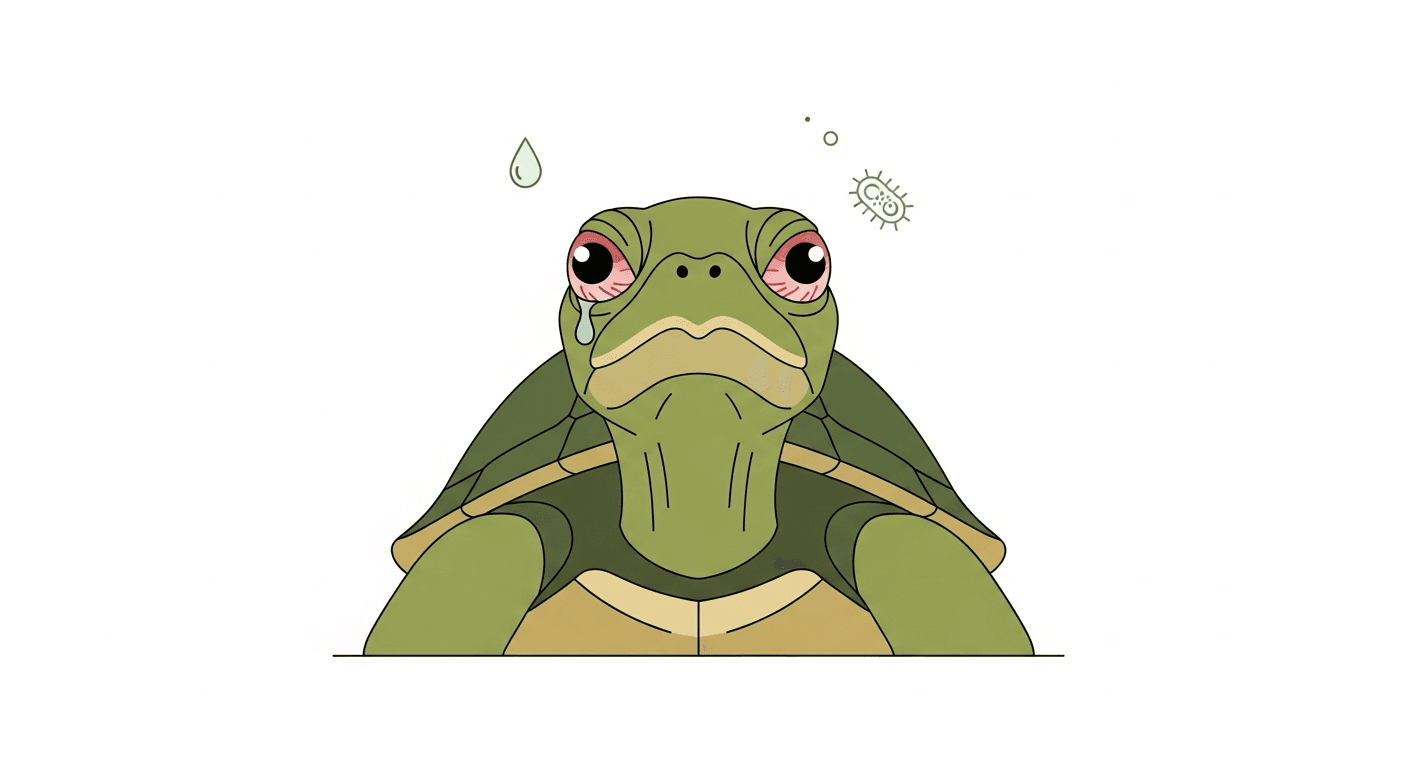
Turtle Eye Problems: Swollen Eyes, Discharge, and What to Do
Eye problems in turtles range from vitamin A deficiency to infections. Learn the common causes, home assessment steps, and when to seek urgent veterinary care.
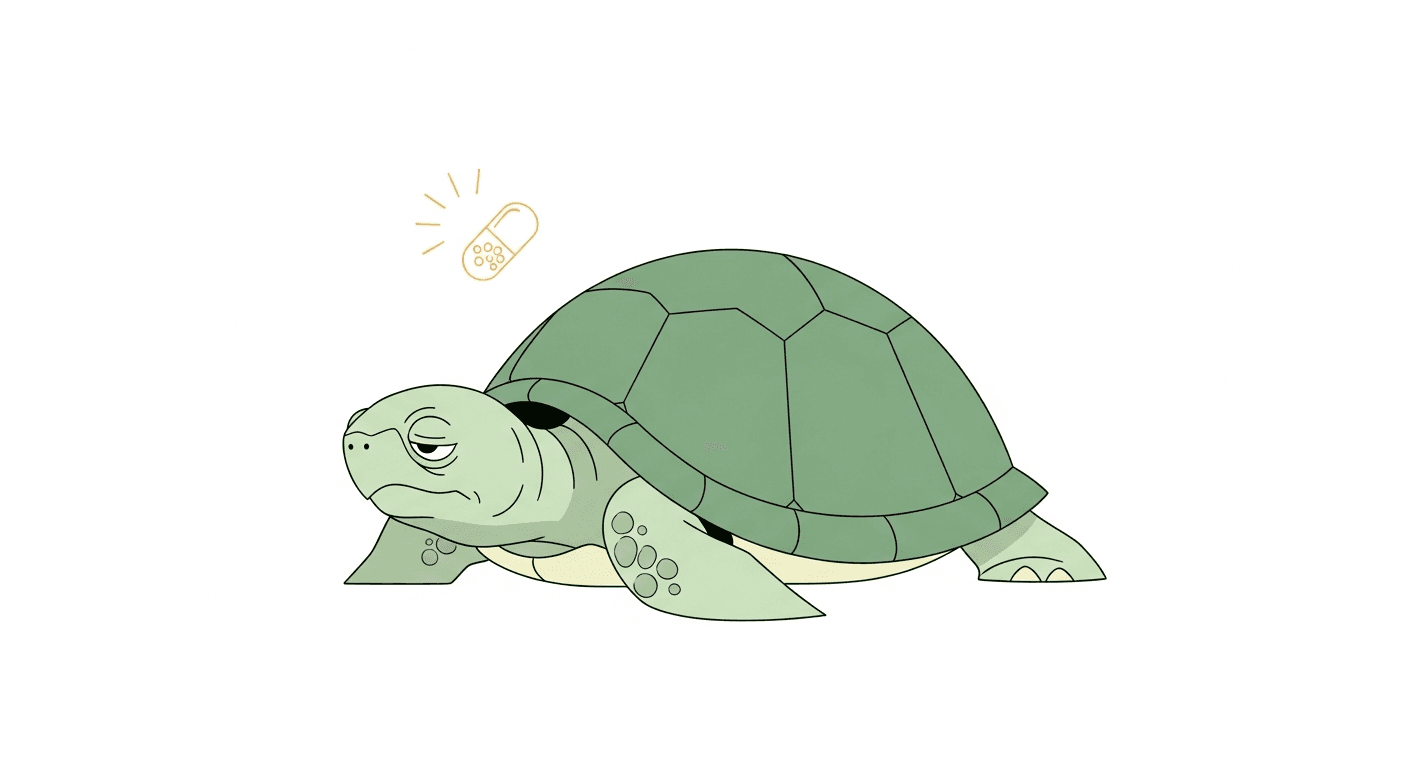
Vitamin Deficiencies in Turtles: Vitamin A, D3, and Calcium Explained
Nutritional deficiencies cause most preventable illness in captive turtles. Learn which vitamins matter most, how deficiency presents, and how to correct it safely.
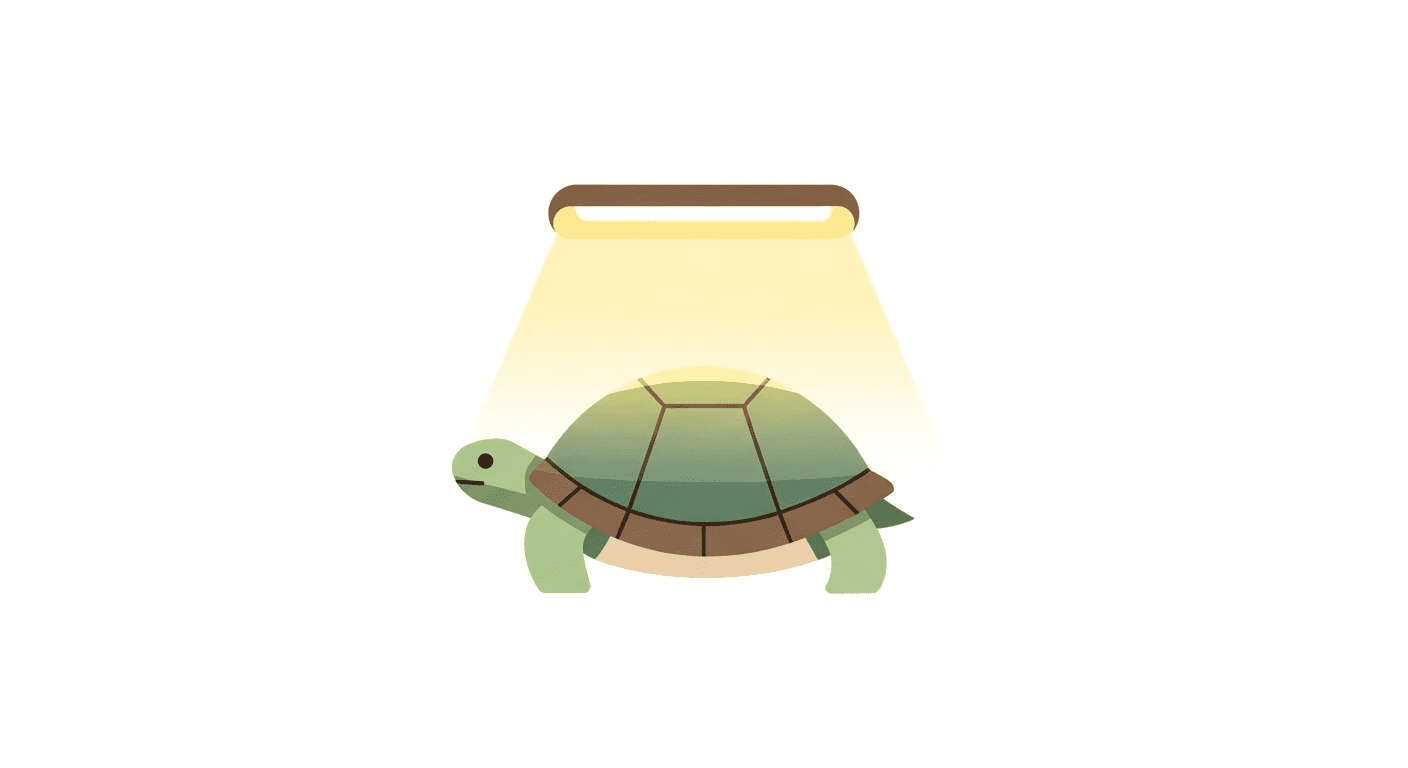
UVB Lighting for Turtles and Tortoises: Getting It Right to Prevent Disease
UVB is essential for turtle health and most problems in captive turtles trace back to inadequate UVB. Learn how to choose, install, and replace UVB lighting correctly.
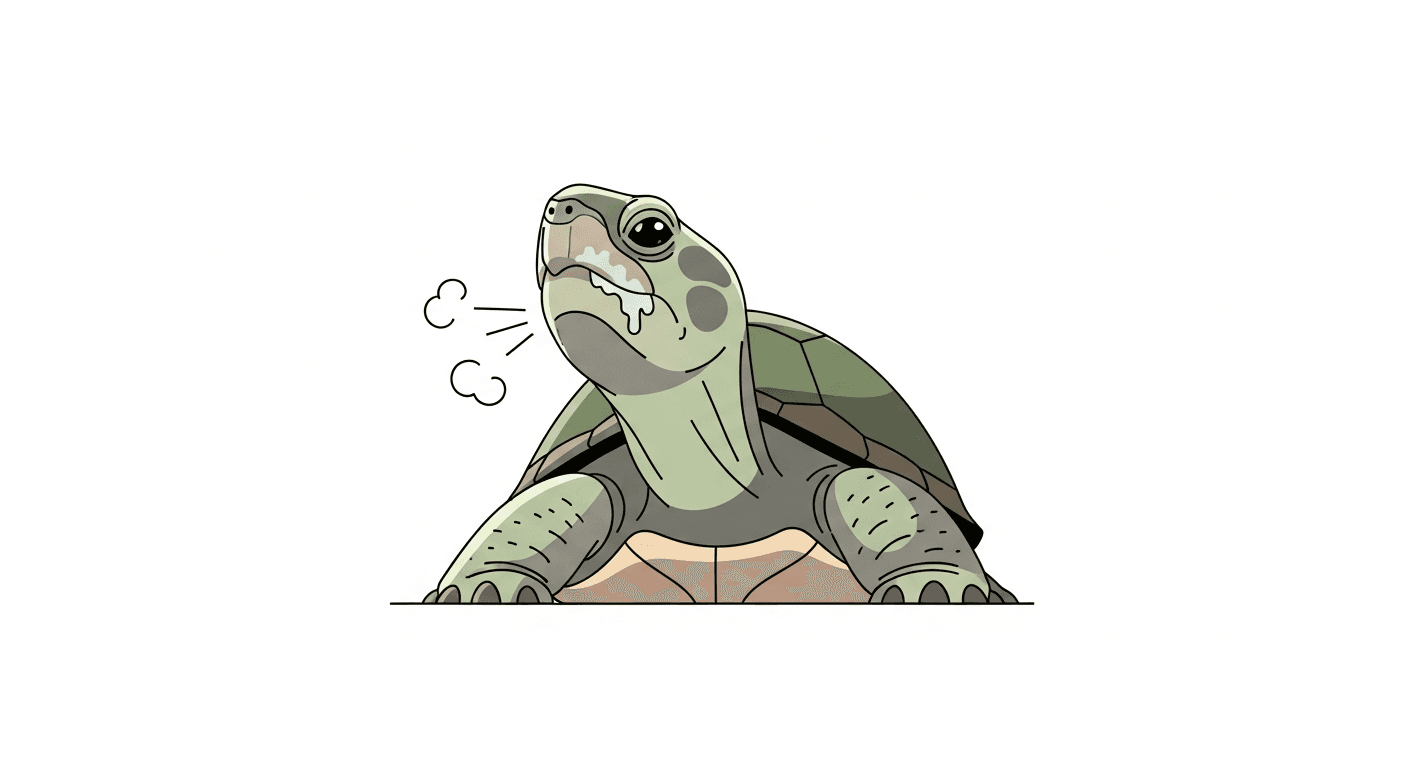
Respiratory Infection in Turtles: Signs, Causes, and Treatment
Respiratory infections are common and serious in turtles. Recognize the early signs, understand why they occur, and learn when emergency care is essential.
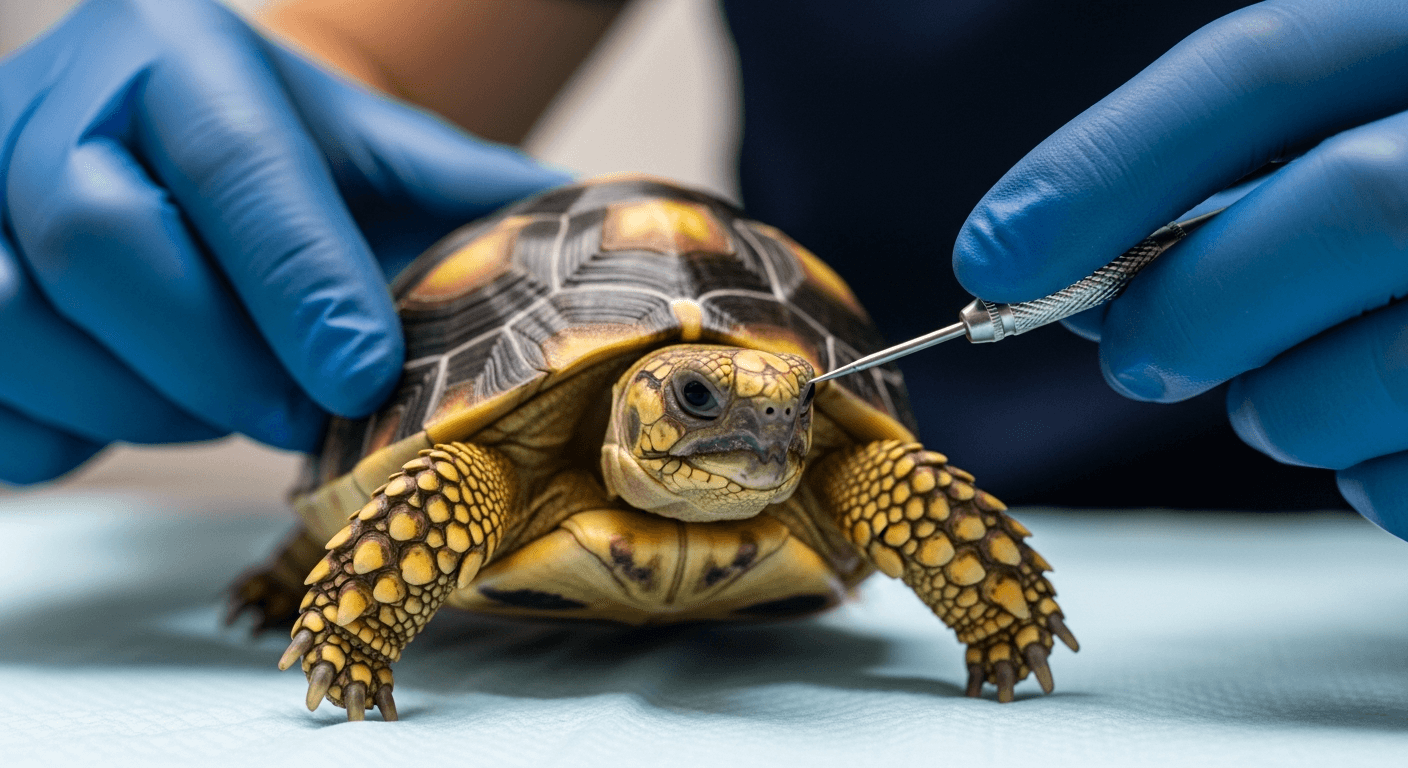
Turtle Shell Problems: Soft Shell, Shell Rot, and Pyramid Scutes Explained
The shell is a turtle's most visible health indicator. Learn to recognize soft shell (metabolic bone disease), shell rot, injuries, and what each requires in terms of treatment.

My Turtle Won't Eat: Causes, What to Check at Home, and When to See a Vet
A turtle refusing food may be hibernating, stressed, or ill. Learn how to tell the difference and when refusal to eat requires immediate veterinary attention.