
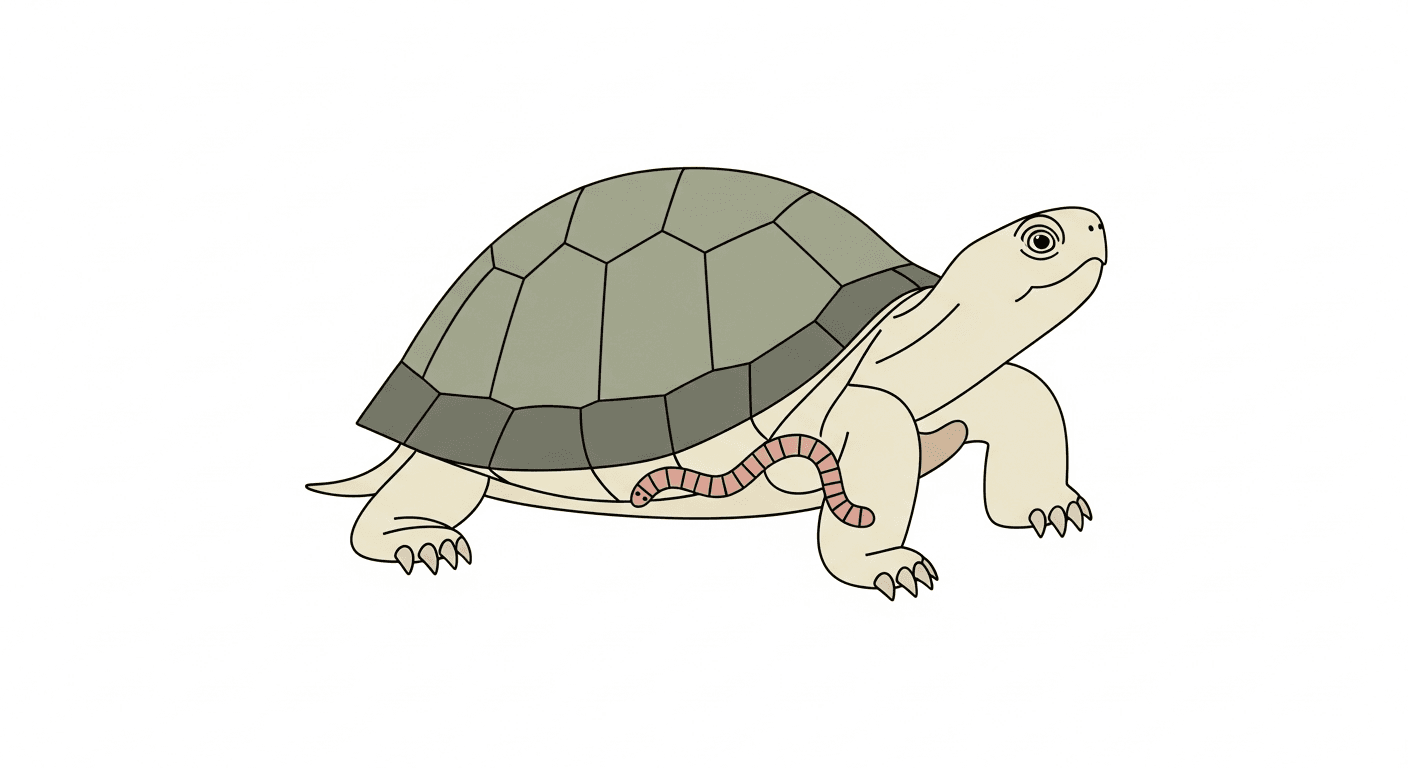
Why Parasites Are Common in Turtles
Turtles in the wild carry a natural burden of internal parasites — nematodes, cestodes, and protozoa — that in healthy wild animals remains at subclinical levels. In captivity, the balance shifts. Stress, suboptimal nutrition, and a closed environment where fecal-oral transmission is easier allow parasite burdens to build to pathological levels that cause weight loss, anorexia, and systemic illness.
All newly acquired turtles — especially wild-caught or rehomed animals — should have a fecal flotation test within the first few months of ownership.
First 3 Steps at Home
- Schedule a fecal test for all new turtles: A fecal flotation and direct smear from a fresh sample (within 24 hours) can identify most internal parasite species. This is inexpensive and gives the vet specific information about which antiparasitic drug to use. Blind treatment without identification is less effective and potentially harmful.
- Check for external mites: Run a white paper towel over the turtle's skin and shell. Tiny moving red, orange, or black dots on the paper indicate mites. Mites concentrate around the neck folds, leg pockets, and under the shell margins. A single mite can indicate a heavy infestation — mites reproduce rapidly in warm, confined spaces.
- Quarantine new animals: Any newly acquired turtle should be quarantined for 60–90 days before contact with existing animals. This prevents transmission of parasites and infectious diseases, and allows time for fecal testing and treatment if needed.
When to Go to the Vet Immediately
- Weight loss in a turtle with confirmed or suspected parasites
- Visible worms in feces
- Heavy mite infestation with associated skin irritation or secondary infection
- Prolapsed rectum associated with severe intestinal parasite burden
Follow-Up Care Checklist
- Complete the full prescribed antiparasitic treatment course
- Deep clean the enclosure and replace all substrate during treatment to prevent reinfection
- Repeat fecal test 3–4 weeks after treatment to confirm clearance
- Annual fecal testing is recommended for all turtles receiving outdoor exposure or feeder prey
- Treat the environment for mites simultaneously with the animal — mites survive in substrate and decorations
Track Treatment with TailRounds
Log treatment start and end dates, medication given, and any observed changes in feces or behavior in the TailRounds Daily Log. Note the date of follow-up fecal test so it doesn't get forgotten.
Book a Vet Appointment
Parasite identification and treatment requires veterinary guidance. Book at Happy Paws for a fecal test and examination — bring a fresh fecal sample collected within the previous 24 hours.
Summary for Your Clinic Visit
Note the turtle's recent appetite and weight trend, whether you've observed any unusual fecal appearance, any recent changes to diet or prey items, and whether the turtle has outdoor access or contact with other reptiles.
Continue Reading
 🐢 Turtle & Tortoise Health
My Turtle Won't Eat: Causes, What to Check at Home, and When to See a Vet
A turtle refusing food may be hibernating, stressed, or ill. Learn how to tell the difference and when refusal to eat requires immediate veterinary attention.
 🐢 Turtle & Tortoise Health
Monitoring Your Turtle's Weight: Why It Matters and How to Do It Right
Regular weight monitoring is the most reliable way to catch health problems early in turtles. Learn how often to weigh, what changes mean, and the Jackson Ratio for tortoises.
 🐢 Turtle & Tortoise Health
Respiratory Infection in Turtles: Signs, Causes, and Treatment
Respiratory infections are common and serious in turtles. Recognize the early signs, understand why they occur, and learn when emergency care is essential.
 🐢 Turtle & Tortoise Health
Daily Care Checklist for Turtles and Tortoises: Building Habits That Prevent Disease
Consistent daily care prevents most common turtle health problems. Use this checklist to build a daily routine that catches problems early and maintains long-term health.