
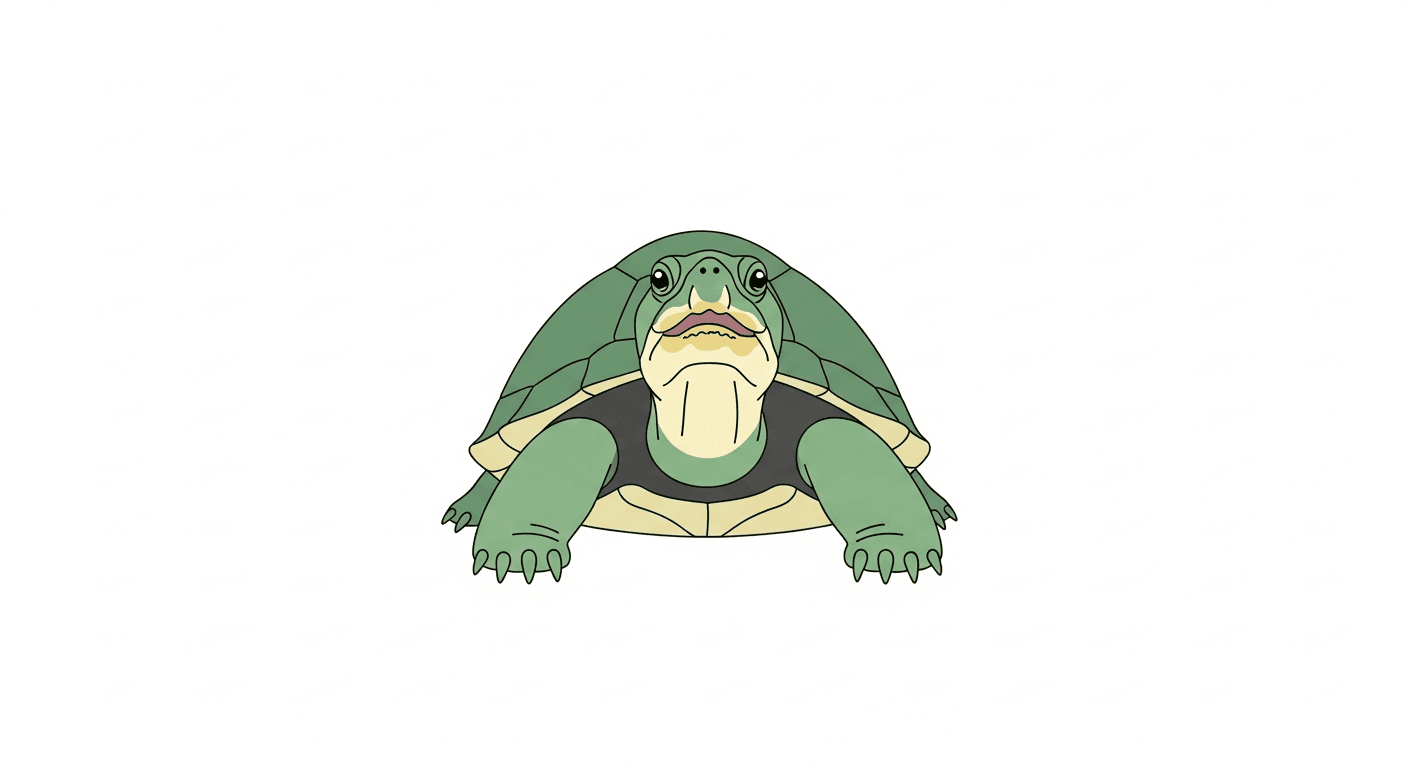
What Is Mouth Rot in Turtles?
Infectious stomatitis, commonly called mouth rot, is a bacterial infection affecting the oral cavity of turtles and tortoises. It typically begins with minor mucosal irritation from injury, vitamin A deficiency, or immune suppression, then progresses to bacterial colonization of the gum tissue, palate, and jaw. Without treatment, infection can spread to bone (osteomyelitis) and the bloodstream (septicemia).
Most cases are preventable with good husbandry and prompt attention to early signs.
First 3 Steps at Home
- Inspect the mouth carefully: A turtle with mouth rot will often hold the mouth slightly open, have visibly red or inflamed gum tissue, or have white, yellow, or gray discharge or caseous (cheese-like) deposits visible inside the mouth. Some turtles repeatedly wipe the mouth on surfaces. Appetite loss is common.
- Check environmental temperatures: Suboptimal temperatures are the most common underlying cause of immune suppression that allows mouth rot to develop. Correct any temperature deficiencies immediately — warm temperatures support the antibiotic response when treatment begins.
- Do not attempt to remove deposits at home: The caseous material in a turtle's infected mouth is deeply embedded and attempting to remove it causes pain and bleeding. Veterinary debridement under appropriate sedation or anesthesia is required for moderate to severe cases.
When to Go to the Vet Immediately
- Any visible oral discharge or cheesy deposits in the mouth
- Complete appetite loss alongside mouth abnormality
- Swelling of the jaw or neck
- Labored breathing alongside oral signs — infection spreading to respiratory tract
- Any turtle repeatedly opening and closing the mouth abnormally
Follow-Up Care Checklist
- Complete the full antibiotic course as prescribed — oral antibiotics or injectables depending on severity
- Offer soft, easy-to-eat foods during recovery if the turtle is willing to eat
- Correct underlying husbandry issues — temperatures, UVB, diet, and vitamin A
- Recheck with vet at 2 weeks to assess treatment response
- Prevent recurrence by maintaining optimal environmental conditions long-term
Track Oral Health with TailRounds
Log appetite changes, any mouth-rubbing behavior, and food refusal in the TailRounds Daily Log. Early changes in eating behavior are often the first sign of mouth rot before visible lesions are apparent.
Book a Vet Appointment
Mouth rot requires veterinary antibiotic treatment and often debridement. Book at Happy Paws urgently — early treatment prevents the condition from progressing to bone infection or septicemia.
Summary for Your Clinic Visit
Note the duration of appetite loss, describe exactly what you observed in the mouth, current enclosure temperatures and UVB setup, and the turtle's diet and vitamin A supplementation history.
Continue Reading
 🐢 Turtle & Tortoise Health
My Turtle Won't Eat: Causes, What to Check at Home, and When to See a Vet
A turtle refusing food may be hibernating, stressed, or ill. Learn how to tell the difference and when refusal to eat requires immediate veterinary attention.
 🐢 Turtle & Tortoise Health
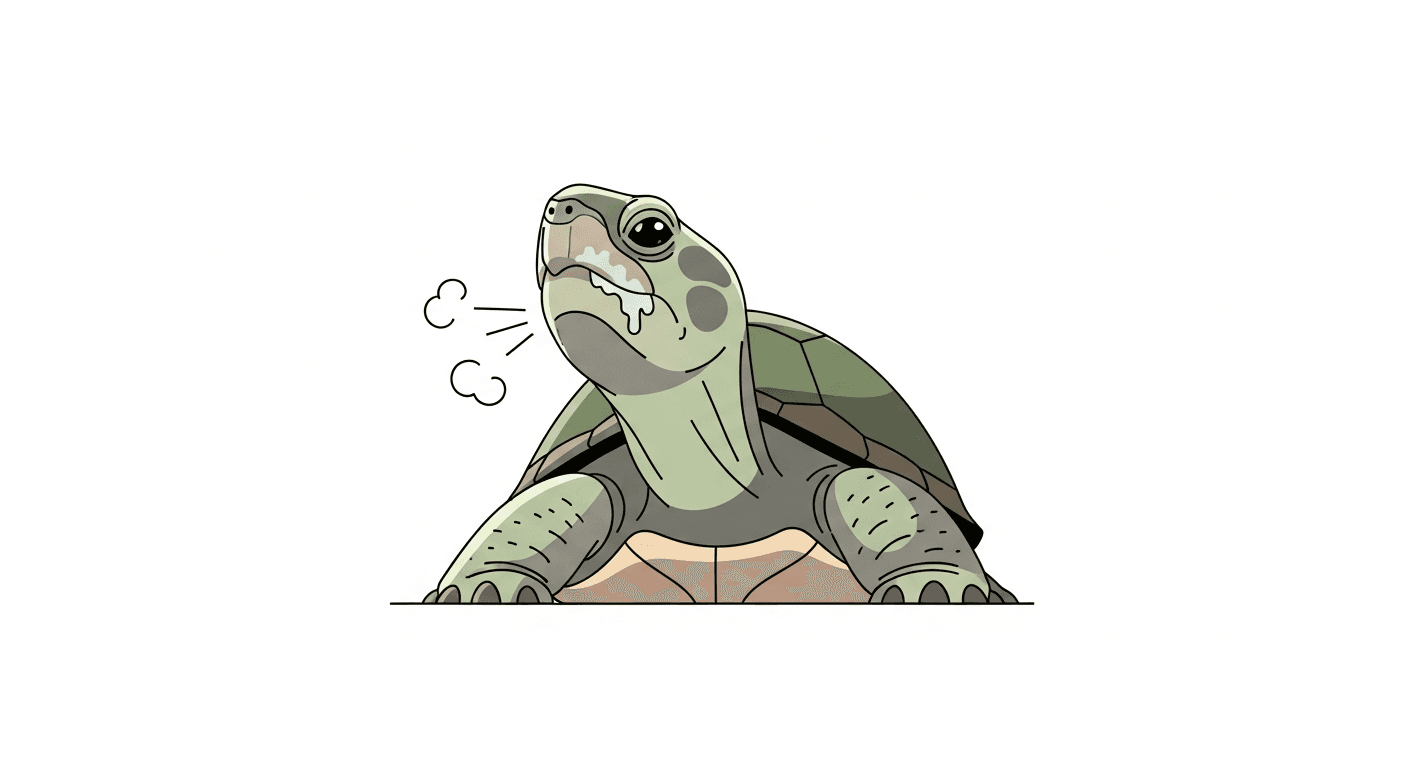
Respiratory Infection in Turtles: Signs, Causes, and Treatment
Respiratory infections are common and serious in turtles. Recognize the early signs, understand why they occur, and learn when emergency care is essential.
 🐢 Turtle & Tortoise Health
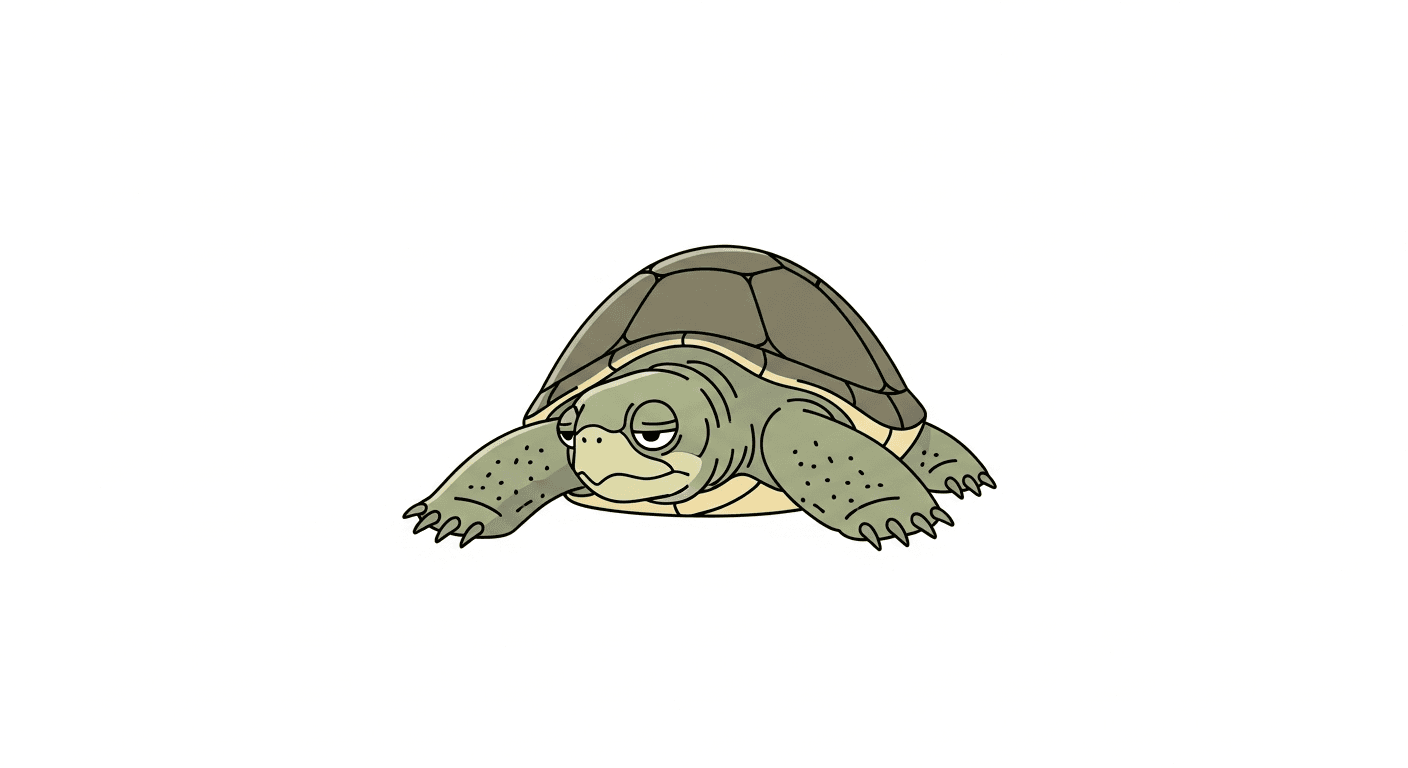
Lethargy in Turtles: How to Tell Rest From Illness
Turtles naturally rest for long periods, making it hard to detect genuine lethargy. Learn the signs that distinguish healthy rest from illness-related inactivity.
 🐢 Turtle & Tortoise Health
Daily Care Checklist for Turtles and Tortoises: Building Habits That Prevent Disease
Consistent daily care prevents most common turtle health problems. Use this checklist to build a daily routine that catches problems early and maintains long-term health.