
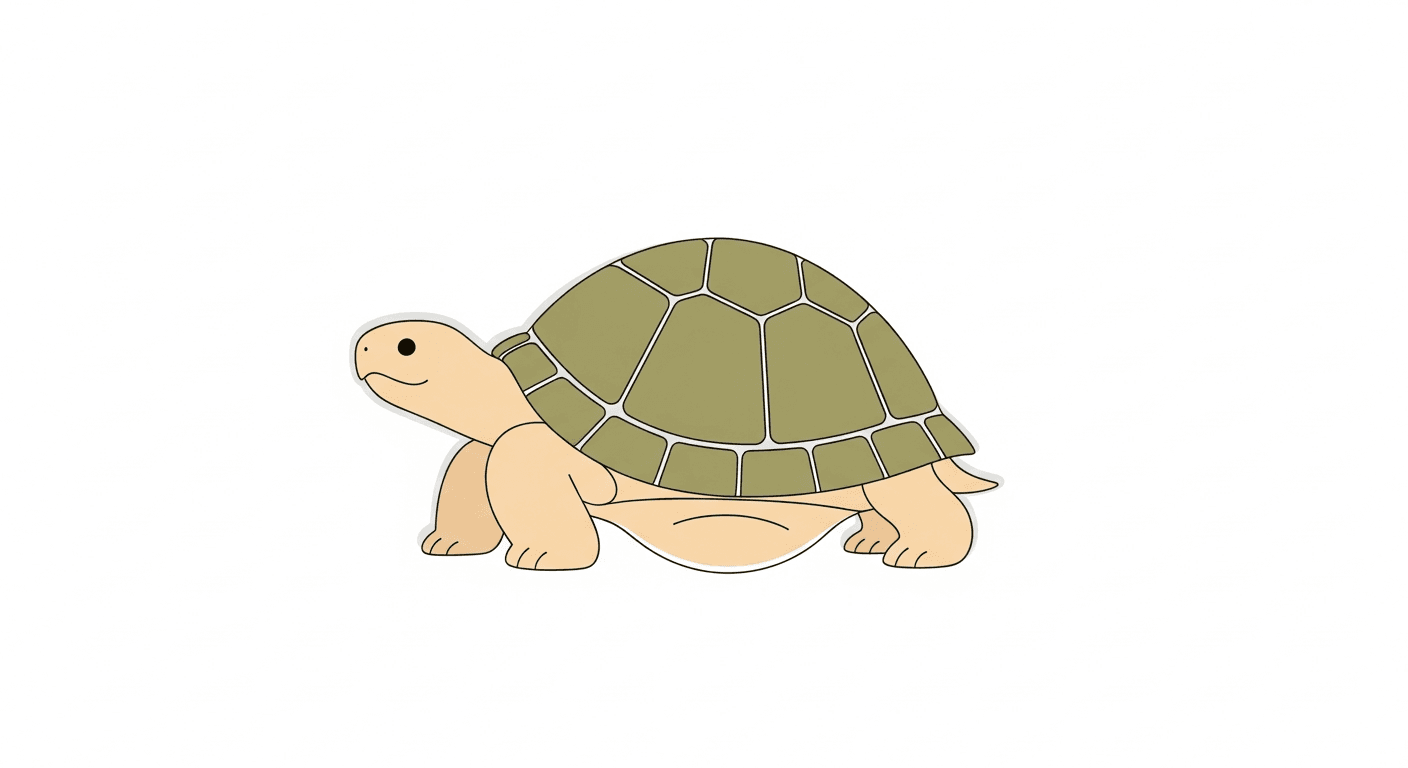
What Is Egg Binding (Dystocia) in Turtles?
Egg binding, or dystocia, occurs when a gravid (egg-carrying) female turtle is unable to deposit her eggs. Female turtles can become gravid whether or not a male is present — unfertilized eggs develop and still need to be laid. When the turtle cannot complete oviposition (egg laying), the retained eggs cause progressive systemic illness and death if not treated.
Causes include inadequate nesting site (the most common cause in captivity), calcium deficiency causing poor muscle contractions, oversized or malformed eggs, obstruction, or systemic weakness.
First 3 Steps at Home
- Provide an appropriate nesting site immediately: The most common cause of egg retention in captivity is the absence of an appropriate place to lay. A gravid tortoise or box turtle needs a deep container (at least 2x the animal's body length deep) filled with moist substrate — topsoil, coir, or a mix — where she can dig. Provide this immediately when you notice she appears gravid and is showing nesting behavior (restlessness, digging attempts, loss of appetite).
- Offer warm soaking: A 30-minute soak in warm water (30°C) twice daily can help stimulate contractions and oviposition in early stages. The warmth supports muscle tone and the water stimulates the cloaca reflexively in some individuals. This is supportive only — it does not substitute for veterinary care if eggs are not produced.
- Do not attempt manual extraction: Never attempt to squeeze or manually assist egg laying at home. Rupturing eggs internally causes life-threatening peritonitis. This is exclusively a veterinary procedure requiring sedation or anesthesia.
When to Go to the Vet Immediately
- Female showing nesting behavior for more than 48 hours with no eggs produced despite appropriate nesting site
- Lethargy or complete appetite loss in a gravid female
- Visible straining without result
- Any cloacal prolapse or protrusion
- Previously produced eggs this season followed by cessation — may indicate retained eggs
Follow-Up Care Checklist
- Maintain calcium supplementation year-round to support egg-laying physiology
- Always have a nesting substrate container available for any female turtle
- After successful egg laying, offer warm soaks and high-calcium diet to support recovery
- Follow any post-oxytocin or surgical treatment instructions exactly
- Spaying may be recommended by your vet for chronic egg-binding turtles to prevent recurrence
Track Reproductive Health with TailRounds
Log the start of nesting behavior, any eggs produced (date and count), and the female's appetite and activity in the TailRounds Daily Log. This timeline is critical information for your vet.
Book a Vet Appointment
Egg binding is an emergency. Book at Happy Paws urgently if your female turtle is showing signs of dystocia — radiography confirms egg number and position, guiding treatment decisions.
Summary for Your Clinic Visit
Note the onset of nesting behavior, duration of attempts without eggs, what nesting site you provided, calcium supplementation history, and the female's current appetite and energy level.
Continue Reading
 🐢 Turtle & Tortoise Health
My Turtle Won't Eat: Causes, What to Check at Home, and When to See a Vet
A turtle refusing food may be hibernating, stressed, or ill. Learn how to tell the difference and when refusal to eat requires immediate veterinary attention.
 🐢 Turtle & Tortoise Health
Vitamin Deficiencies in Turtles: Vitamin A, D3, and Calcium Explained
Nutritional deficiencies cause most preventable illness in captive turtles. Learn which vitamins matter most, how deficiency presents, and how to correct it safely.
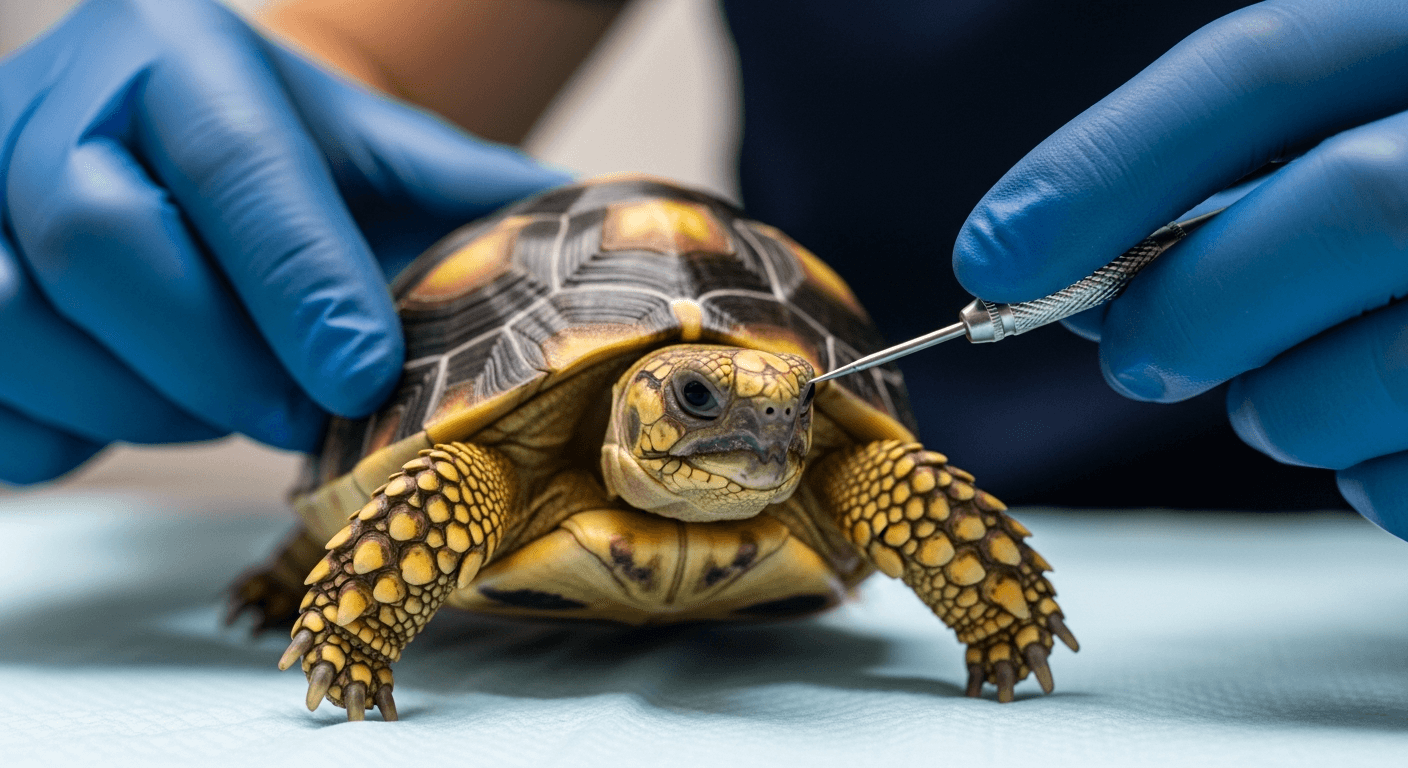 🐢 Turtle & Tortoise Health
Turtle Shell Problems: Soft Shell, Shell Rot, and Pyramid Scutes Explained
The shell is a turtle's most visible health indicator. Learn to recognize soft shell (metabolic bone disease), shell rot, injuries, and what each requires in terms of treatment.
 🐢 Turtle & Tortoise Health
Daily Care Checklist for Turtles and Tortoises: Building Habits That Prevent Disease
Consistent daily care prevents most common turtle health problems. Use this checklist to build a daily routine that catches problems early and maintains long-term health.