
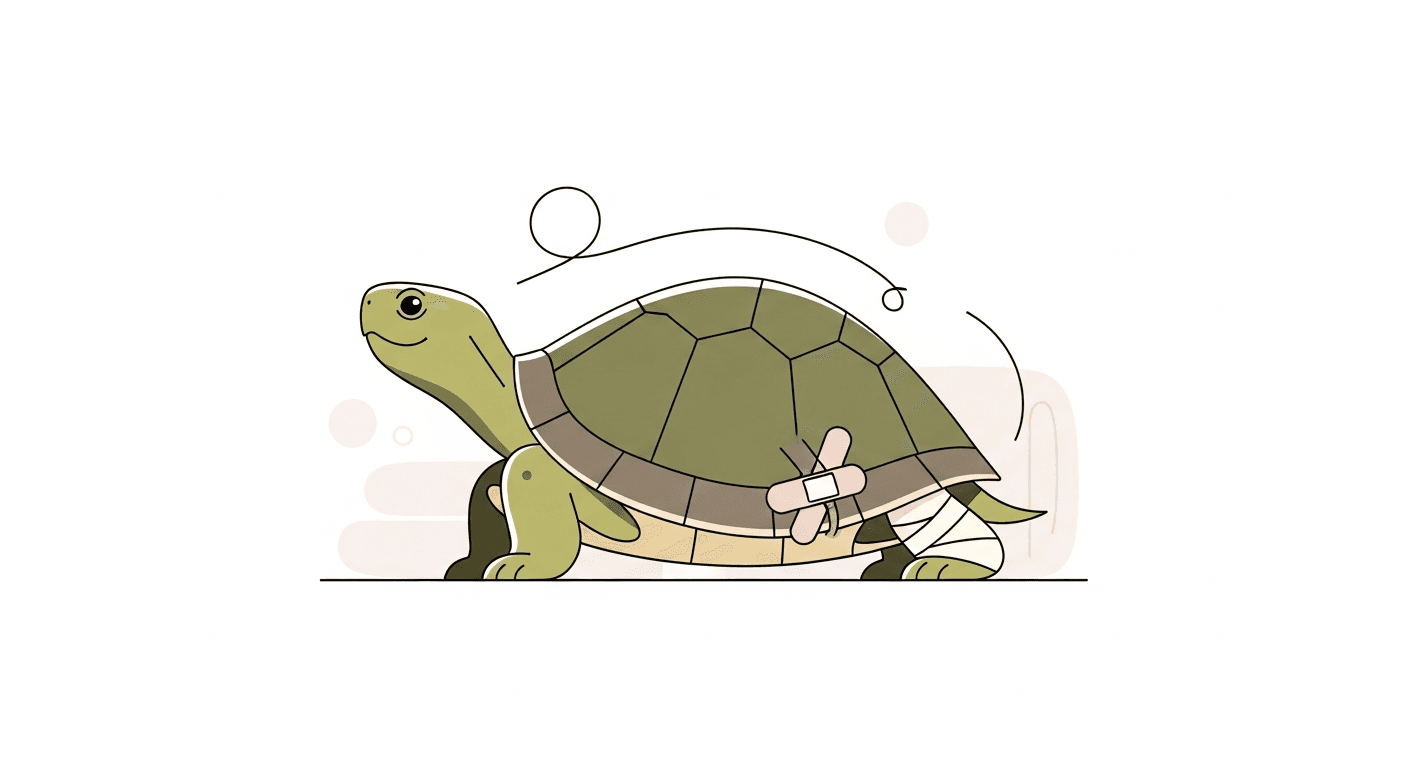
Post-Surgical Care in Turtles: Unique Challenges
Turtles present specific post-surgical challenges: their slow metabolism means wound healing takes longer than in mammals; their aquatic lifestyle (for water species) conflicts with keeping wounds dry; their instinct to retract into the shell can interfere with surgical access sites; and their immune systems are highly temperature-dependent, meaning post-operative hypothermia significantly increases infection risk.
Following your vet's post-operative instructions exactly — and understanding why each instruction matters — is essential for a successful recovery.
First 3 Steps at Home
- Maintain elevated temperatures for recovery: Post-surgical turtles should be kept at the warmer end of their appropriate temperature range (28–30°C ambient) to support immune function and healing. A small, easy-to-monitor recovery enclosure at controlled temperature is better than returning to the main enclosure immediately.
- Manage water access for aquatic turtles: Depending on the surgery site and wound type, your vet will specify restrictions on time in water. Many post-surgical aquatic turtles are kept in shallow water or "dryland" setups with brief controlled soaks. Follow this guidance precisely — deep water submersion over a fresh wound risks infection and wound breakdown.
- Prevent self-trauma to the surgical site: Turtles may attempt to scratch or bite at surgical sites. Your vet may apply wound dressings, bandaging, or fiberglass repair material over shell wounds. Do not remove or disturb these. For soft tissue wounds, watch for any signs of the turtle picking at the site and report this to your vet promptly.
When to Go to the Vet Immediately
- Wound opening or suture breakdown
- Unusual discharge, odor, or discoloration at the wound site
- Complete refusal to eat for more than 2 weeks post-surgery in a correctly maintained environment
- Sustained hypothermia despite warming measures
- Any respiratory signs following anesthesia
Follow-Up Care Checklist
- Administer all prescribed antibiotics and pain medications for the full recommended course
- Keep the recovery environment spotlessly clean to minimize infection exposure
- Weigh every 3–5 days during recovery to monitor healing-related nutrition adequacy
- Attend all scheduled wound rechecks and suture removal appointments
- Gradually reintroduce normal housing and activities only after veterinary clearance
Track Recovery with TailRounds
Log wound appearance, temperature, food intake, medication administration, and activity level every day during recovery in the TailRounds Daily Log. This record is essential for your vet's post-surgical assessment visits.
Book a Vet Appointment
Post-surgical follow-up visits are non-negotiable for turtles. Book your follow-up appointments at Happy Paws before discharge so they're confirmed in the calendar.
Summary for Your Clinic Visit
Bring your recovery log, note the wound appearance and any changes since the last visit, list all medications given with precise timing, and describe any concerns about the recovery progress.
Continue Reading
 🐢 Turtle & Tortoise Health
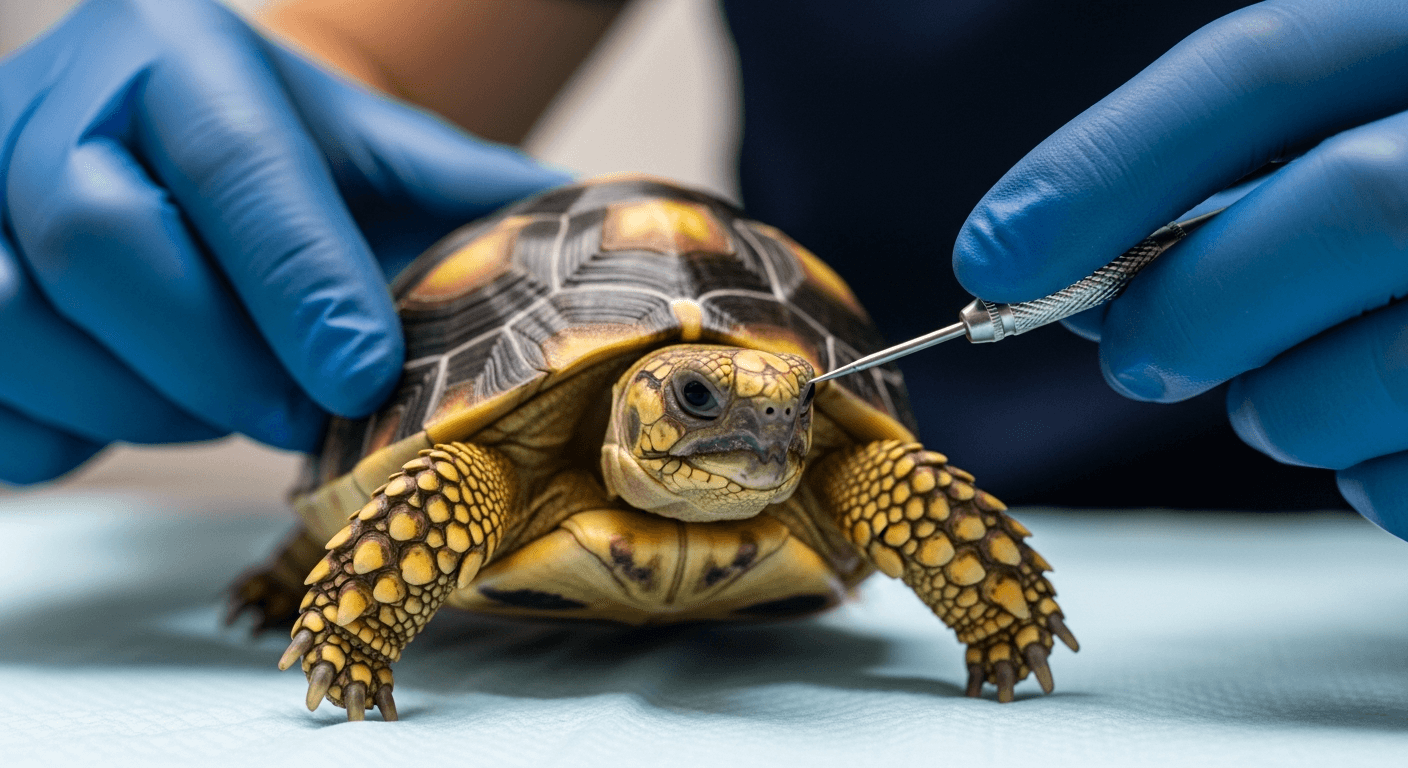
Turtle Shell Problems: Soft Shell, Shell Rot, and Pyramid Scutes Explained
The shell is a turtle's most visible health indicator. Learn to recognize soft shell (metabolic bone disease), shell rot, injuries, and what each requires in terms of treatment.
 🐢 Turtle & Tortoise Health
Egg Binding in Female Turtles and Tortoises: Signs, Urgency, and Treatment
A gravid female turtle unable to lay eggs faces a life-threatening situation. Learn to recognize egg binding, understand why it happens, and know when emergency care is essential.
 🐢 Turtle & Tortoise Health
Swollen Limbs and Neck in Turtles: Causes and What to Do
Swelling of the legs, neck, or face in turtles can indicate infection, vitamin deficiency, or kidney disease. Learn what the swelling location tells you and when to seek help.
 🐢 Turtle & Tortoise Health
Daily Care Checklist for Turtles and Tortoises: Building Habits That Prevent Disease
Consistent daily care prevents most common turtle health problems. Use this checklist to build a daily routine that catches problems early and maintains long-term health.