
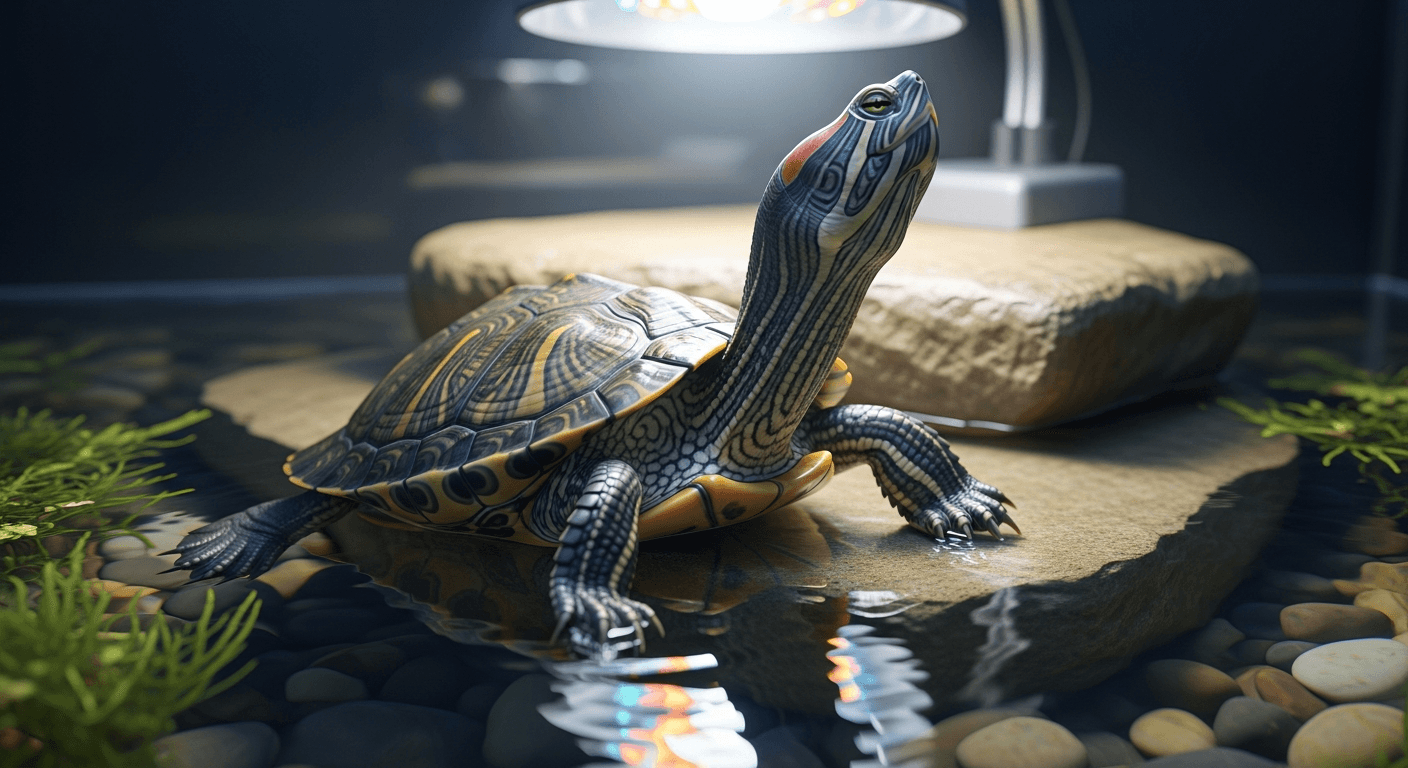
What Is Anorexia in Turtles?
Turtles and tortoises can go extended periods without eating during hibernation (brumation) or in response to seasonal changes in light and temperature. This is normal. However, a turtle that stops eating outside of a known brumation period, or that refuses food while housed in stable conditions, may be experiencing a medical problem that needs attention.
Common causes of non-seasonal anorexia in turtles include environmental temperature problems, lighting deficiencies, respiratory infection, parasites, metabolic bone disease, reproductive issues (gravid females), mouth rot (stomatitis), or internal disease.
First 3 Steps at Home
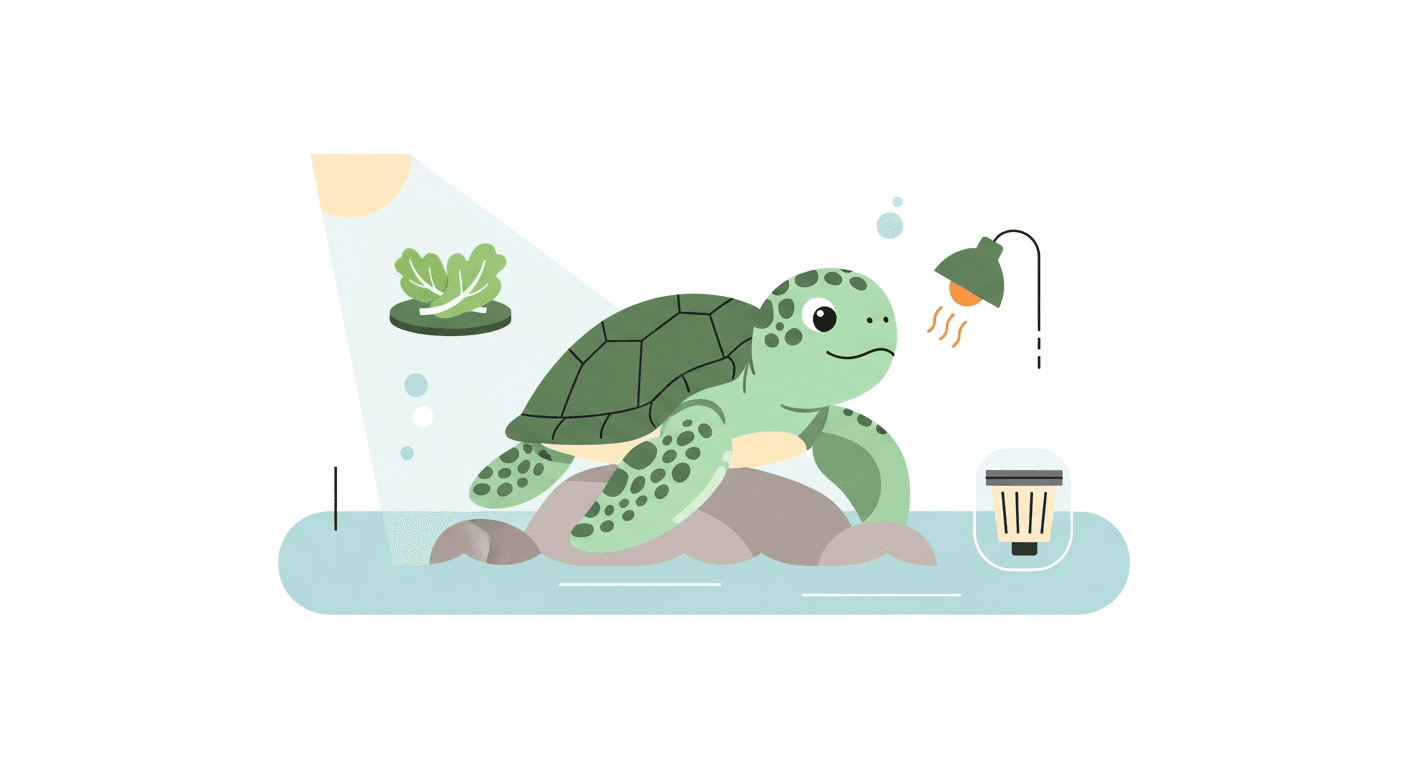
- Check environmental temperatures immediately: Turtles and tortoises are ectothermic — they need appropriate temperature gradients to digest food. A basking spot that is too cool or an enclosure that is too cold overall causes appetite shutdown. Confirm basking area is 32–35°C (90–95°F) for most species, ambient air is 24–28°C (75–82°F), and nighttime temperature doesn't drop below 18–20°C (65–68°F).
- Evaluate your UVB lighting: Turtles require UVB light to synthesize vitamin D3, which enables calcium metabolism. Without adequate UVB, metabolic bone disease develops and appetite decreases. Ensure your UVB bulb is less than 12 months old (they lose output before burning out visibly), is the correct UV index for your species, and is placed at the proper distance from the basking site per the manufacturer's instructions.
- Review diet and offer variety: Some turtles go off a food they have eaten repeatedly. Offer a different protein source (aquatic turtles) or a different leafy green (tortoises). Do not offer the usual diet for a few days and then try again — novelty sometimes triggers feeding in a healthy but bored turtle.
When to Go to the Vet Immediately
- Refusal to eat for more than 3–4 weeks outside brumation in a healthy environment
- Weight loss visible or detectable on a scale
- Open-mouth breathing, discharge from nose or eyes, or wheezing
- Swollen or discolored limbs, eyes, or neck
- Shell changes: soft spots, pyramiding beyond expected, or odor from the shell
- A female turtle that appears gravid (visibly swollen abdomen) and has not laid eggs
Follow-Up Care Checklist
- Replace UVB bulb if older than 12 months
- Use a quality digital thermometer with a probe — confirm temperatures at multiple points in the enclosure
- Weigh your turtle monthly — a baseline weight chart is the most valuable health monitoring tool
- Schedule annual wellness exams with a reptile-experienced vet
- Offer soaking (lukewarm water) twice weekly — dehydrated turtles often resume eating after soaking
Track Feeding with TailRounds
Log every feeding attempt, what was offered, whether the turtle ate, and weight measurements weekly in the TailRounds Daily Log. This record is invaluable when speaking with a vet about a turtle that has stopped eating.
Book a Vet Appointment
Turtles are stoic animals and prolonged anorexia always warrants professional assessment. Book at Happy Paws with our reptile-experienced exotic team for a full health assessment including bloodwork if indicated.
Summary for Your Clinic Visit
Note the duration of anorexia, current enclosure temperatures and UVB setup, the turtle's normal diet, current weight versus last known weight, and any behavioral changes or physical signs you've noticed.
Continue Reading
 🐢 Turtle & Tortoise Health
Turtle and Tortoise Hibernation (Brumation): A Safe Guide for Pet Owners
Brumation is a natural survival behavior but requires careful management in captivity. Learn when it is safe, when to skip it, and how to prevent fatalities during winter dormancy.
 🐢 Turtle & Tortoise Health
Vitamin Deficiencies in Turtles: Vitamin A, D3, and Calcium Explained
Nutritional deficiencies cause most preventable illness in captive turtles. Learn which vitamins matter most, how deficiency presents, and how to correct it safely.
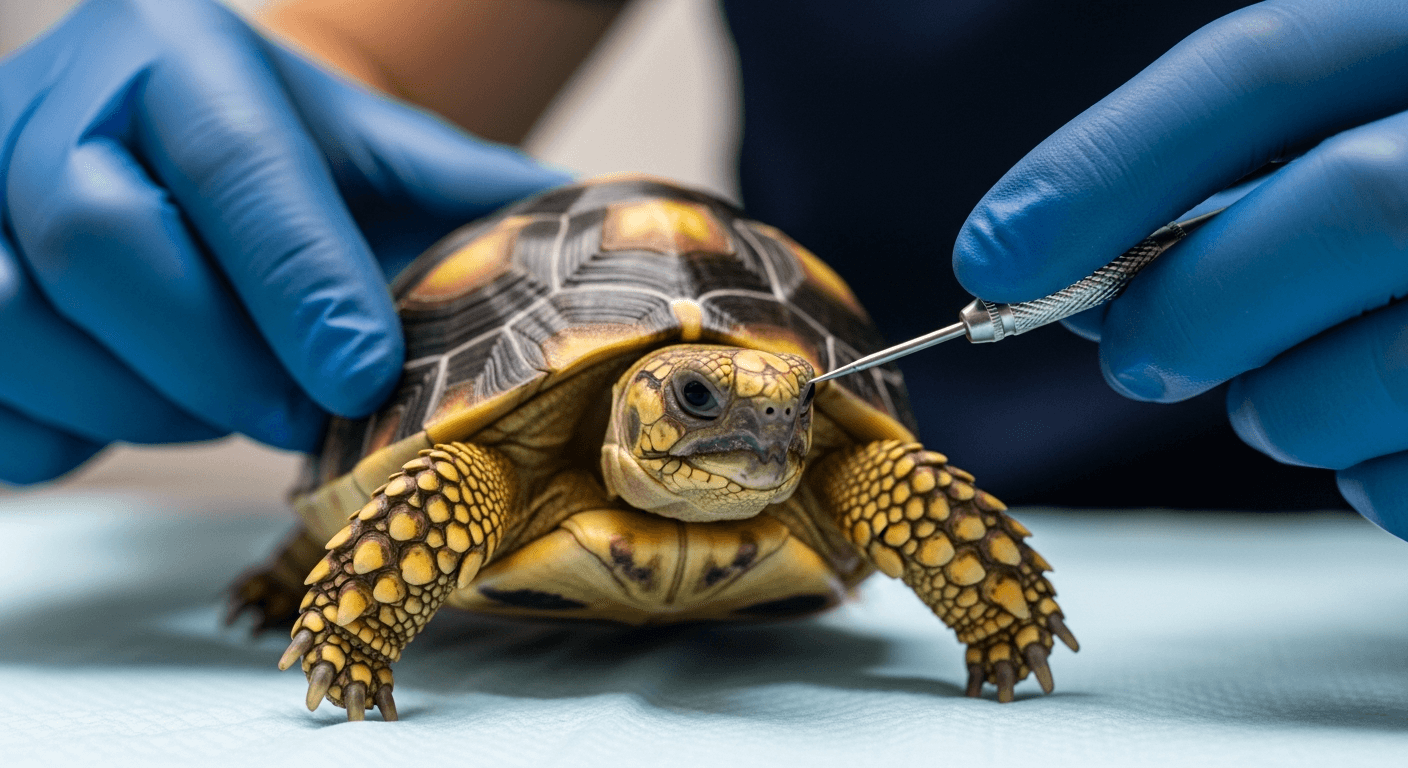 🐢 Turtle & Tortoise Health
Turtle Shell Problems: Soft Shell, Shell Rot, and Pyramid Scutes Explained
The shell is a turtle's most visible health indicator. Learn to recognize soft shell (metabolic bone disease), shell rot, injuries, and what each requires in terms of treatment.
 🐢 Turtle & Tortoise Health
Daily Care Checklist for Turtles and Tortoises: Building Habits That Prevent Disease
Consistent daily care prevents most common turtle health problems. Use this checklist to build a daily routine that catches problems early and maintains long-term health.