

Why Daily Observation Is Your Most Powerful Health Tool
Turtles and tortoises hide illness effectively, and many health problems are easier to treat — and far less expensive — when caught early. Daily observation creates a baseline understanding of your turtle's normal behavior, appearance, and activity level. When something deviates from that baseline, you notice immediately rather than weeks later when the problem is advanced.
A daily routine takes 5–10 minutes. It is the single highest-return investment in your turtle's long-term health.
First 3 Steps at Home
- Morning check: verify the environment: Check basking spot and ambient temperatures with your probe thermometer. Confirm UVB light is on and functioning. Check water quality visually (aquatic species) — is the water clear or murky? Has the filter been running overnight? Replace any soiled substrate in tortoise enclosures. These 2 minutes ensure the environment is correct before the turtle becomes active.
- Feeding and observation: When feeding, observe the turtle's behavior, movement, and response to food. Note whether it is basking, active, or unusually still. Look at posture, eye brightness, and nose. For aquatic turtles, observe swimming behavior and buoyancy. Any deviation from the usual pattern is worth noting.
- Evening check: Before lights off, confirm the turtle has eaten (note what was consumed vs. offered). Check the enclosure for urates and feces — abnormal color or consistency is important diagnostic information. For tortoises, a late-day soak 2–3 times per week takes only 20–30 minutes and dramatically supports hydration and gut health.
When to Go to the Vet Immediately
- Any single emergency sign from the emergency signs article
- Refusal to eat for more than 3 weeks outside brumation
- Weight loss of more than 10% in one month
- Any new physical change: swelling, discoloration, discharge, or abnormal posture
Follow-Up Care Checklist
- Weekly: full water change (partial) and aquatic tank test, tortoise weight
- Monthly: full tortoise weight and Jackson Ratio assessment, UVB bulb check
- Quarterly: filter media inspection, enclosure deep clean
- Annually: wellness exam, fecal parasite test, blood panel (especially for older animals), UVB bulb replacement
Track Everything with TailRounds
The TailRounds Daily Log is your central record for all daily, weekly, and monthly observations. Even brief daily entries — "ate well, basked normally, droppings normal" — build a comprehensive health record that serves as both your personal reference and invaluable context for any future vet visit.
Book a Vet Appointment
Annual wellness exams are the complement to daily home care — the vet catches what daily observation cannot. Book your turtle's annual exam at Happy Paws to complete the picture.
Summary for Your Clinic Visit
Bring your daily log, last 3–6 months of weight records, recent fecal observations, and a list of all supplements and their frequency. Your daily records transform a vague wellness exam into a precise, targeted health assessment.
Continue Reading
 🐢 Turtle & Tortoise Health
My Turtle Won't Eat: Causes, What to Check at Home, and When to See a Vet
A turtle refusing food may be hibernating, stressed, or ill. Learn how to tell the difference and when refusal to eat requires immediate veterinary attention.
 🐢 Turtle & Tortoise Health
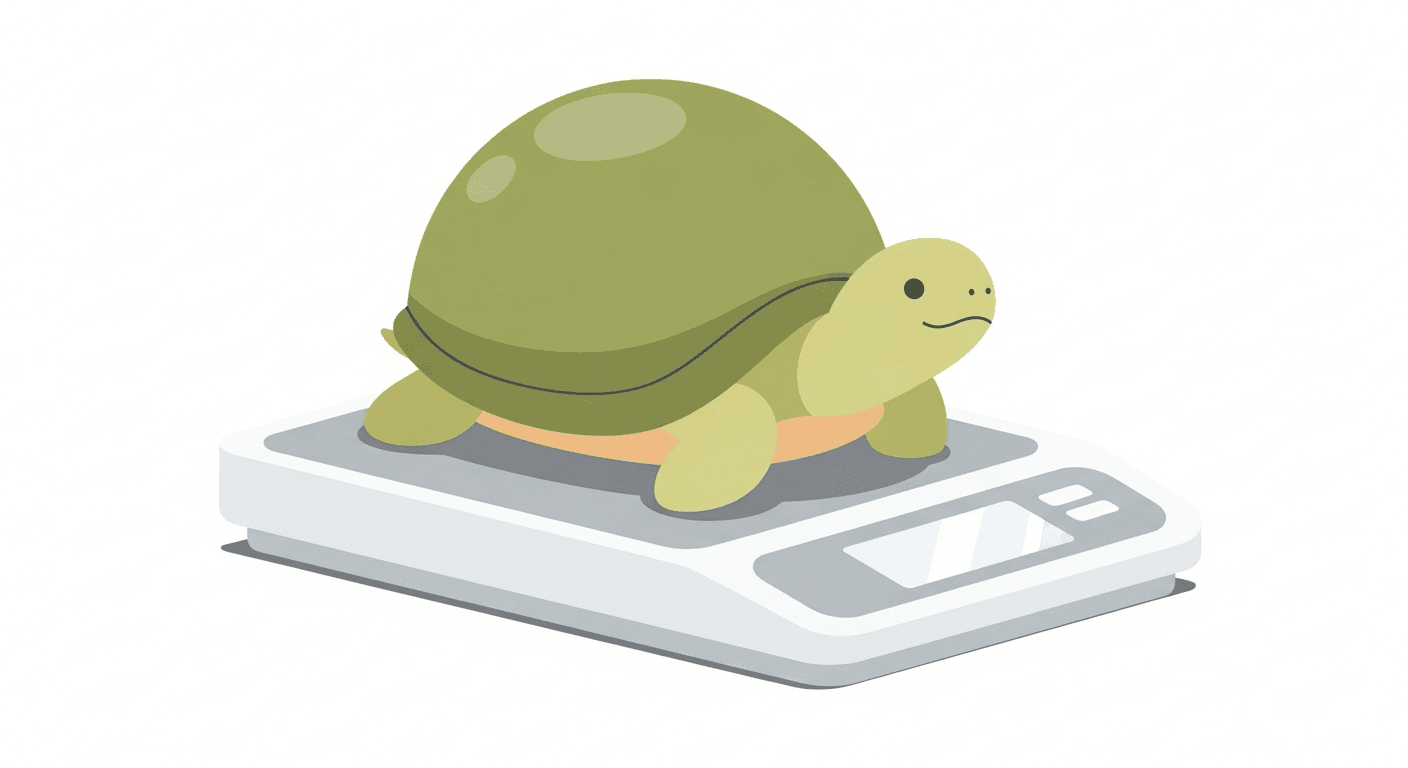
Monitoring Your Turtle's Weight: Why It Matters and How to Do It Right
Regular weight monitoring is the most reliable way to catch health problems early in turtles. Learn how often to weigh, what changes mean, and the Jackson Ratio for tortoises.
 🐢 Turtle & Tortoise Health
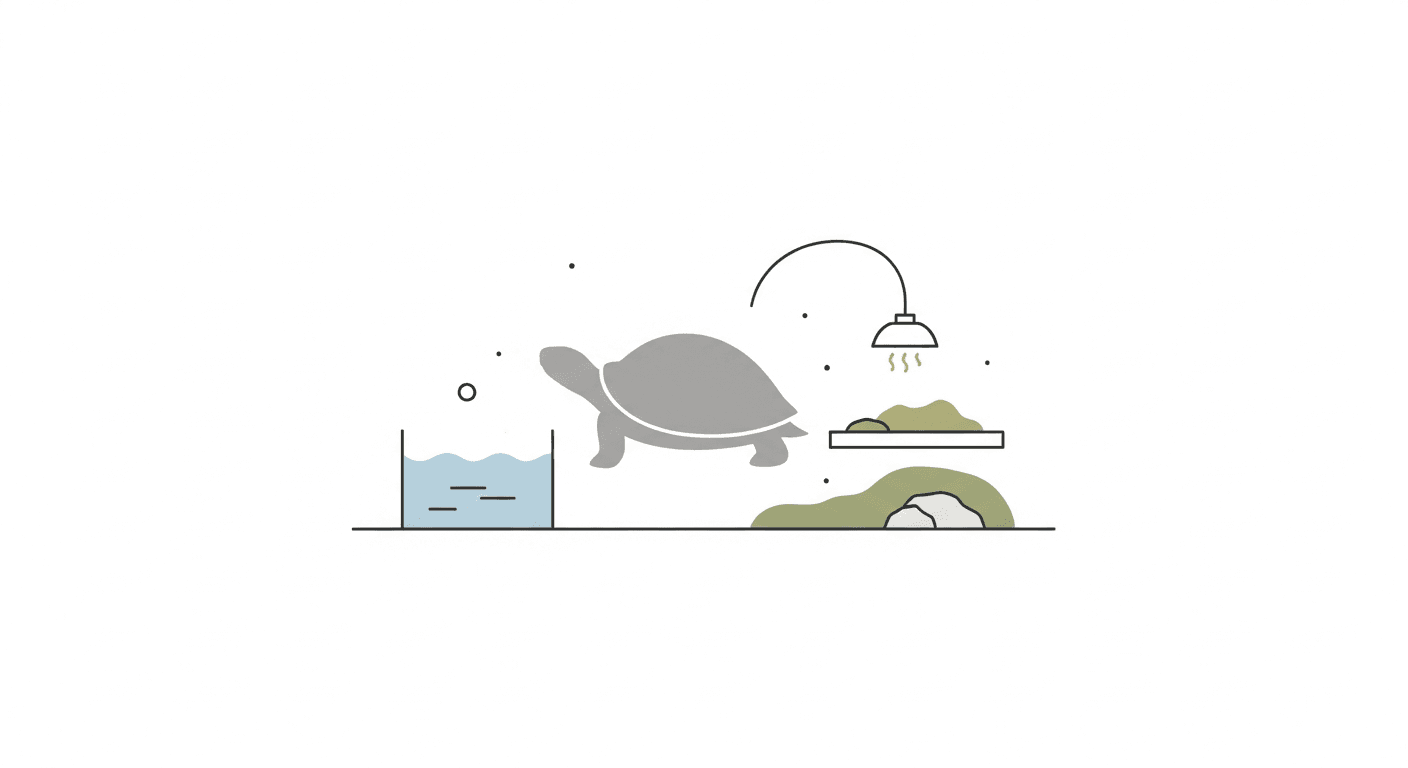
Turtle and Tortoise Housing: Species-Specific Requirements for Tanks, Terrariums, and Outdoor Pens
Turtles and tortoises have very different housing needs. This guide covers space, substrate, temperature gradients, humidity, and outdoor setups for the most common pet species.
 🐢 Turtle & Tortoise Health
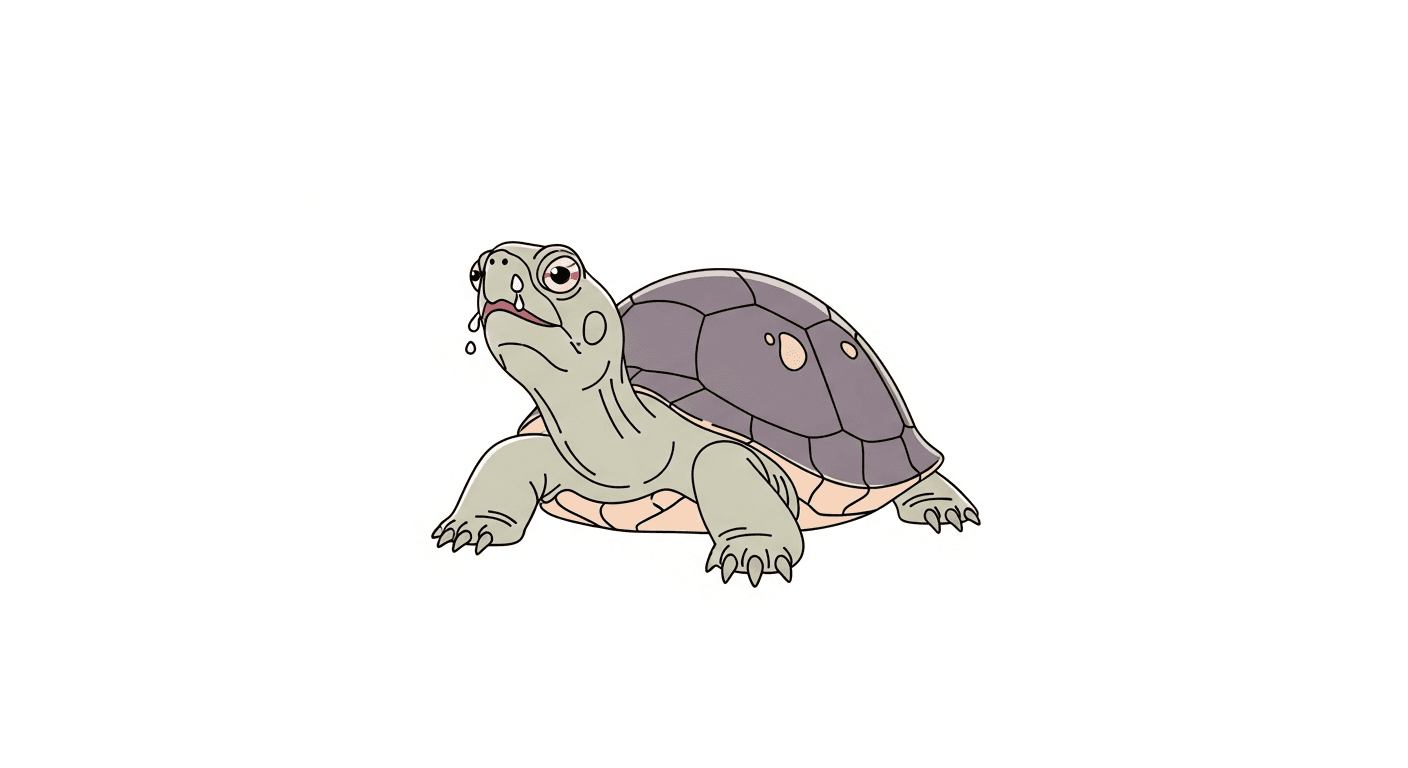
Turtle Emergency Signs: Recognize Critical Illness and Act Fast
Certain turtle and tortoise symptoms require immediate veterinary attention. This guide covers the emergency signs that cannot wait and how to prepare for rapid transport.