
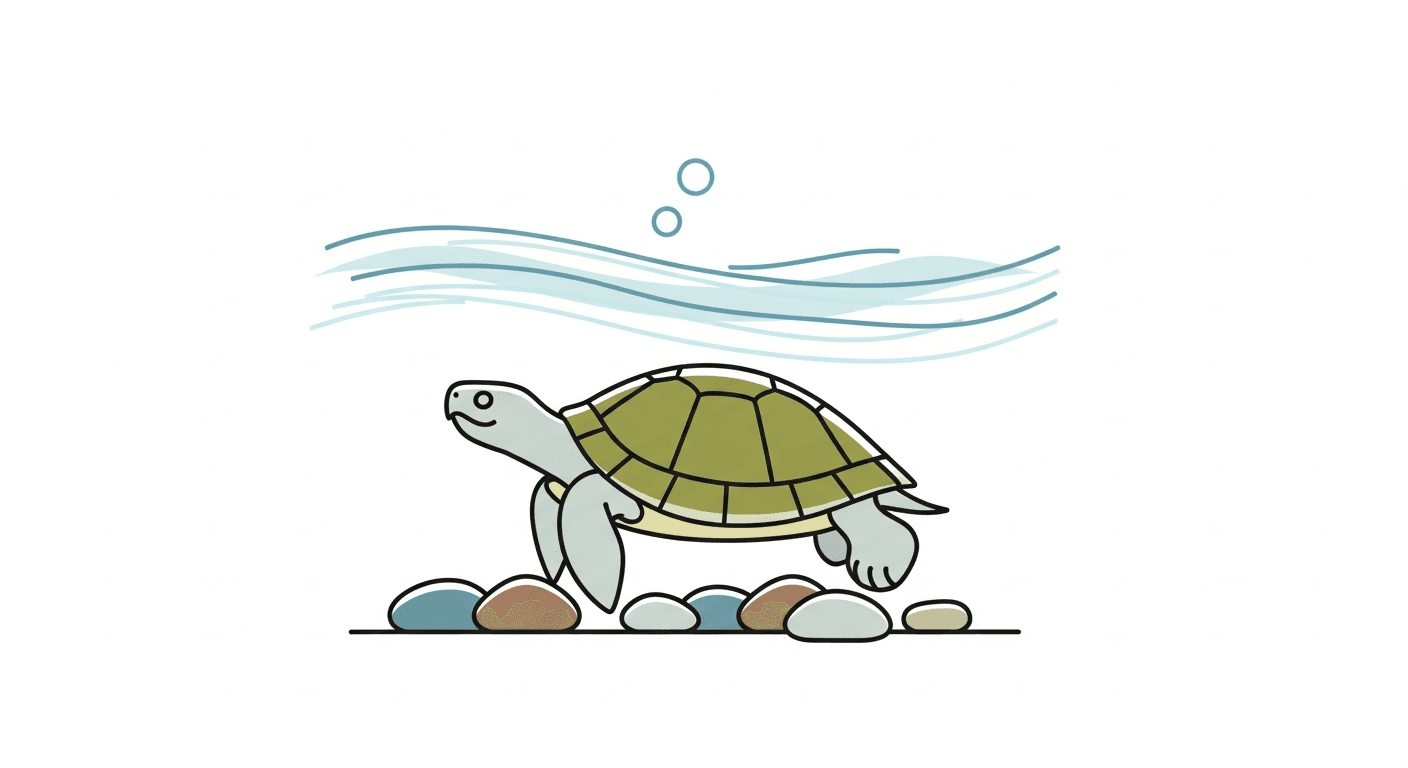
Why Water Quality Directly Determines Turtle Health
Aquatic turtles live in their water and absorb dissolved compounds through their skin and cloaca. They are also significantly messier than fish, producing large amounts of ammonia-rich waste. A turtle tank without adequate filtration becomes a chemical environment hostile to the turtle's health — elevated ammonia and nitrite damage skin and mucous membranes, predispose to bacterial and fungal infections, and chronically stress the immune system.
The standard rule is: use a filter rated for two to three times the volume of your turtle tank, because turtle waste loads exceed what fish-rated filters are designed to handle.
First 3 Steps at Home
- Test your water with an aquarium test kit: Ammonia should be 0 ppm. Nitrite should be 0 ppm. Nitrate can be up to 40 ppm before a water change is needed. pH should be 6.5–8.5 for most species. Temperature should be within your species' required range (typically 24–28°C for tropical species, 18–24°C for temperate species, with a warmer basking spot available). If ammonia or nitrite are detectable, your biological filter is insufficient or hasn't cycled.
- Establish the nitrogen cycle in new tanks: A new tank without an established bacterial colony cannot process ammonia. The nitrogen cycle takes 4–8 weeks to establish. During this period, perform frequent water changes (30–50% every 2–3 days) to prevent toxic spikes. Use beneficial bacteria products to speed establishment. Do not put a turtle in an uncycled tank without this understanding.
- Perform regular partial water changes regardless of test results: Even a tank with good ammonia and nitrite levels accumulates dissolved organic compounds, hormones, and other substances that affect turtle health. Change 25–30% of the water weekly as standard maintenance, regardless of test results.
When to Go to the Vet Immediately
- Turtle with skin lesions or unusual skin shedding after water quality problems — possible bacterial or fungal infection
- Eye infection or respiratory signs following a period of poor water quality
- Lethargy and loss of appetite in an aquatic turtle — water quality is always the first thing to rule out
Follow-Up Care Checklist
- Feed in a separate container if possible — this dramatically reduces the waste load in the main tank
- Use a canister filter or powerful hang-on-back filter — internal filters are generally insufficient for turtles
- Clean the filter media in old tank water (not tap water) monthly to preserve beneficial bacteria
- Use a gravel vacuum during partial water changes to remove settled waste
Track Water Quality with TailRounds
Log weekly water test results alongside the turtle's behavior and appetite in the TailRounds Daily Log. This correlation often shows the direct relationship between water quality dips and the turtle's health response.
Book a Vet Appointment
If your turtle develops skin, eye, or respiratory problems, book promptly. Book at Happy Paws — our team can assess the turtle's condition and advise on water management improvements specific to your setup.
Summary for Your Clinic Visit
Bring your recent water test results, tank volume, filter type and age, partial water change schedule, and a description of the turtle's symptoms and when they started.
Continue Reading
 🐢 Turtle & Tortoise Health
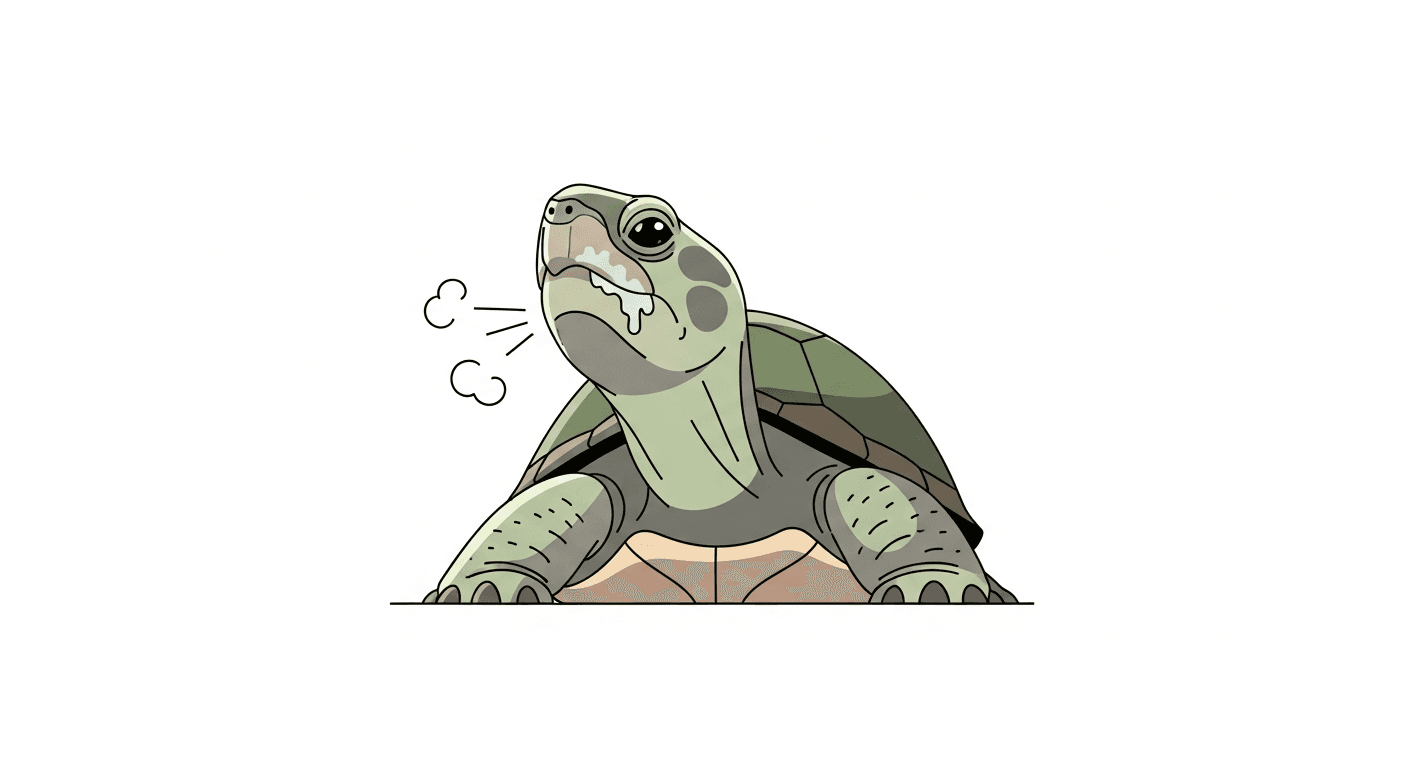
Respiratory Infection in Turtles: Signs, Causes, and Treatment
Respiratory infections are common and serious in turtles. Recognize the early signs, understand why they occur, and learn when emergency care is essential.
 🐢 Turtle & Tortoise Health
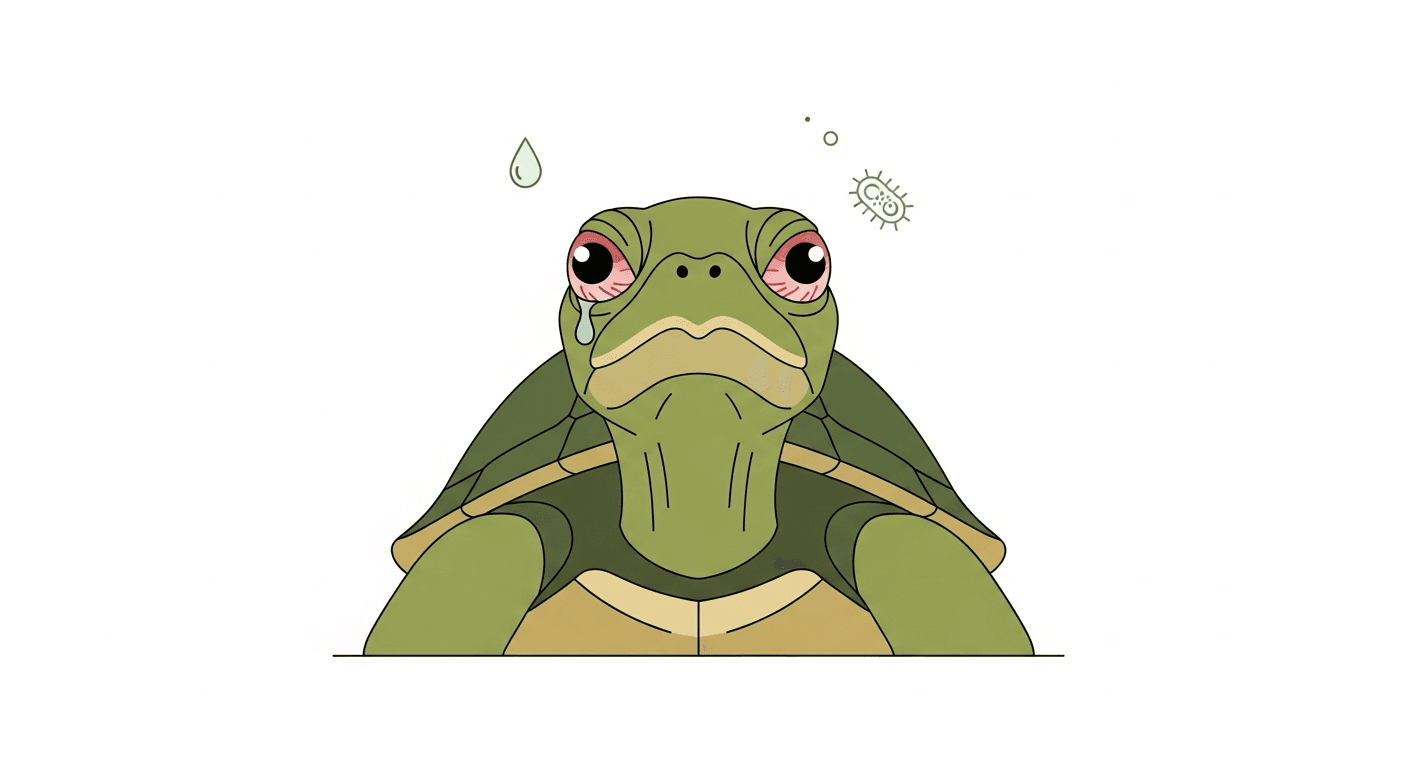
Turtle Eye Problems: Swollen Eyes, Discharge, and What to Do
Eye problems in turtles range from vitamin A deficiency to infections. Learn the common causes, home assessment steps, and when to seek urgent veterinary care.
 🐢 Turtle & Tortoise Health
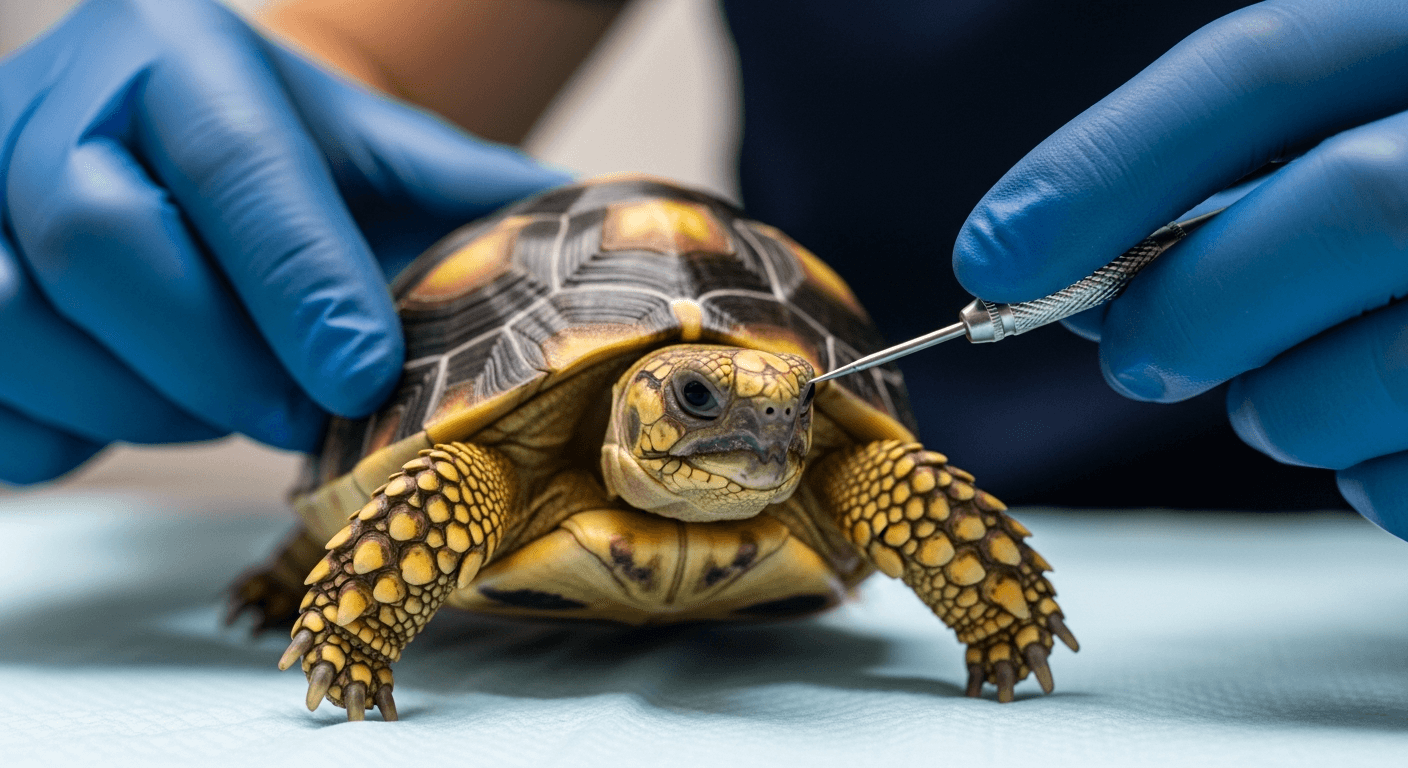
Turtle Shell Problems: Soft Shell, Shell Rot, and Pyramid Scutes Explained
The shell is a turtle's most visible health indicator. Learn to recognize soft shell (metabolic bone disease), shell rot, injuries, and what each requires in terms of treatment.
 🐢 Turtle & Tortoise Health
Daily Care Checklist for Turtles and Tortoises: Building Habits That Prevent Disease
Consistent daily care prevents most common turtle health problems. Use this checklist to build a daily routine that catches problems early and maintains long-term health.