
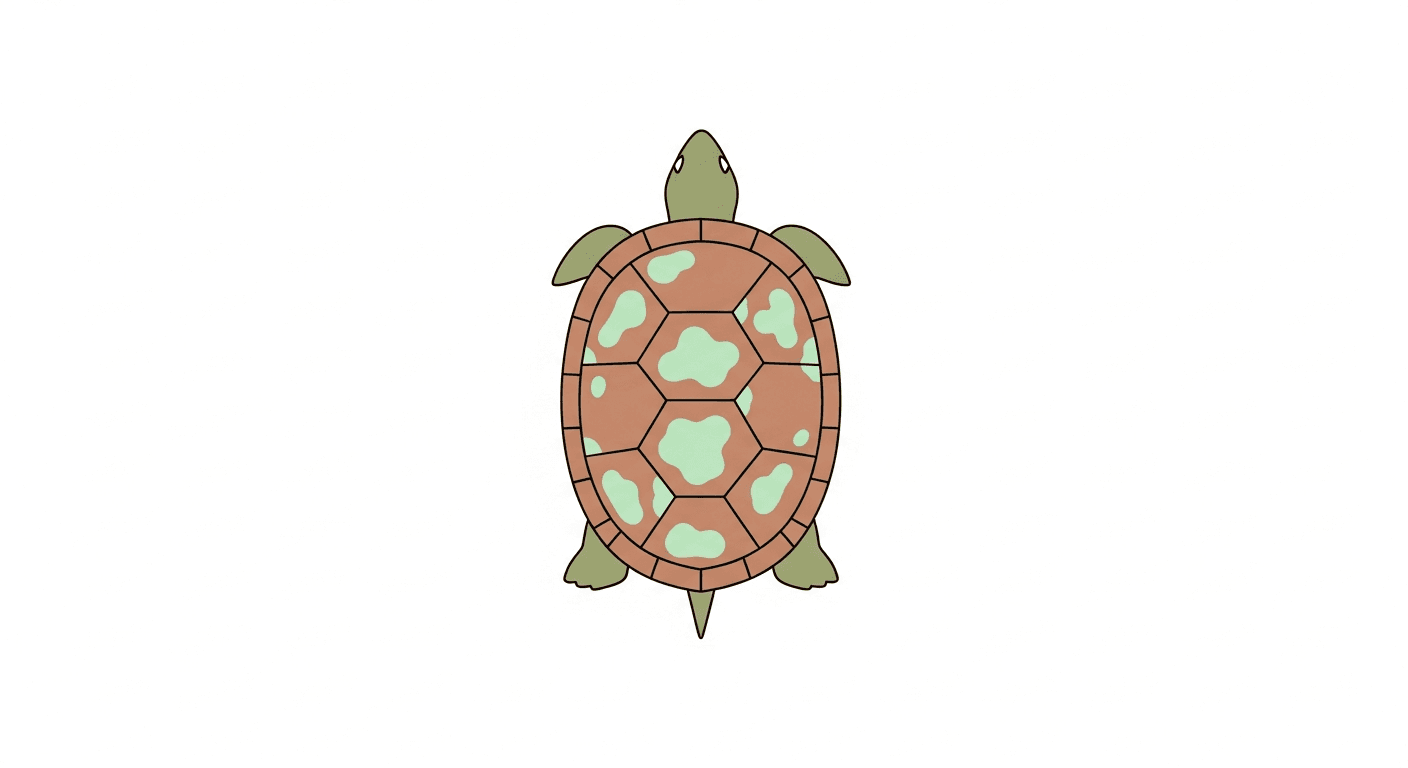
What Are Fungal Infections in Aquatic Turtles?
Saprolegnia and related water molds are the most common fungal pathogens in aquatic turtles, presenting as white, gray, or cotton-like fuzzy growth on the skin, shell, or wounds. These organisms are ubiquitous in water but only cause disease in immunosuppressed animals or in the presence of skin damage — which is why poor water quality and physical injury are the two primary predisposing factors.
Fungal infections can spread rapidly and invade underlying tissue if not treated promptly.
First 3 Steps at Home
- Improve water quality immediately: Fungal infections in aquatic turtles almost always indicate poor water conditions. Test for ammonia, nitrite, and nitrate. Perform a 50% water change. Clean the filter media in old tank water. Fungal organisms thrive in nutrient-rich, low-oxygen water — improving water quality removes the favorable growth environment.
- Isolate the affected turtle: If you have multiple aquatic turtles, move the affected animal to a quarantine tank to prevent spread. The quarantine tank allows targeted treatment and easier monitoring without contaminating the main tank.
- Do not use aquarium salt or antifungal products without veterinary guidance: Some commonly recommended aquarium remedies are inappropriate for turtles and can cause skin damage or toxicity. Veterinary treatment typically involves specific antifungal medications appropriate for reptile use, combined with wound care for any affected tissue.
When to Go to the Vet Immediately
- Visible cotton-like growth on skin or shell
- Fungal growth spreading despite initial water quality improvements
- Open wounds with discoloration or unusual odor
- Turtle showing reduced appetite or lethargy alongside visible fungal growth
Follow-Up Care Checklist
- Complete the full antifungal treatment course
- Continue improved water quality maintenance — the long-term solution to prevent recurrence
- Feed in a separate container to reduce organic load in the main tank
- Replace filter media if it has not been replaced recently
- Monitor for recurrence weekly for 4–6 weeks post-treatment
Track Treatment with TailRounds
Photograph the affected area daily during treatment and log observations alongside water test results in the TailRounds Daily Log. Visual progress records help confirm treatment is working.
Book a Vet Appointment
Fungal infections require veterinary-prescribed antifungal treatment in most cases. Book at Happy Paws promptly for assessment and a targeted treatment plan.
Summary for Your Clinic Visit
Bring your water test results, describe the appearance and location of the fungal growth, note the duration, and bring photos if you have them. Describe your current filtration setup and maintenance schedule.
Continue Reading
 🐢 Turtle & Tortoise Health
Water Quality for Aquatic Turtles: Parameters, Filtration, and Preventing Disease
Poor water quality is the leading cause of illness in aquatic turtles. Learn the key parameters, filtration requirements, and maintenance schedule to keep your turtle healthy.
 🐢 Turtle & Tortoise Health
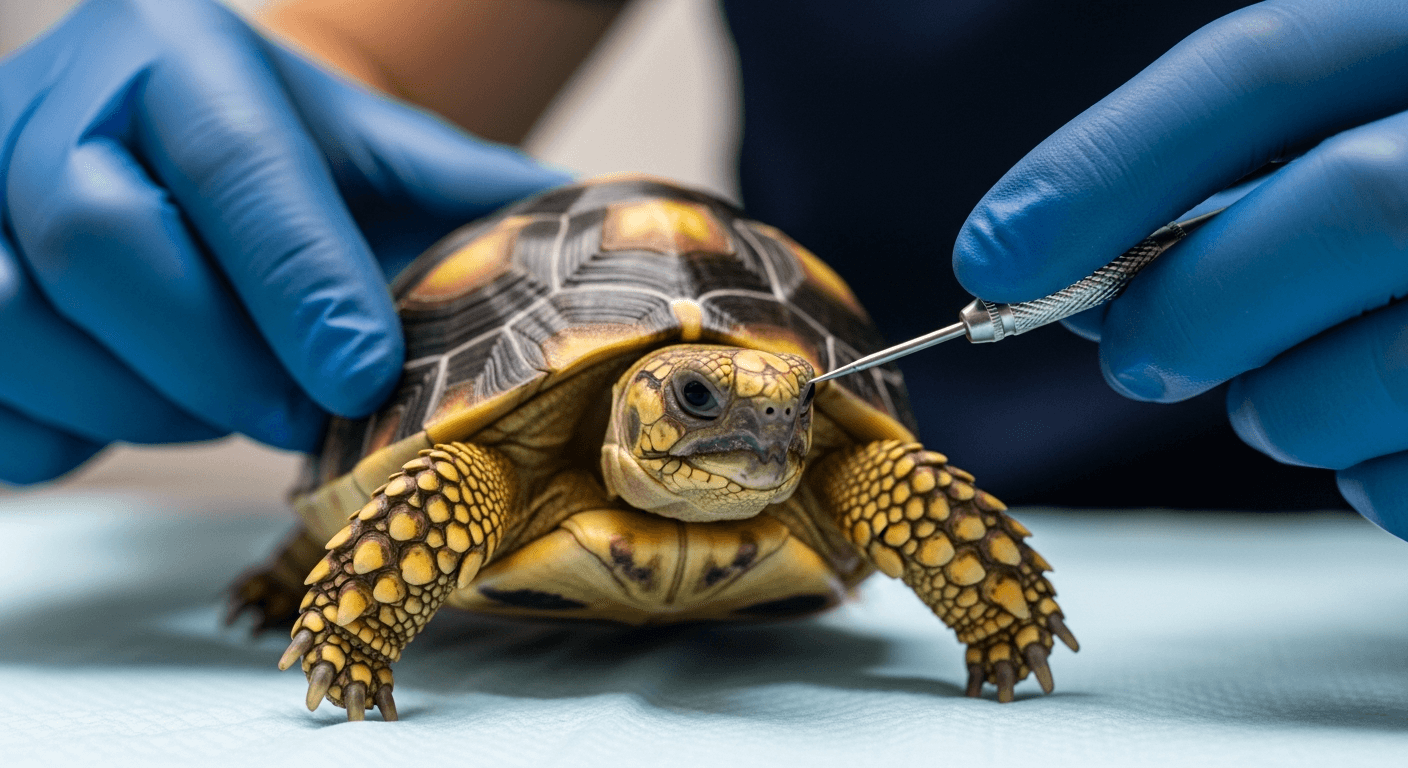
Turtle Shell Problems: Soft Shell, Shell Rot, and Pyramid Scutes Explained
The shell is a turtle's most visible health indicator. Learn to recognize soft shell (metabolic bone disease), shell rot, injuries, and what each requires in terms of treatment.
 🐢 Turtle & Tortoise Health
Turtle Skin Shedding: Normal Sloughing vs. Signs of Disease
Turtles shed both scutes and skin as they grow. Learn what normal shedding looks like, when it indicates a problem, and how poor water quality affects shedding in aquatic species.
 🐢 Turtle & Tortoise Health
Daily Care Checklist for Turtles and Tortoises: Building Habits That Prevent Disease
Consistent daily care prevents most common turtle health problems. Use this checklist to build a daily routine that catches problems early and maintains long-term health.