
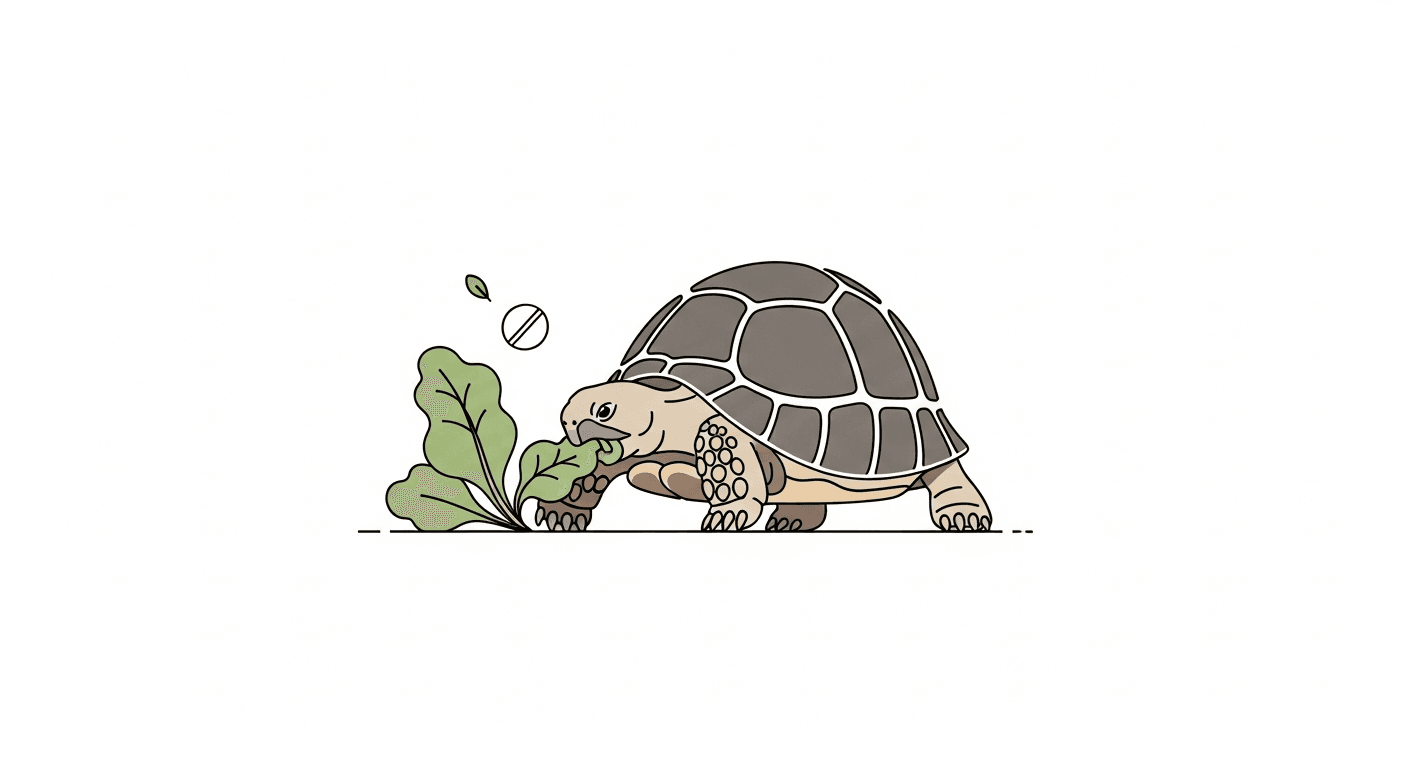
Why Calcium Is Critical for Tortoises
Calcium is required for bone and shell structure, muscle function (including the heart muscle), nerve conduction, and egg formation in females. Without adequate calcium combined with functional vitamin D3 synthesis (via UVB), tortoises develop metabolic bone disease — soft, deformed shells, weak limbs, and eventually fatal systemic calcium depletion. Calcium supplementation combined with correct UVB provision is the most important preventive measure in tortoise husbandry.
First 3 Steps at Home
- Choose the right calcium product: Pure calcium carbonate powder without added phosphorus or vitamin D3 is the standard recommendation when UVB provision is adequate. Popular options include RepCal Calcium without D3, Zoo Med Reptile Calcium, or simple pharmacy calcium carbonate powder. If UVB provision is uncertain or inadequate, use calcium with D3 once or twice weekly instead — but be cautious, as vitamin D3 over-supplementation causes toxicity.
- Dust food consistently and correctly: Lightly coat the food with calcium powder before offering — a light white dusting, not a heavy coating. Aim for 3–5 applications per week for juveniles and pregnant females; 2–3 times per week for healthy adults. More frequent supplementation is needed during growth phases and egg production.
- Provide a cuttlebone for self-regulation: Place a cuttlebone (dried cuttlefish bone, available from pet stores) in the enclosure permanently. Many tortoises will gnaw on it as needed, allowing some degree of self-regulation of calcium intake. It also provides enrichment and keeps the beak trimmed.
When to Go to the Vet Immediately
- Soft shell at any age — requires urgent veterinary intervention including possible injectable calcium
- Muscle tremors or weakness — hypocalcemia emergency
- Juvenile with noticeably soft or flexible shell edges
- Adult with pyramiding scutes that is worsening despite dietary correction
Follow-Up Care Checklist
- Never supplement calcium with phosphorus-containing products — high phosphorus blocks calcium absorption
- Always combine calcium supplementation with correct UVB provision — calcium without D3 synthesis is poorly absorbed
- Annual bloodwork can measure calcium levels to confirm supplementation is adequate
- Review supplementation frequency with your vet annually — needs change with age and reproductive status
Track Supplementation with TailRounds
Log every calcium supplementation event in the TailRounds Daily Log. It's easy to forget whether you dusted yesterday's food or last week's — a brief daily note prevents both under-supplementation and accidental overdose.
Book a Vet Appointment
Include calcium status in your tortoise's annual wellness exam. Book at Happy Paws for a nutritional assessment including bloodwork to verify calcium and vitamin D3 levels.
Summary for Your Clinic Visit
Bring your current calcium supplement product for the vet to review, describe your supplementation frequency, note your UVB setup and bulb age, and provide your most recent weight data for the tortoise.
Continue Reading
 🐢 Turtle & Tortoise Health
Vitamin Deficiencies in Turtles: Vitamin A, D3, and Calcium Explained
Nutritional deficiencies cause most preventable illness in captive turtles. Learn which vitamins matter most, how deficiency presents, and how to correct it safely.
 🐢 Turtle & Tortoise Health
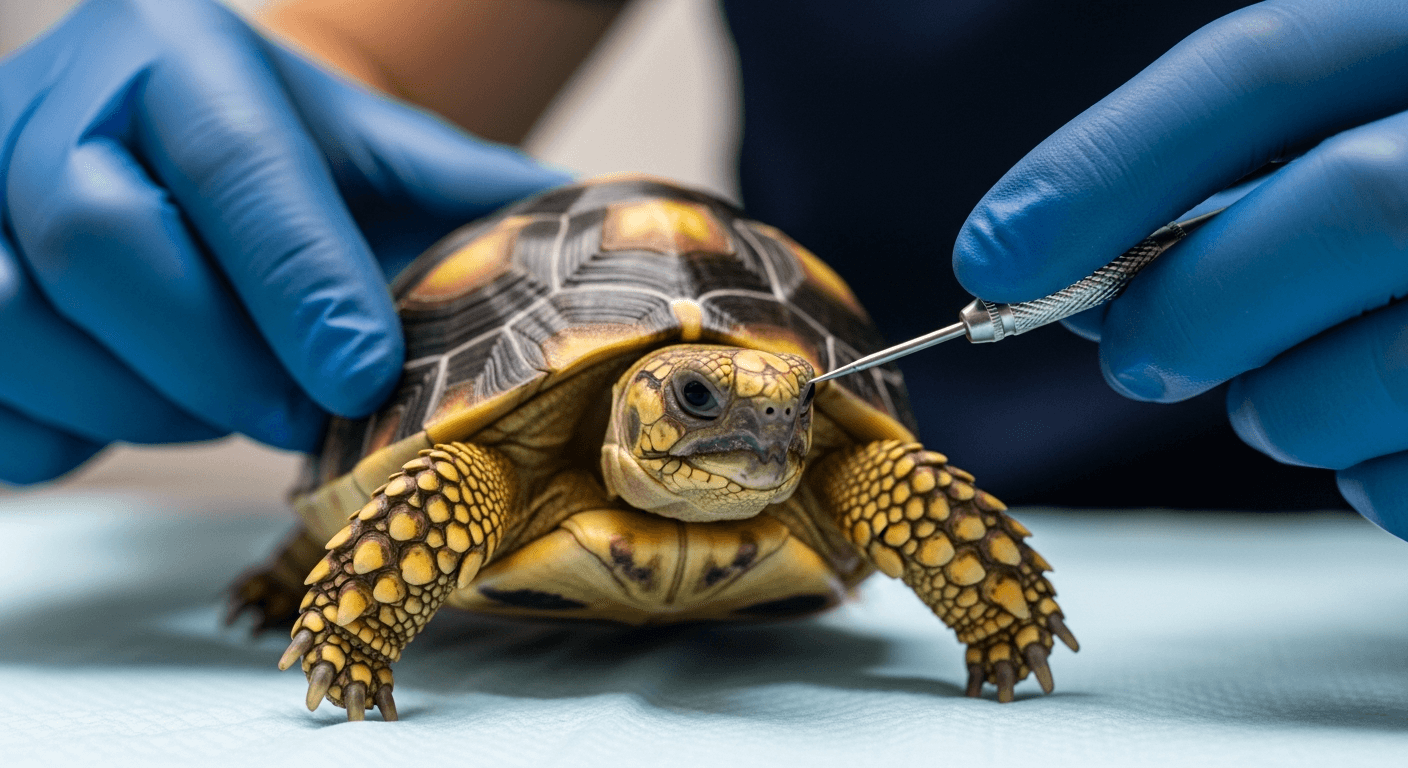
Turtle Shell Problems: Soft Shell, Shell Rot, and Pyramid Scutes Explained
The shell is a turtle's most visible health indicator. Learn to recognize soft shell (metabolic bone disease), shell rot, injuries, and what each requires in terms of treatment.
 🐢 Turtle & Tortoise Health
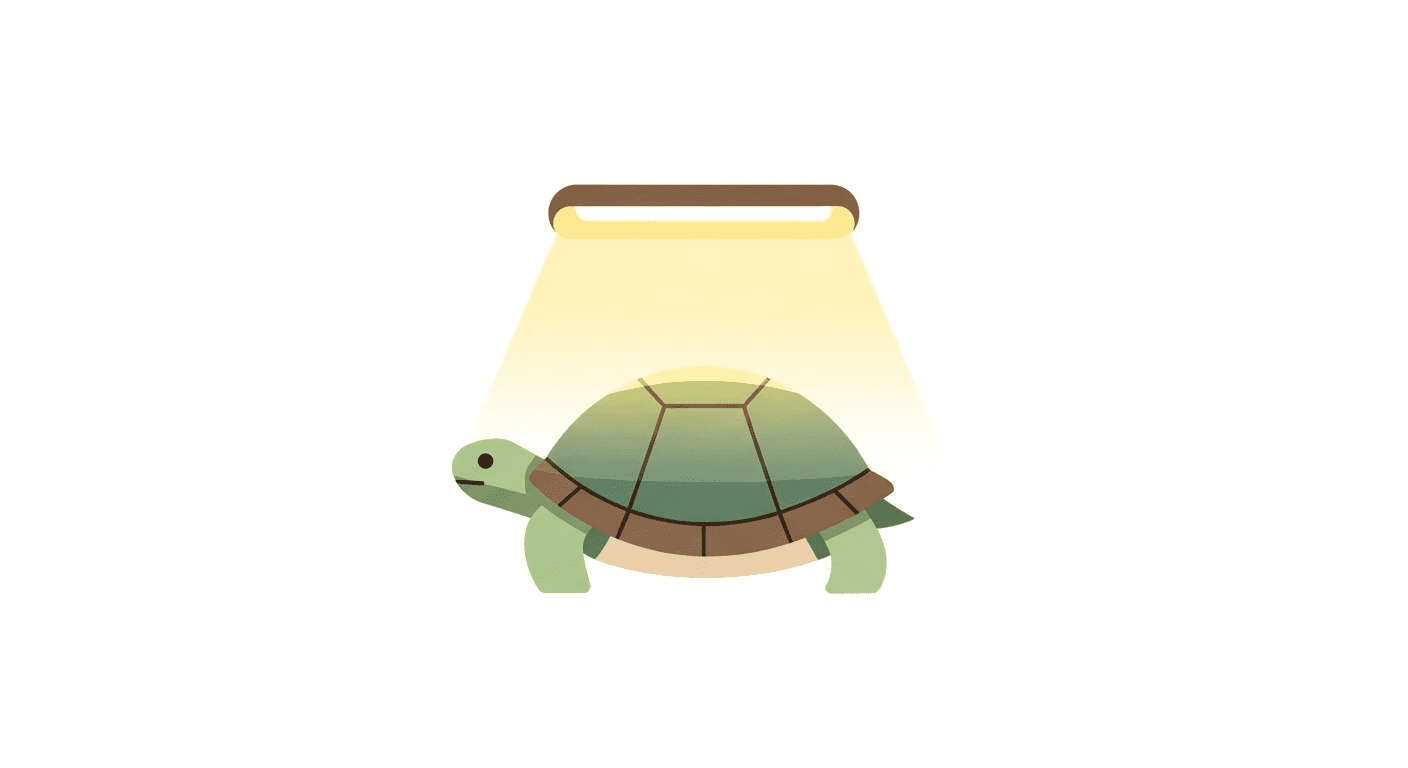
UVB Lighting for Turtles and Tortoises: Getting It Right to Prevent Disease
UVB is essential for turtle health and most problems in captive turtles trace back to inadequate UVB. Learn how to choose, install, and replace UVB lighting correctly.
 🐢 Turtle & Tortoise Health
Complete Turtle and Tortoise Diet Guide: What to Feed by Species
Feeding requirements vary enormously between turtle species. This guide covers aquatic turtles, box turtles, and tortoises with practical food lists and common mistakes to avoid.